
Robertson: separate town memory from a production process
The Tatilmerkezi Stork does not approach Robertson by simply listing vineyard views. This plan asks two different questions: where can visitors encounter town memory after its museum moves, and how can they read a producer's explanation of winemaking? Robertson Museum's current annex provides a tangible starting point for the first question, while Weltevrede's advertised underground experience near Bonnievale supplies the second. They are not stops on one street walk. Connect a town day with a separate producer day without confusing central Robertson and the wider wine valley. The guide concerns Robertson in South Africa's Western Cape.
Three nights across four calendar days leave two complete days: arrive and settle, devote the second day to Robertson's town focus, arrange the confirmed Bonnievale transfer and producer programme for the third, then depart on the fourth. With two nights and only one full day, choose a priority instead of forcing both needs together. Attaching a short morning museum window to a late arrival makes the visit fragile. Resolve accommodation and the next day's transport on the first evening rather than trying to reach differently located stops immediately after a long journey.
The museum: use the current annex, not the old building
Local tourism places Robertson Museum in an annex behind the collapsed remains of the old museum, at the corner of Paul Kruger and Le Roux Streets. Plan the small town-life collection through that current location. Do not use an old photograph of the former building as evidence of an open main entrance or permission to enter the remains. Confirm the entrance and accessible collection for your date directly. The loss of a building does not establish that every collection object was lost or that its interpretation continues in exactly the same arrangement.

Consider an object's use in town life alongside the person or place identified by its label. If explanation is incomplete, ask staff instead of inventing a family story. Comparing a household object with a trade or public-service document can answer a town question rather than merely accumulating visually interesting items. A short institutional window can still allow close attention to a few examples. Discuss steps, rest opportunities and photography alongside particular access needs; do not assume every annex space is barrier-free. The institution's current directions matter more than an old map pin when the visitor location has changed.
Town exteriors and a separate Bonnievale producer day
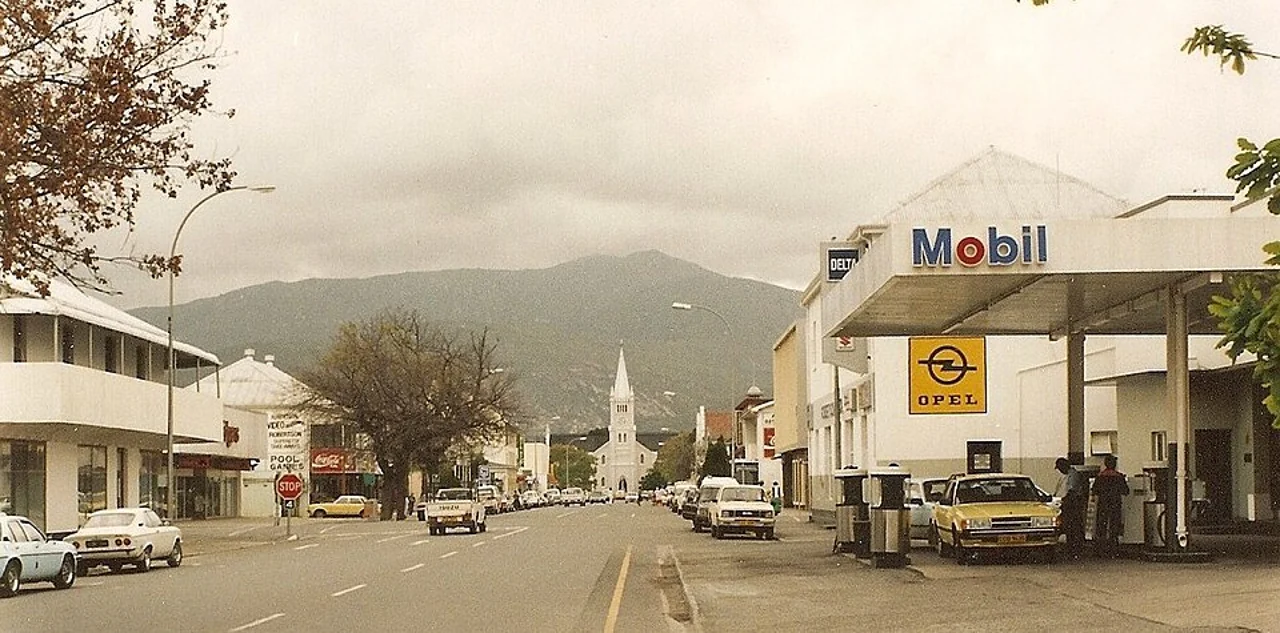
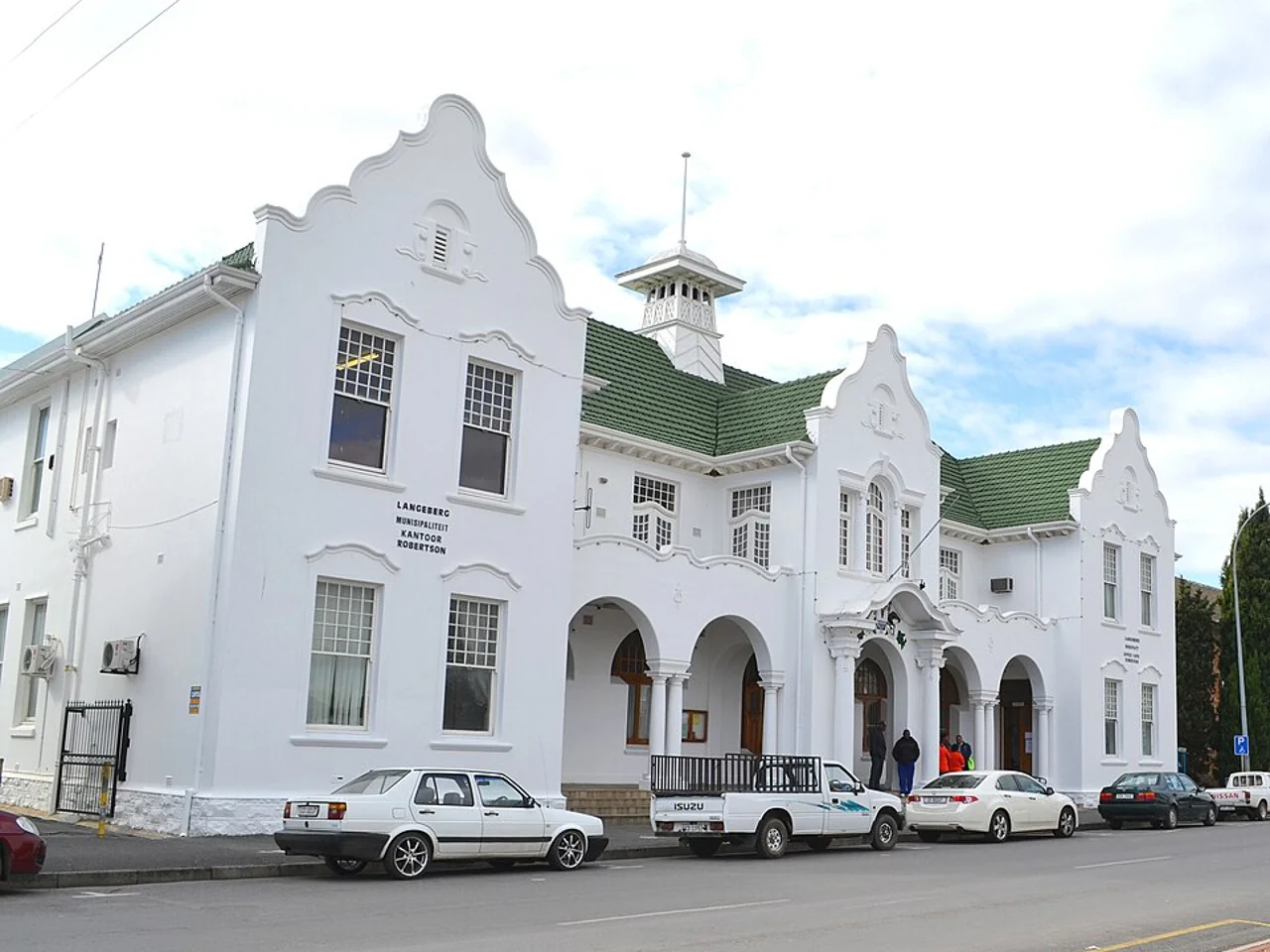
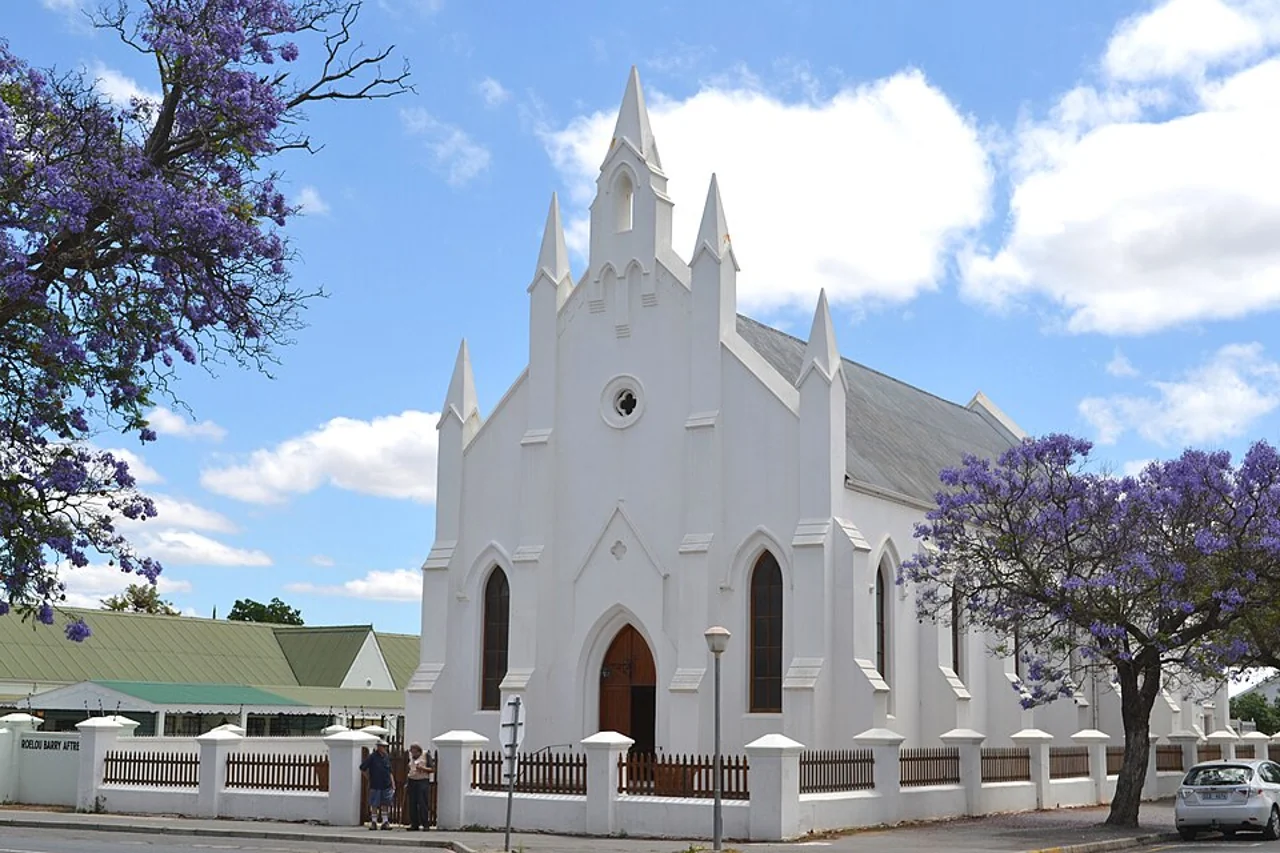
After the collection, the municipal frontage on Church Street and selected religious-building exteriors can supply a short town context. Entrances and public-facing elevations prompt different questions; an operating institution is not automatically a freely accessible display. An exterior walk also does not reduce the town's history to a single architectural style. The 1987 street photograph accompanying the guide is a historical comparison rather than current traffic or business information. The photographed facades are not the museum's present annex. Preserving a rest allowance at the end of the day makes the following separate journey more manageable.

Weltevrede advertises its R317 location near Bonnievale and an underground Captivated by Chardonnay experience, beginning with the grape's international distribution and its connection with the Robertson Valley. A producer programme can invite questions about place and process beyond tasting. Confirm the actual content and booking conditions with the operator for your date. Museum and vineyard programmes do not share an assumed opening window, guide or transport. Arrange the Bonnievale-area transfer separately: it is not represented here as a few minutes of walking from central Robertson. Choose an experience because of the question you want to explore.
The meal route: milk tart or bunny chow
Official local tourism names milk tart at Affieplaas Padstal in Robertson and bunny chow at Rivergold Rock 'n Roll Diner along the R317 route. If present on the current menu, a milk-tart interval on the town day or bunny chow during the separate road day provides a concrete food idea. Do not automatically replace a substantial meal with dessert; ask the diner about the filling and portion. Neither food is claimed here as an invention exclusive to Robertson. A genuine local route listing gives a named option to look for without guaranteeing its stock on a particular date.

When connecting the diner with a transfer towards Bonnievale, check the service day, booking and return arrangement. Preferring something lighter before the producer experience is your choice, not a promised special menu. Discuss milk, wheat and ingredients in the filling where relevant. Travelling outside town for food and back during the museum morning may consume the available time, so give the town and road days different meal decisions. The vineyard image is not a photograph of this diner's current plate or table. An older menu image could not establish what is available today either.
A central room, a rural stay and a sober return
With the town collection and a short exterior session as priorities, a room in central Robertson may simplify reaching the morning entrance and resting at midday. Ask about parking, late arrival, steps, noise and breakfast for the actual date. A valley stay can offer another setting but adds a transfer to the same museum visit. A vineyard photograph neither guarantees a particular room's view nor gives permission to enter a private farm. Establish the practical transport requirements of your two full days before building the entire programme around accommodation marketing images.
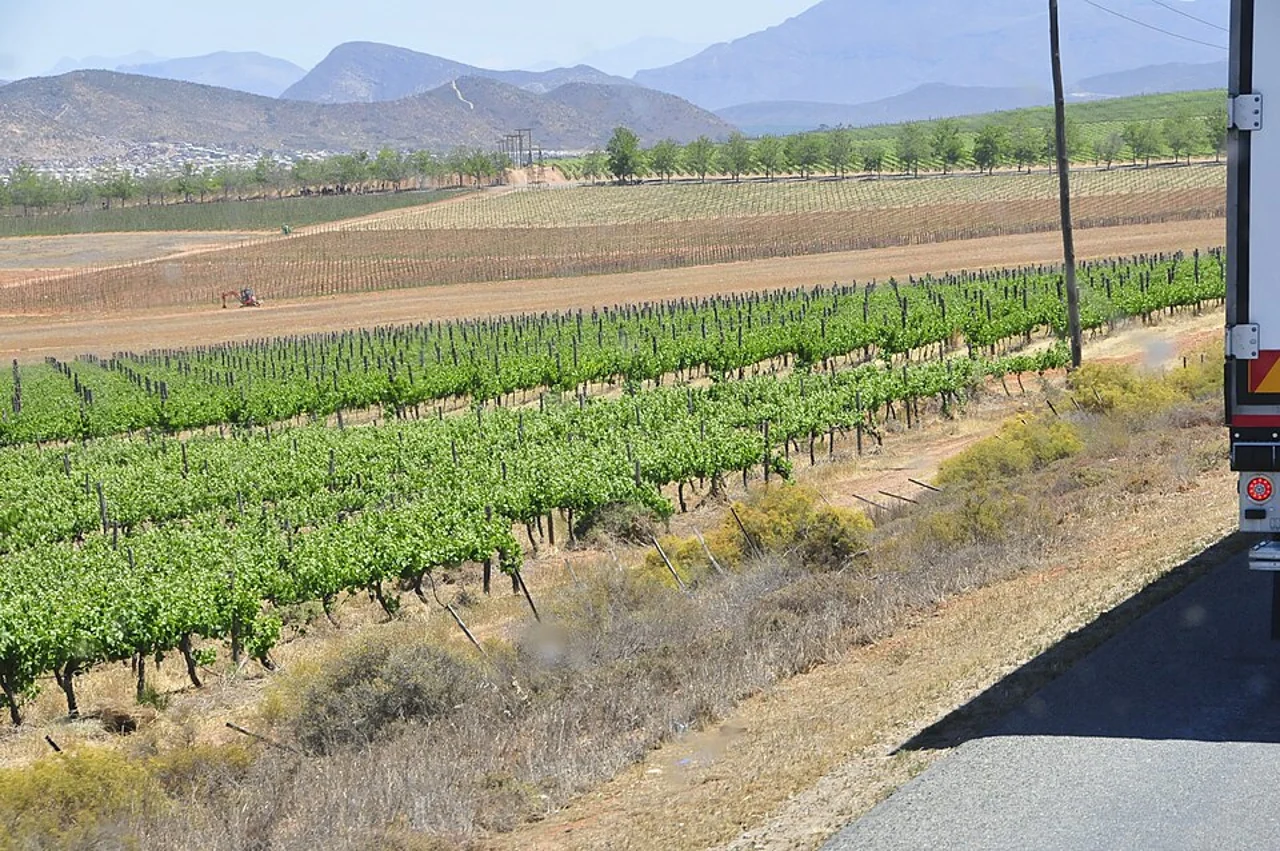

If choosing alcoholic tasting at Weltevrede or another producer, arrange the return with a sober driver or prebooked transfer. A tour reservation need not include transport, so ask about its scope separately. Choosing not to drink matters, but a ready-made alcohol-free pairing cannot be promised without confirmation. Adding the museum, a river excursion and several producers to the same R317 day expands a short plan unnecessarily. Place one verified experience and an appropriate meal first. Leave realistic road and rest allowances without inventing a guaranteed return time from a general regional description.
What will you actually ask when booking?
The tourism record observed on 5 October 2026 publishes a short museum morning window and a separately arranged possibility for groups. A group arrangement is not a guarantee that an individual can walk in late. Confirm the current annex location, relevant collection access and your date with the museum. Ask the producer through its booking channel about the date, programme, age conditions and access requirements. An underground description does not mean identical ease of movement for every visitor. No fixed fee, guaranteed tasting list or claim that every programme suits every family is supplied here.
The Stork suggests keeping two different notes: an object or document that explains town life at the museum, and one piece of information connecting production with place at the estate. You need not visit every vineyard that looks attractive in a photograph. When time becomes limited, reduce the plan to town memory or the producer experience rather than claiming to have completed both. Correctly counted three nights, the current annex address and separate Bonnievale transport can turn Robertson into a tangible culture-and-production stop instead of a scenery checklist. A purposeful meal choice then gives the two days different rhythms.