
Stellenbosch: domestic history and living plant collections
Tatilmerkezi’s Stork approaches Stellenbosch through two city collections rather than a compulsory succession of wine tastings. Spend one main day with the historic homes of the Village Museum, then another with the university botanical garden. Rooms and domestic gardens invite questions about everyday life; living plants invite different questions about habitat and conservation. This is not a whole Winelands itinerary relabelled as a city guide. It serves visitors who do not drink wine, prefer not to drive between farms every hour, or simply want a quieter urban break built around nearby institutions.
Place your dates against the actual institutional calendars. Sunday arrangements at the house museum vary seasonally, and the botanical garden closes for specified holidays. A late arrival is better used for settling into accommodation and dinner than trying to complete all the homes in the remaining daylight. Giving the morning to one main institution and leaving lunch and an exterior pause for later keeps the two days manageable. A city-based route does not mean every distance is easy for every visitor: weather, pavements and mobility requirements may change how you move between your selected stops.
Day one: compare the homes at the Village Museum
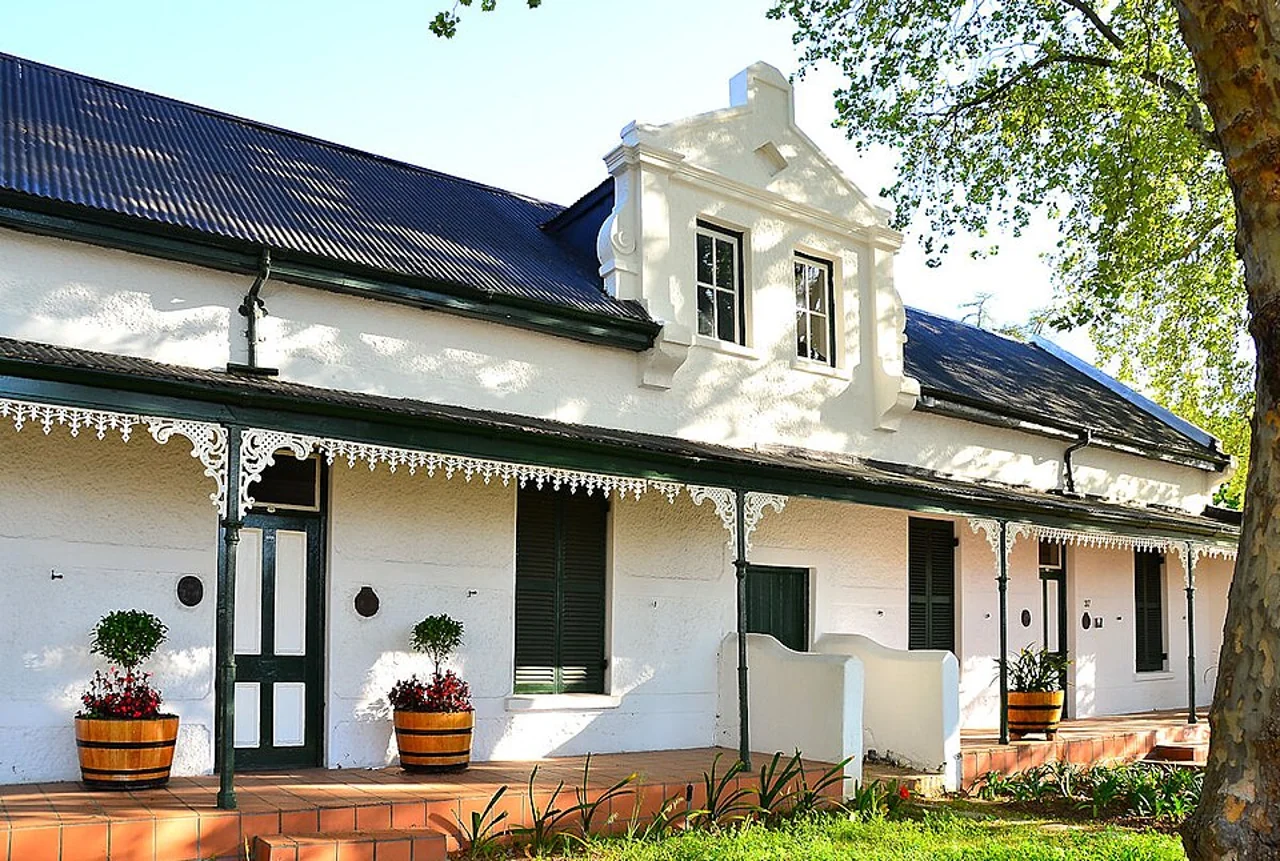
The Village Museum consists of four historic houses and their gardens. The institution describes restored settings intended to represent different periods of architectural development and domestic taste. Compare the entrance’s relationship to the street, room scale, light and garden rather than merely noticing that furniture looks old. Choose one detail in a house and look for its counterpart in the next. That is often more rewarding than photographing every room at the same speed. Ask about unavailable areas, interpretation and photography at reception: a displayed historic residence is not an unrestricted invitation into every space.

The museum contact page lists 37 Ryneveld Street; confirm the actual entry and admission arrangements before your visit. Do not carry summer Sunday hours into winter or the reverse. Christmas Day, Good Friday and Easter Sunday are listed closures. This guide does not guarantee every house will be accessible on a particular date or supply a fixed current charge. The dated Grosvenor House photograph gives one example for the domestic comparison. Your aim need not be to memorise every object, but to understand how a town residence could be organised in different periods. A short note and meal pause afterwards provide a useful continuation.
Day two: the real university botanical garden entrance
Use Stellenbosch University’s current garden visitor information for the second main day. It identifies entrances around Neethling and Van Riebeeck streets, seasonal opening arrangements and permission rules. This guide does not turn an old COVID page or a past festival programme into today’s visitor schedule. Recheck the summer and winter distinction and the listed New Year’s Day and Easter Friday closures before departure. The institution states that the garden has no dedicated visitor parking; find out the current conditions for municipal and street parking nearby rather than assuming an available space beside an entrance.
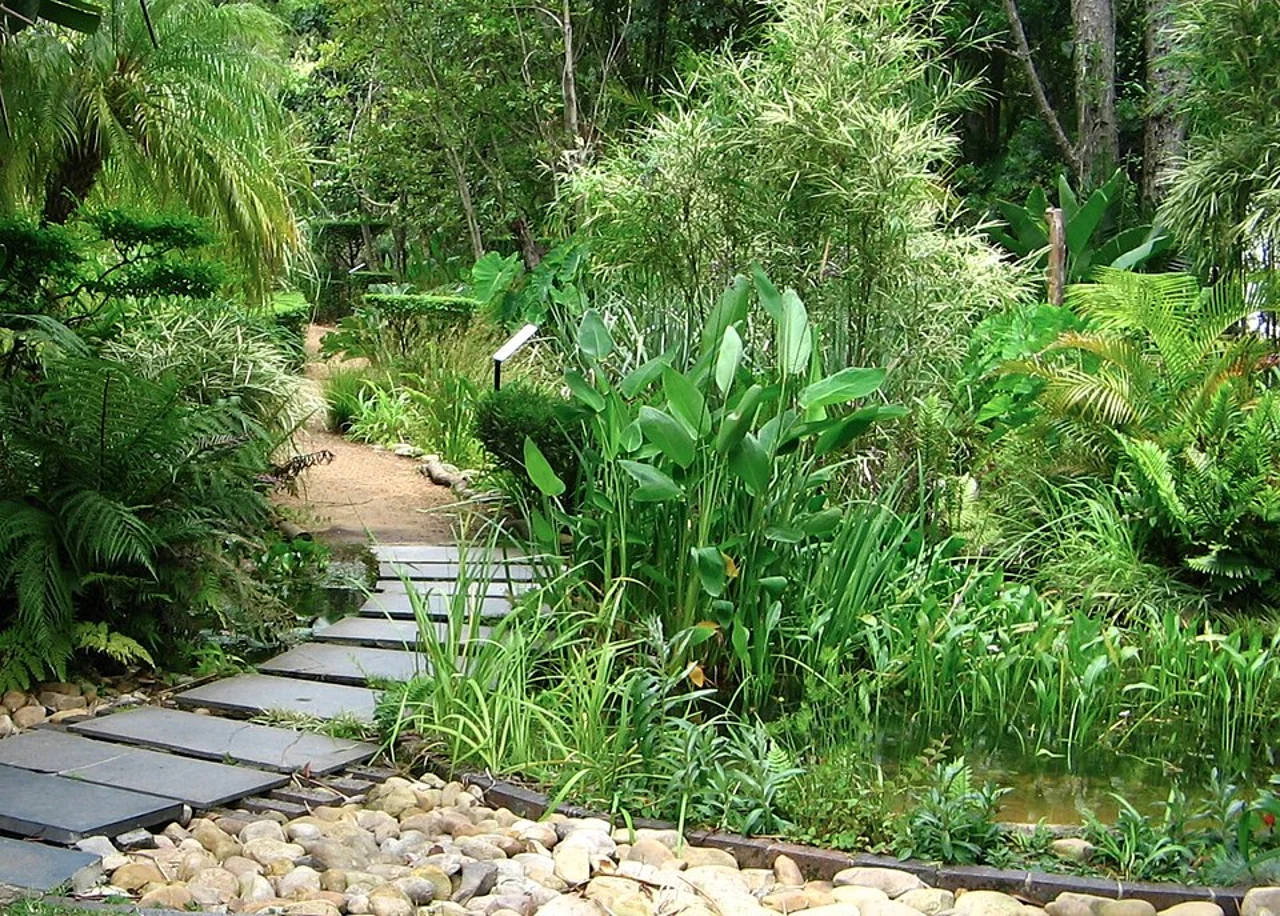

Compare the living collection with the previous day’s domestic gardens, now paying attention to labels and conservation purpose. Read which habitat a plant is associated with and whether a collection represents local or other regions. Flowering and greenhouse access can change with season and maintenance, so neither is guaranteed. Children should remain supervised, leave labels in place and avoid touching plants. Commercial or group photography requires prior permission. Because the page contains several photography descriptions, ask the garden office about your proposed use rather than assuming a visitor ticket supplies unrestricted shooting rights.
A plant detail: reading the dated orchid photograph
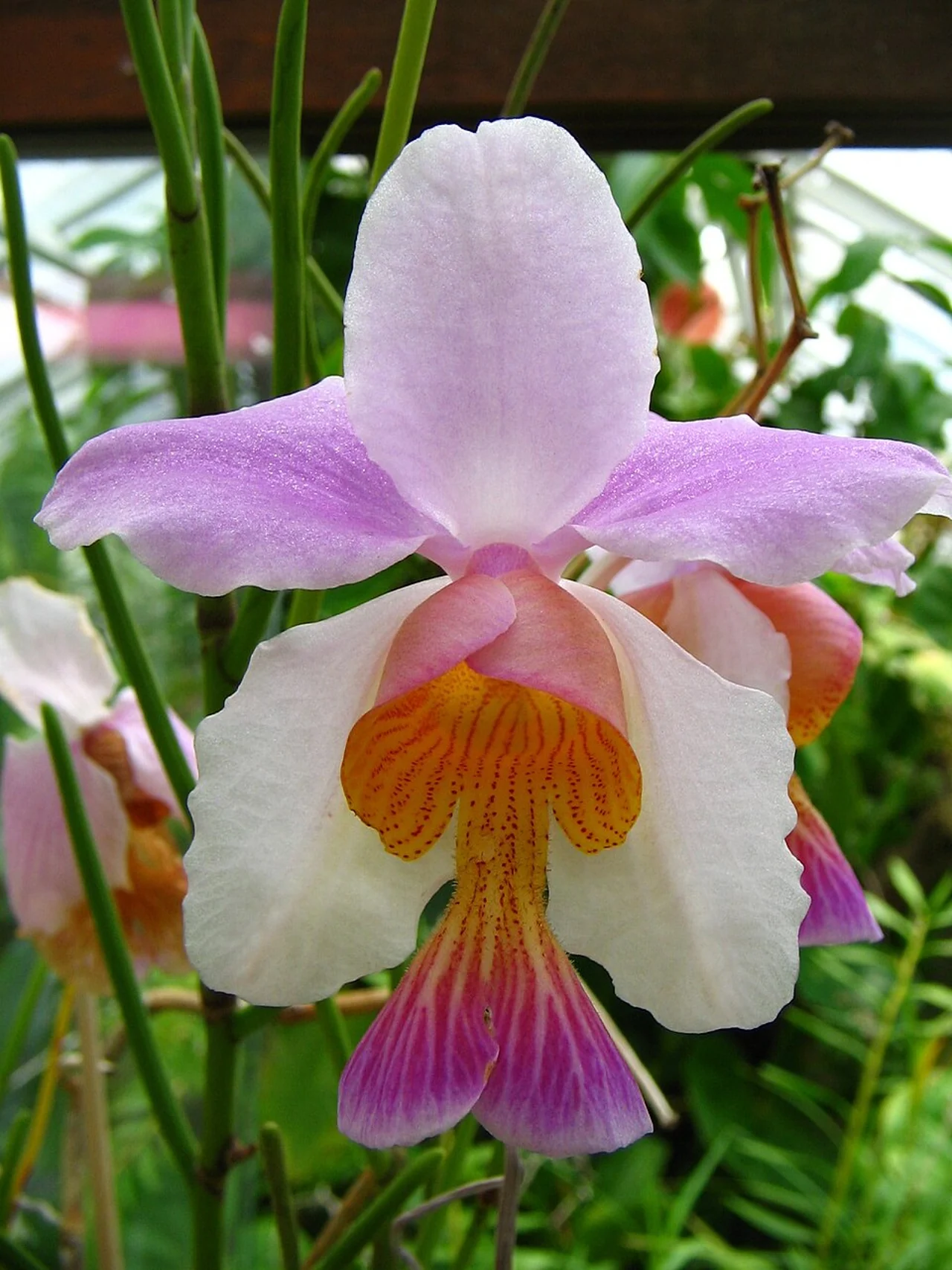
The Vanda teres orchid photograph in this guide was made in the garden in 2004. It does not promise the same pot, label or flower today. Instead it illustrates how reading a living collection differs from looking at a house façade. On your visit, begin with the environment, then select one label and a detail you can actually observe. Do not invent a species name for every flower; use the institution’s information. Leaf form or the relationship between a flower and its stem can already provide a satisfying subject without requiring a claim that a particular specimen is always present.

No photograph of an isolated contemporary sculpture or botanical illustration with uncertain underlying rights is used here. Seeing an exhibition does not automatically allow commercial reproduction of its artwork. Ask about photography rules during your own visit and do not collect plants. The outdoor day can be shortened to match your energy: one section, shade and a seated pause may be more enjoyable than competing to finish the entire garden. If weather or maintenance affects a section, consider swapping the collection days after checking both institutions’ actual calendar rather than forcing a fixed route.
Dorp Street: domestic and institutional exteriors
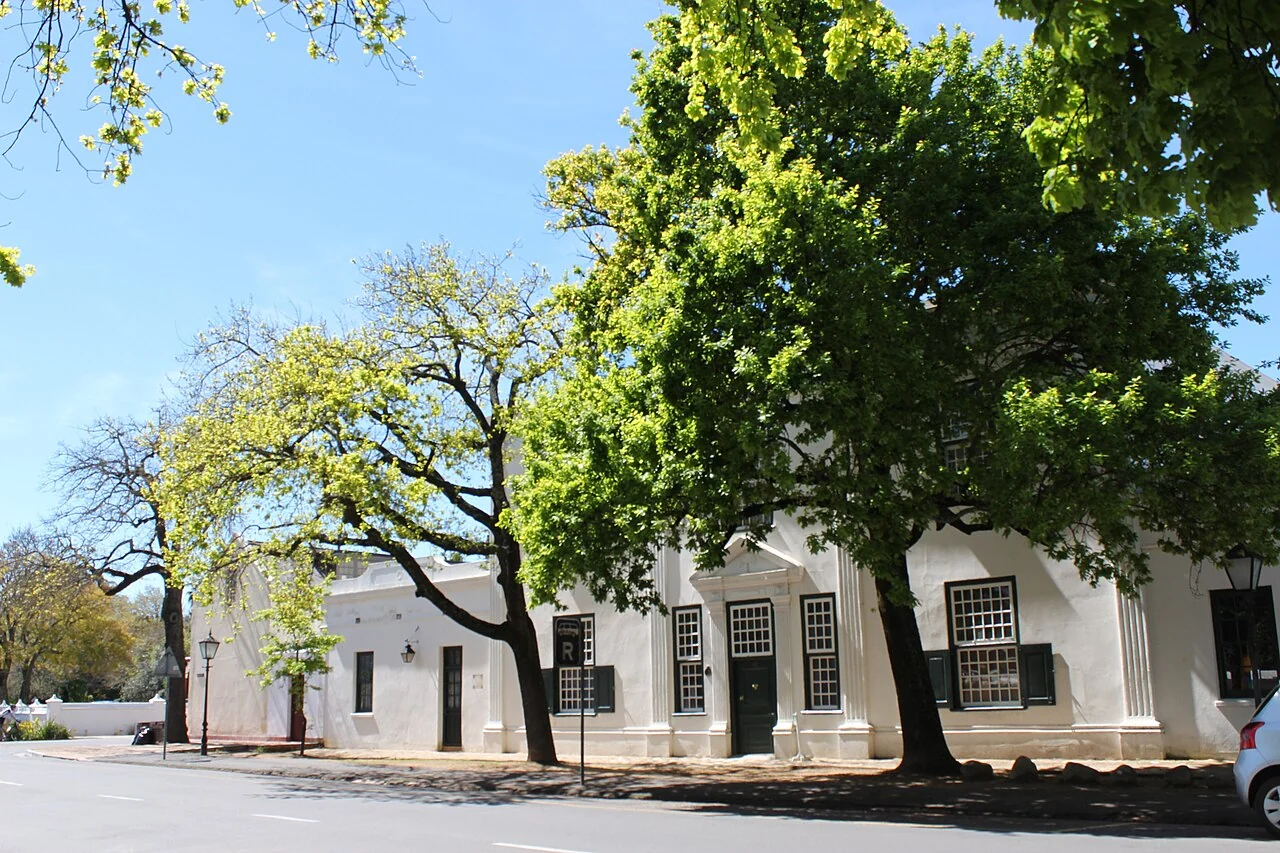
Historic homes on Dorp Street offer a street-scale comparison after the museum rooms. Viewing a façade from a public position does not establish permission to enter a house. The 39 Dorp Street image is dated 2012, not presented as a current business or accommodation listing. Select a few details and pause rather than treating the whole street as one architectural period. Consider crossings, traffic and weather; do not stand in the road for a photograph, and respect the privacy of people using a living neighbourhood. The architectural stop should support the experience rather than become another obligation.
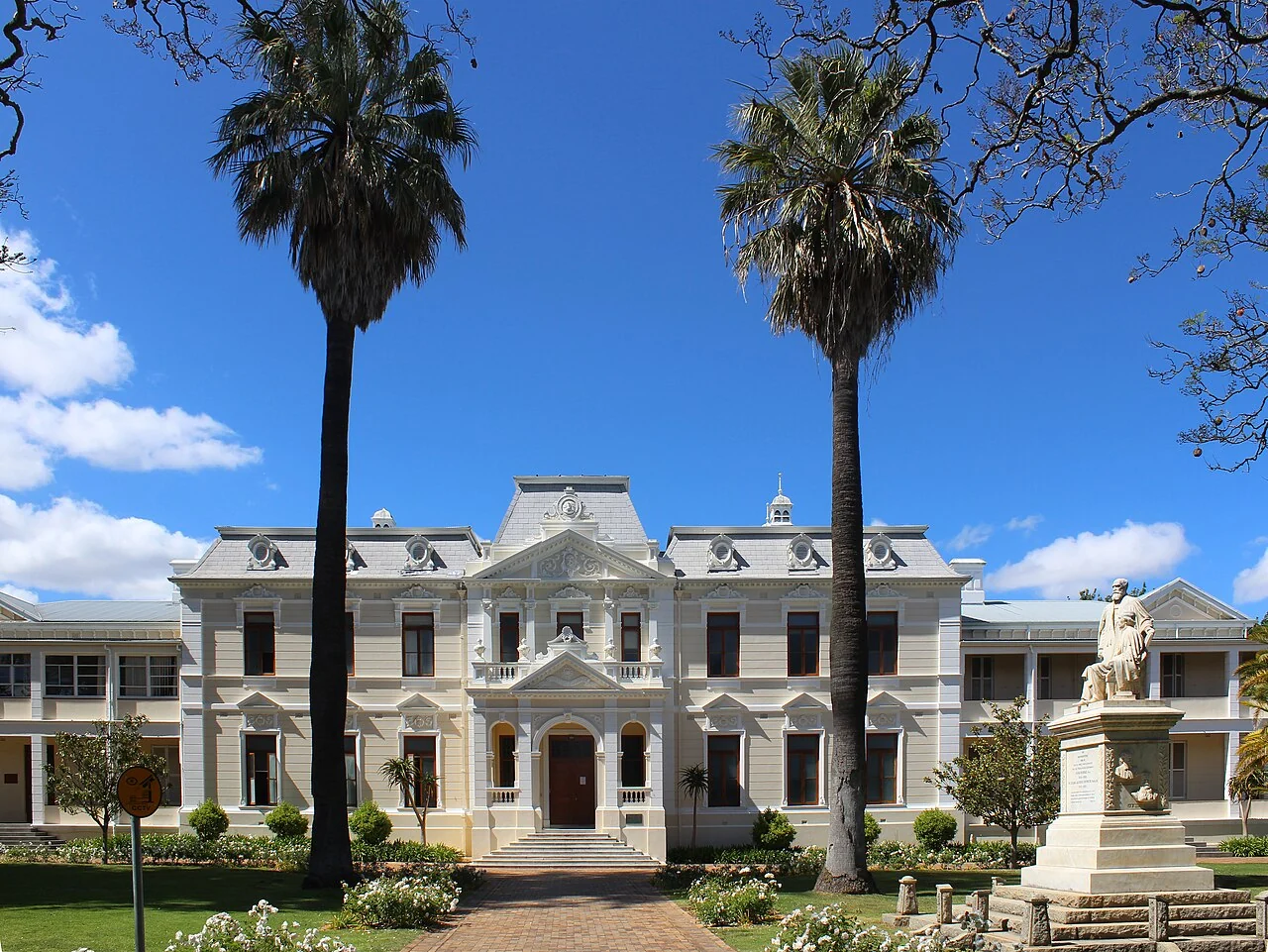

The Theological Seminary exterior supplies a different institutional setting on Dorp Street, without promising courtyard or room access. A building with educational or religious functions is not automatically an open museum. Place this brief view in remaining time rather than reducing the main house or botanical collection visit. Leaving luggage at your accommodation and organising a reliable return can make the walk easier. In uncomfortable heat or rain, omit a stop or choose a short vehicle connection. A focused urban visit remains worthwhile even when the weather makes a continuous walking chain impractical.
Meals: Boland bobotie and braaibroodjie
For a concrete meal idea, De Volkskombuis lists Boland Bobotie in its own 2026 menu. Braai broodjie also appears, while the destination tourism account describes the cheese-and-tomato toasted sandwich tradition. These names help build an actual meal plan; they are not the sole representation of Stellenbosch food or a guarantee of stock on every date. Confirm the Aan-de-Wagenweg address and reservations directly with the business. The tourism listing’s booking label and the restaurant’s own reservation link do not agree, so prioritise the actual operator’s response instead of repeating a directory assumption.
A seated main meal after the first museum, followed by a lighter lunch and coffee on the garden day, can provide a comfortable balance. Do not infer meat, egg, dairy or allergen details from a short dish name; ask directly. Wine tasting is optional here, and an alcoholic meal should not be followed by a self-drive plan. A historic domestic-kitchen photograph would not prove present food service in that room. No ticket or menu price is invented in this guide. Assess the budget for food, admission if applicable and local travel together rather than sending yourself to a distant meal without counting the return journey.
A central base, arrival and two safe city days
Accommodation related to Ryneveld, Dorp and the garden entrances serves a different practical purpose from a farm stay. Ask about walkability, secure parking and evening food rather than relying on a location heading alone. If choosing a vineyard property outside the centre, add the daily return to town to your actual transport plan. For Cape Town or airport arrival, confirm a trusted transfer or suitable vehicle with the real operator. A short line on a map can change meaning with traffic, late arrival and luggage. No fixed shuttle time or guaranteed journey duration is supplied here.
Current official South Africa advice identifies crime and transport risks. Avoid planning solitary long night walks, keep valuables discreet and leave no luggage visible in a parked car. Store accommodation and institution contacts offline in case power or service interruptions affect arrangements. Final checks should cover the real open days, garden photography permission, any unavailable section, restaurant reply and return vehicle. The Stork’s suggestion is to change your questions between domestic rooms and living plants: consider past household arrangements on the first day, then habitat and conservation on the second, creating two distinctly city-based Stellenbosch days.