
Two days in Sousse: objects and walls
The Tatilmerkezi Stork suggests two different ways of looking at this coastal city: spend one day reading images assembled from small pieces in the museum, and another examining the arrangement of large stones around the Ribat. Keep an arrival evening for settling in and give these two interests a full day each. A coast break becomes a real part of the stay rather than a gap between excursions. This city guide is separate from a Tunisia-wide tour or a week based in the Port El Kantaoui holiday complex. It suits readers who want fewer stops and closer attention in central Sousse.
Check the museum's operating day first. With a Monday in the programme, the Ribat and short medina walk can come before the archaeology collection. On a one-night stay, choose one principal institution instead of rushing both. Ask companions which aspect interests them: mosaics, buildings and the coast do not require everyone to follow an identical walk. Agreeing a meal and return meeting point allows different observations without creating separate and confusing travel plans.
Day one: the Kasbah archaeology collection
AMVPPC describes the Archaeological Museum within the Kasbah and identifies mosaics alongside other archaeological objects. Its current record lists Monday closure. Give the collection the morning of a full day, then establish admission arrangements and last entry for your actual date. No invented ticket price is supplied here. Reaching the Kasbah and circulating through the collection are separate activities; after a hot outdoor approach, you need not complete every room at once. Use the labels for an object's date, function and find location rather than assigning a story from its appearance.
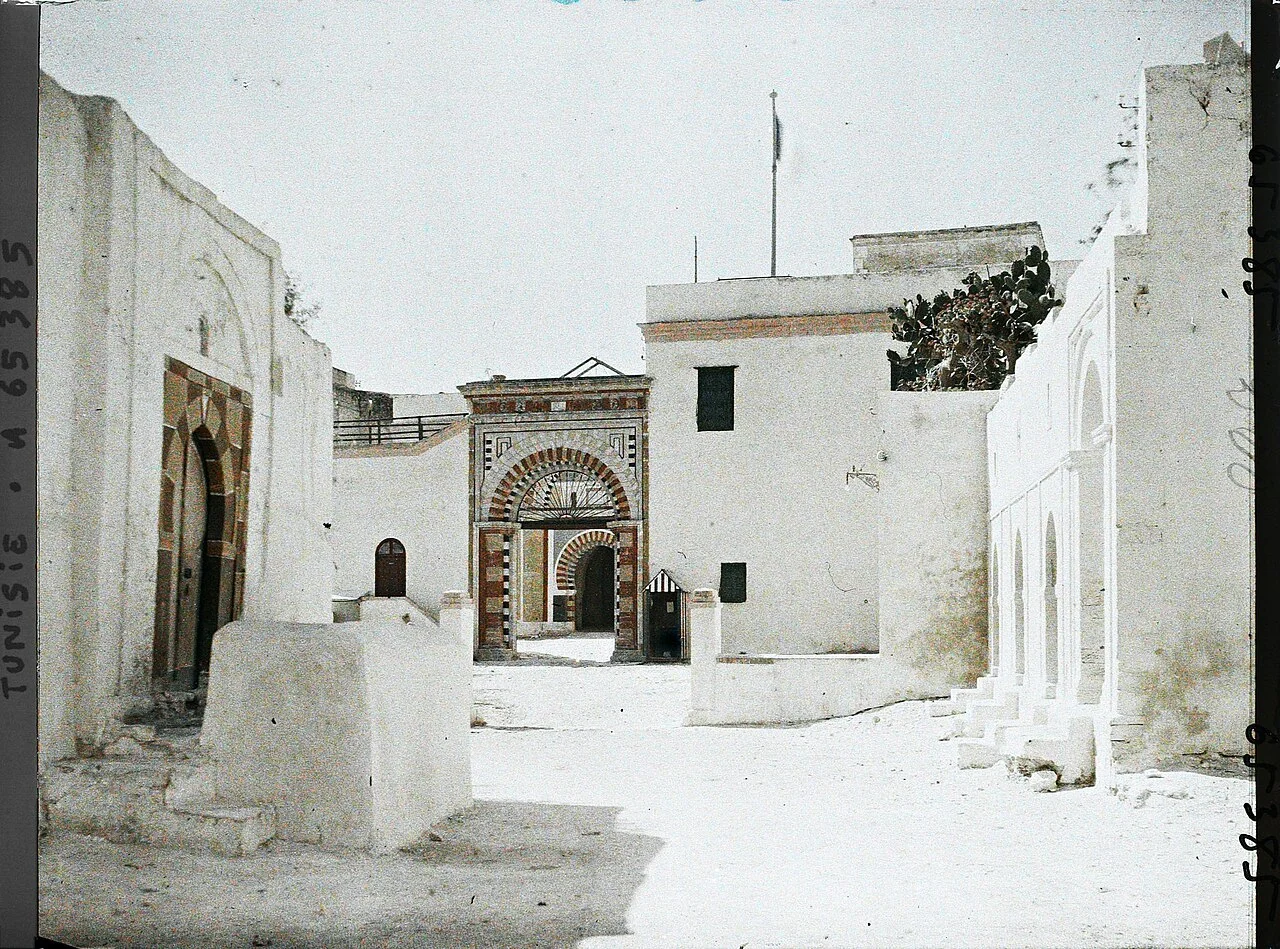

Choose a mosaic and first consider what the figures are doing, then how the border frames the image. A companion can select another scene and compare observations afterwards. This simple exercise is more useful than memorising every object name. Ask staff about the route in use if seating or a shorter visit matters. Confirm which garden or panoramic sections are available rather than treating promotional descriptions as a guarantee of access to every area. The Kasbah entrance photograph here is an archival image from 1931, not documentation of the current museum layout.
Day two: read the Ribat as a building
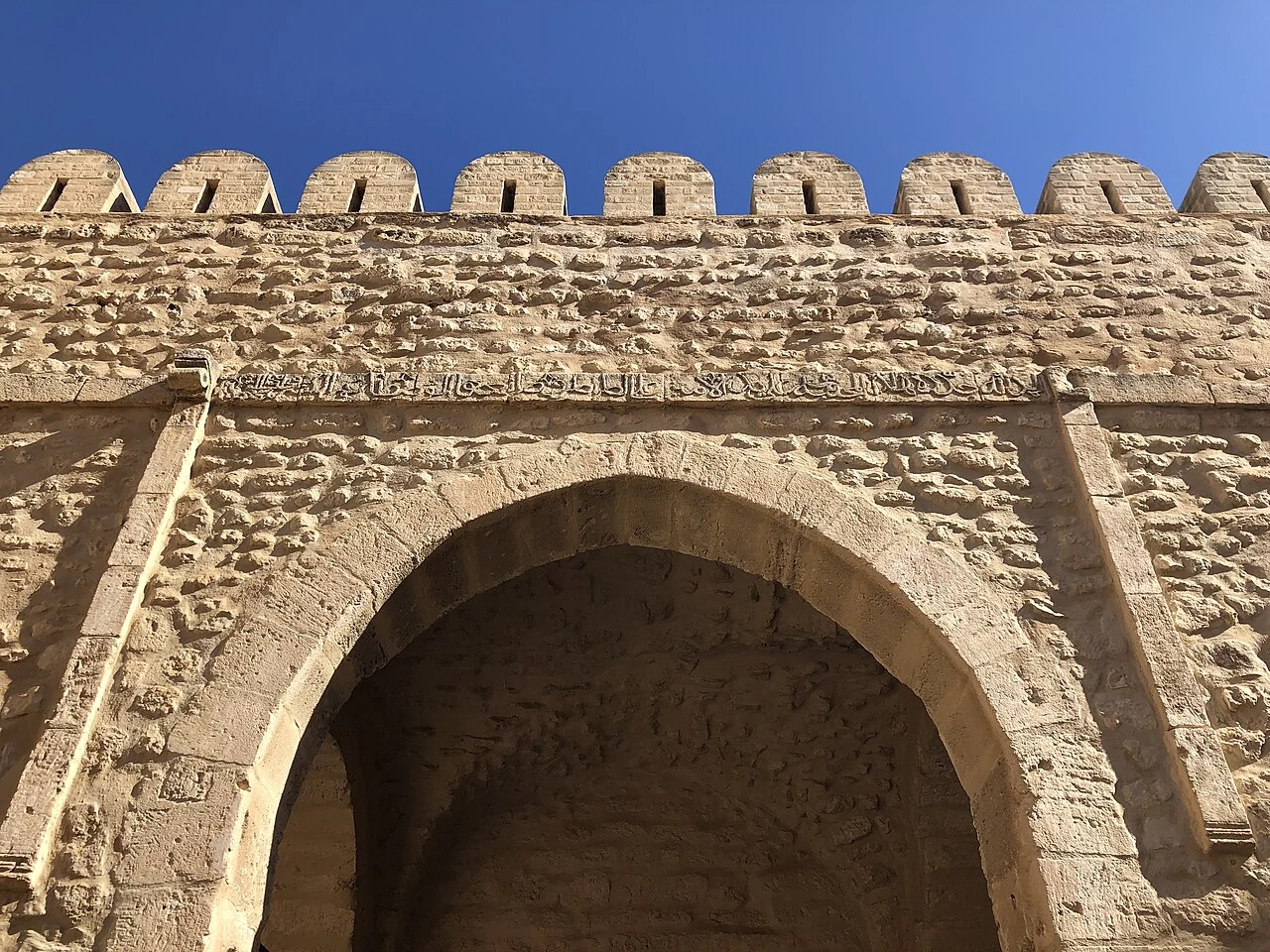
AMVPPC publishes a separate visitor record for the Ribat. The record checked on 4 October 2026 presents a weekly visiting schedule, but confirm the latest arrangements before going. Make this day's question different from the collection day: how do the entrance, courtyard and walls guide movement? The stone entrance photograph shows actual exterior architecture; it does not establish which rooms are presently accessible. Readers avoiding stairs can ask about the available ground-level section and leave an upper section out of their programme.

Learn the circulation route on arrival and keep a short circuit that returns to a known point. Leave room for others on narrow steps. A high viewpoint is not a compulsory part of everyone's visit: ground-level passages also help explain the plan. If companions choose to climb, agree a meeting place and time. Select a few architectural details instead of making many nearly identical doorway photographs. Stone texture, threshold and shadow invite different observations. Follow staff directions and allow a proper rest before beginning the next walking section.
The medina and Great Mosque surroundings
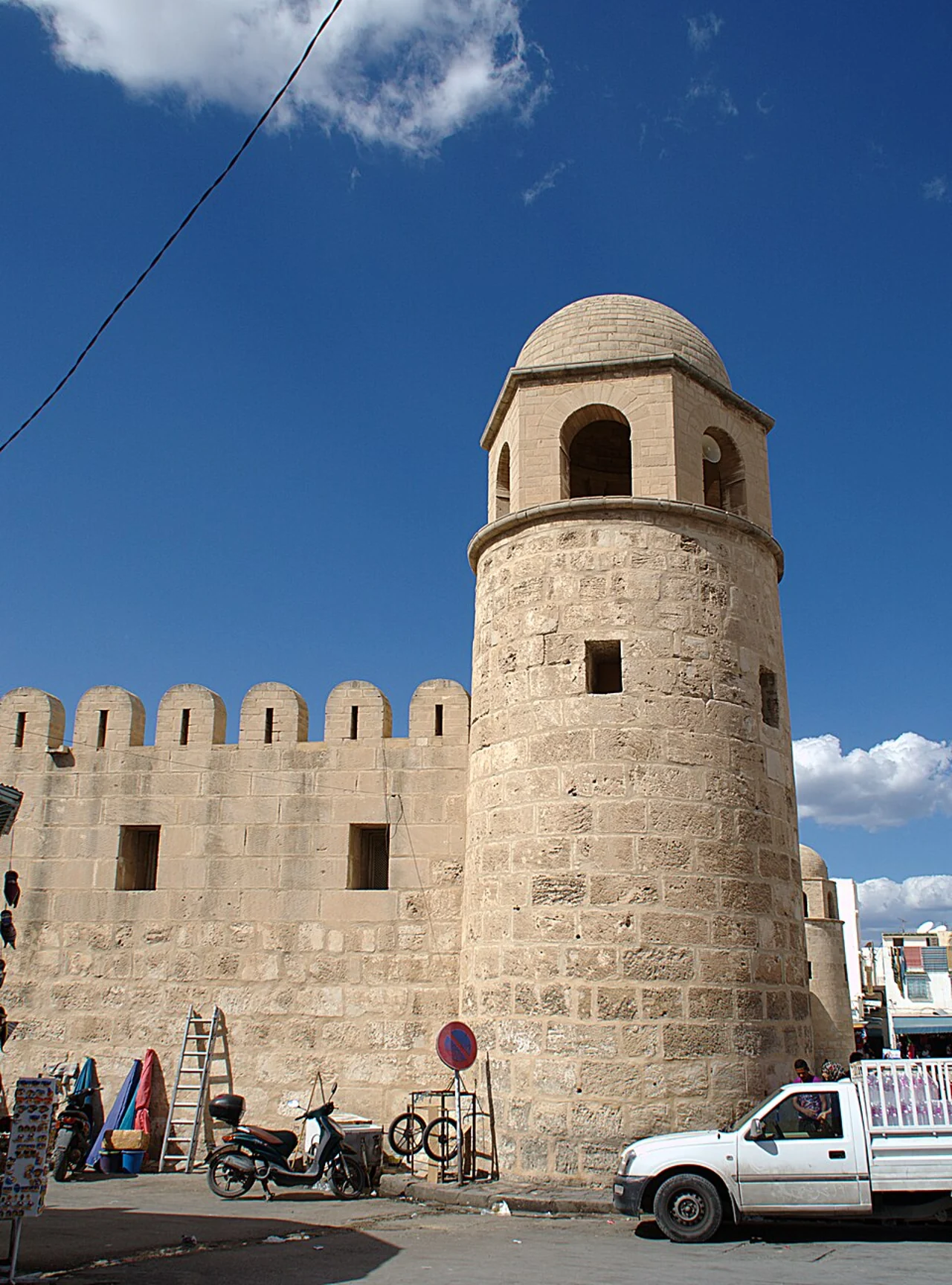
Continue the Ribat day with a limited walk through the medina. The exterior architecture of the Great Mosque can provide another focus, while admission to a place of worship must not be assumed. Establish the rules for entry, clothing and photography on your date. The mosque image in this guide depicts an exterior in 2013. After two cultural stops, save a gateway or square on your map as a return point instead of trying every shop. Allow working residents and people carrying goods enough room to pass.

For shopping, discuss the product, packaging and total price with the seller. This guide does not fabricate current costs. Olive oil, ceramics and olive-wood goods present different uses and luggage needs. Bottle sealing, protection for fragile objects and transport rules can matter more than choosing a pattern. Asking permission to photograph someone does not create an obligation to buy. Keep a bag closed in crowds and move away from demonstrations or confrontations. Arrange the evening return along a route learned in daylight.
Boujaafar: a coast break and an accommodation choice
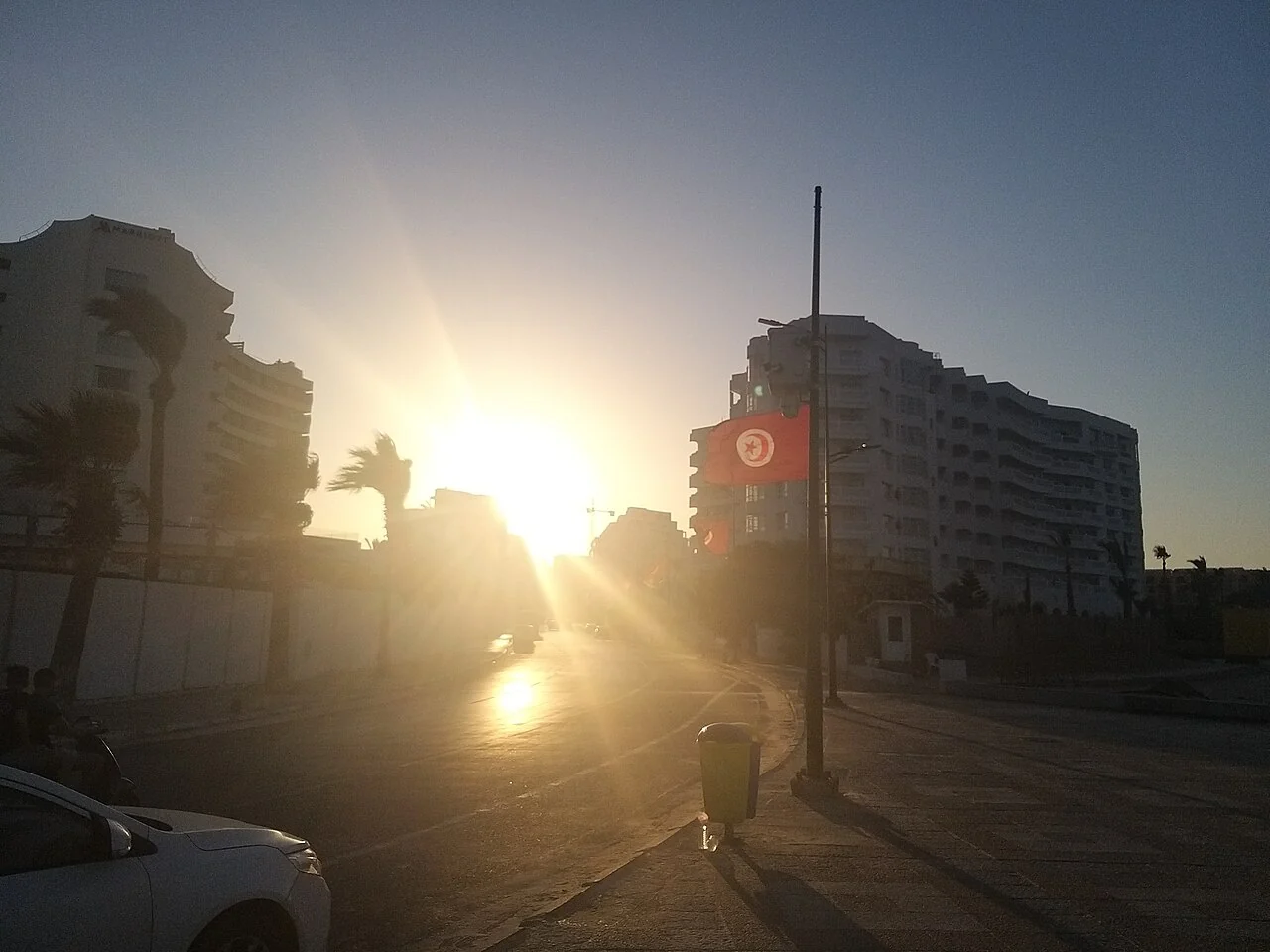
Leave a short rest section by the coast after the museum or Ribat day. National tourism information introduces central Sousse and its seafront promenade together. This break is not automatically a swimming programme: check current local warnings, sea conditions and supervision before entering the water. The coastal panorama was photographed in April 2025 and does not prove today's business arrangements or swimming conditions. For companions who want less walking, identify seating and a straightforward return option.
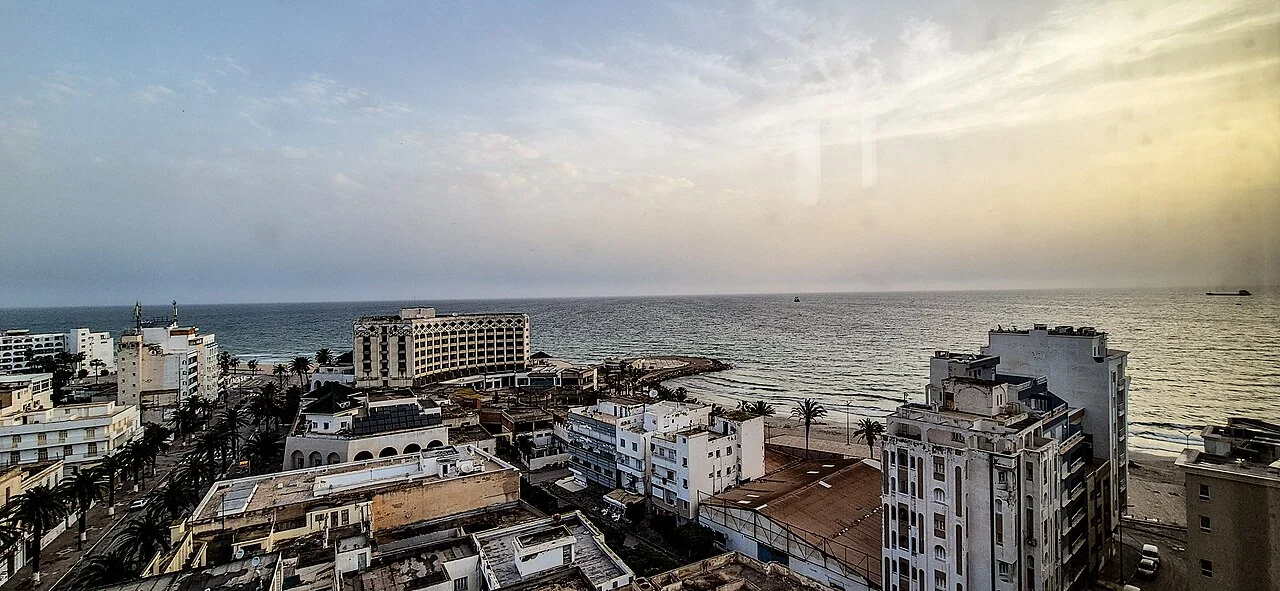

A central room can suit readers wanting shorter trips on two cultural days. A coastal hotel requires a separate calculation of the actual journey to the Kasbah. An address mentioning Port El Kantaoui should not be treated as though it were beside the medina gate. Check the real location, steps, noise and vehicle approach. On a short stay, compare the attractions of a more distant room with daily transfers. Accommodation should be selected from the actual building and route rather than simply from a sea-view cover image.
Borghol sahli and a coastal meal
ONTT's city information presents borghol sahli as a wheat dish accompanied by meat and vegetables. If available on a menu, give it a seated meal after the museum visit. Ask about portion size, meat and ingredients instead of assuming an identical recipe in every kitchen. Fish, squid and octopus appear as separate coastal choices in the same tourism source. Planning different meals over two days can be more comfortable than assembling every named product into one large tasting session. For a fish option, establish preparation and accompaniments.
Consider borghol sahli for one meal and an appropriate coastal product for another, asking for alternatives where dietary needs differ. The source also mentions a Kairouan maqroudh with a sweet break; it is not presented here as an invention exclusive to Sousse. Tea and a small pastry should not replace lunch. Confirm wheat, seafood and other relevant allergens independently of the dish's name. These photographs show urban settings, not a particular restaurant's present service. Give water, rest and ordering time their own place in the programme rather than squeezing them into leftover walking time.
Transport and returns on your real date
ONTT identifies Monastir and Enfidha airports as regional arrival options. Combine the actual arrival terminal and accommodation doorway in one transfer plan. For rail travel, consult SNCFT announcements for your date: a line mentioned in older tourism material is not proof of a particular current departure. Obtain station, ticket and terminal details from the operator. Agree late arrival and entry with the accommodation beforehand. Where a long incoming transfer immediately precedes a museum morning, reduce the first day's scope.
Current FCDO advice states that terrorists are likely to attempt attacks in Tunisia and identifies tourist areas among places requiring awareness; the Sousse coast is not exempt from that caution. Follow security directions in crowded areas and adjust plans when conditions change. Official Tunisia travel advice assigns different risk levels to certain border and interior areas. Do not extend this city programme into those areas without reading current guidance, including information from your own authorities. If an institution is closed, change the real visit day rather than pretending the visit happened. A successful stay answers one collection question and one building question, protects two proper meals and provides an intelligible return plan. The Stork prefers a shorter programme that fits actual conditions to an increasingly tired list of last-minute additions.