
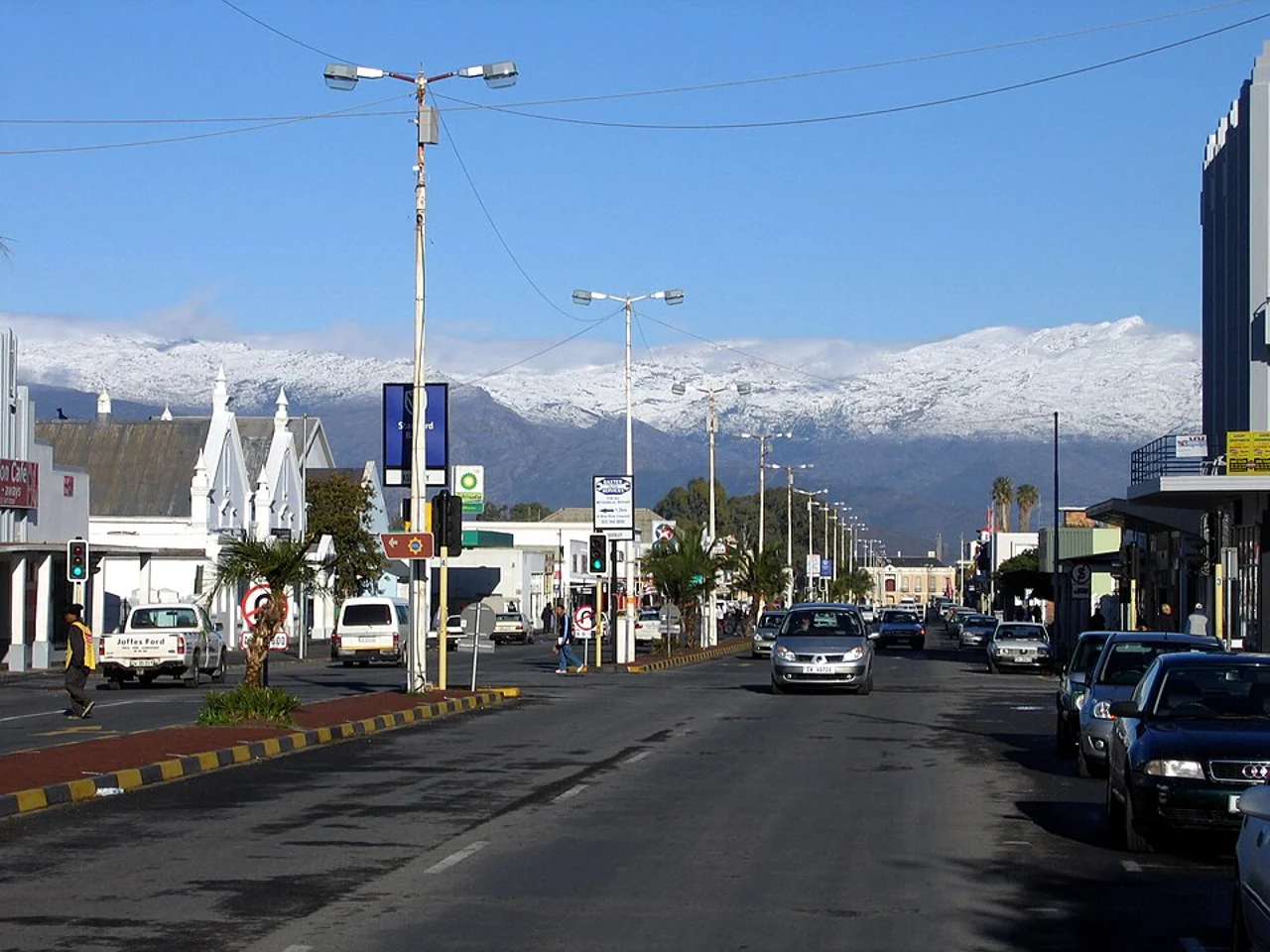
Worcester: arid-region plants and different habitats
The Tatilmerkezi Stork proposes a small, focused town base in Worcester in South Africa's Western Cape, unrelated to its namesakes in Britain or America. The programme centres on two different observation needs at Karoo Desert National Botanical Garden: form and adaptation in arranged plant displays, then relationships within wider habitat settings. This is not a national wine tour with the town name replaced. It serves readers wanting to separate collection arrangement from nature observation and connect the days with a specific regional meal. For two full days, consider three nights: settle in on arrival, visit on the next two days and depart on the fourth calendar day.
A distinction matters for travellers seeking museum demonstrations: current daily activities or interior access at Kleinplasie were not verified for this preparation. Activities described in an older institutional brochure are not placed in the itinerary as certain present offerings. This is an independently valid garden-and-town programme. SANBI's current visitor information, habitat interpretation and restaurant description provide a stronger basis. No seasonal flower, particular bird sighting or uninterrupted trail access under every weather condition is promised. Two observation days do not create more guarantees; they give you room to approach the same surroundings through genuinely different questions.
Day one: form and adaptation in plant displays
Begin with a question about form rather than completing a species list. Interpretation of arid and semi-arid plants offers a starting point for comparing leaf, stem and growth arrangement. Select two examples through labels and staff explanations. A succulent appearance does not mean that every plant has the same requirements, and a name should not automatically become home-growing advice. With children, observe fragile or spiny examples without touching. A photograph, brief drawing or personal note may be sufficient. A visitor display is also different from a working nursery or permission to propagate or take a plant home.

SANBI specifies advance arrangement for a guided visit to a particular succulent collection. If that interpretation matters, contact the institution rather than assuming ordinary entry opens every special area. Check arrival, final-entry and closing arrangements for your day. In heat or wind, a small section and a rest may be more appropriate than a long circuit. Group members need not walk at identical speeds; agree on a meeting place beforehand. Separating one labelled example from a broader landscape observation in your notes helps prevent the following day from becoming an unplanned repetition of exactly the same visit.
Day two: habitat and a different bird-observation question
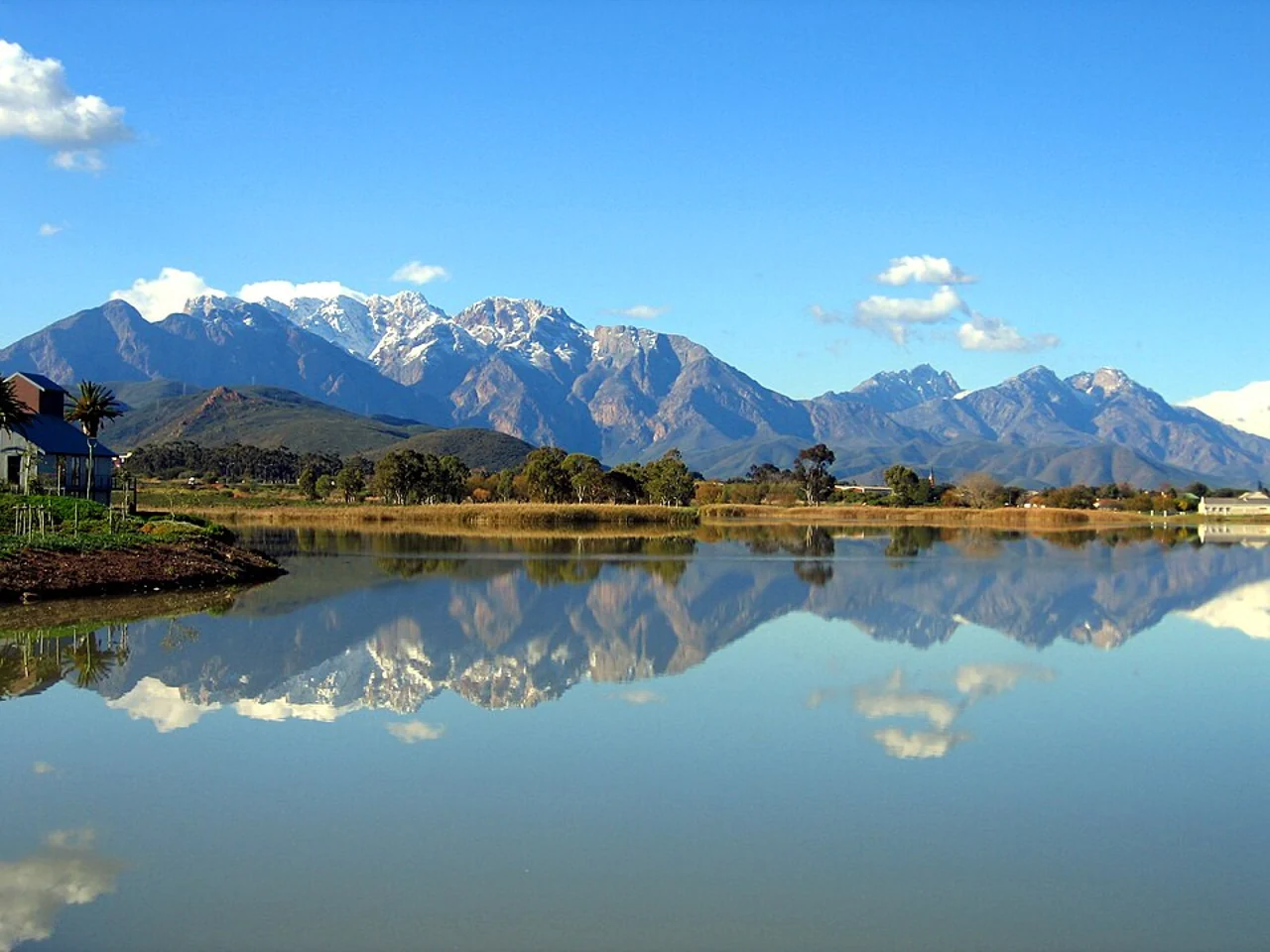
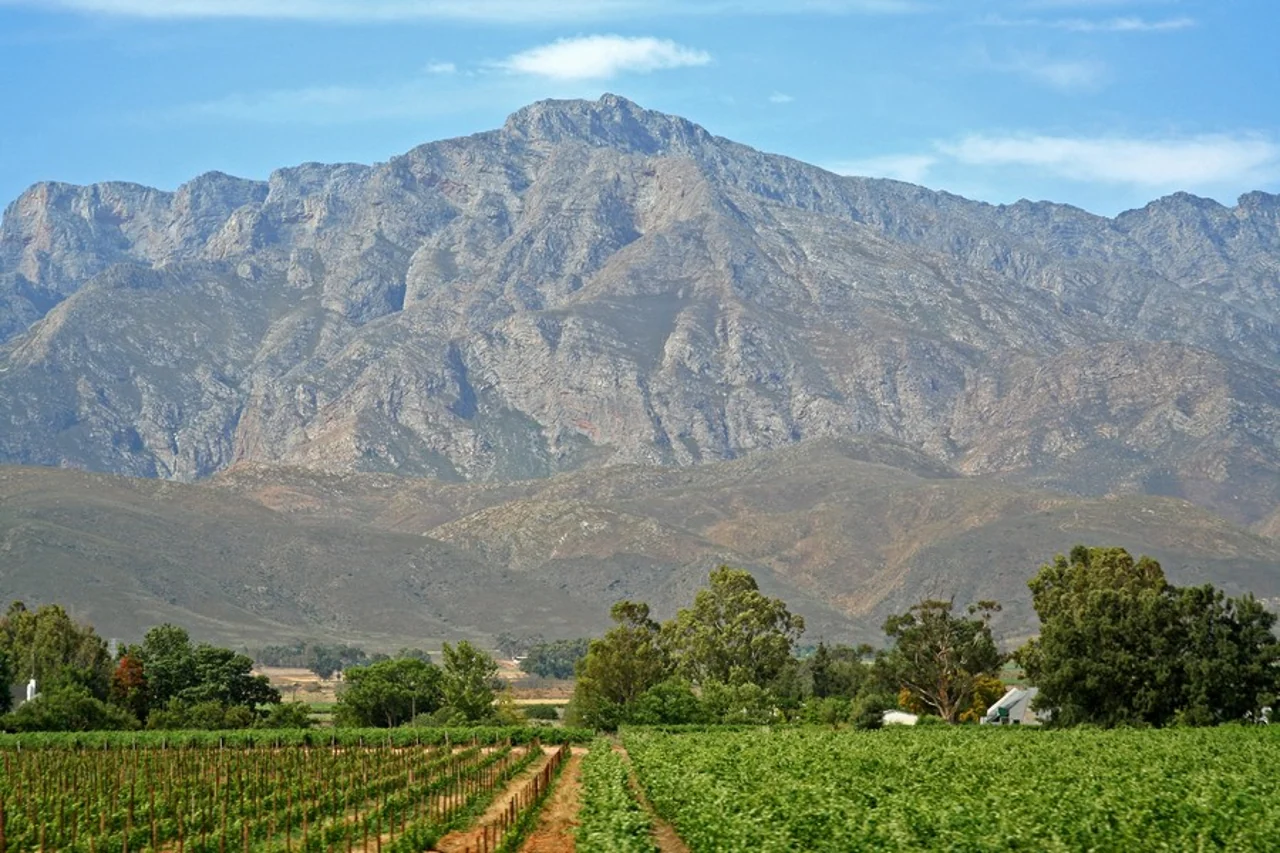
Build the second day around the contrast between cultivated display and natural-area context. SANBI's 2025 bird leaflet interprets different habitats and the Desert Birds Trail. After checking current route conditions with the institution, choose a short section suitable for your group. A species appearing on a list does not promise a sighting on your date. Listening quietly while considering vegetation and surroundings can be a worthwhile activity in its own right. Do not reduce the first day's labelled forms and today's wider habitat arrangement to an identical photographic checklist; their questions operate at different scales.
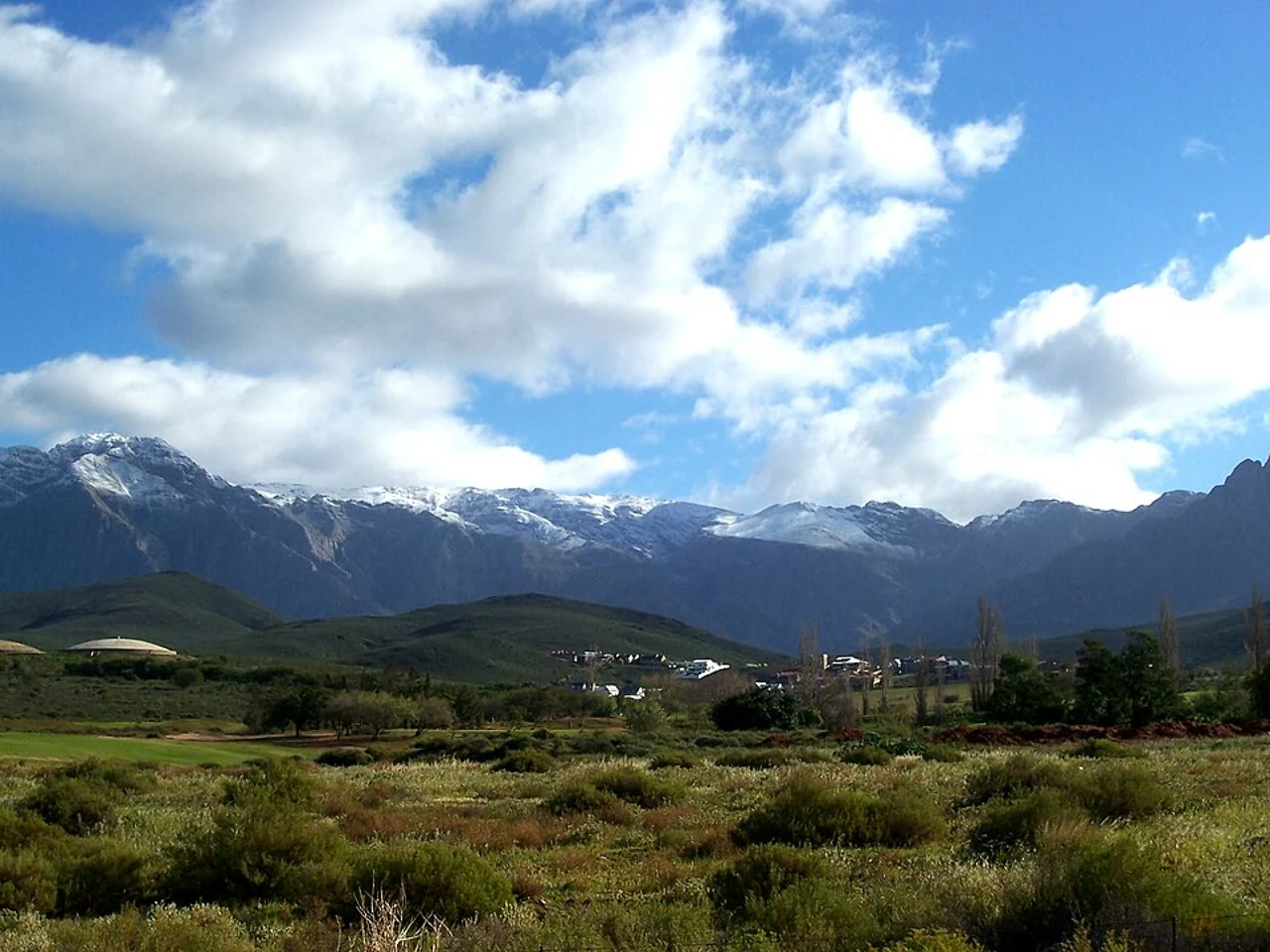

In natural areas, assume neither permission to leave paths nor to approach wildlife or collect plants. Failing to obtain a bird photograph does not make the day unsuccessful. Shade arrangement and different surfaces can support comparison too. Children may prefer a brief quiet-listening exercise to prolonged pressure to find one species. If weather or access is unsuitable, shorten the day in confirmed visitor areas. A route need not be completed simply because a two-day guide mentions it. Planning water and a realistic return comes before adding more species or extending a walk beyond the group's comfortable capacity.
A town base: High Street between the visits
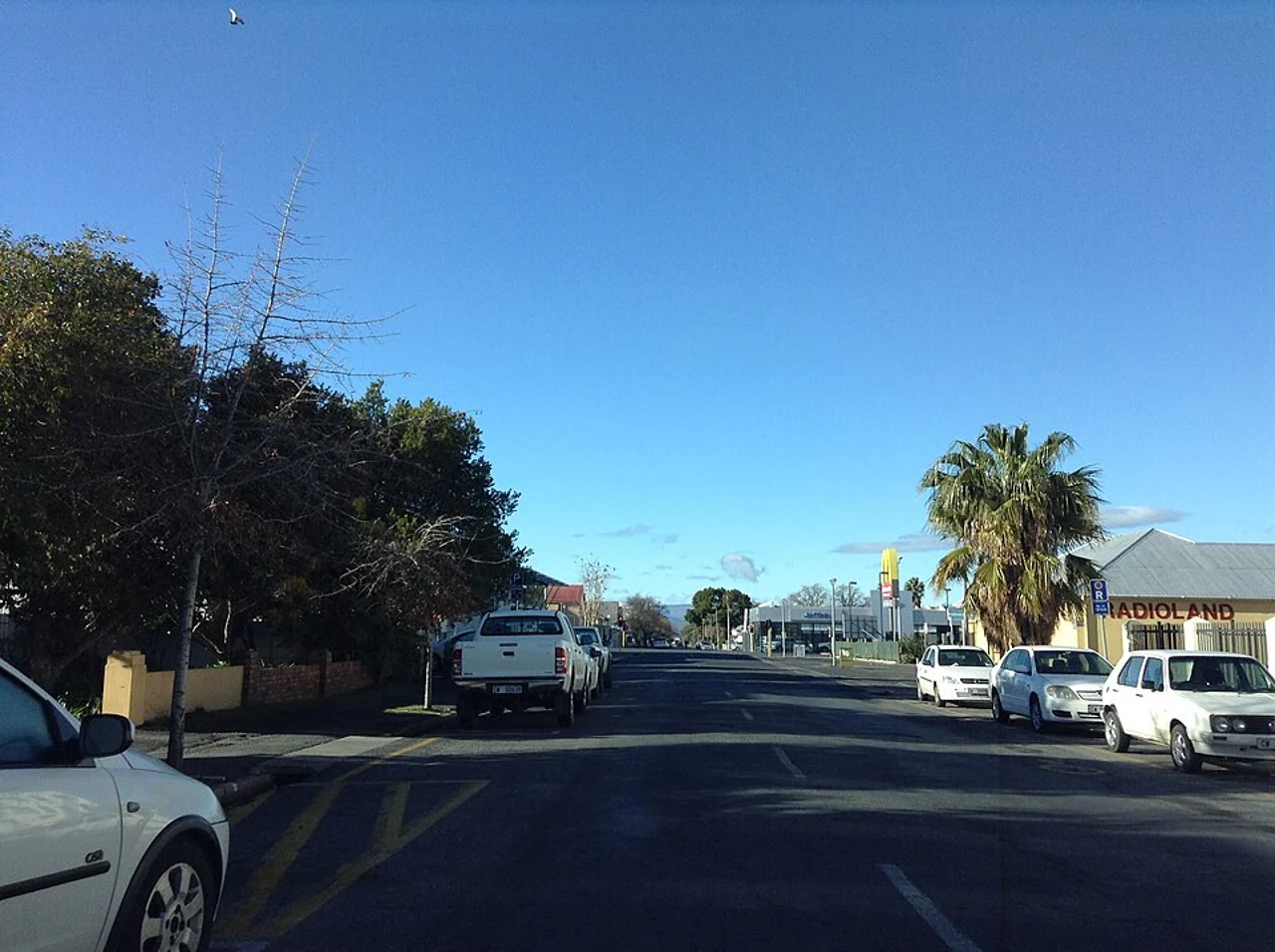
Use central Worcester as a short town context between garden days. Historic exteriors around High Street and the town hall provide a different scale from the more open natural surroundings. They are not presented as museum rooms or garden interiors. Select a real short connection from your accommodation to breakfast and the return address. A historic facade does not establish public interior access. Earlier town photographs also prove no present shopping service, institutional operation or guest-room appearance; they supply context for the settlement's fabric while leaving actual access decisions to current information.

Rather than filling the entire evening with another distant activity, arrange the following day's transport and garden conditions. Getting from the centre to the garden near Roux Road cannot be inferred from general proximity in an accommodation description. Compare real addresses and decide between walking, a vehicle or an arranged transfer against your capacity. For children, the location of rest and toilet breaks may matter. A day visitor can keep the town walk small and leave attention for the main plant focus. No claim is made that every historic building in the town belongs to one institution or offers the same visitor arrangements.
A specific meal: Karoo Proviant and regional food
SANBI identifies the garden restaurant Karoo Proviant and names regional preparations including bobotie, denningvleis and waterblommetjies. If offered on the current menu, select one and ask the kitchen about ingredients and preparation. Appearing in a promotional list does not establish unchanged daily stock. For waterblommetjies, ask separately about the product and its seasonal serving. A bobotie or denningvleis choice may connect conveniently to the first plant-observation day, but tasting every named dish in a single visit is unnecessary. An actual meal selected against the day's service is more useful than a long list treated as compulsory.

The institution asks visitors to contact the restaurant for current trading hours. Do not equate garden closing with the kitchen's final service. If its actual arrangement does not suit your day, organise a separately verified meal in town. No current prices or table reservation are promised here. Discuss allergies, dietary choices and serious requirements with staff rather than resolving them from a short dish name. Regional food interpretation does not give permission to pick or consume plants encountered in the garden. Listen to the explanation of a genuinely served meal instead of guessing that a plant in a visitor area is the same ingredient described in a source.
Transport, accommodation and choosing one day
A town-centre base may separate evening needs from two garden journeys. If choosing accommodation nearer the garden, check dinner, transport and return arrangements; a view or short distance does not make every service reachable on foot. Plan intercity arrival separately from the final connection to the garden. Specify luggage, child seats and mobility needs with a hire car or transfer. No current operation of a particular public-transport route was verified in this preparation, so neither a fixed route nor departure time is added. Compare garden visiting windows with accommodation handover arrangements to reduce the need to carry bags between activities.
With one full day, choose an arranged display section, a short habitat observation and a suitable meal. Two days make it easier to separate the questions: first an individual plant's form, then the wider environment's habitat pattern. Sources were checked on 5 October 2026; recheck special collections, trails and restaurant service before travel. The Stork suggests two notes for the journey onward: one detail seen in a labelled example and one relationship noticed at the broader scale. This garden-focused Worcester need remains worthwhile without a guaranteed demonstration, an invented museum opening or a lengthy wine circuit substituted for local observation.