
Riebeek-Kasteel: town memory and two lives of the olive
A visit to Riebeek-Kasteel need not have wine tasting as its sole purpose. The Tatilmerkezi Stork suggests reading a local museum in a former church alongside the table products of an olive producer. The first focuses on town memory; the second follows a product from agricultural surroundings towards bottles and meals. Use two nights and three calendar days: arrive and settle in, spend one complete day on town and producer, then depart the next morning. Without confirmed museum access, its exterior and the town can still be explored, but an interior collection must not be described as visited.
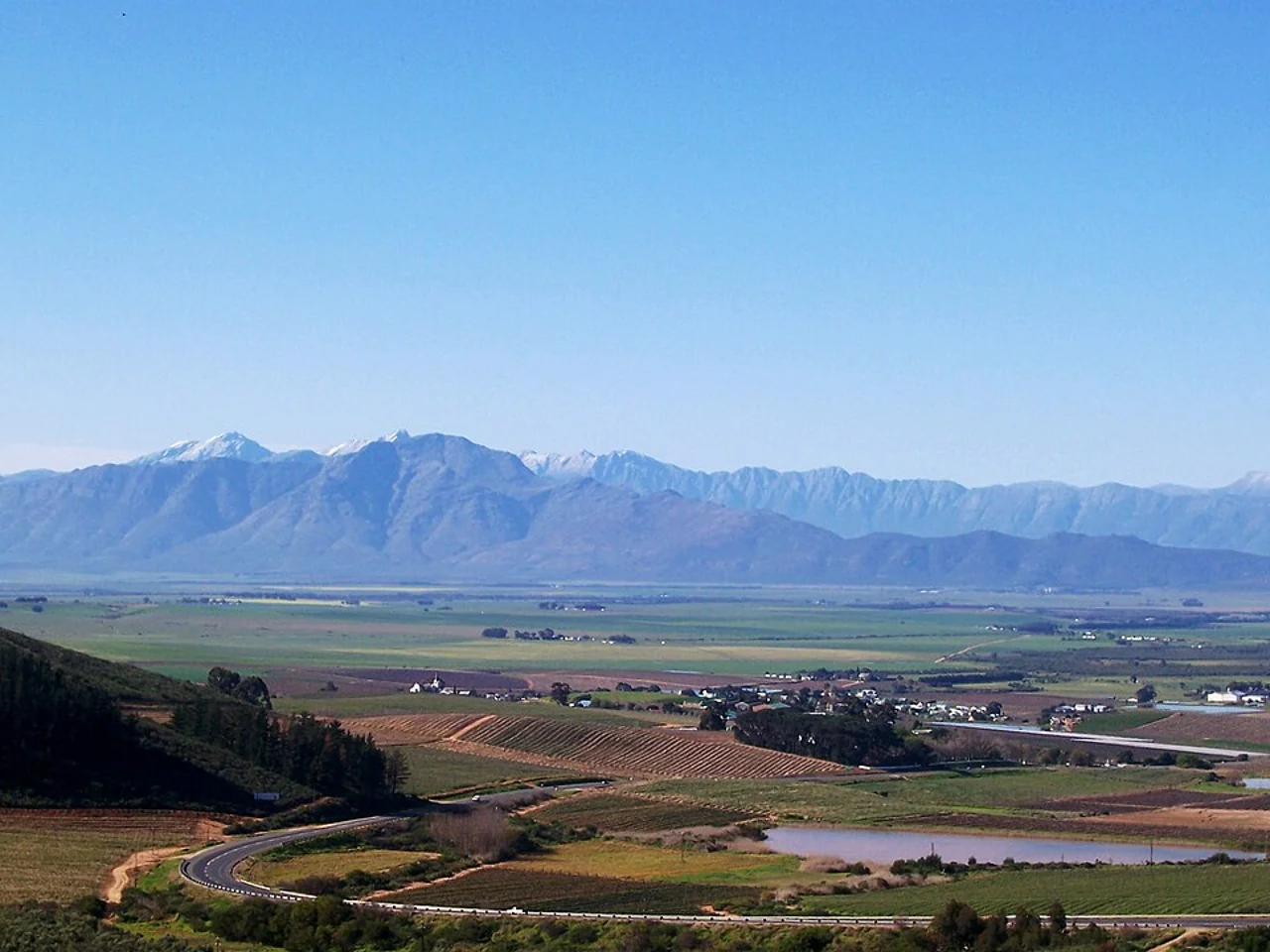
On the arrival evening, getting to know the square and the immediate surroundings of your accommodation is enough. Do not assume that a short central walk continues safely and uninterrupted to a producer address on the R46. A vehicle or prearranged transfer segment needs separate planning. Vineyards and mountain views provide useful context; green rows in a photograph establish neither permission to walk through an olive grove nor a harvest taking place today. The goal is not to collect many stops but to place one historical focus and one concrete product experience within a coherent day.
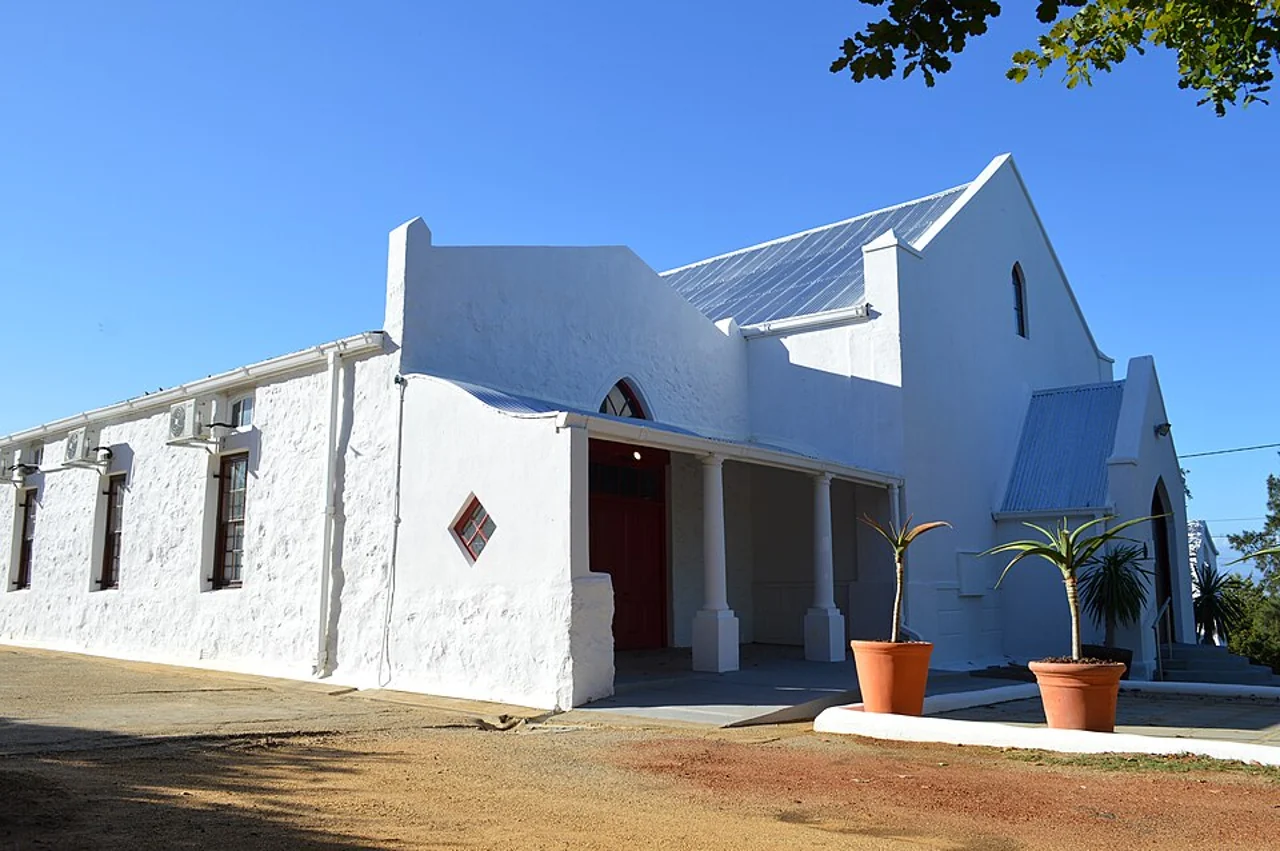
Access to Oude Kerk and Riebeek Valley Museum
The town tourism page associates Riebeek Valley Museum with the former church dating from 1856 and locates it around the R46 and Church Street. It can be the first focus of the complete day, but direct access confirmation is needed because that description does not provide a definitive current opening schedule for the museum. An exterior photograph does not establish that every internal space is accessible. Ask the institution which section is open, whether guided interpretation needs an arrangement and how much time is sensible for the visit on your chosen date.

When reading the conversion of a former place of worship into a local history institution, consider the relationship between building and collection. Useful questions concern who gathered or rearranged the objects, which communities are represented and how the interpretation relates to surrounding agriculture. Do not fill unanswered questions with guesses; use exhibit text and institutional explanations. If interior access is unavailable, the building's position, its relation to roads and its visible architecture still provide a focus for the town walk. A closed door does not need to become a promise of an open collection in order to make the visit worthwhile.
Table olives, olive oil and tapenade are different choices
Kloovenburg's own olive-products page provides a concrete meal focus. The producer describes table olives, olive oil, tapenade, other olive products and meat-and-cheese platters. Compare a table olive as a whole fruit, tapenade as a spread or accompaniment, and oil as another use of the same agricultural ingredient. Recognising three different roles at the table is more informative than simply listing bottle labels. Ask which products are offered that day and whether a seated meal is possible. The existence of an online product page does not establish availability or service for your arrival date.

Before ordering a meat-and-cheese platter, discuss sharing, portion and ingredients. Do not assume that tapenade or an olive-based product contains only olives; read the current label for salt, seasonings and other components. If comparing oils, use the method and quantity offered by staff rather than expecting an unrestricted or complimentary tasting. This guide does not rely on health claims made in producer marketing. Its practical food connection is to turn a product of the agricultural landscape into a lunch pause and understand how processing creates different uses, without presenting a purchase as a complete account of production.
A harvest tour is not the same as an October visit
Kloovenburg's tour page describes the olive tour as a March-to-May seasonal activity with advance appointment conditions. An October visitor is therefore not promised participation in olive harvesting or picking fruit. Product sales, tasting and ordering a platter are separate activities; none proves that a harvest tour can take place that day. If interested in a production area, ask which form of visit is genuinely possible for the present date. Reconfirm the operator's stated preparation and appointment requirements before arranging the journey around a particular activity.

The same page may describe other agricultural or cellar visits, but they are not compulsory additions to this olive-focused day. Adding multiple tours expands transfer, waiting and meal time. Tasting-room and restaurant service days on producer pages are not identical, so this itinerary supplies no single guaranteed closing time. Direct contact through the operator's current channel produces a more dependable plan. If buying a bottle or jar, use its label to understand transport, storage and luggage considerations. Taking a product home can continue the experience, but a retail purchase alone does not mean that the production process has been observed.
The square, transport and choosing accommodation
Think of the museum-to-producer day as two transport components: central walking and short pauses, followed by a separate vehicle or transfer decision for the R46 address. A map distance does not establish comfortable walking for all visitors; roadsides, shade and safe crossing points matter. Agreeing parking and meeting points beforehand avoids spending much of the day searching for entrances. If adding alcohol tasting, arrange a sober driver or return transfer. The olive-focused route does not require alcohol consumption, and its historical focus should remain distinct from a general wine itinerary.
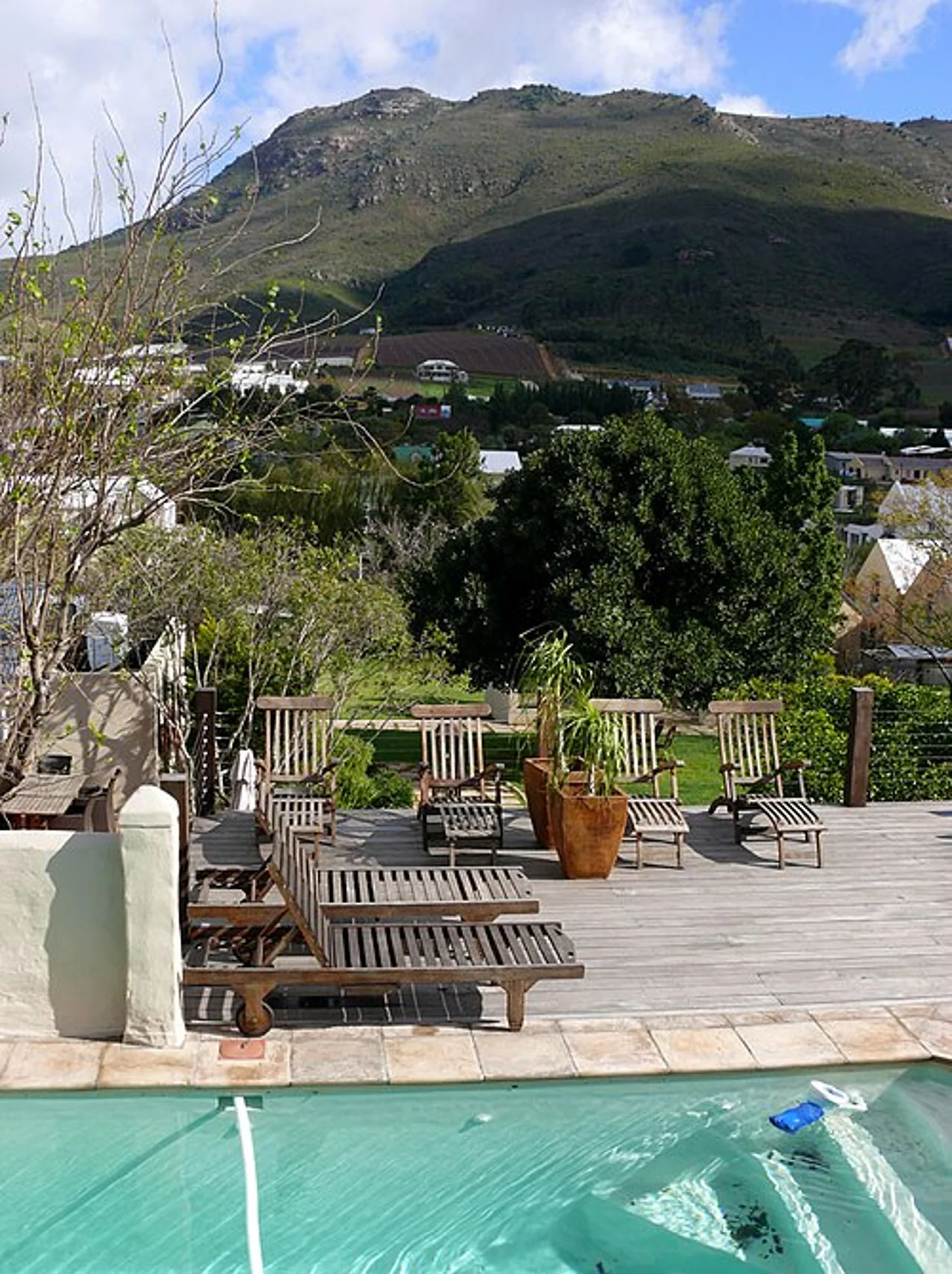

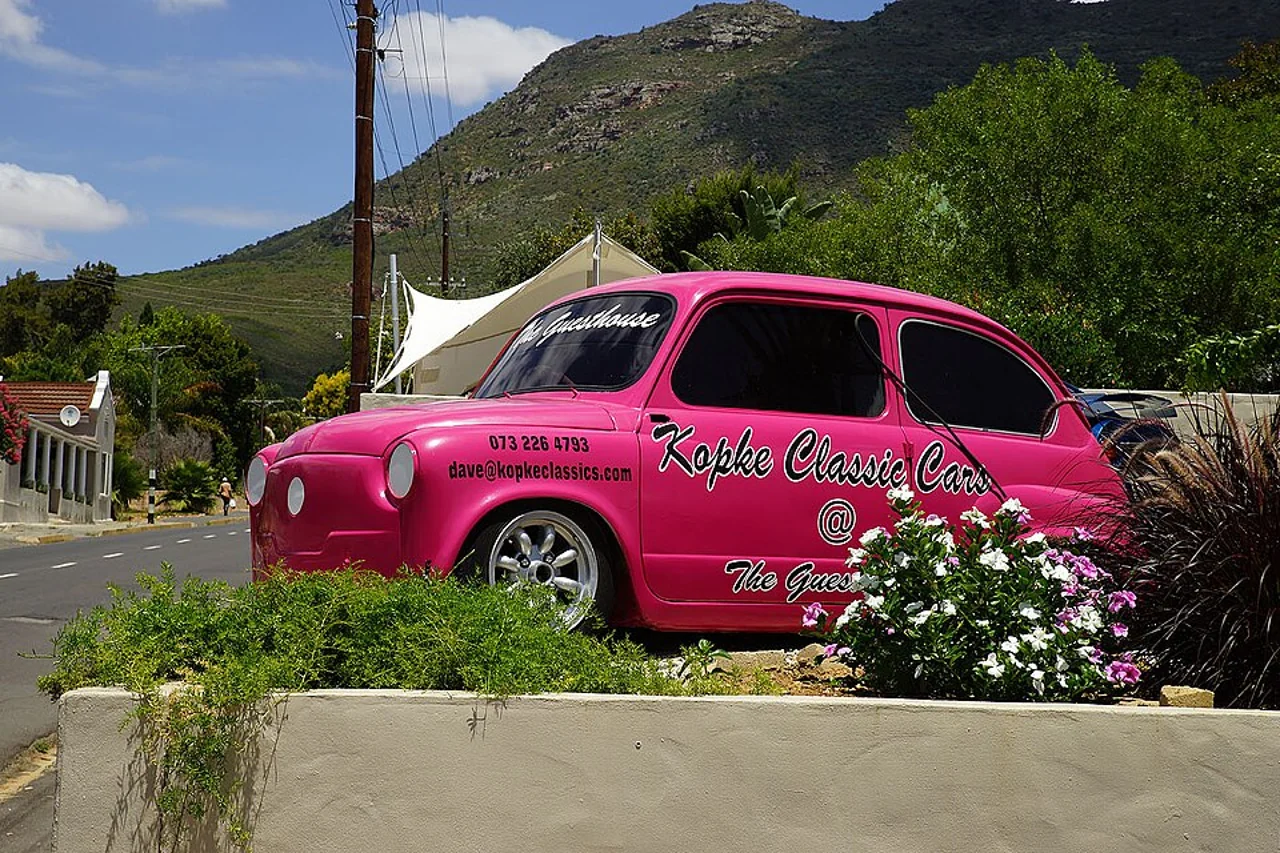
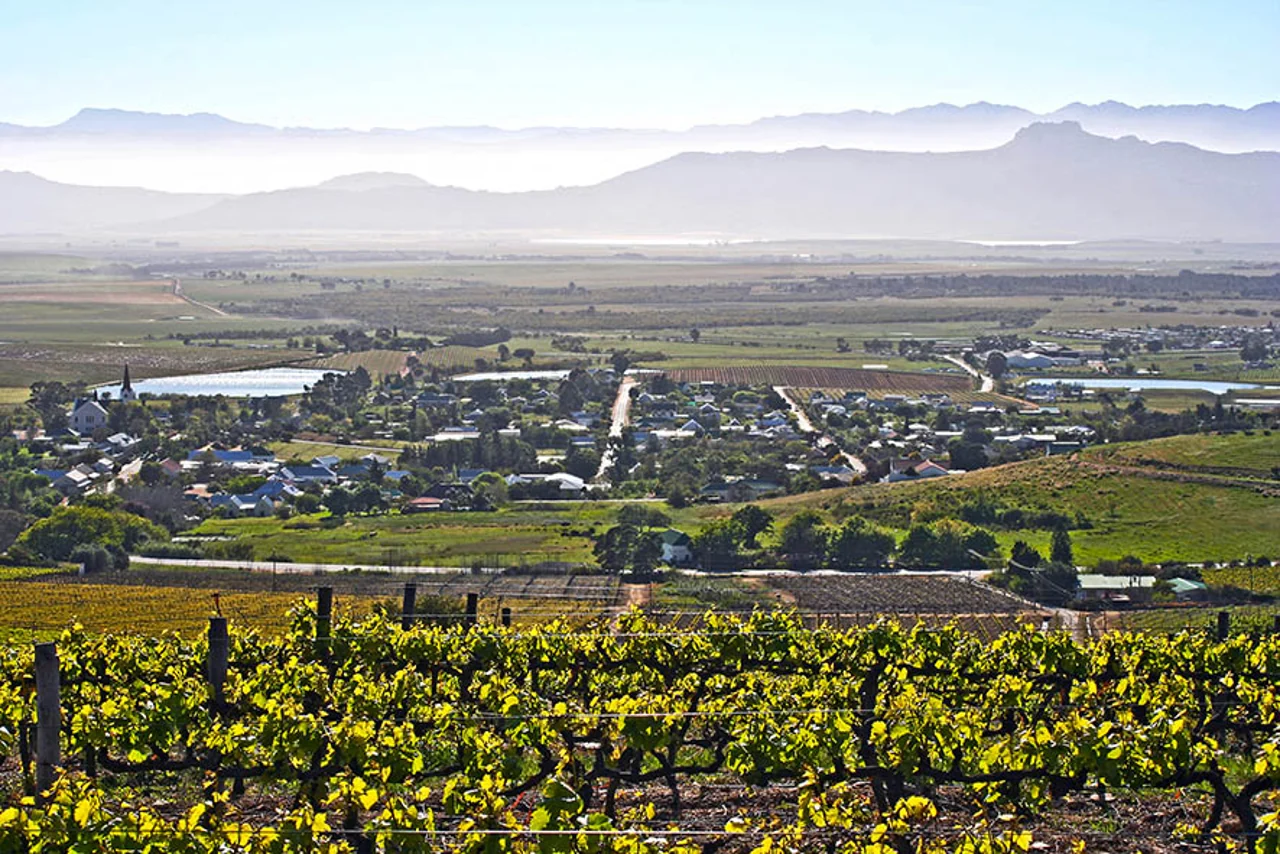
An address around the square may suit travellers seeking small town breaks on foot. Vineyard or rural accommodation can offer another setting but may increase the need for transport to the museum and dinner. A pool or mountain view in an older photograph does not prove the outlook from your chosen room or public access to that place. Discuss late arrival, dinner and key collection directly. Returning to the centre for an ordinary street walk after a producer visit can provide balance: it keeps the town day from being reduced to one business and gives a chance to connect the product landscape with everyday settlement.
Departure morning and a short preparation list
Keep the third calendar day for breakfast, luggage and departure. Complete essential shopping without making the onward journey dependent on an unconfirmed store opening. If the museum is accessible only on a different day, the dates of this two-night itinerary may need to change; do not add an extra full day before confirming access. In rain, shorten the town walk and spend more time at a verified open indoor focus. In good weather, maintaining a short central walk before or after the producer visit reinforces the connection between the two parts of the day.
The Stork's preparation list consists of museum access, the products and service offered for the travel date, the harvest-tour season, a safe transfer and the actual accommodation address. Read geography through the local product and institutional history through the old building. Image dates appear in captions; one R46 photograph has conflicting source-description and file-date information, so no definitive year is claimed. This preserves historical context without inventing current service promises. The distinctive town day rests on a measured relationship between one old structure, an ordinary central walk and the different table forms of the olive, rather than an interchangeable list of tasting stops.