
Swakopmund: two unhurried urban culture days
Tatilmerkezi Stork invites you to build two Swakopmund days around a museum and a reading room, rather than compressing a whole Namibian journey into a coastal stop. Use the first day for the waterfront museum and a short central walk, and the second for a focused morning at the Sam Cohen Library and Archives. Leave space for sea air and a proper meal afterwards. Three nights can separate arrival and departure from the two complete days. If you have only one day, choose the collection visit or the library focus instead of reducing both to hurried photographs outside their doors.
This framework suits travellers interested in books, old maps, streets and small museums. Walking need not become an compulsory target for every companion: one person might pause outside while another follows a collection question. Two people do not need to admire the same object. Choose one question each on the first evening and compare your observations over the next meal. This city guide does not repeat the country itinerary’s Walvis Bay branch, safari or desert activities. Remaining within the city is a worthwhile choice for a short stay, protecting rest and transfers while making room for closer observation.
Swakopmund Museum: start with one collection question
The institution places the museum at the Mole waterfront, with its entrance facing the ocean. Natural, archaeological and cultural collections allow different approaches. The official page checked on 4 October 2026 listed daily visiting from 10am to 5pm; confirm last admission, accessible sections and any mobility arrangements for your actual date. The schedule does not guarantee that a particular display or guide will be available every day.
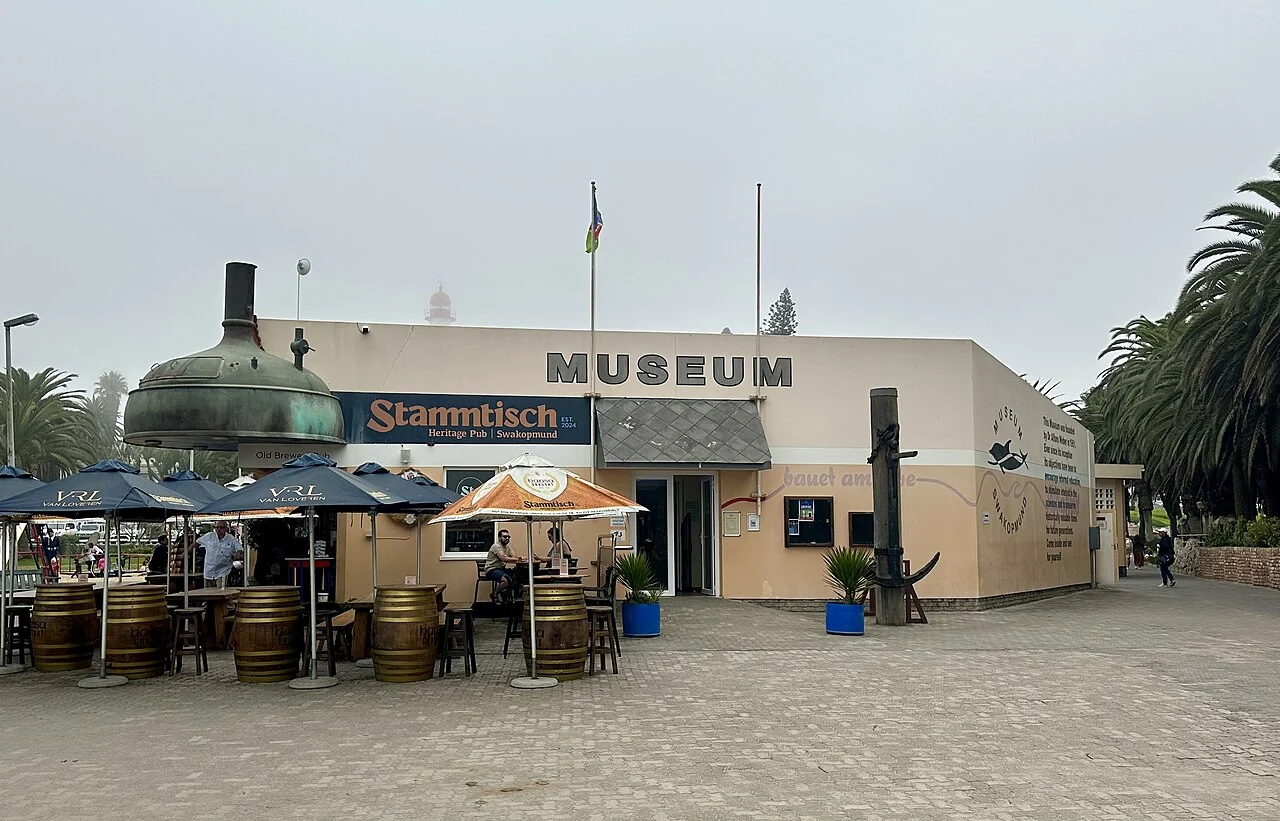

Choose one main theme inside, such as the surrounding natural environment, changing transport or the way cultural objects are explained. Reading one object closely and writing two notes afterwards can be more useful than trying to finish every label. With children, suggest a possible material or purpose before checking the explanation; do not assume touching is permitted. Distinguish the collection’s description from your own interpretation. Ask separately about taking photographs and publishing images of displays. Afterwards, pause somewhere seated, drink water and reduce the following walk to match the group, rather than rushing directly into another demanding indoor visit.
Sam Cohen Library: a focused second morning
The Sam Cohen Library and Archives stands at the corner of Sam Nujoma Avenue and Windhoeker Street; the institution identifies the Windhoeker Street entrance. Reference works are used in the reading room rather than borrowed. Place this morning on a weekday, considering the stated 1pm to 2pm closure. Do not confuse the separate Goethe lending section’s membership arrangements with reference materials; discuss specific research and copying requests in advance.


Choose a narrow question for one morning: an old street name’s documentary counterpart, a newspaper period or the area represented by a particular map. Explain what you are seeking clearly and briefly. First establish whether suitable material exists and how it can be accessed; not every document can be produced immediately. Bring a notebook and any necessary glasses rather than a large bag that makes working awkward. Record a document’s date, title and citation. Permission to make a phone record does not automatically grant the right to publish someone else’s image online. A short central street section after the reading session can balance a concentrated morning without adding another demanding institution.
Central streets and the jetty: move from culture to coast
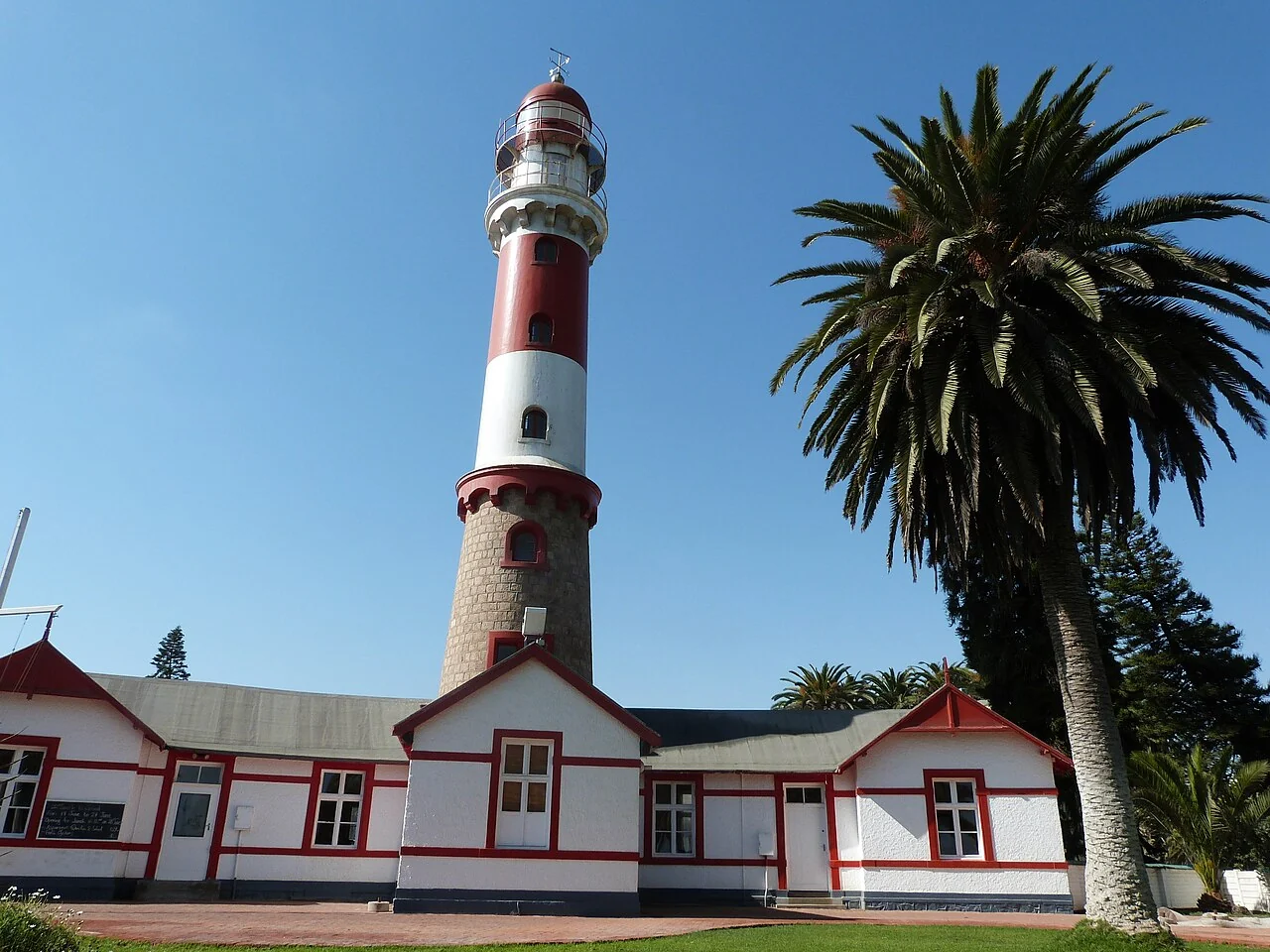
Use a brief central street section on the museum day and a coastal pause after the library; there is no need to repeat the same walk twice. The red and white lighthouse can be an exterior meeting landmark; this guide promises no climb inside. Viewing the jetty from the shore may be sufficient, depending on weather and current access. Do not continue into wet or closed sections. Step aside for photographs without obstructing traffic, pedestrians or entrances to businesses.


A coastal walk is not a swimming plan. Carry a clothing layer appropriate to wind, waves and visibility, and keep an indoor or sheltered pause available. For a family, a brief observation of stones and waves may be more comfortable than a long waterfront circuit. Shorten the walk and have a seated meal if conditions deteriorate. Seeing a building’s façade does not mean its interior is public. Notice the difference between currently used shops, homes and public spaces rather than treating older streets only as scenery; watching respectfully without interrupting daily life is part of experiencing a city.
Kabeljou and oysters: fit a meal into the route
The Namibia Tourism Board’s 2015 food feature names kabeljou in coastal cuisine and oyster production between Swakopmund and Lüderitz. It is regional food context, not a current restaurant menu. If offered on your visit, ask how kabeljou is prepared, the portion size and accompaniments; consider oyster storage and serving conditions. Explain seafood allergies clearly and request a cooked option if you do not want raw products. A regional association does not make a dish suitable for every traveller.


Place breakfast before the museum and a seated main meal afterwards on day one. On the second day, finish the reading session and move to lunch rather than forcing a visit into the library’s midday break. Companions with different dietary needs can share a small taste and order separate main dishes. Drinks and sweets need not replace a complete meal. If a particular product is absent from the current menu, choose another suitable dish instead of travelling far to complete a checklist; a well-rested afternoon matters more to this short cultural route than a strenuous tasting circuit.
Arrival, accommodation and a flexible calendar
If your air ticket arrives at Walvis Bay, arrange the connection to your accommodation’s actual entrance beforehand; this guide guarantees no direct flight, fixed shuttle, duration or fare. For a road arrival, consider daylight, fuel, road conditions and rental coverage. Official travel advice highlights wildlife, gravel roads and rural night driving. Avoid adding a long drive to an already full walking day; the arrival evening can simply be for settling in and eating nearby.
When comparing central rooms, examine the actual connection to the museum and library doors, the return from dinner, noise and stairs. A sea view may be attractive, but quiet and a practical departure can matter more before a research morning. Discuss late arrival and luggage storage directly with your accommodation. Build the two full days around a weekday library session; for a short weekend visit, choose the museum and open-air section instead. Keep valuables out of view, arrange dependable transport and revisit institutional notices before travelling. Each companion can keep a simple fallback: a shorter outdoor pause, a seated meal and a return to the room. This makes adjustment possible without turning a closed door or poor weather into a failed holiday.