

Paraguay's first planning decision is to know one region properly instead of attaching both the eastern border and the Chaco to a short trip. Tatilmerkezi's Stork builds this country introduction around seven days in Asunción and its surroundings. Waterfalls, a river and a dry Chaco landscape illustrate variety; they are not all proposed for the same week. Rather than repeating a city's street-by-street guide, the article explains how a base, travel day, local meal and alternative regional choice fit together.
Seven days: Asunción and its surroundings
Day one is arrival, an arranged transfer and dinner close to your hotel. Day two can introduce central Asunción in daylight with a short riverside viewing stop. Give day three to a neighbourhood lunch and more city time. On day four choose an Areguá or San Bernardino outing around Ypacaraí, with a daylight return already arranged. Day five leaves room for food and cultural interests rather than another shopping checklist. Day six is a buffer for weather or transport; if unused, it can hold a short additional city outing. Day seven is departure.
The example does not require sleeping in a different town every night. One Asunción base lets you explore nearby areas without moving all your luggage. Monday and Ñacunday Falls are eastern alternatives requiring their own accommodation and transport days. The Chaco calls for another programme again. Turning the buffer into a long border excursion would undermine the initial plan. Reducing a list when weather or roads change can be a successful travel decision.
Accommodation: arrange evening returns and connections
When choosing an Asunción hotel, assess an address around Villa Morra or another service area together with restaurants and daylight transport. A neighbourhood name does not guarantee safety. FCDO guidance checked on 4 October 2026 advises avoiding isolated or poorly lit urban areas at night and calling a taxi through a reliable place such as a hotel. Spending daylight in the historic centre and returning there on foot after dark are different decisions. Arrange transport in advance after a late flight.
If you choose a Ypacaraí-area overnight stay, replace an actual capital night rather than pretending it creates an extra day. A lake view matters alongside access to dinner, the last transport stop and room facilities. Sleeping beside water does not establish that swimming is possible. Use the services and return arrangements confirmed in your booking instead of assumptions drawn from a photograph.
Ypacaraí: a landscape outing, not a swimming promise
The archive image depicts Ypacaraí Lake; the 2007 upload information is not presented as an exact capture day. A visit around Areguá or San Bernardino can focus on viewing the shoreline and a local meal. FCDO advises checking current official guidance before swimming in the lake, so this guide does not say its water is suitable today. On a wet day, shorten the outdoor block and return to food and a brief settlement visit without missing your connection.


Paraguay River: understanding the capital's waterside setting
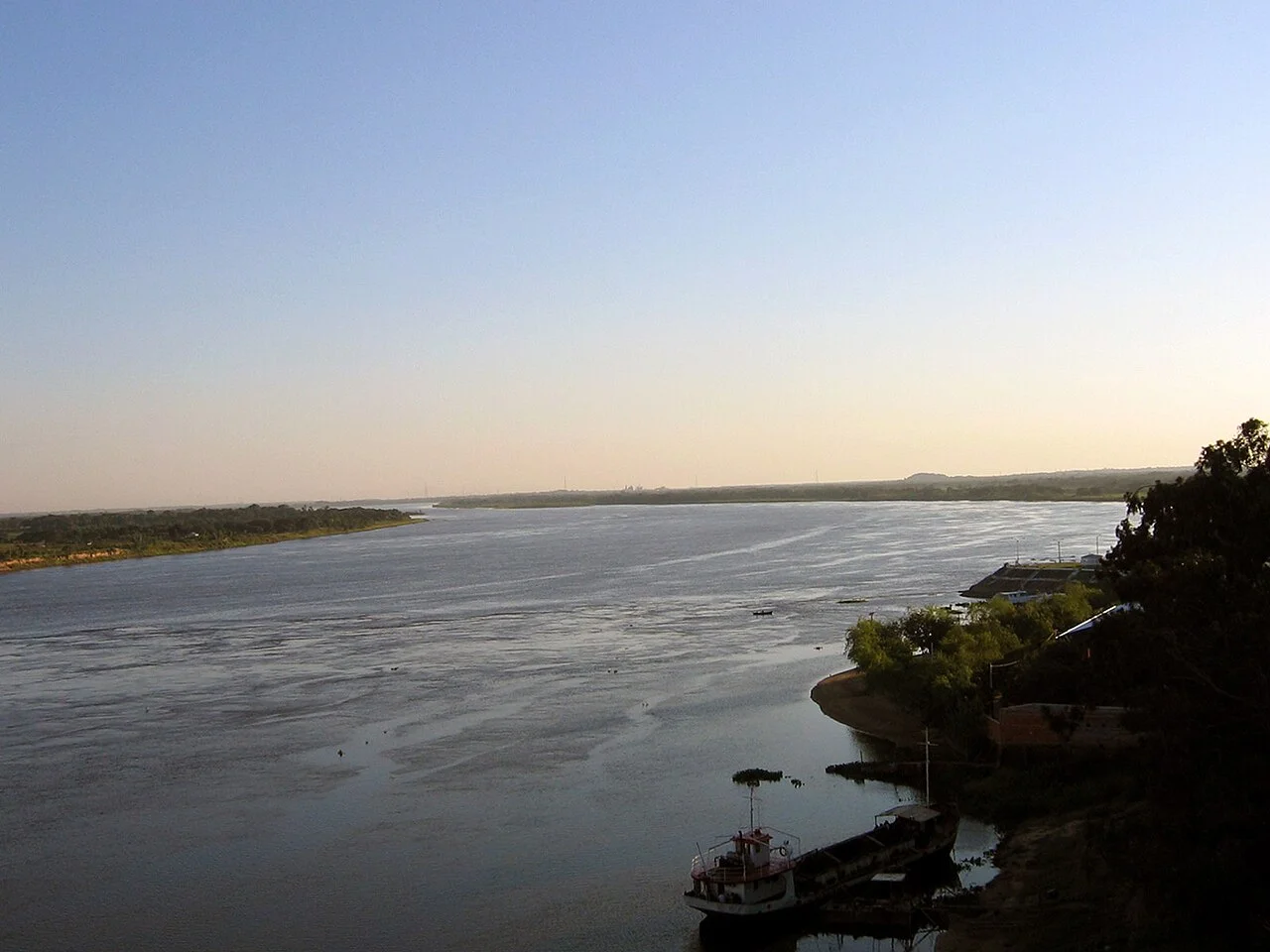
The April 2004 photograph was taken from a bridge near Asunción. FCDO explicitly describes the Paraguay River around the capital as polluted and unsuitable for swimming. The suggestion here is a daylight view from an appropriately accessible point, not entering the water. Nor does the image prove a boat service, landing stage or safe walking route exists. Match a short viewing stop to lunch and let sunshine, rain and return transport determine the length of the day.

Monday and Ñacunday: a separate eastern journey
The Monday panorama depicts the falls around Presidente Franco; the Ñacunday photograph shows a different waterfall. They are separate scenes, not two crops of one location. SENATUR's waterfall route treats them as distinct stops, while MADES's current Ñacunday park page notes road sections that are difficult to negotiate in rain. This guide consequently promises neither both falls nor a return from Asunción in one day. If the east is your priority, rebuild the accommodation base and transfer days from the beginning.


Read the regional context alongside this option. FCDO calls for particular care because of organised crime and increasing violence along the eastern Brazilian border; Alto Paraná is among the named areas. It separately discusses EPP activity in northern San Pedro and southern Concepción. A nature photograph should not become a visit recommendation without current local information, daylight travel and reliable arrangements. Casual border crossings, rural night drives and waterfall swimming are not part of this programme.
Chaco: a tree suggests another time budget
The November 2002 Ceiba photograph is from the Paraguayan Chaco and is not attributed to a particular national park. A reader interested in this region needs accommodation, vehicle and support arrangements different from the Asunción example. Discuss transport, water and communication needs with an appropriate operator rather than turning interest in a dry landscape into a hurried day trip. Rural roads may also change in rain. This introduction is not a remote driving manual; it first asks you to allocate real days to a Chaco choice.


Local meals: chipa and sopa paraguaya
SENATUR food sources include concrete choices such as chipa, sopa paraguaya and vori vori. Give chipa a small breakfast or pre-journey pause; the source identifies cassava starch and Paraguayan cheese as principal ingredients. Despite its name, sopa paraguaya is a savoury baked preparation rather than a bowl of liquid soup, with corn and cheese among its ingredients. Vori vori offers a separate soup choice for another meal. There is no need to collect every named dish on one plate.
A capital lunch pairing sopa paraguaya with the actual menu's main dish, followed by a smaller chipa stop on the next day, can suit the transfer rhythm. Travellers avoiding meat should investigate cooking fats and other ingredients; names do not establish vegetarian or allergen suitability. The photographs show landscapes, while meal suggestions use separately checked official sources. No particular restaurant, price or opening hour is guaranteed.
Roads and source note
FCDO identifies Terminal de Omnibus Asunción as the main long-distance bus terminal. Plan the hotel connection separately from the ticket. Road blockades and heavy rain can affect movement; follow local authorities instead of attempting to get around an obstruction. Sources were checked on 4 October 2026, and the photographs retain their historical dates. A first Paraguay week's value lies in a coherent introduction to the capital and nearby rhythms, rather than finishing the whole country.