
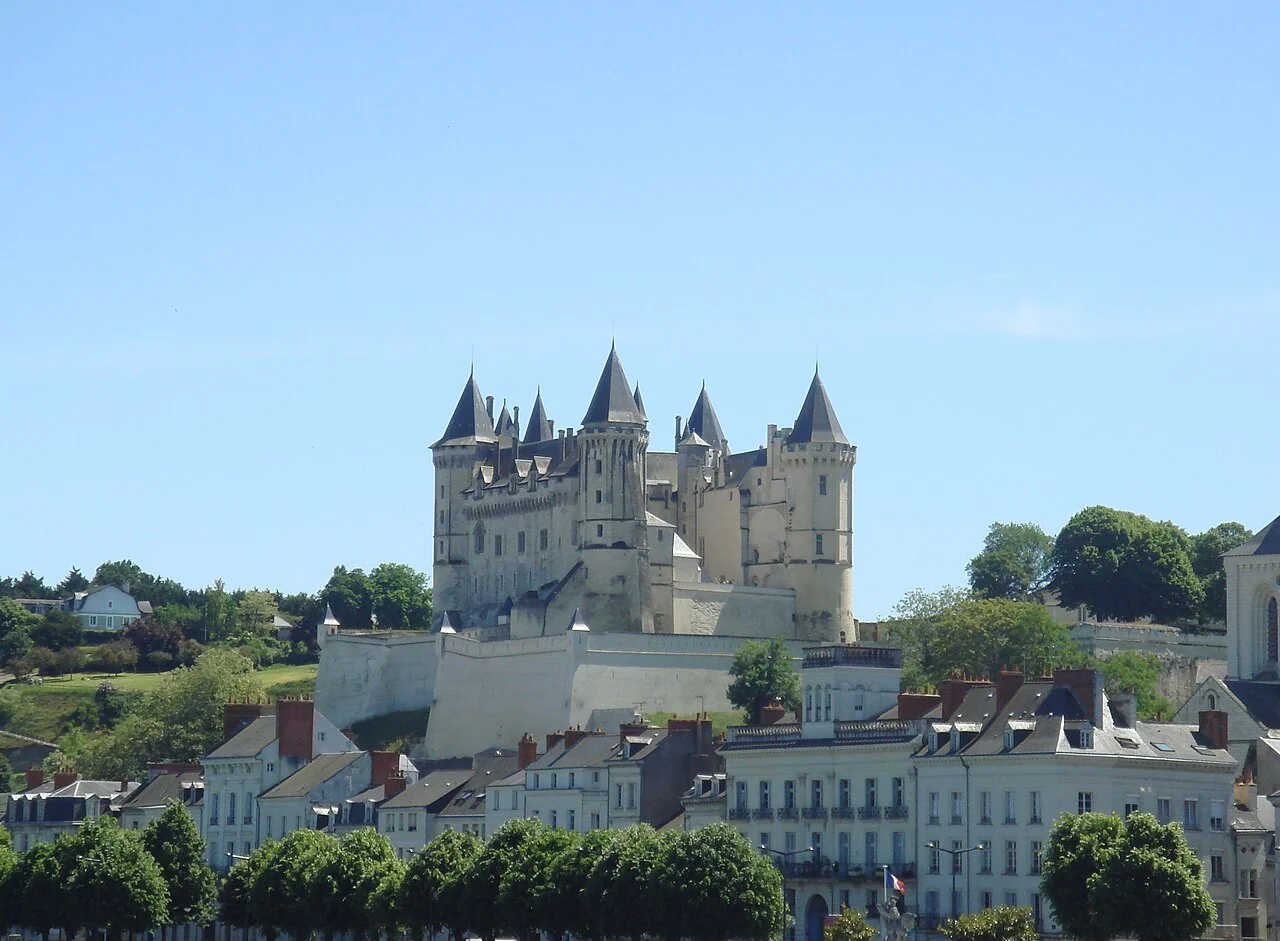
A rewarding day in Saumur can be measured by the rhythm you find between the Loire and the château above it, rather than by the number of doors you enter. This guide is for travellers arriving through Angers or Tours who want a manageable day, or one overnight stay, built around walking, a museum and a concrete Anjou meal. Start by settling the transport, choose one main indoor visit, and leave room for the old streets and riverfront. You do not need to fit every attraction into a single afternoon. Leylek's suggestion is to put down your luggage before following the château skyline; the practical details become easier when you are no longer carrying the whole journey on your shoulder.
Arrive at Gare de Saumur and plan the return first
Check that the destination on your rail ticket is Gare de Saumur. The château's official access page identifies TER connections towards Nantes, Angers and Tours, but your own departure, connection and arrival should be checked for the date you travel. A published journey time is not a promise that every train follows the same pattern. For a day trip, save the return departure before choosing a late museum slot. If dinner is part of the plan, allow time afterwards to reach the station rather than treating the end of restaurant service as the beginning of an effortless connection.
Decide between walking and the bus according to luggage, weather and mobility. The château's access information describes line A from Résistance–Gare to Château. Check the current OGALO timetable and service notices as well: an institution's directions do not guarantee that every stop is operating normally on your particular day. Walking beside the river and climbing to the château are different kinds of effort. You might prefer to tackle the uphill section while fresh, or pause near the water before making the ascent. Leave that decision to your own pace rather than an ambitious minute-by-minute itinerary.
The château: distinguish the skyline from the museum visit
Château-Musée de Saumur is the main paid cultural stop in this itinerary. Looking at the exterior and entering the collections are separate experiences; seeing the panorama does not mean you have accessed every room or the upper viewpoint. The institution's collection pages introduce decorative arts and equestrian material. Choose which interests you most before trying to inspect every display. Giving a few objects your attention is often more satisfying than moving through all the rooms simply to finish them. Remember that a historic building's circulation is different from a new museum designed around uninterrupted level access.

The programme checked on 5 October 2026 lists October–December opening Tuesday to Sunday, 10am–1pm and 2pm–5.30pm, with last admission half an hour before closing. Do not make a Monday itinerary depend on entering the museum. Access to the courtyard and upper floors involves stairs; contact the institution about your specific requirements if using a wheelchair, pushchair or other mobility support. The summer belvédère programme should not be extended into October by assumption, and a future annual closure is not evidence that the museum is closed today. Consult the official visitor information again near your travel date.
Saint-Pierre and the town hall, with room to stop
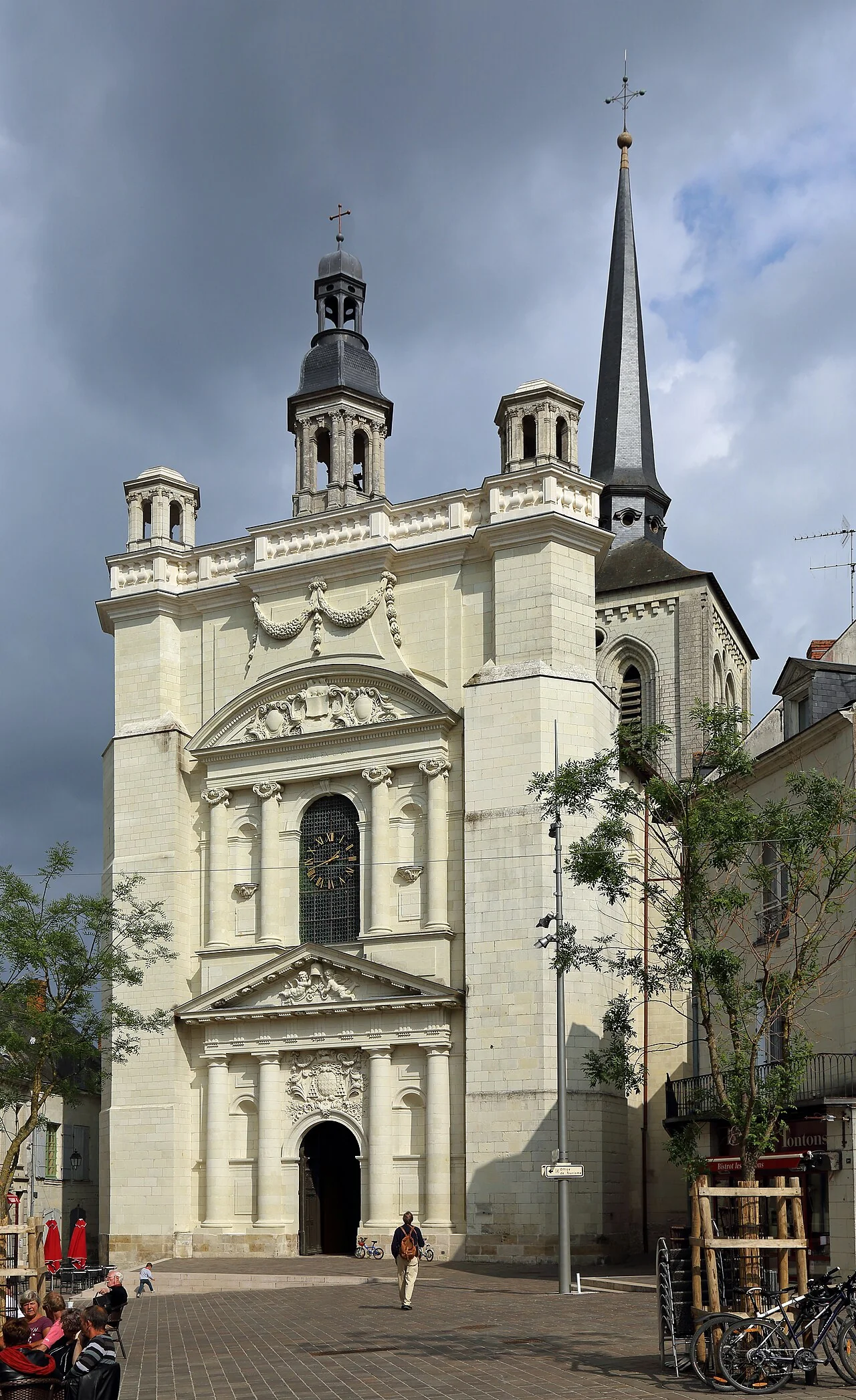
After descending from the château, approach the Saint-Pierre area as a change of atmosphere rather than another museum assignment. Follow the proportions of the square, the church exterior and the way the surrounding streets open into one another. An open door does not automatically mean unrestricted sightseeing access: worship, ceremonies or temporary work may affect entry. Making the exterior a worthwhile stop in its own right keeps the whole day from depending on one doorway. When taking photographs, leave residents' entrances and other pedestrians' routes clear.
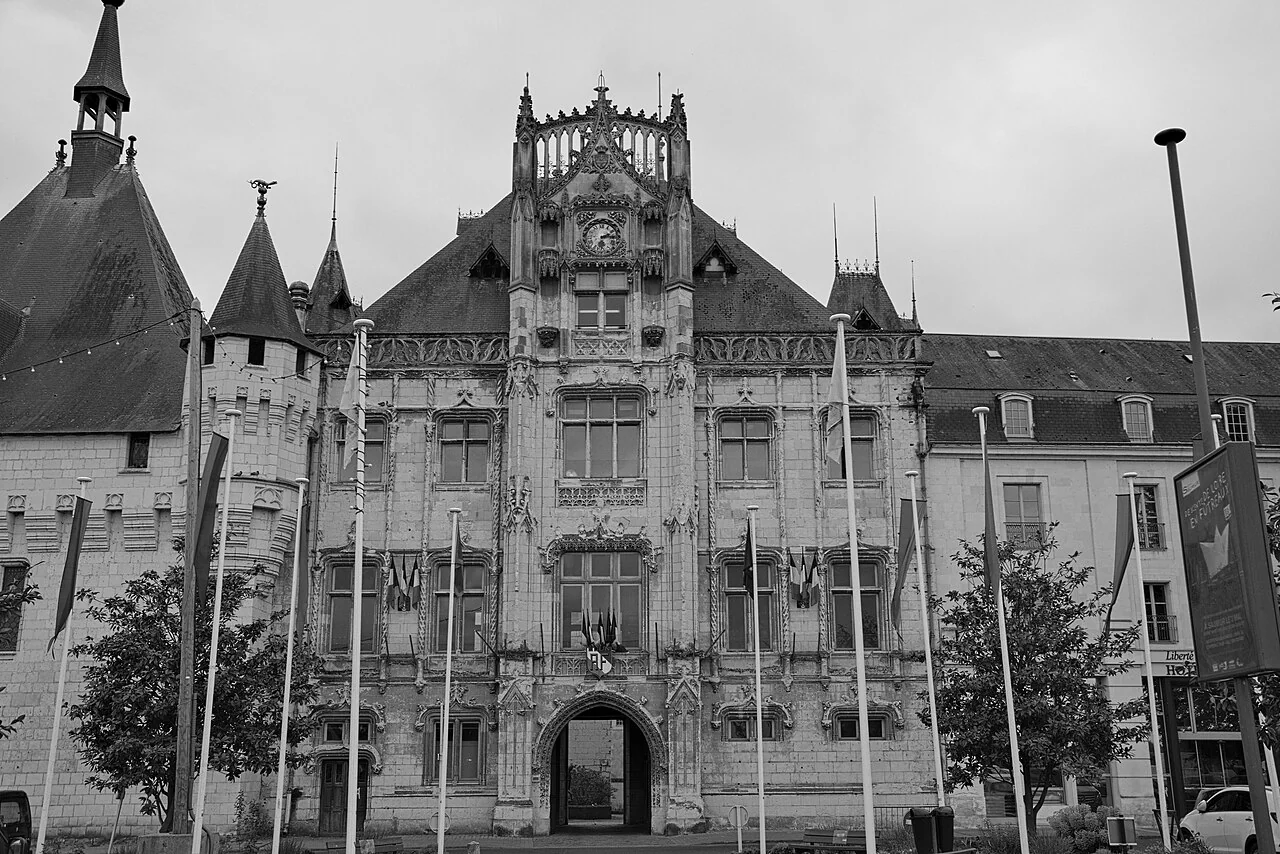

Continue towards the Hôtel de Ville and the Loire. This sequence is a suggested walk that you can shorten, not a course to complete against the clock. Pausing between stone façades, streets leading towards the river and the town hall exterior can be more enjoyable than racing to add another town. Fit shopping into these quieter intervals, but do not assume that every business has identical midday hours. A small snack in your bag can help when museum opening and restaurant service do not quite line up. The aim is to make the day comfortable, not to turn each pause into a missed appointment.
The Loire and Nantilly offer different perspectives
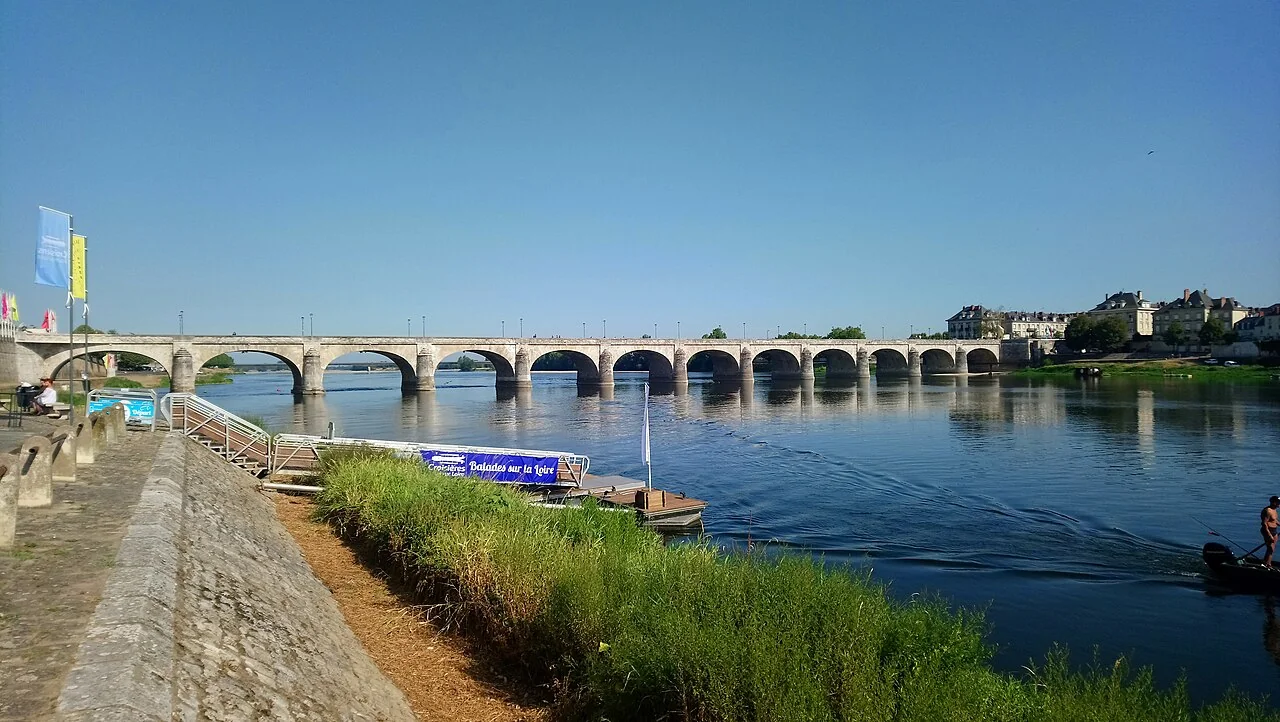
Use the riverfront for more than another photograph of the château. Looking at the water-facing townscape and the relationship between bridge and embankment brings the elevated view down to street level. This is a riverside walk, not a recommendation to swim or descend into the water. Follow local signs if wind, rain, flood warnings or temporary barriers affect the path, and do not cross a closure simply to finish the suggested route. The light and water level in a photograph belong to its capture date; they do not predict the conditions on the day you visit.

If you still have time and energy, treat Notre-Dame de Nantilly as a separate extension. The municipality describes this Romanesque church in a district outside the former enclosed town. Its setting gives the walk a different architectural focus from the central Saint-Pierre square. However, the municipal reference to summer tapestry displays is not a promise of the same exhibition in October. This itinerary relies on the exterior, with interior access and current exhibitions to be confirmed before you go. Moving Nantilly to the following morning is a reasonable way to enjoy it without stretching an already full day.
A fouées meal anchored to a real operator
One concrete food option is Les Nobles Fouées at 23 Rue Fouquet. Its own menu pairs Anjou rillauds with mogettes and fouées: a pork-containing main course, beans and small breads. Think of this as a proper meal break rather than a token tasting added between monuments. If you do not eat pork, ask directly about the vegetarian menu and what is available that day. Discuss allergens, sauces and individual dietary needs separately. Seeing a dish listed online does not establish that its ingredients suit every diner, or that a substitution can always be made.
The service pattern checked was lunch and dinner Wednesday to Saturday, and lunch only on Sunday, with Monday and Tuesday closed. The operator directs customers to its booking site or direct contact for date-specific availability. A Monday visitor should therefore not build the day around this particular restaurant. Rather than fixing a price in the guide, consult the current menu and reservation information. The photographs accompanying this itinerary are intended to show the town and its monuments; they will not be labelled as dishes served at this establishment.
Choose your base and leave something for tomorrow
For an overnight stay, decide whether walking home from the old centre matters more than an easier luggage transfer near the station. A Loire view may be appealing, but it does not establish room quietness, a lift or step-free entry. Ask about the room floor, luggage storage and check-in arrangements before booking. Drivers should also confirm the property's own parking conditions rather than applying a general city parking statement to every hotel. These details make a larger difference to a short stay than an attractive address alone.
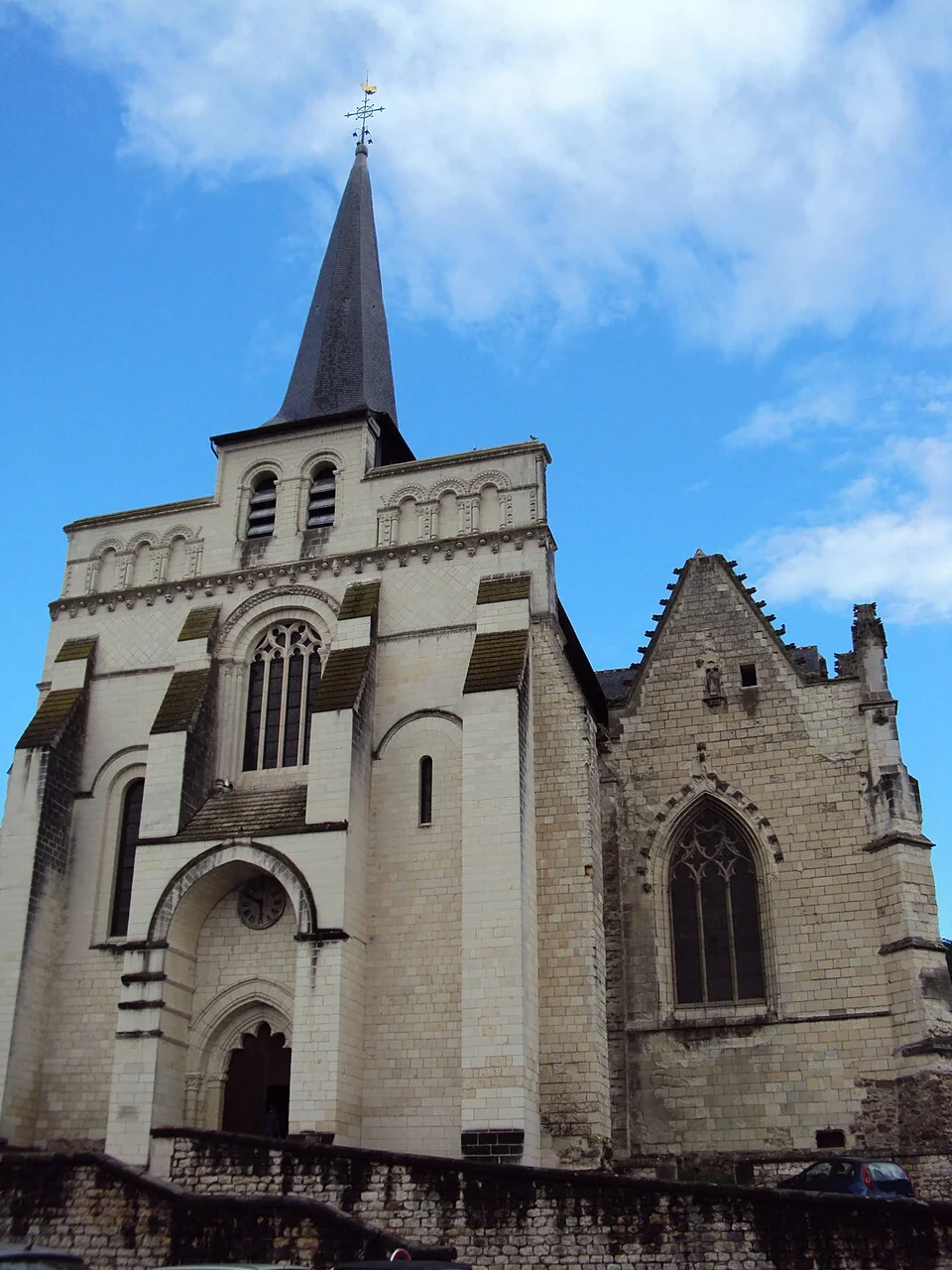

A balanced first day can stop after the château, Saint-Pierre, Hôtel de Ville and the river, leaving Nantilly for the next morning. In wet weather, use the actual museum opening periods; on Monday, shorten the outdoor walk according to conditions. Before ending the day, match the next train, meal and closure patterns once more. A well-prepared Saumur itinerary is not a declaration that everything has been seen. It is a flexible plan that lets you linger at the places you choose while respecting real access and service arrangements. The source-check date for this text is 5 October 2026; verify changing information again close to departure.