

Algeria: begin with the capital and the Tipasa coast
The Tatilmerkezi Stork suggests getting to know Algeria through a capital-city base and a coastal history day, rather than crossing the entire country in one trip. The Kasbah’s urban fabric, trees in the Hamma garden and ancient remains beside the Mediterranean offer three distinct experiences. This country guide proposes six calendar days in the north for a first visit; Oran, Constantine and the Sahara are not compulsory additions to the same holiday. A local guide’s explanation and an unhurried lunch can mean more than a long checklist. Alger or Algiers refers to the capital, whereas Algeria is the country: verify the actual location when booking. Staying near the coast does not guarantee safety. Review current advice and your own travel circumstances before committing to the itinerary.
Divide the six calendar days honestly
Day one is for arrival in the capital, settling in and a short introduction to the immediate area. Day two covers the Kasbah with a local guide; day three the Hamma garden and suitable city pauses; day four a daylight journey to Tipasa, archaeology, lunch and return to the capital. Day five offers a city visit suited to your interests or a slower rest day; day six is for departure. Of six days including arrival and departure, four may be activity days, with the Tipasa road journey included in its excursion day. Leave day five flexible instead of filling it with another distant city. If your flights consume the whole first or final day, read the calendar accordingly. A day travelling out in the morning and back in the evening is one excursion day, not two complete sightseeing days.
The Kasbah: understand a living neighbourhood with a guide
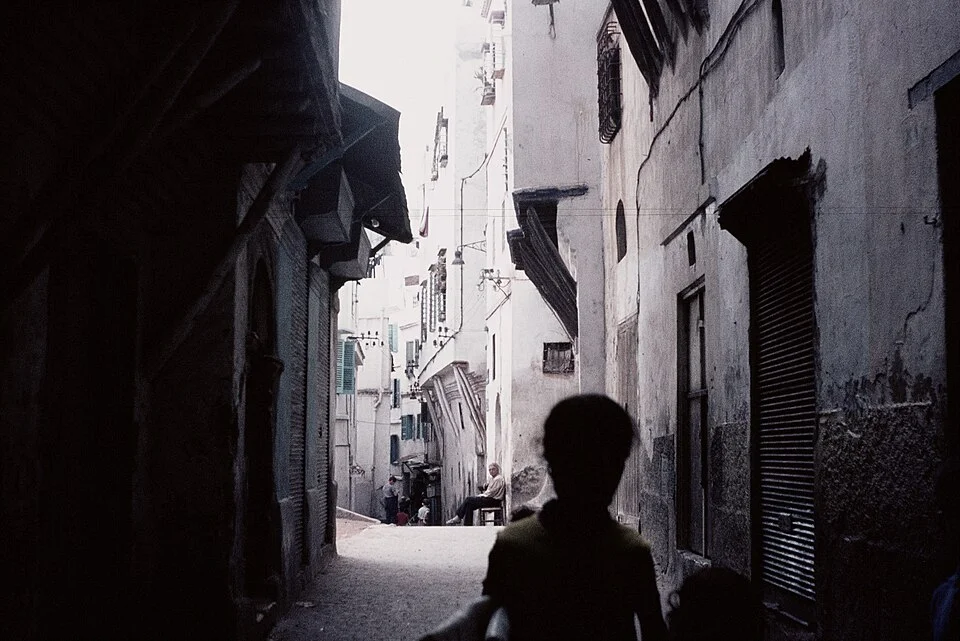
UNESCO describes the Kasbah as a historic Maghreb urban ensemble, with an Ottoman-period layout and old structures that help explain the capital’s past. Visit with a good local guide and ensure accommodation knows your plan. Agree the walk’s start and finish instead of following every unfamiliar staircase. The historic district is also a neighbourhood where people live: respect doorways, private courtyards and personal space. Ask the guide to distinguish public visitor areas from places that are accessible on that particular day. Check slopes and stairs if travelling with limited mobility or a pushchair. An attractive courtyard is not an invitation to enter without permission. Choosing a lunch stop beforehand can make the end of the walk more comfortable. Give the guide room to explain everyday urban history rather than treating the neighbourhood as a backdrop for photographs.

A garden day gives the city itinerary breathing room
Jardin d’Essai du Hamma is a botanical-garden stop around El Hamma that can support a gentler walking day. Its own website displayed a redesign screen when checked; it is not used here to infer definite opening hours or admission prices. Confirm accessible areas, entry arrangements and current operation before visiting. If the previous day’s Kasbah stairs were tiring, one main visit and a good meal may be enough. Shorten the garden walk to suit physical capacity rather than needing to cover every corner. If adding a nearby museum, check its separate opening and entry conditions. Bring appropriate clothing, water and opportunities to rest according to weather. Do not build the day on an assumption that every city attraction is served directly by the same transport connection. A comfortable return to the base is part of the plan.


Tipasa: separate the archaeological site from the harbour
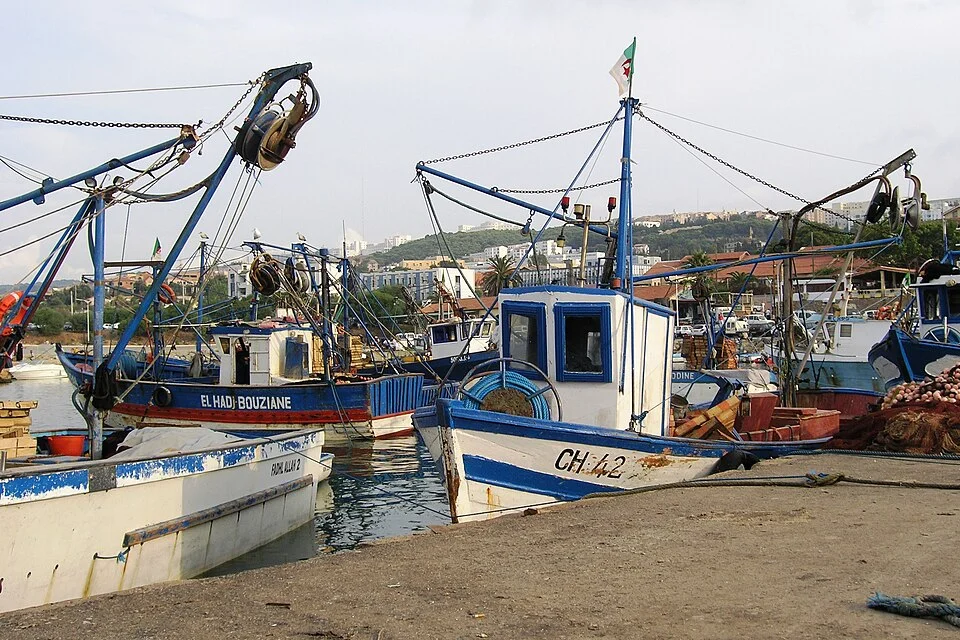
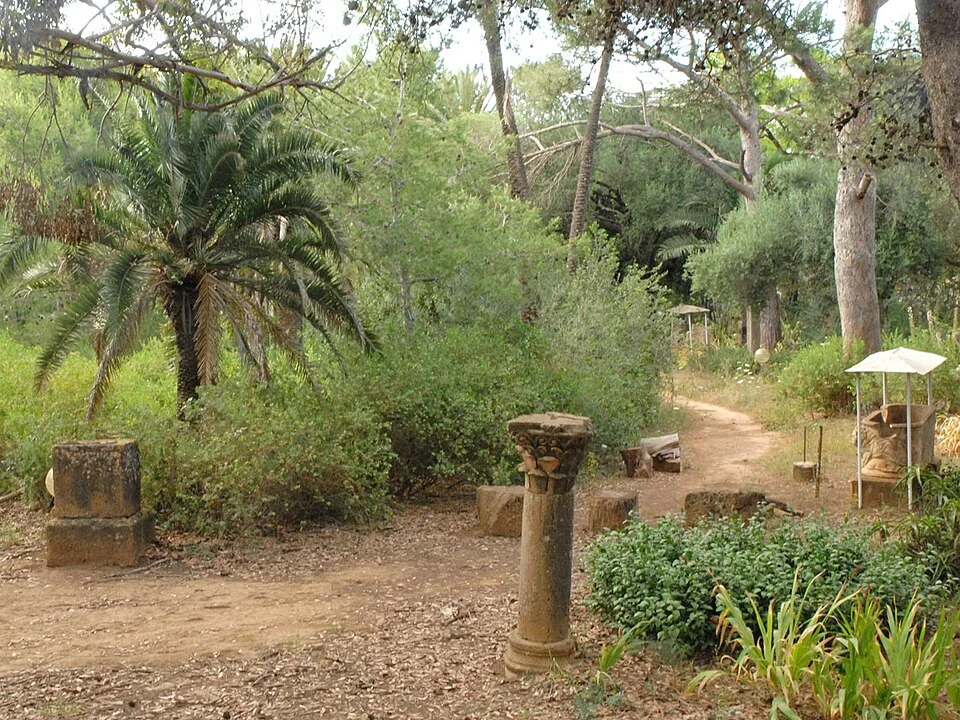
UNESCO’s Tipasa record describes a Mediterranean archaeological setting with traces from different historical periods. Understanding the remains with a local guide can make the visit richer than simply taking pictures. At entry, establish the areas that can be visited that day and the marked paths; do not climb on remains or move objects. Make lunch a distinct stop after archaeology. Fishing boats in Tipaza harbour can add a coastal atmosphere to the day, but the harbour and every part of the archaeological site are not presented as one view from a single location. Allow for shade and water in open terrain. Leave daylight for the return instead of adding a distant extra stop. A coastal excursion does not automatically need a swimming or boat-tour package. Give attention to the surviving fabric and the landscape that connects it to the sea.


Transport and accommodation: choose one practical base
For arrival, examine a reliable airport transfer recommended by accommodation or an actual public-transport connection beforehand. The metro may help with some urban journeys: use the operator’s official information to check routes and service notices. Validate the appropriate ticket and retain it until leaving the controlled area. General metro information should not be read as a direct line to the airport or every attraction. For Tipasa, agree actual departure and return arrangements with a reliable driver or competent excursion provider; do not guarantee travel time from a map. One capital-city base can reduce luggage moves on this six-day plan. The address, access to a metro or vehicle meeting point and evening-meal arrangements matter more than a hotel name. Ask about real room access where sloping streets and stairs could affect comfort.
Couscous: explore shared heritage through a local meal
Knowledge and practices relating to producing and consuming couscous appear in a joint UNESCO intangible-heritage inscription involving Algeria, Mauritania, Morocco and Tunisia. Couscous is therefore not presented as exclusive to Algeria or identical throughout the country. Preparing and steaming grain matters alongside vegetables or meat that vary with region, season and occasion. For a capital-city lunch, ask what couscous the kitchen is offering that day and what accompanies it. Vegetarian travellers should clarify whether vegetables are cooked in meat stock. Understanding a shared platter and portion arrangements before ordering can help match the meal to the group’s needs. If an appropriate fish dish is available on the local menu during the Tipasa excursion, consider it as a separate coastal meal. There is no invented price, freshness promise or universal restaurant availability claim.
Visa preparation and regional boundaries
Check visa requirements with the competent Algerian mission for your nationality and passport category. The Istanbul Consulate General’s tourist-visa list includes accommodation or invitation evidence, travel insurance and a passport valid for at least six months with two blank pages; use the current list for your individual application. FCDO advises against all travel within thirty kilometres of the borders with Libya, Mauritania, Mali and Niger. Along the Tunisian border, that warning also applies in Illizi and Ouargla provinces and the Chaambi mountains area; the remaining border zone has an all-but-essential warning. None is added to this northern city itinerary. The Moroccan land border is closed. Terrorism and kidnapping concerns particularly affect remote desert and some rural mountain areas, so a Sahara journey is not an improvised addition to this short plan. Avoid demonstrations and follow local security instructions. Sources were checked on 4 October 2026.