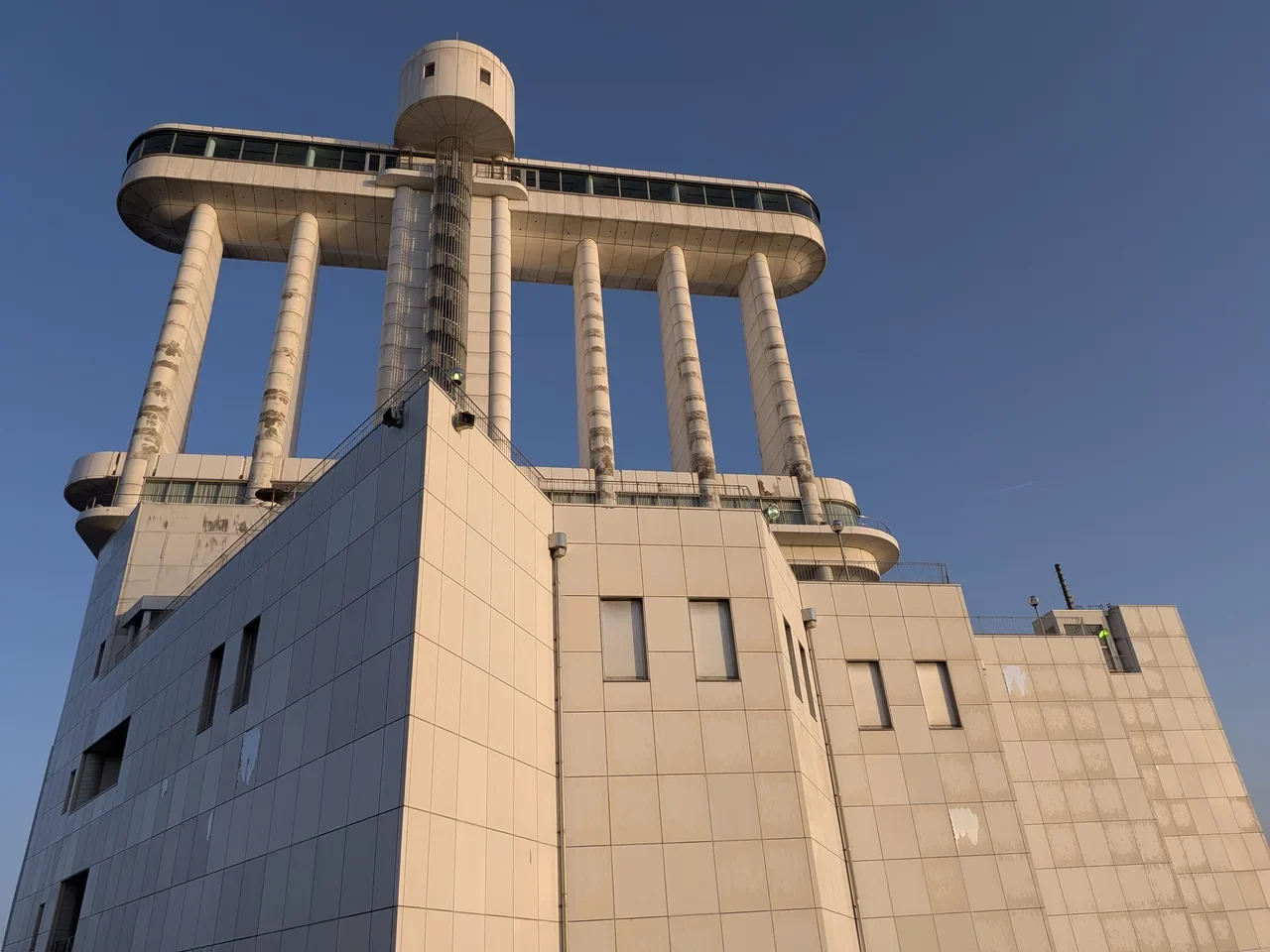
Nagoya offers more than a railway interchange between Tokyo and Kyoto. Its castle grounds and industrial museums reveal two different sides of the city, while a proper hitsumabushi meal gives local food its own place in the itinerary. Allow two full days for a first visit, adding the port only if you have another half-day. This plan gives one morning to the castle and another to manufacturing history instead of trying to cover the whole region at once. Staying near Nagoya station makes arrival and departure particularly manageable.
Airport trains and a place to stay
Arriving through Chubu Centrair, check that your rail journey serves Meitetsu Nagoya. Meitetsu's official guidance explains that every carriage on μSKY requires a μticket in addition to the ordinary rail ticket. Some other Limited Express services include ordinary carriages. Match your ticket to the carriage rather than boarding simply because a train looks fast. On the return, select a service marked for the airport; not every train using the same platform goes to Centrair.
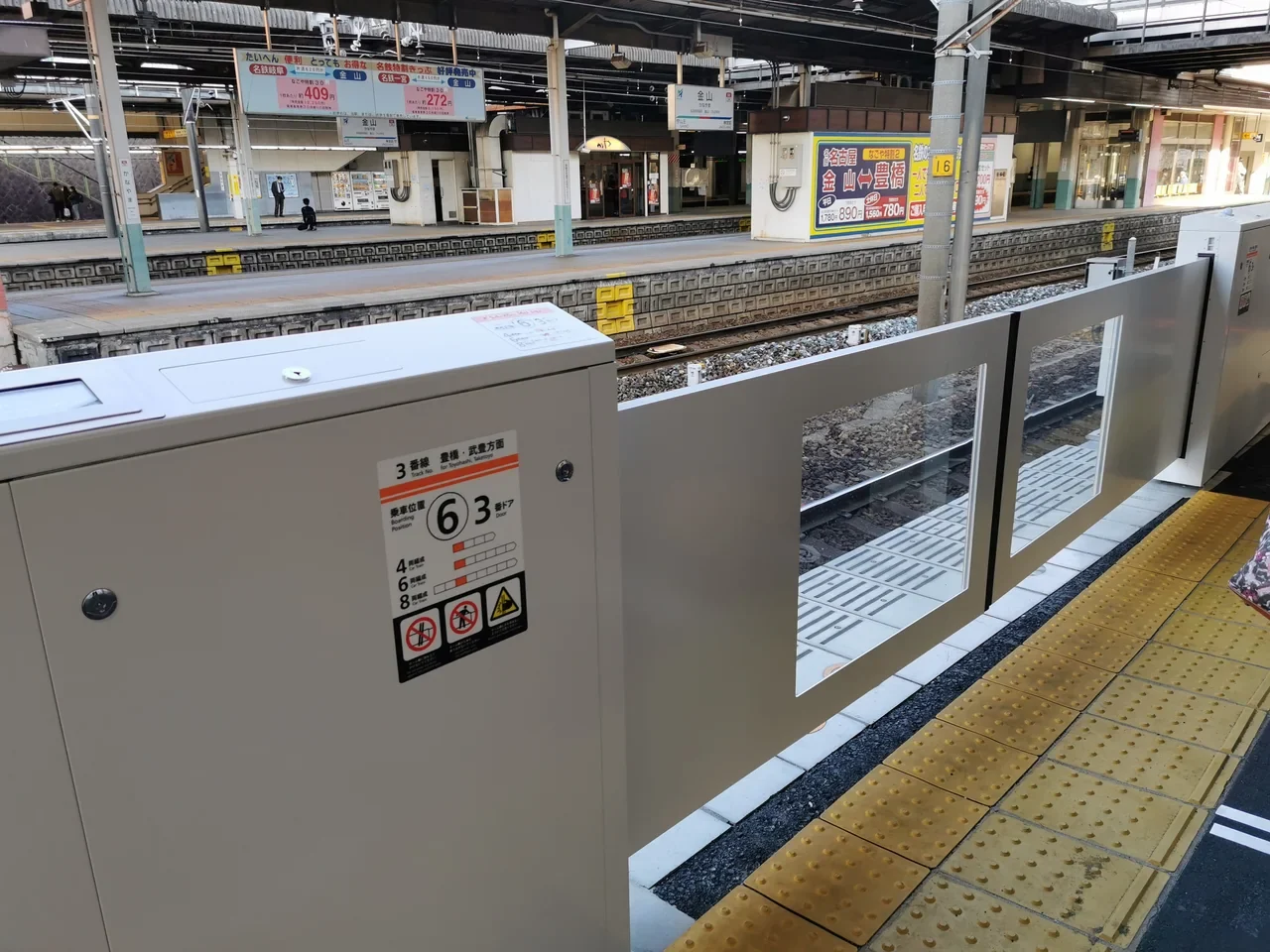
The accompanying railway photograph shows JR Kanayama station, not a Meitetsu airport platform. Different operators should not be treated as one interchangeable system. Allow walking time inside stations when carrying luggage. A concrete accommodation option is Nagoya Marriott Associa Hotel, directly connected to Nagoya station. Reception is on the fifteenth floor of JR Central Towers, with check-in at 15:00 and checkout at noon. Read the room and breakfast conditions of your chosen rate rather than assuming every facility is included.
First morning: Nagoya Castle
The castle's current visitor information contains a significant change: individual adult admission became 1,000 yen on October 1, 2026. Do not budget using the older 500-yen price. Standard opening hours are 09:00–16:30, with last entry at 16:00, and closure from December 29 through January 1. Nagoyajo station on the Meijo subway line is one access option. Walking from an entrance gate to the palace also takes time, so reaching the outer gate at the deadline is a poor strategy.
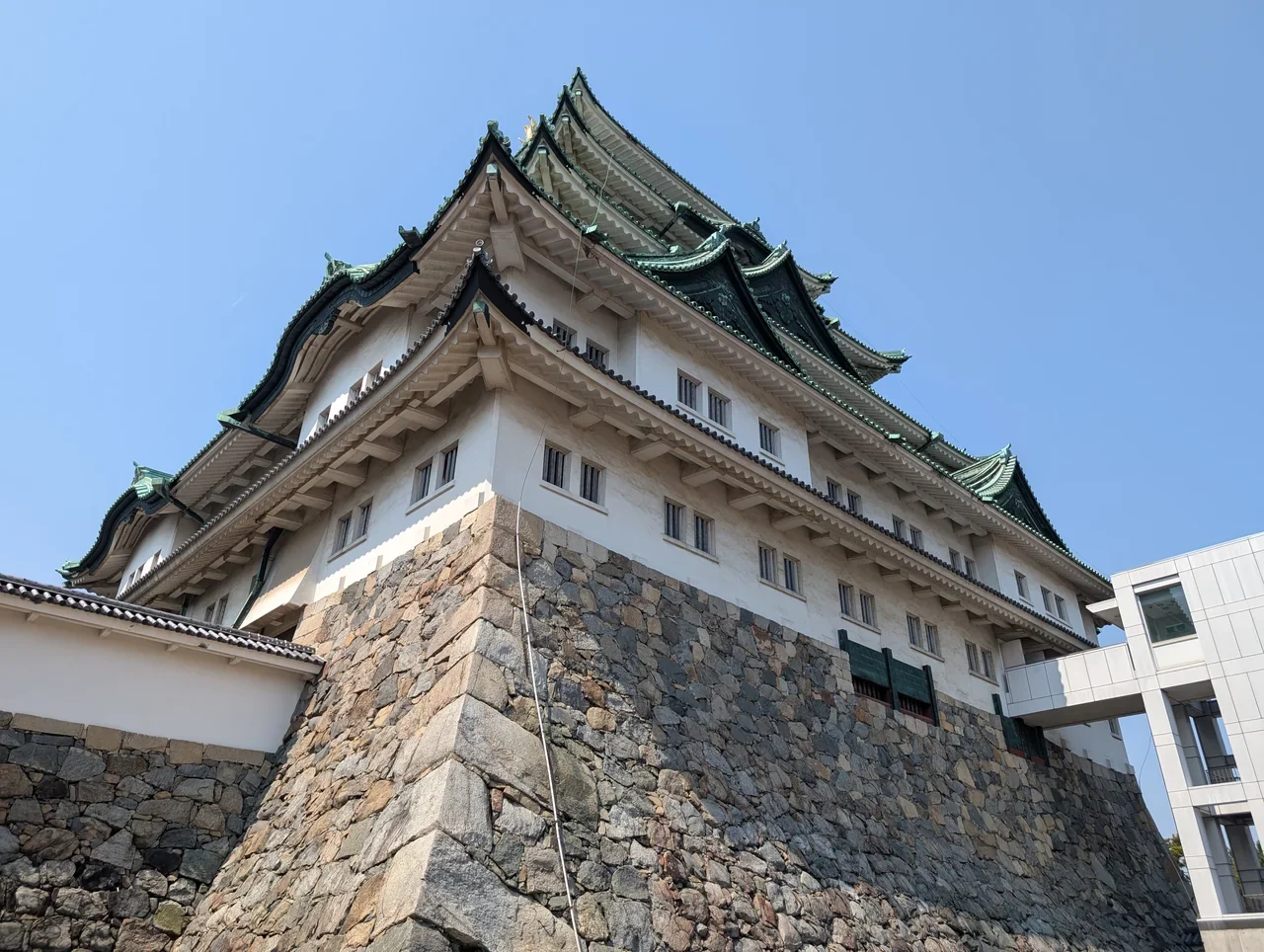
The main keep remains closed because of its age and earthquake-resistance concerns. Plan for the exterior, grounds and Hommaru Palace rather than a climb to the tower's viewpoint. Seeing the keep in a photograph does not imply admission inside. Around two hours is a comfortable personal planning allowance, leaving room for queues and stops; it is not an official compulsory tour duration.
Look beyond the castle panorama
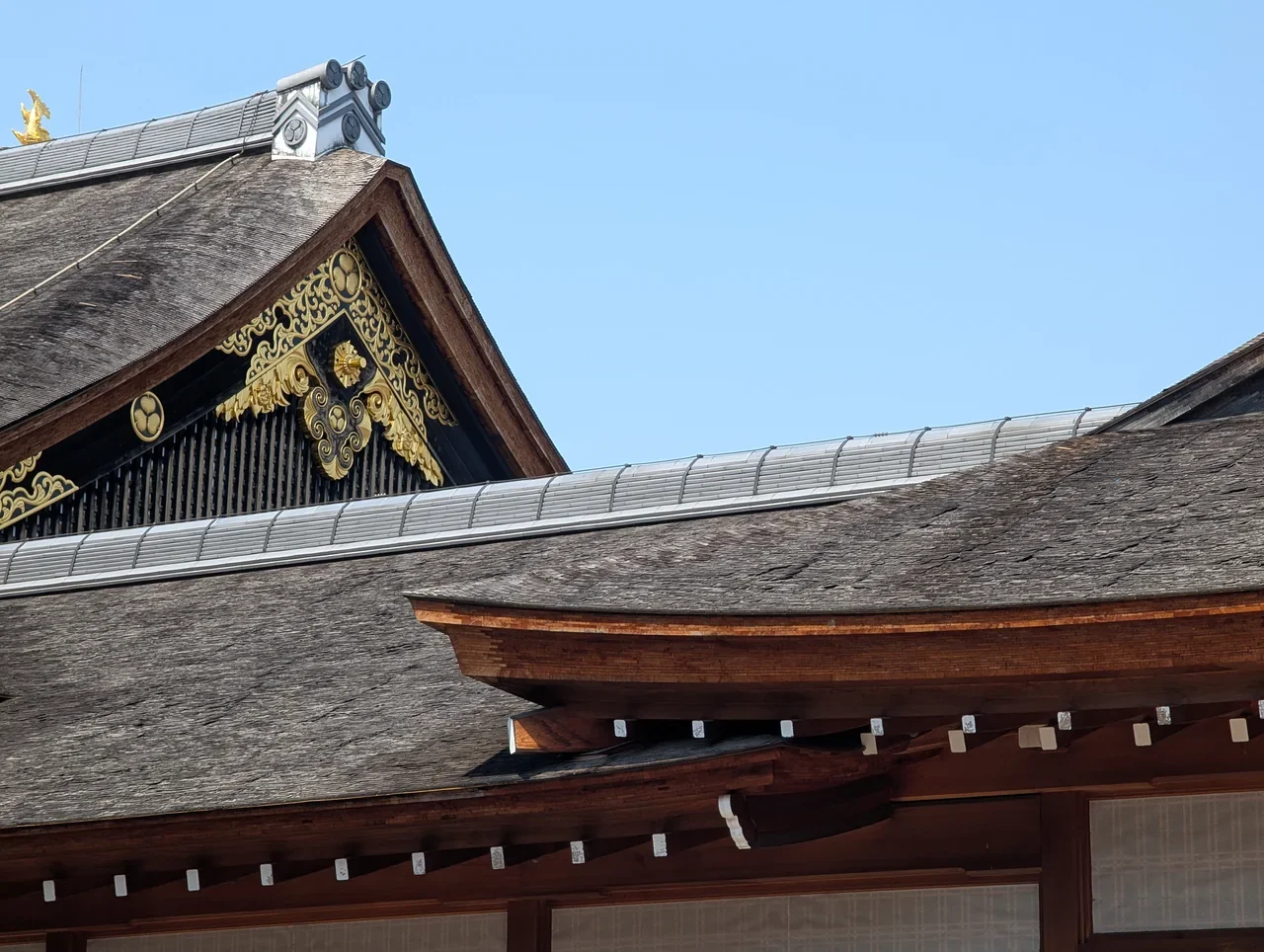
After taking the wide view, spend time on the stone walls, roofs and gateways. Looking from two angles creates a better sense of the grounds than moving rapidly between marked photo spots. The palace also has a 16:00 admission deadline, so completing that visit before a final outdoor stroll gives more flexibility. Follow staff instructions about queues and photography. If the weather is poor, prioritise the interior rather than feeling obliged to walk every available path.
Second morning: from weaving to automobiles
The Toyota Commemorative Museum of Industry and Technology connects textile machinery with automobile development. It offers more than a room of finished cars: the machinery makes manufacturing processes easier to understand. Standard hours are 09:30–17:00, with admission ending at 16:30. Monday is closed, moving to Tuesday when Monday is a national holiday. Check the separate year-end calendar. This is not the Toyota Automobile Museum in Nagakute, so match the complete facility name when planning transport or tickets.
The museum's access guide gives a three-minute walk from Meitetsu Sako station. Leave time for both main sections and ask about the day's demonstrations instead of assuming every machine operates continuously. A break afterwards makes it easier to move across the city for dinner without turning the afternoon into another rushed sequence of attractions.
A main meal at Atsuta Houraiken Honten
Atsuta Houraiken Honten is at 503 Godo-cho, Atsuta-ku, about seven minutes on foot from Tenma-cho subway station according to the operator. Lunch runs from 11:30–14:00 and dinner from 16:30–20:30. It closes on Wednesdays and the second and fourth Thursdays, with national-holiday exceptions. Confirm current seating or queue arrangements before travelling and use the correct branch's timetable.
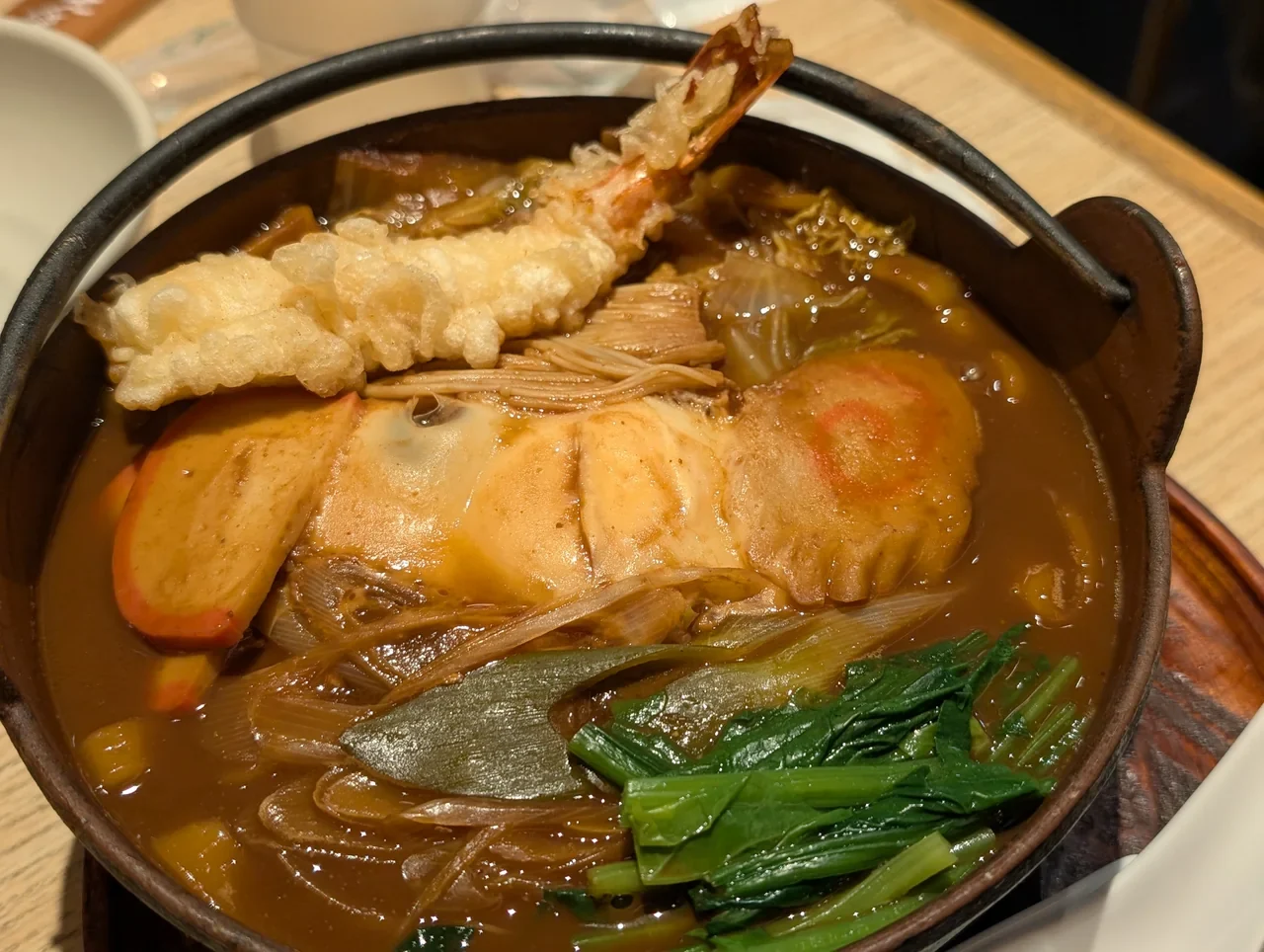
Hitsumabushi combines grilled eel and rice as a complete main meal. Taste it plain, then with accompaniments, and finally with the supplied hot liquid, following the serving instructions. Check the current menu price. The food photograph in this guide was taken at a different restaurant, Kishimentei; it is neither an Houraiken dish nor a hitsumabushi illustration. It should not create expectations about the exact meal you order.
An optional port visit before departure
With another half-day, consider Garden Pier as a separate outing. The port is not an adjacent extension of the castle walk, and outdoor waterfront spaces differ from ticketed attractions with their own hours. A simple walk can be enough. On departure day, establish luggage collection and airport-train timing first rather than squeezing one more attraction into the final connection.