
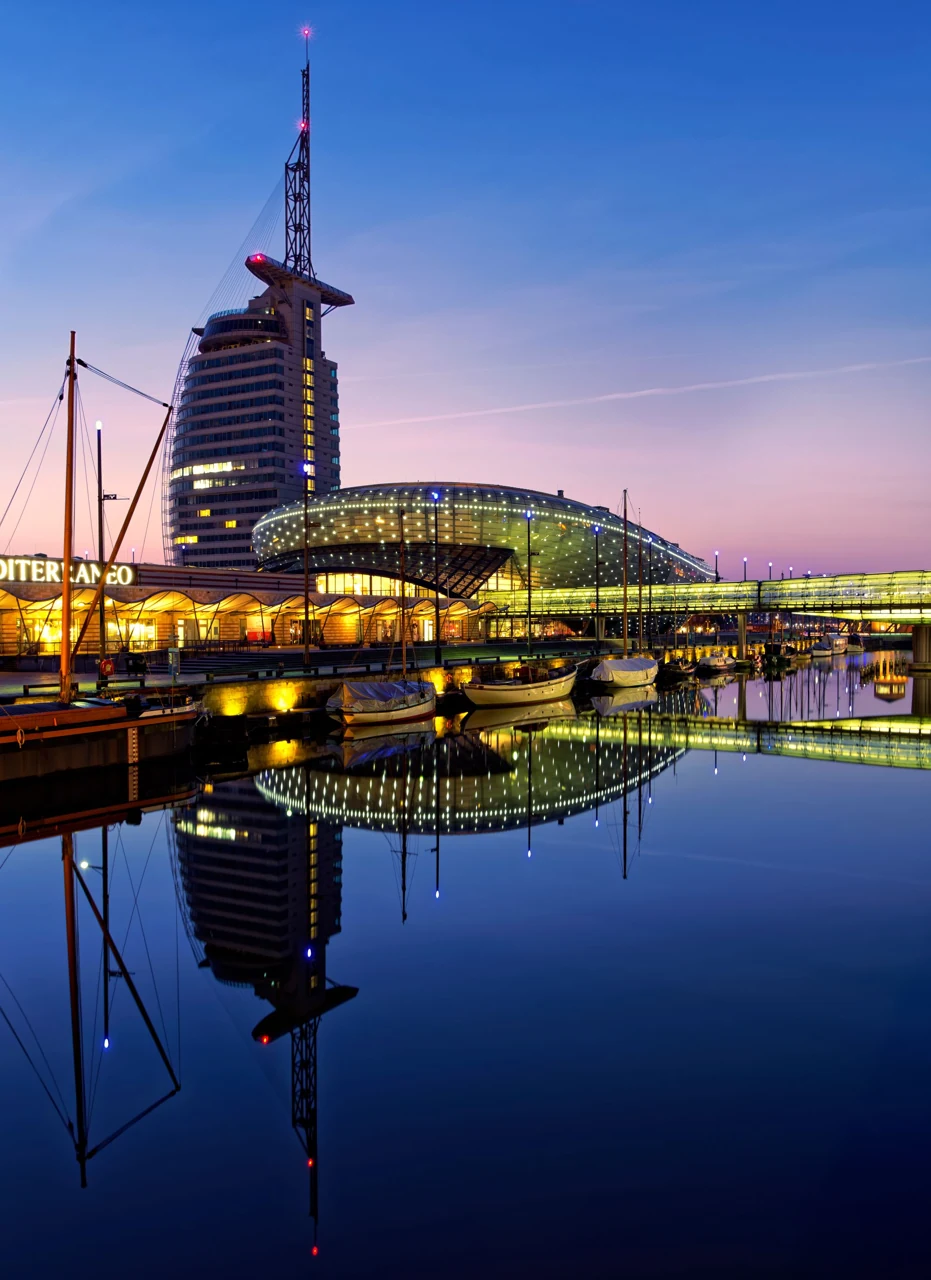
Begin a Bremerhaven day by separating two different harbour districts. The substantial visitor attractions of Havenwelten and the southern Fischereihafen food-and-fishing area are not adjacent stops on one short walk. This guide suits rail travellers who want one principal indoor visit and a waterfront section. Choose Deutsches Auswandererhaus for migration stories or Klimahaus for climate experiences; proximity does not mean both must be completed hurriedly. A fish main in Fischereihafen needs its own transfer and service timing. Staying near Havenwelten can make the omitted interior a comfortable choice for the following morning.
Hauptbahnhof to Havenwelten: use the open approach
The official DB page for Bremerhaven Hauptbahnhof identifies the actual railway arrival point. The station is not beside the Klimahaus entrance, so allow for the onward urban journey. With luggage, discuss storage with your accommodation first. Then select a current connection towards Havenwelten. Consult travel-day departures and stops rather than relying on an old route list. If admission is booked for a particular time, leave room for small train delays and the transfer from the station. Orientation is a real part of the day rather than time taken away from sightseeing.
The current Klimahaus homepage contains an important access notice: both bridges over the connection canal between Alter Hafen and Neuer Hafen are closed to vehicles and pedestrians for safety reasons. A short waterside passage shown on an older map must therefore not be assumed open. The operator directs bus visitors from the Havenwelten stop across the Glasbrücke towards the entrance, and drivers via the signed diversion using Van-Ronzelen-Straße. Recheck the notice shortly before travelling and follow local directions. Do not build the day's timings around a closed shortcut.
Deutsches Auswandererhaus: give migration stories time
The Deutsches Auswandererhaus operator site now gives its address as Marie-Juchacz-Platz 1. The museum offers more than a romantic image of a ship departure: it centres people's changing lives through migration. If that is your interest, make it the main morning visit. Following biographies, reading interpretation and engaging with exhibits differs from taking a quick look through the entrance. Travellers hoping to connect a visit with their own family history should obtain the separate arrangements for research services rather than assuming all archival work comes automatically with admission.
The current museum rules distinguish seasonal closing from last admission. Large bags and suitcases require the locker arrangements rather than travelling with you through the exhibition. Families or companions with different reading speeds may find an agreed meeting point useful. Ask on arrival about access that day and any temporarily unavailable rooms. Afterwards, leave space to connect the stories you have followed with the actual harbour location outside. One carefully experienced museum can provide more understanding than rushing through two neighbouring attractions because they appear close together on the map.
The Klimahaus alternative deserves its own visit
Klimahaus responds to a different interest: climate zones, weather and people's lives in those conditions. The operator describes an experiential journey along the eighth longitude through different parts of the world. Families wanting an activity-led day or visitors interested in climate can choose it instead of the migration museum. Looking at its exterior architecture is not the same as experiencing the exhibition. Review ticket and entrance arrangements in advance, then let the outside waterfront programme adapt around the visit that matters most.
If including both substantial centres, one should become the main morning visit and the other the principal afternoon visit, with a reduced Fischereihafen extension. Distance between buildings does not determine the time needed inside. Choosing one for a short day is a complete and reasonable programme. Rain may justify a longer indoor section and a shorter quay walk; calm clear conditions may favour the reverse. If planning to leave for a meal and return, confirm re-entry against your actual ticket rather than assuming a general rule. The experience should follow your interest and pace, not an obligation to enter every nearby building.
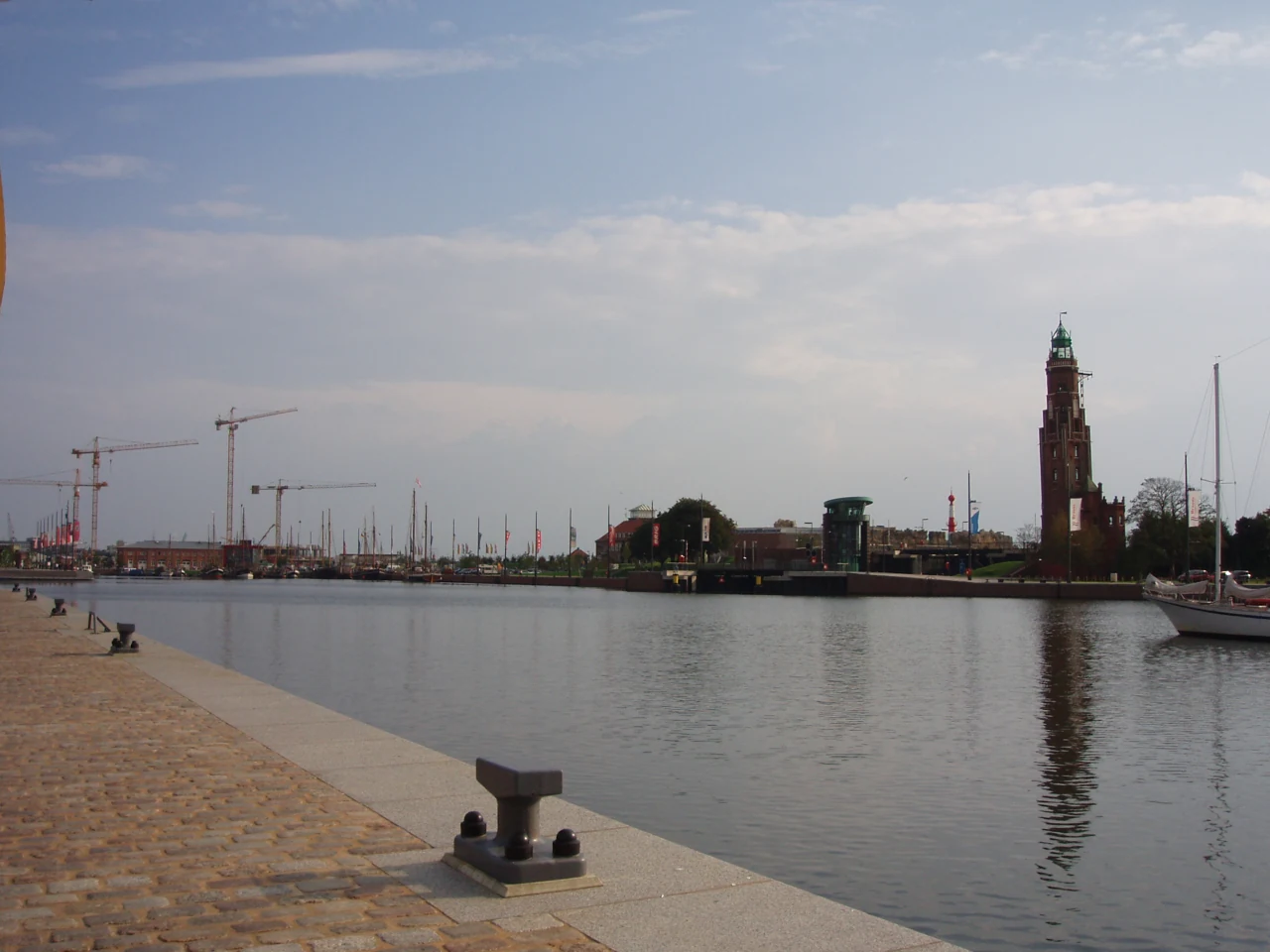
The Havenwelten waterfront is distinct from the working port
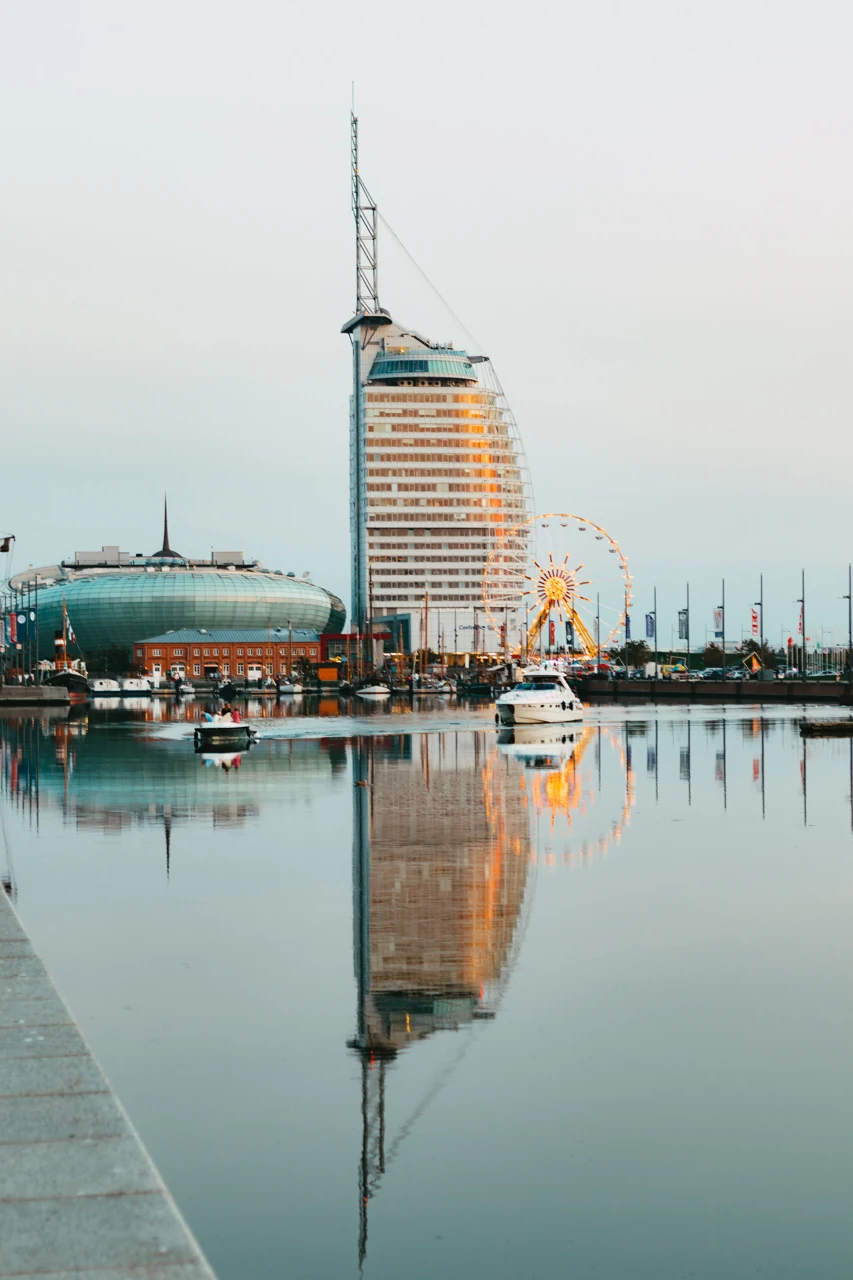
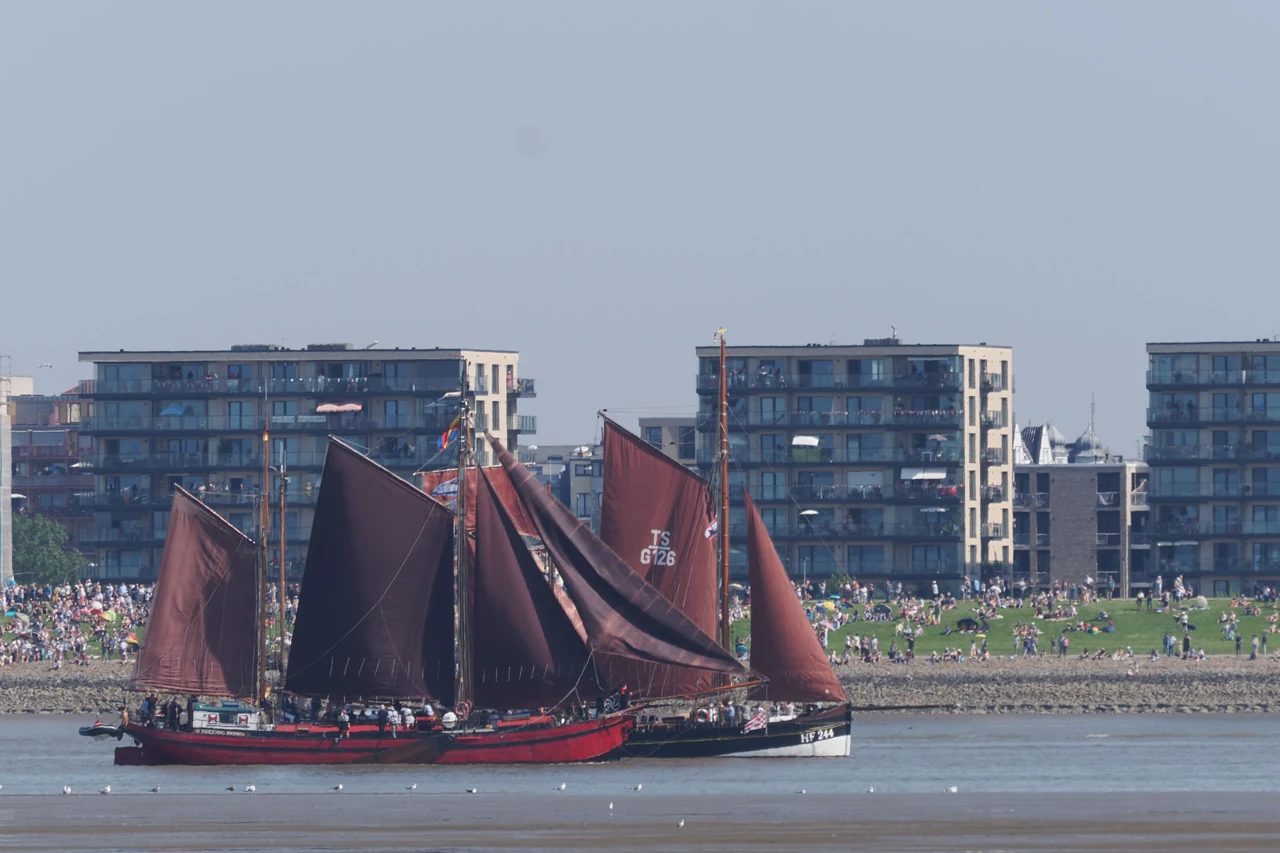
After the interior, explore publicly accessible waterside areas, the marina and exterior views. A ferris wheel or festival sailing ship shown in a photograph is not necessarily a permanent year-round service. Seeing a moored ship also does not establish permission to board it; check the actual visiting programme for any vessel that interests you. Use open routes around the closed canal bridges. A few changes of viewpoint show how water and modern city buildings relate without requiring every basin to be circled. Give yourself a comfortable final point rather than continuing indefinitely along the next quay.
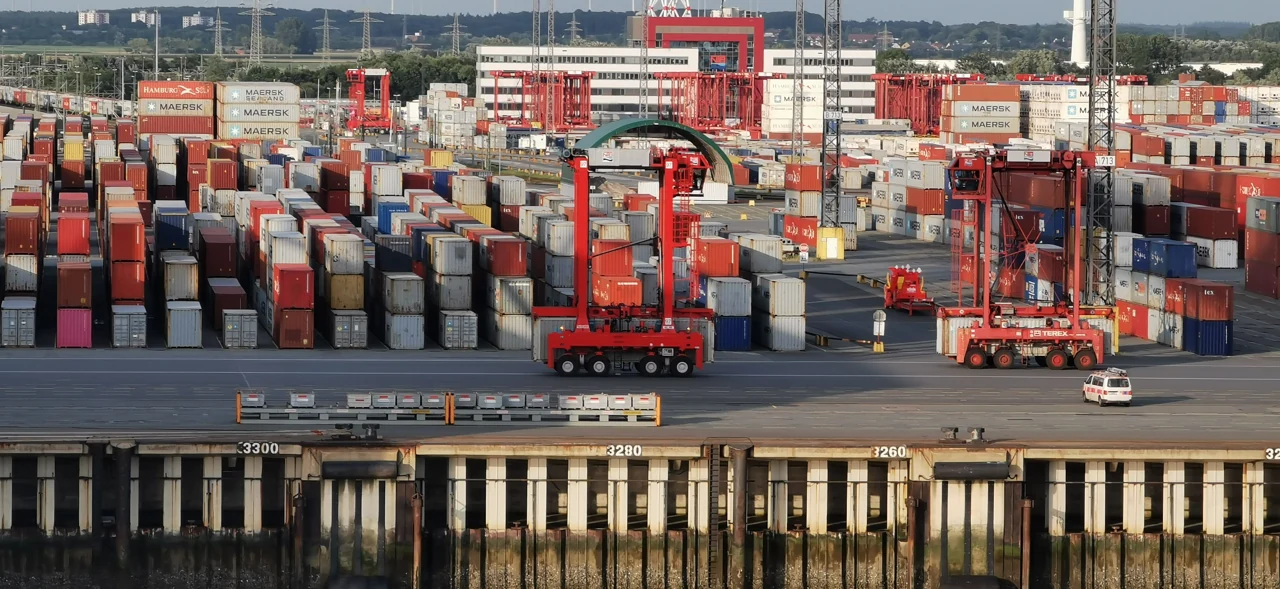
The large cargo port and container areas belong to a separate working environment. Do not extend the Havenwelten walk as though controlled terminals offer unrestricted visitor entry. If container views or a port excursion are a special interest, research an actual visitor operator and route separately. For a first day, the marina, museum district and waterfront already make a worthwhile outdoor section. In strong wind, shortening the last waterside walk and returning to accommodation or the planned meal may suit the group better than pressing on to complete an arbitrary distance.
A verified Natusch fish main in Fischereihafen
A meal in southern Fischereihafen requires a separate transfer from the centre. The Natusch operator contact page confirms Am Fischbahnhof 1 and the gap between lunchtime and evening service. Tuesday is currently its regular closing day, with separate group or holiday arrangements. An unplanned late arrival after a museum can therefore miss lunch. Confirm the table and the kitchen's actual pattern before travelling across the city. The journey becomes more useful when it leads to a real meal rather than a restaurant name with uncertain service.
The current menu lists Jütlander Angelschellfisch: line-caught haddock fillet cooked in vegetable-and-Riesling steam, with a mustard-seed sauce, coastal potatoes and cucumber-dill salad. It is a concrete main course rather than a vague recommendation for fish soup. Ask about the cooking ingredients if alcohol in sauces affects your choice. The grilled fish-and-seafood Fischereihafen-Teller is another main. On its homepage, the restaurant specifies that certain buffet days replace the à-la-carte offer, so a listed dish should not be promised on those dates. Dietary requests and the day's availability belong in the reservation conversation.
Divide the programme with im-jaich Hotel Bremerhaven
The official im-jaich Hotel Bremerhaven page confirms the real hotel at Am Neuen Hafen 19, between marina and dyke. The hotel and the operator's separate Boardinghouse are different accommodation products; select the correct building and room category. Ask directly about the current approach, parking and late arrival. Apply the canal-access update to walking between hotel and attractions too. A central location does not establish that every short bridge crossing is available. Keeping the hotel approach clear can prevent an avoidable detour with luggage.
An overnight stay permits a balanced division: migration museum and waterfront on the first day, Klimahaus or Fischereihafen on the next. For a day trip, calculate the journey back to Hauptbahnhof before sitting down to the final meal. The key planning distinction is between neighbouring buildings and substantial time indoors. An open waterfront route, one chosen principal museum and a verified fish main can explain Bremerhaven well without compressing every harbour district into a single afternoon.