
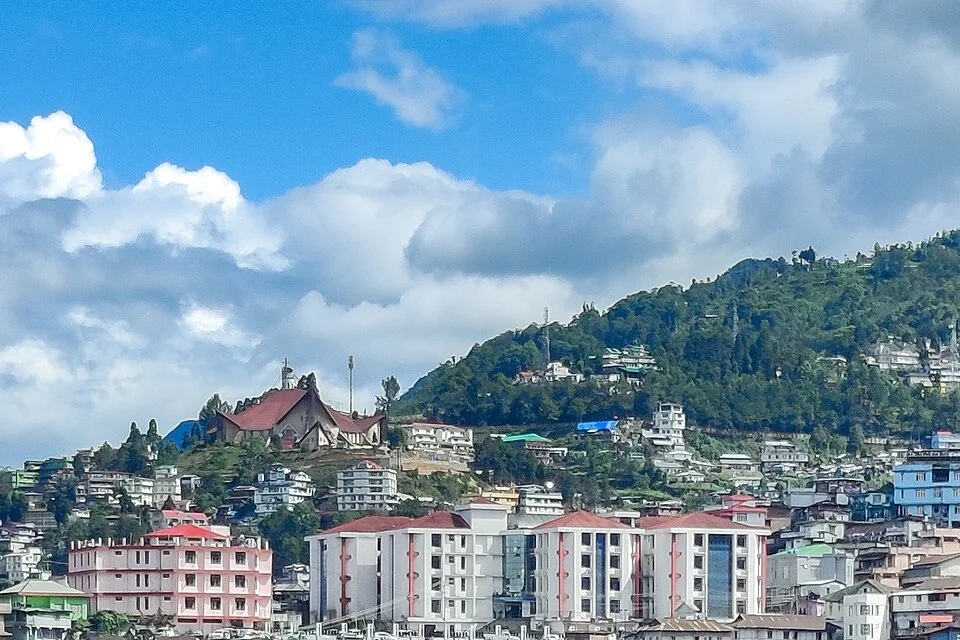
Kohima: remembrance, city life and a separate village day
The Tatilmerkezi Stork suggests remembering Kohima for more than a festival name. A place of remembrance, an everyday market and a cultural interest require different rhythms within the same short stay. Four calendar days and three nights leave two complete visiting days: rest after arrival, a selected city focus, one separate surrounding visit if permission and conditions allow, then departure. This arrangement does not turn every day into a morning-to-night tour. Quiet reading at Kohima War Cemetery and shopping around a market call for different behaviour. We do not move all Nagaland village and mountain routes into two days based in the capital. The purpose is to connect remembrance with a working city's rhythm thoughtfully. The city can deserve meaningful time even when no festival is taking place.
Permission: do not treat an old PAP exemption as current
Nagaland's official information department reports an assembly resolution dated 3 September 2026 calling for the removal of the PAP regime presently applicable to the state. A request to remove a regime does not mean it has already been removed. Do not use an older tourism page describing an exemption as unconditional permission to enter today. If travelling on a foreign passport, verify the current Protected Area Permit and registration requirements for your individual circumstances with the responsible national and state authorities. The official Nagaland ILP portal also provides information by visitor category; ILP and PAP are not interchangeable names for one document. Establish the application outcome, allowed scope and dates before purchasing a definite programme. This guide cannot guarantee approval or processing time. Your actual route must be consistent with the permission granted, not simply with a place described in tourism promotion.
Arrival connections and the accommodation approach
Arrange the end of your main transport journey and the last vehicle connection separately before arriving in Kohima. A journey through Dimapur followed by a transfer to the capital is not completed merely by finding the city name on a booking. Check the current train or flight option with its operator and the last road section with the relevant provider. For the accommodation, learn how the vehicle approaches the door, whether steps remain and how luggage reaches the room. Staying at one address for three nights separates the urban and excursion days without changing bags between bases. Assess travel tiredness on the first evening: a nearby meal and the following morning's meeting arrangements may be enough. An attractive room view does not prove that all city stops join comfortably on foot. If arriving late, settling the last transfer in advance reduces the chance of spending the first hours searching for another vehicle.

Remembrance and a museum: allow for different visitor rules
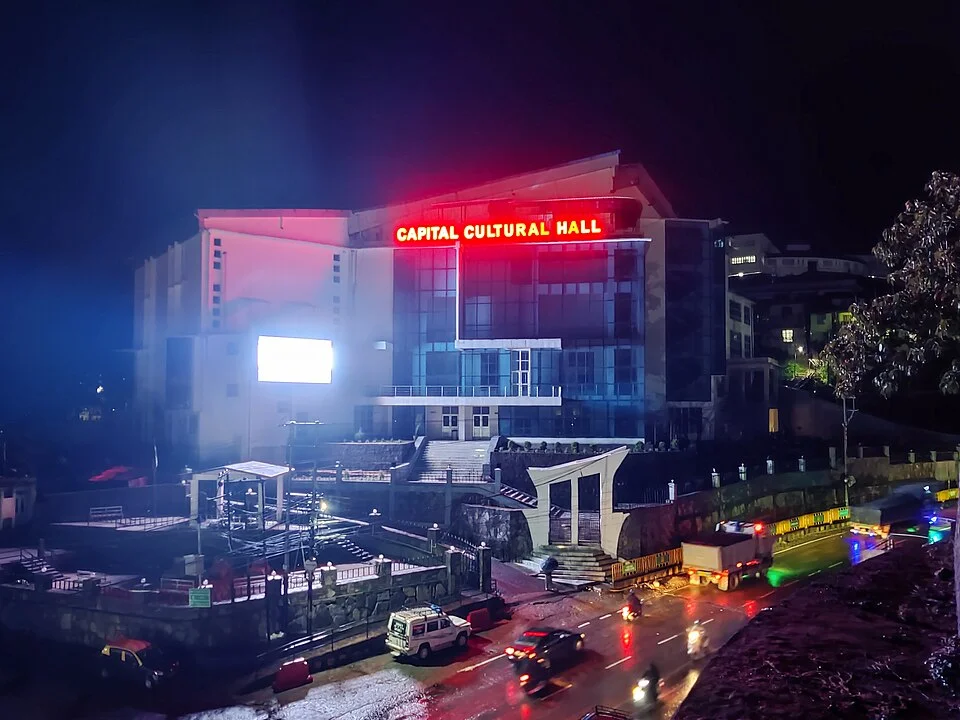
Treat Kohima War Cemetery as a remembrance visit on the city day. Respect the quiet setting, people visiting and staff directions before pursuing a photograph. Make time to read rather than using the cemetery only as a background for a city view. If the Nagaland State Museum suits your interests, plan a separate cultural pause according to the current opening arrangements and sections available. Select a main focus rather than placing the complete contents of different institutions into one morning. Rules for photographing objects, temporary closures and visiting time are set by the institution. The photograph of the Capital Cultural Centre is an exterior city scene, not an event ticket or a promise that its interior is open at every arrival. The value of the day is not measured by entering every available door, whether admission happens to be free or paid.

Naga Bazaar and Kohima Village: ordinary urban surroundings
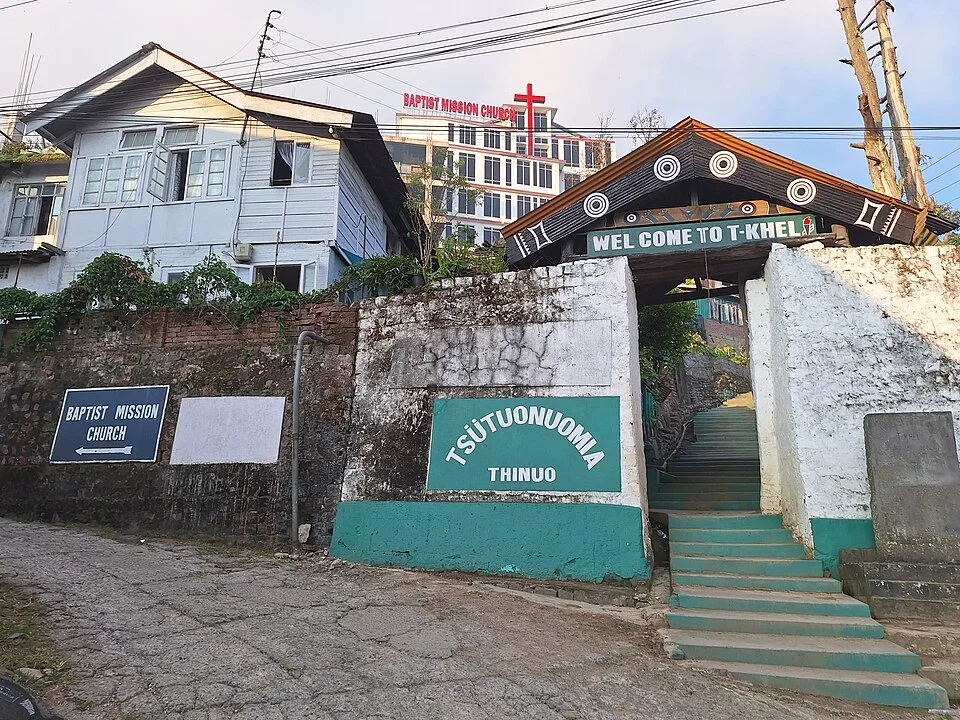
The surroundings of Naga Bazaar can provide a different view of daily city life after the remembrance focus. Leave space for shops and stalls, rather than treating a commercial area as an unrestricted photography studio. Ask before making close portraits. If you do not intend to buy, avoid interrupting a seller's working arrangement unnecessarily. The entrance scene around Tsütuonuomia and Kohima Village describes a particular settlement context. A gate in a photograph does not make every private courtyard or home behind it available to visitors. Learn the suitable public route locally and respect community directions. Treating the market and settlement surroundings as modest portions of one day reduces pressure to join every hill in a single walk. A small purchase, cultural focus and seated rest can complete the capital day without turning it into an extended checklist.


Day three: select Kisama or Khonoma as a separate outing
Kisama's cultural area and Khonoma village serve different visiting interests; they are not automatically consecutive stops in the same day. Choose one and assign independent time for reaching it, visiting under the actual conditions and returning. During a festival period, verify the current official programme and entry arrangements separately. A promotional mention of Hornbill does not mean festival performances operate every day of the year. If a local guide or community arrangement is needed for a village visit, organise it beforehand; do not turn homes, fields or places of worship into route segments without permission. If suitable permission or access is unavailable, a shorter cultural and meal programme in the capital remains possible. Nature journeys such as the Dzüko Valley require more preparation than a minor detour inserted into this city guide's comfortable second complete day.


Pork with bamboo shoots and hinkejvu: a varied table
Official national visitor information about Kohima's food supplies concrete examples including pork prepared with bamboo shoots and hinkejvu. The latter is described as a vegetable preparation; learn the ingredients actually used that day in relation to your dietary needs. We do not reduce the tables of different Nagaland communities to one unchanging recipe list. A dish being smoky, spicy or vegetable-based does not mean the same named option is available daily in every establishment. After the city programme, eating rice with a suitable preparation at a nearby table can complete the rhythm without a further extended journey. If you do not eat meat, ask explicitly for an actual vegetable option rather than reconstructing all ingredients from a dish name. Obtain current prices and quantities from the establishment. Meal culture is more meaningful than collecting every food mentioned in a guide on the same table for a photograph.
Departure morning and the real limits of the sources
Keep the fourth morning for breakfast, luggage and the onward connection. Match the vehicle meeting point to the actual stop named on the ticket the previous evening; shifting a rural visit into the final hours can narrow the travel allowance. If rain, gradients or tiredness have shortened the programme, quiet remembrance, a selected cultural interest and a local meal can still make a coherent short stay. Sources were checked on 5 October 2026; permit, transport and event conditions must also be confirmed for the real journey date. An official request about a state policy or an old exemption text is not a substitute for today's entry arrangements relevant to your passport. The Stork's invitation is to give each part of a working capital its appropriate time: slowness for remembrance, respect in a market, permission for a village visit and an actually offered local option at the table.