
The Tatilmerkezi Stork builds a short Dakar stay around three different interests: museum and city culture in Plateau, a considered island day on Gorée, and a slower coast-and-meal day around the Corniche. Saint-Louis, Sine-Saloum and Saly belong to a wider Senegal journey rather than becoming compulsory additions to this city programme. For three days, working from one accommodation base, planning the ferry return and keeping meals near the day's visits may be more useful than repeatedly leaving the city. Dakar is also more than a beach holiday: museums, island memory and everyday neighbourhood life provide a different urban reading. This guide offers practical decisions, not invented personal recollections or business rankings.
Four nights and three separate visiting days
The sample arrangement is arrival on the first evening, Plateau the following day, Gorée next, a third complete day near the coast and accommodation base, then departure on day five. Four nights contain three full visiting days. Instead of scheduling a major event immediately after arrival, settle collection, the room and a nearby food option. A flight time does not create another complete day; baggage and travel occupy time as well. Travellers arriving in the morning do not need to finish every museum before resting. With children, a shorter first day can be particularly useful.

With only two full days, the coastal day can be removed while retaining Plateau and Gorée. If ferry operations cannot be confirmed, substitute a permitted city cultural visit for the island outing. A long country journey is not added to the same day. One museum, a well-organised island visit and a considered meal may provide more satisfaction than dozens of stops. On departure morning, think about baggage and the airport margin together rather than adding another market excursion. The plan works through suitable combinations of places, not memorised fixed hours.
Plateau: a cultural day with Théodore Monod
IFAN's official source places the Musée Théodore Monod d'Art africain in Dakar Plateau. Do not confuse the museum entrance with IFAN's university-campus address; confirm the actual museum destination when arranging transport. It can be the day's main cultural visit, with admission, current exhibitions and photography rules checked directly. The existence of a collection does not mean every object is displayed simultaneously. If music, textiles or everyday culture interests you, ask whether interpretation can address that subject. A report about a previous exhibition does not establish today's programme.
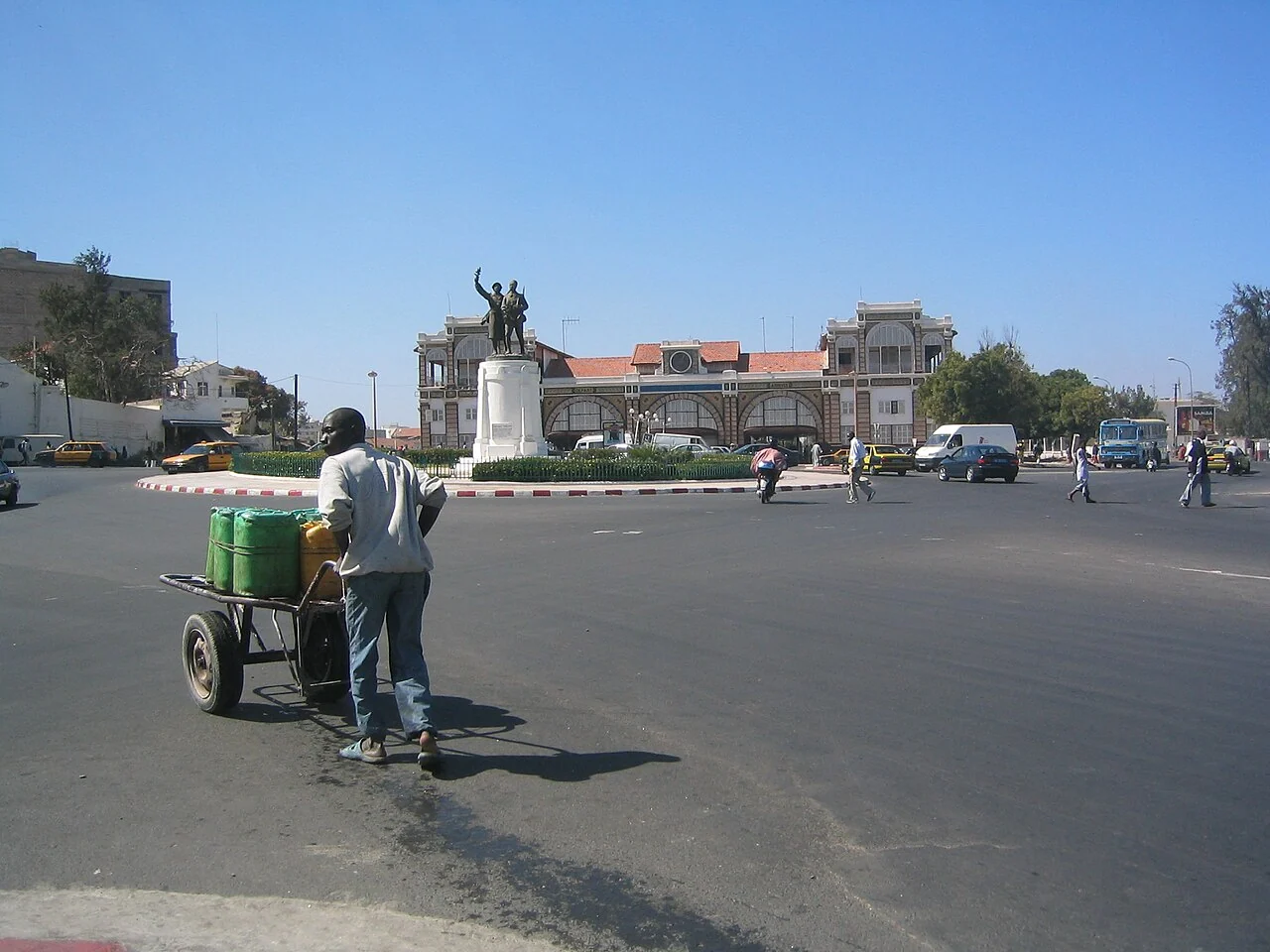

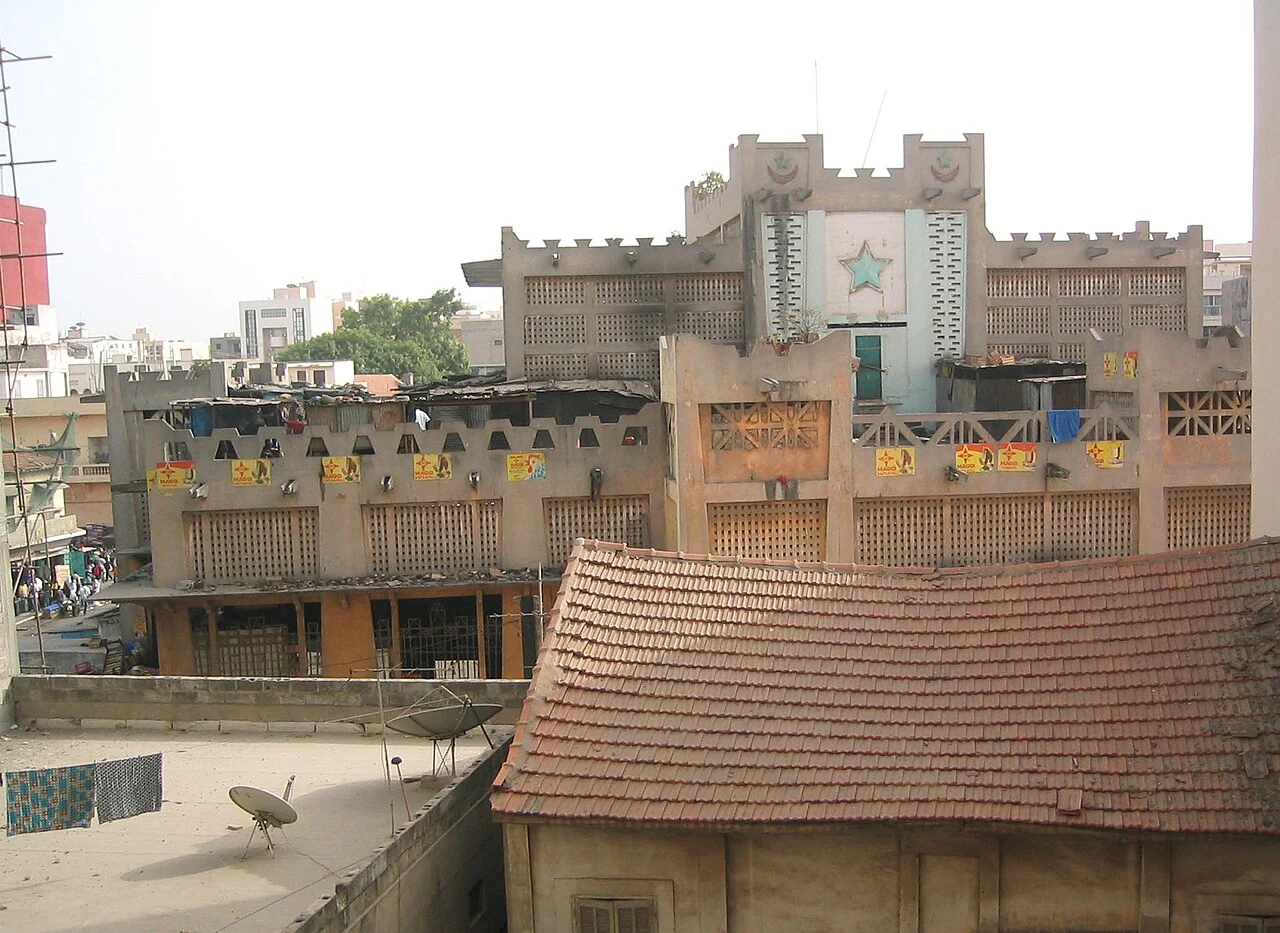
A meal and short rest in the same area can complete the day after the museum. If choosing a market or lively street area in Plateau, use dependable local advice about current arrangements. The Sandaga photograph is a historical architectural view from 2007, not proof of today's trading, building or access conditions. The market is not compulsory without checking its present visiting arrangements. The old station-area image likewise illustrates city memory rather than recommending a current train ticket. Do not assume unrestricted photography at government or military locations. Ask before taking close photographs of people or stalls.
Gorée: a separate island day by ferry
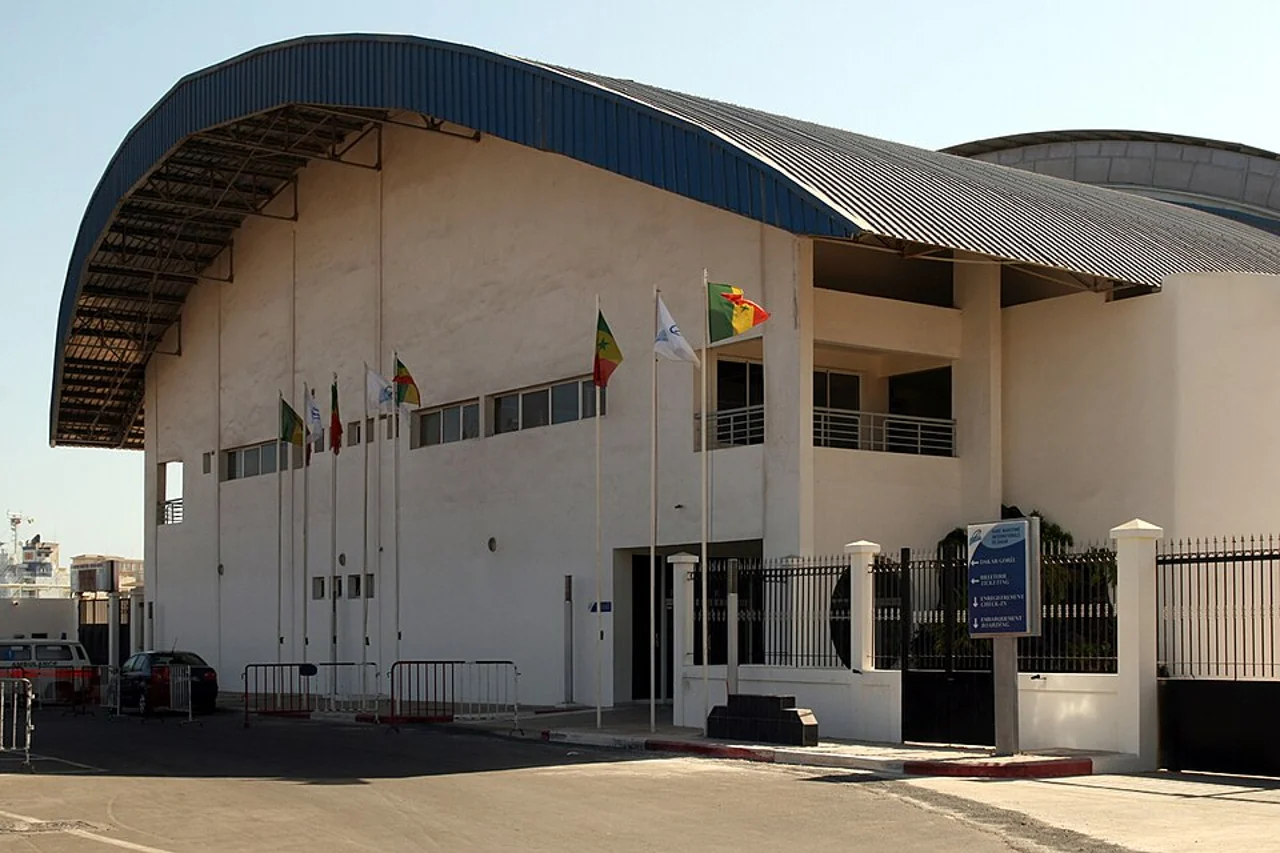
First obtain an operating departure and feasible return from the Port Autonome de Dakar's LMDG service. The official terminal source describes separate ticket operations for Dakar-Gorée and Dakar-Ziguinchor, so ensure the correct ticket and queue. No fixed timetable or fare is reproduced here. Outward sailing, the island visit and the return should be arranged as one day. Leave a margin instead of targeting the last possible departure. Reaching the terminal, buying tickets and boarding also require time. With mobility needs, ask about vessel boarding as well as terminal facilities.
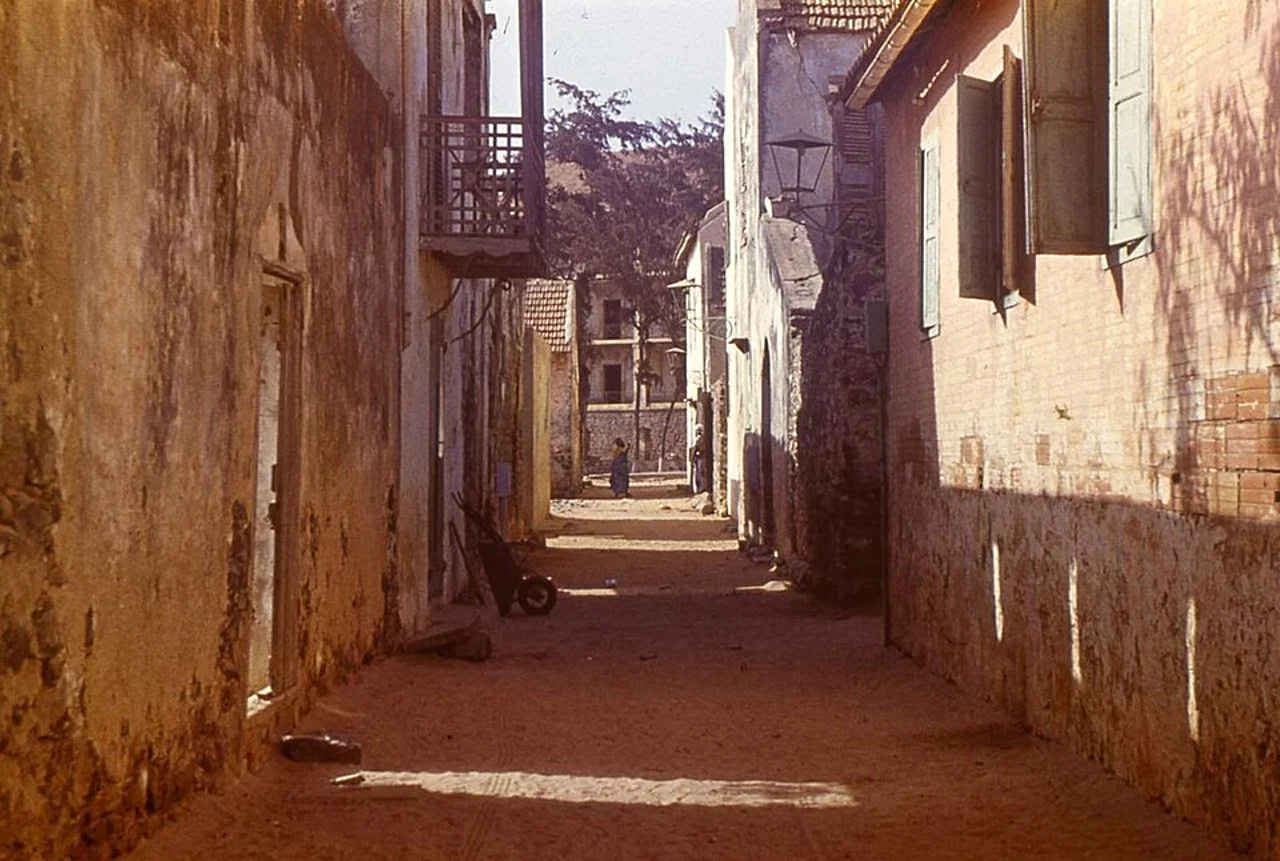

UNESCO treats Gorée as a heritage place connected with the memory of the slave trade. A visit should be more than photographs beside colourful walls. Listening to a local guide, respecting institutional access and allowing time for reflection can provide a more meaningful experience. This guide invents neither disputed numbers of people nor claims that one building represents the entire trade. Confirm access to any museum or historical institution separately. Residents, worship and private homes remain part of island life. Obtain consent for close portraits and avoid turning people into scenery for a shareable photograph.
A Corniche day and an accommodation base
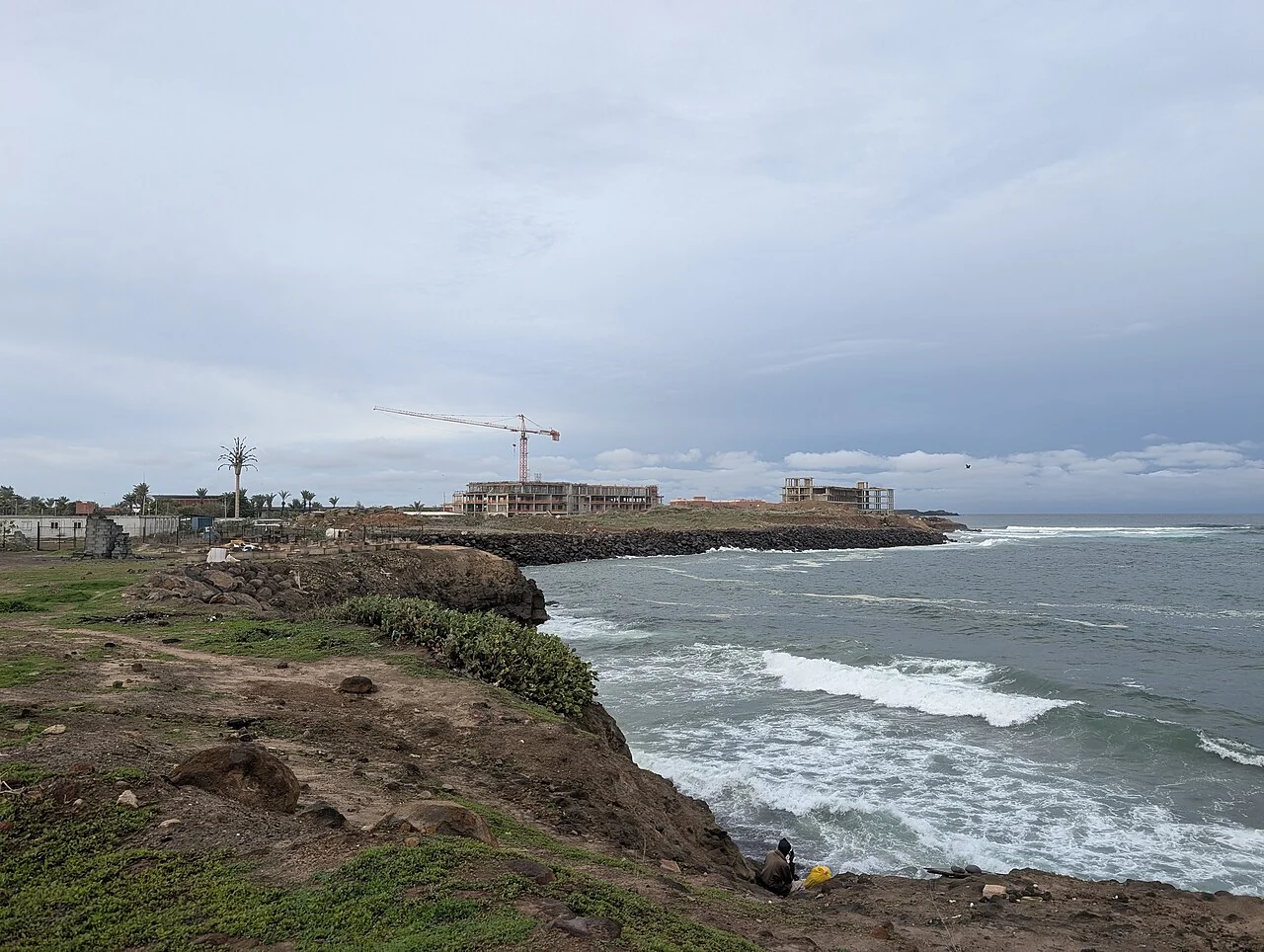
On the third day, choose a suitable permitted coastal place, nearby food and a rest period around the Corniche. The entire coast should not be treated as one continuous walking route or a safe swimming area. A sea view does not make entering the water compulsory; weather, currents, ground conditions and access require separate consideration. In the heat, a short coastal pause with an arranged vehicle return may work better than a lengthy walk. Historical images do not prove that today's buildings, roads or visiting arrangements remain unchanged. Spare time can go to reading, conversation or a cultural place whose current opening has been confirmed.
For a Plateau-heavy programme, a central base may simplify links to the museum and Gorée terminal. A Corniche or northern-peninsula focus may favour another actual address. Avoid automatic safety or quietness labels for whole areas. Compare the room's location, dependable collection, nearby meals, backup water and power, stairs and baggage storage. If changing hotels is not genuinely necessary within three full days, one base creates fewer baggage movements. A property's full address and the driver's contact matter alongside its name. Plan airport collection with checkout rather than imagining a journey of only a few minutes from the centre.
A ceebu jën lunch break
UNESCO's ceebu jën record describes a rice, fish and vegetable dish associated with the fishing communities of Saint-Louis. If it is on a Dakar menu, you can ask about this Senegalese meal; its place of origin is distinct from the city where you are eating it. Fish, shellfish and other ingredients can vary, so explain allergy needs clearly. Establish portion size and service arrangements before ordering. The record confirms a culinary tradition, not a particular restaurant's current menu or an identical recipe everywhere.

Lunch after the museum can suit the Plateau day, while an island meal should allow enough time for the ferry return. Eating too late on Gorée can compress that connection, so ask about opening and service time first. Food near your base on the coastal day avoids a second city-wide transfer solely for a restaurant name. Settle breakfast and water before leaving in the morning. City photographs are not presented as food plates when no meal image is available. Ask about prices and portions at the transaction; this guide invents no daily budget or story about tasting a meal.
Current conditions and a departure margin
FCDO advice reviewed on 4 October 2026 highlights crime and demonstrations in Dakar, including possible disruption on the airport road. Avoid secluded coastal walks after dark, handle valuables discreetly and arrange a dependable return vehicle. Separate risks in Casamance and border areas are not imported into a short city stay as routine excursions. Check current official entry and health documents for your own passport. UK travel advice does not replace passport-specific requirements.
If weather or ferry service changes, reduce the day according to dependable local information. Allow a joint margin for checkout, baggage, the vehicle and the flight on airport morning. Leaving cash withdrawals or shopping until the final minutes can make departure harder. The Stork separates the museum, island and coast across different days: giving one subject time can leave a clearer impression than exhausting every city name in one hurried outing.