
Poitiers: read objects and the city rather than wait for a closed church
This Poitiers itinerary helps visitors who hoped to enter Notre-Dame-la-Grande rebuild their visit around its current closure. The Tatilmerkezi Stork first considers how an object is interpreted at Sainte-Croix museum, then compares a façade detail, a street and a green hillside in the old city. A Futuroscope day or a driving tour of surrounding villages serves a different need. Allow two nights and three calendar days: arrival and a light introduction on the first evening, one complete cultural day in the middle, and breakfast and departure on the third morning. Do not count this as two full museum days.
Treating the centre as a flat city square can be misleading. Assess changes in height, your actual station-to-accommodation connection and luggage together. A present urban transport connection or a prearranged transfer may suit a hilly address better than arriving on foot late at night. You do not need a major exploration on arrival: finding the next morning's starting point, choosing an open place to eat and understanding the return route is enough. Think of this first evening as preparation with room for rest, rather than a completed sightseeing day or a competition to fit in attractions.
Sainte-Croix: separate archaeological interpretation from an art selection
Musée Sainte-Croix brings archaeology and fine art together at 3 bis rue Jean-Jaurès. The current tourism listing describes Tuesday-to-Friday weekday visits and afternoon access at weekends; Monday is closed. A Monday arrival can therefore work with a Tuesday full day, subject to checking exceptional closures. The advertised free summer period in 2026 ended in September, so do not budget an October visit from that old promotion. Check the institution's current admission arrangements rather than relying on a fixed price reproduced here. The season of your actual visit matters.

Instead of trying to finish every display, choose two different forms of interpretation. In archaeology, read an object's material, context of use and the parts of an explanation that are interpretation; in art, consider how a work presents a face or body. A museum owning a collection does not guarantee that every piece is on display that day. Confirm photography rules separately. If mobility is limited, discuss the entrance and floors with the institution beforehand: the tourism listing specifically records steps and restrictions on access between floors. Do not construct the museum day as a route that everyone can follow at the same pace.
Notre-Dame-la-Grande: place restoration information before the itinerary
The current official description states that Notre-Dame-la-Grande is closed to the public for restoration from late September 2024 to May 2027. For autumn 2026, do not make access to its nave, crypt or organ a certain part of the programme. Exterior observation also depends on the site's actual working arrangements. The tourism office's Maison du chantier information offers a separate way to learn about the restoration; reconfirm its visiting arrangements. An old interior photograph or a general attraction listing does not replace the specific closure notice. The programme needs to follow the more precise current information.

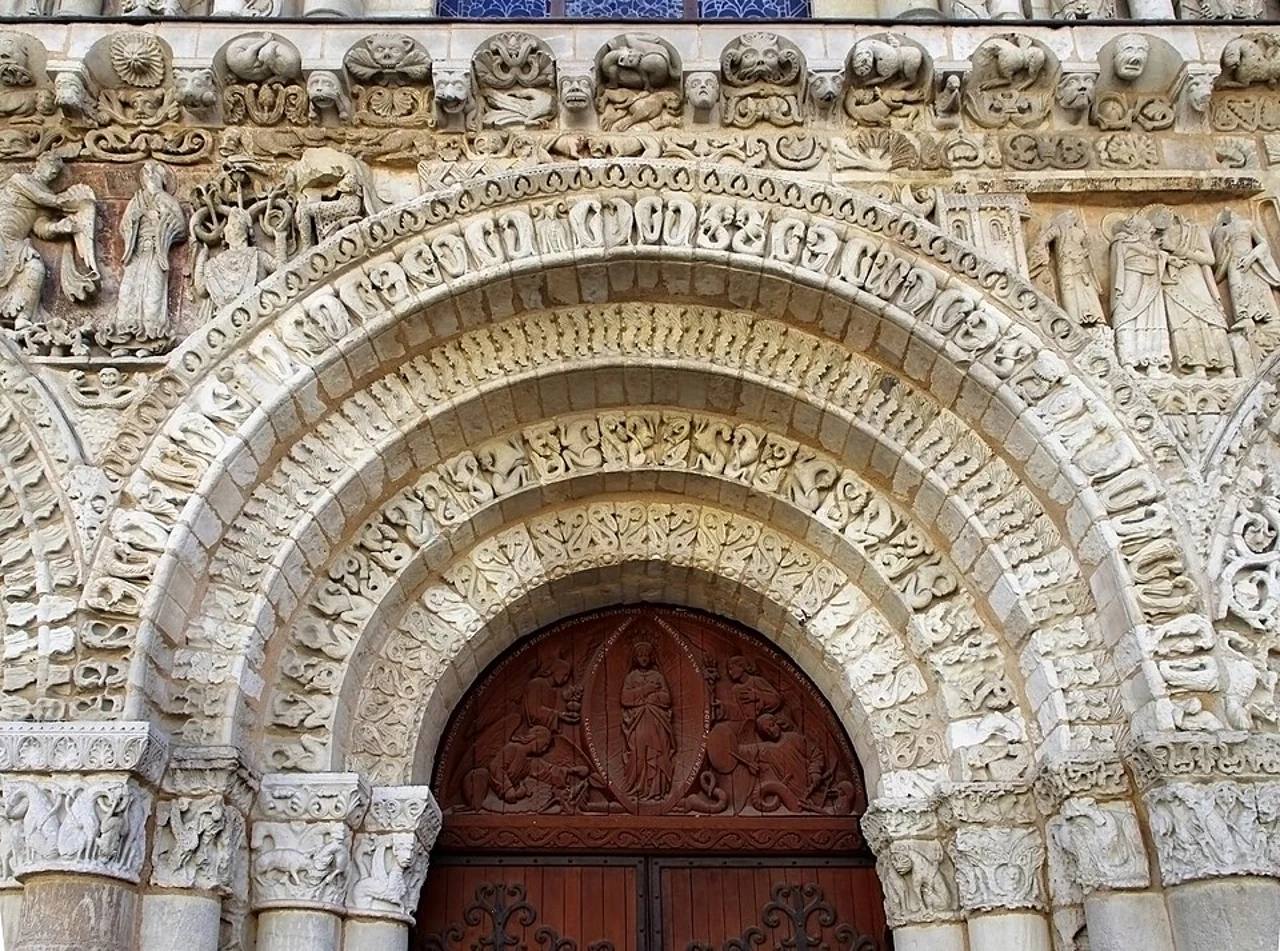
If a safe exterior viewpoint is available, focus on a carved figure or an arch detail. The historic photograph here supports a comparison of stone carving; it does not document every aspect of present access. Move from that monumental detail to a smaller street scale to consider the difference between a celebrated building and ordinary urban space. The official page has not confirmed Christmas 2026 projection dates, so this guide does not promise an evening light show. An outdoor walk that does not depend on an event stays easier to adapt to both closure conditions and weather.
Palais, Saint-Jean and Blossac: choose a focus rather than another checklist
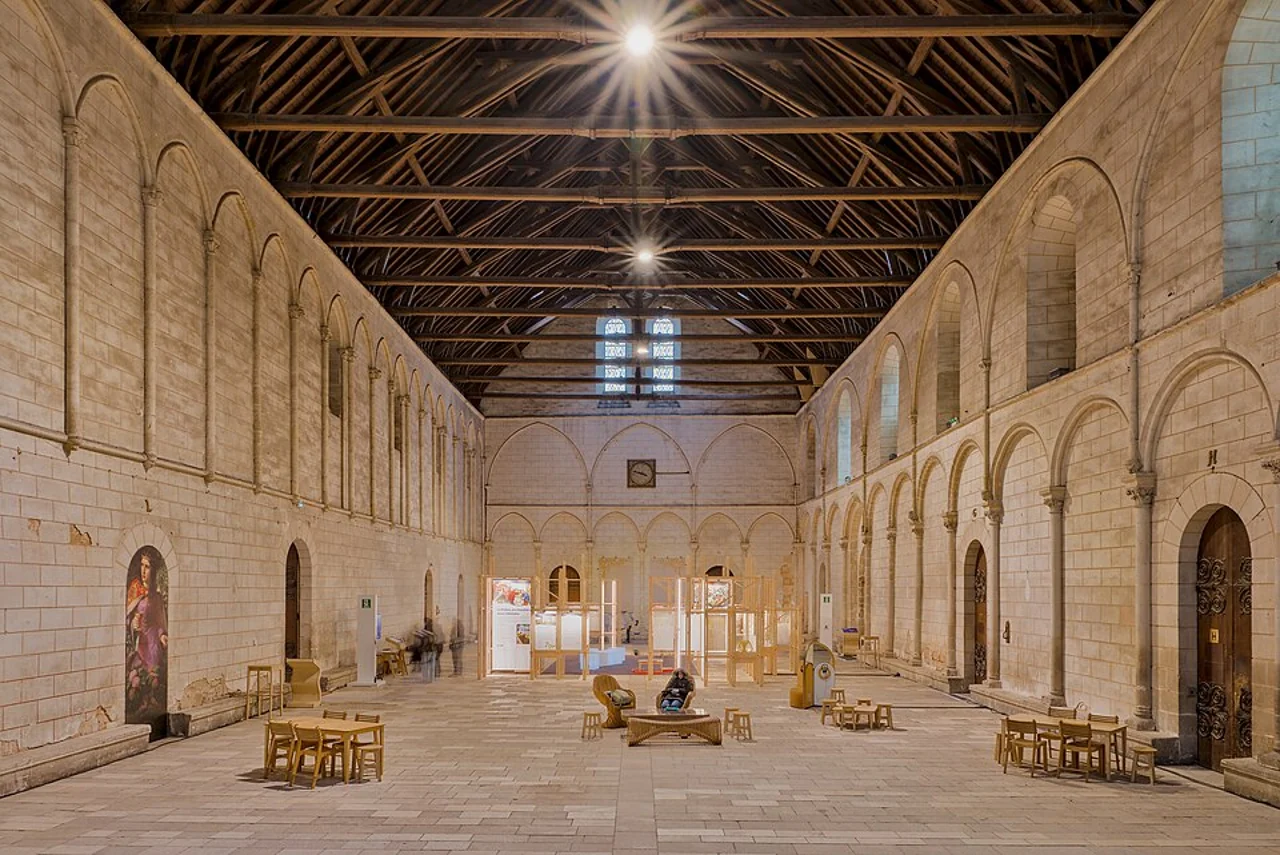
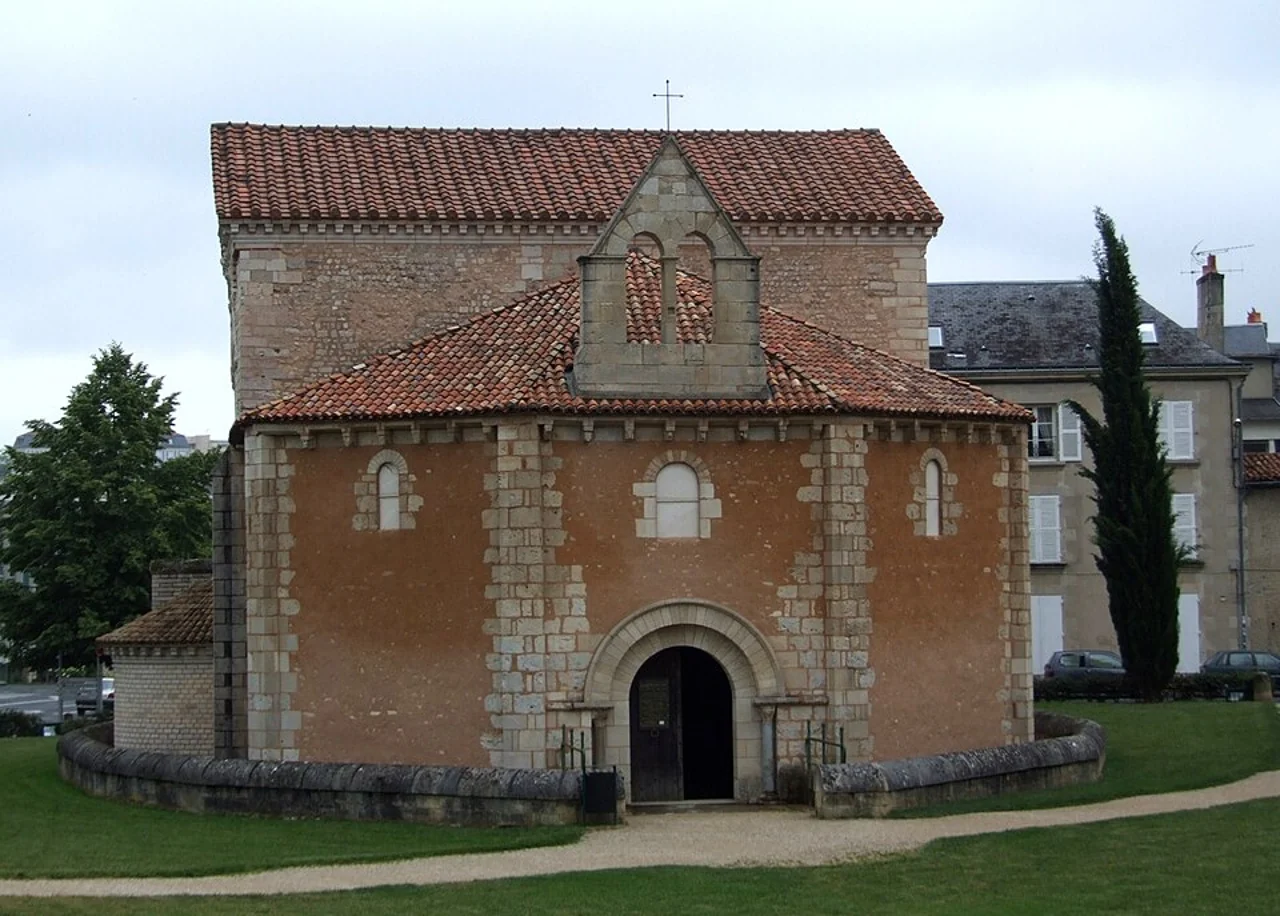
The Palais surroundings provide the scale of a large civic building, while the exterior of Baptistère Saint-Jean offers a smaller architectural mass for comparison. The historic photograph of the Palais's great hall records a past appearance; it guarantees neither access that day nor its current arrangement. If adding an interior visit, obtain that institution's actual conditions. After Sainte-Croix, choose one principal exterior focus instead of making both Palais and Saint-Jean interiors compulsory stops. This leaves genuine time for lunch and rest rather than assuming every listed door can be entered immediately.

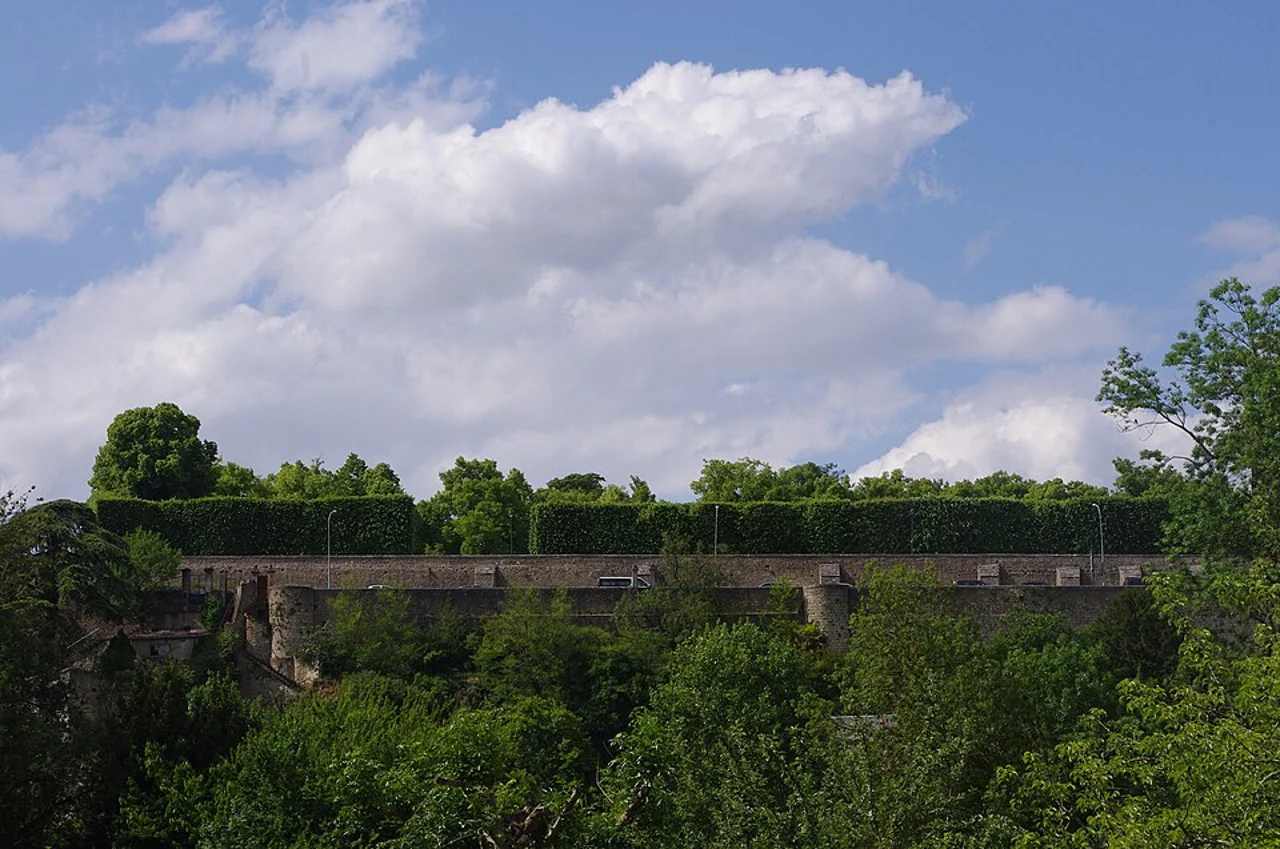
For a more open setting, the Blossac surroundings can provide the day's green focus. A park's upper edge and ramparts describe something different from the hillside viewed from a lower street; the height of your viewpoint helps explain the settlement. Select a suitable resting spot, take a short break and shorten the return according to your energy. This guide does not claim that every park area is always open or level. In rain, consider alternatives to steps, stone surfaces and steep connections. Leaving some space after the museum makes it easier to remember two meaningful observations rather than a sequence of names.
Broyé, chabichou and farci: connect a tasting to a real meal
Among specific Poitou foods, broyé du Poitou is a large dry, crisp cake resembling shortbread; a small piece can accompany a tea or coffee break. Chabichou du Poitou is a goat's-milk cheese. Farci poitevin is a regional preparation of greens and vegetables, but some versions include pork products. Do not automatically classify every farci as vegetarian. If these products appear on a menu or at a counter, ask about ingredients before choosing. A regional product's name is not a guarantee of stock, a standard serving or a particular business being open that day.
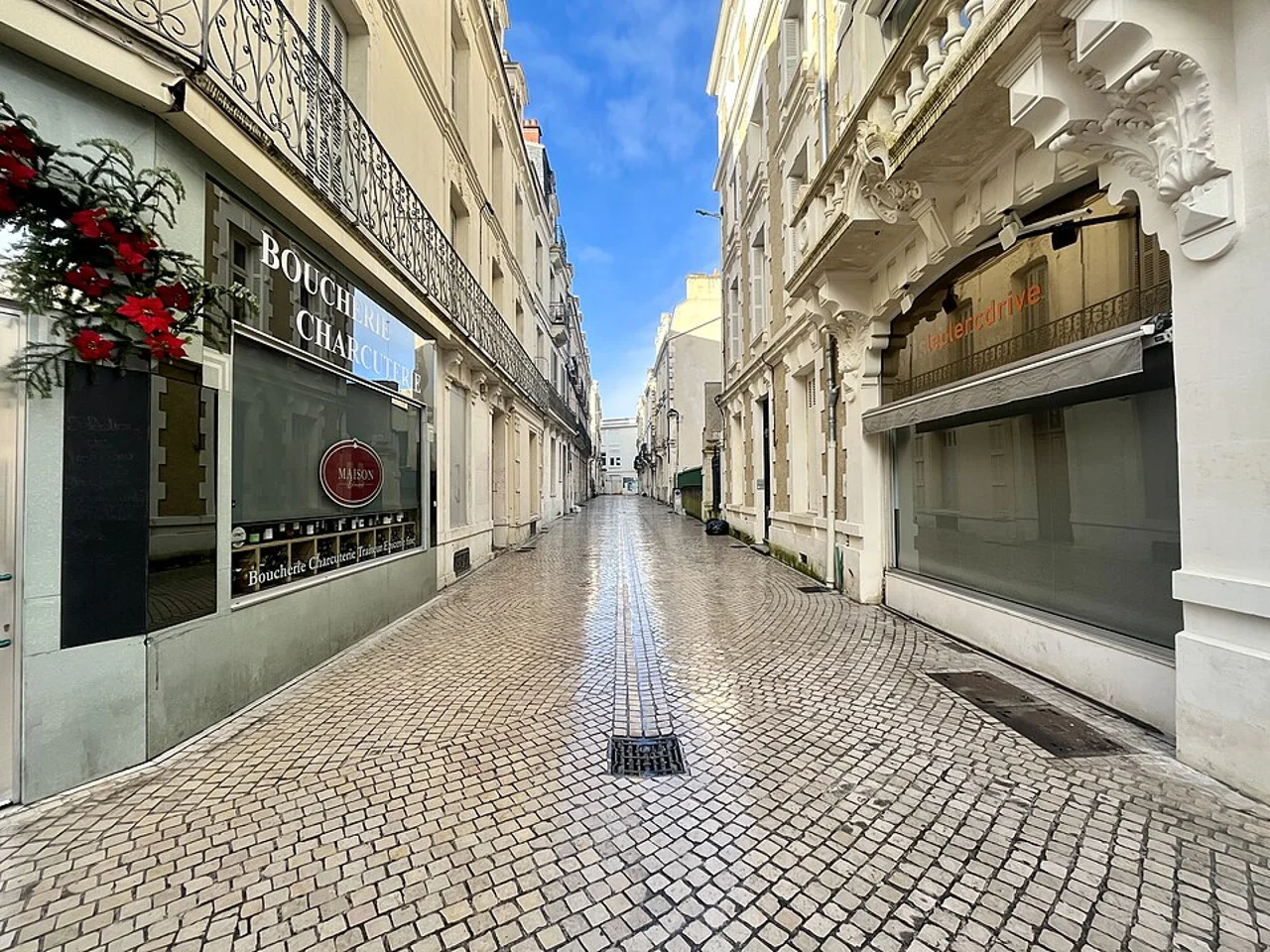

If you want a main meal rather than a sweet snack, consult the actual menu of an open business. Buying cheese is not equivalent to receiving a seated meal service; consider portion size and storage during your onward journey. Placing a broyé break after an intensive museum visit is more useful than simply ticking off a famous food. Ask the seller directly about allergens and animal ingredients. This guide adds no price ranking, best-restaurant claim or promise of free tastings. Its street photographs do not show these foods on plates and should not be interpreted as proof of a restaurant menu.
Stay and the third morning: account for the centre's height
Choose accommodation by weighing proximity to central walks against an easy return to the station. An attractive historic façade may not reveal entrance steps or the burden of carrying luggage; check the actual address, lift and late-arrival arrangements. If transport is required between the museum and dinner, confirm tickets and the last useful connection with the current operator. Assess your own route's slopes rather than accepting a single walking time for the whole city. In poor weather, retain the museum focus and shorten the park section. A good overnight base should support the actual day rather than merely look impressive in an advertisement.
Leave the third morning for breakfast, luggage and departure instead of starting another complete programme. The Stork's questions from this visit concern how a museum object is interpreted, how an honest visit can be designed around a closed monument, and how a hillside city changes an everyday route. Sources were checked on 5 October 2026; photographs come from separate past dates. Reconfirm the church restoration, museum-floor access and temporary programmes before travel. A strong Poitiers day does not require opening every door: it requires understanding two distinct layers that you can genuinely experience within the available time.