
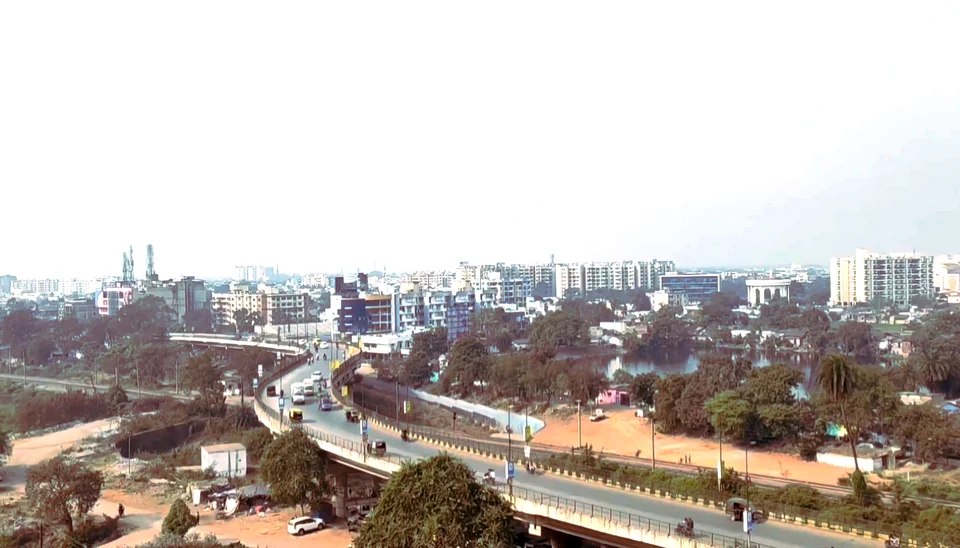
Raipur: a museum, a monastery and a Chhattisgarh meal
The Tatilmerkezi Stork proposes a city-scale cultural pause in Raipur before committing to a wider Chhattisgarh journey. This guide's distinct purpose is to understand regional heritage at Mahant Ghasidas Museum, visit Dudhadhari Monastery according to current visitor arrangements and place concrete local dishes such as Faraa or Chila into the day. Three calendar days and two nights provide one full city day between arrival and departure. Readers wanting two full days can extend to four calendar days and three nights. Parks in Naya Raipur, archaeological sites at Sirpur and distant nature routes are not forced into the same short schedule. An object displayed in a Raipur museum can originate elsewhere without implying that its place of origin is visited on this trip. Keeping that distinction clear improves both the geographical plan and the way the region's history is read.
Three calendar days: organise one complete city day
Day one is for arrival, leaving luggage and an evening meal near the accommodation. On day two make Mahant Ghasidas Museum the principal first visit, giving selected galleries time rather than rushing through every room. After lunch plan a separate connection to Dudhadhari Monastery. Visit the areas currently open at a quieter pace; if weather allows, a modest Swami Vivekananda Sarovar pause can follow later. Day three is the departure transfer. There are therefore two nights but only one full sightseeing day. If the museum is closed on your proposed date, change the day or adjust the visit blocks to an actual arrival window. Excluding a distant safari prevents this cultural stay from disappearing into a succession of transfers. The order is a planning recommendation, not a statement that every attraction remains open at the same hours throughout the year.
Mahant Ghasidas Museum: distinguish building from collection
Incredible India identifies Mahant Ghasi Memorial Museum as a regional heritage institution in Raipur; the name also appears as Mahant Ghasidas. After observing the building, organise attention around one main theme instead of trying to consume every gallery in a single sweep. Stone sculpture, inscriptions and everyday objects pose different historical questions. Read the label's findspot and period before looking closely at form and material. With children, choosing a few objects and discussing why they were preserved may work better than an exhaustive list of rooms. Ask the institution about stairs, currently open floors and an accessible route. An old admission amount online should not become a fixed budget claim: establish current opening hours, charges and interior photography conditions from the institution. The building photograph supplies a dated exterior record, while the actual visitor experience depends on the arrangements in force on the day.


Read an object from Sirpur while staying in Raipur
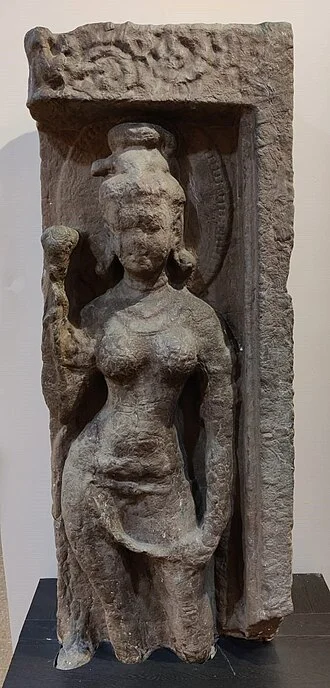
The source description of the fragmented river goddess illustrated here associates it with approximately the eighth–ninth centuries, an origin at Sirpur and display at Mahant Ghasidas Museum in Raipur. The planned visit is to the museum, not a claimed excursion to Sirpur. Separating an object's origin, estimated date and present collection is a useful museum habit. Look beyond the face towards the break, pose and surviving carved setting. Do not turn an imagined reconstruction of the missing portion into a definite historical statement. If comparable objects are on display, use them for a limited comparison without assuming every piece shares the same period. The photograph also does not promise that this object retains an identical case or location today; ask staff where it is currently displayed if the gallery changes. This provides regional context without squeezing a separate archaeological destination into the short city itinerary.

Dudhadhari Monastery: respect a living worship setting
The monastery and temple, also written as Doodhadhari, is introduced by the official tourism channel as a religious site dedicated to Rama. Following the museum with this visit allows preserved objects and a living worship setting to be understood separately. Learn the current entry arrangement and areas available to visitors; do not assume every courtyard, hall and sacred section is accessible in the same way to everyone. Follow staff guidance for shoes, bags and photography. Where a ceremony is under way, waiting without interrupting or keeping to an exterior observation is an ordinary part of an adaptable itinerary. Appreciating architecture does not require aiming a camera at people praying. Confirm the actual afternoon access window before travel rather than fixing the visit to an old online timetable. If there is a long midday closure, exchange the meal and monastery blocks instead of forcing the day to follow a rigid sequence.


Choose a local meal with Faraa, Chila or Bara
The national tourism channel's Raipur food account names Faraa, Chila and Bara. It introduces Faraa as steamed rice-dough dumplings, Chila as a rice-and-urad-dal breakfast preparation and Bara as a snack using urad dal. Treat them as concrete examples from Chhattisgarh's table, not dishes claimed to exist only in Raipur or to follow one identical recipe in every kitchen. The museum's official description also mentions a dining area called Gadhkalewa; after confirming its current service and menu, it may suit the museum day's lunch pause. A smaller Chila meal with a hot drink, or Faraa with an appropriate accompaniment, need not lead to a complicated evening reservation. For sesame, dairy, pulse or peanut allergies, establish the actual ingredients with the kitchen. A dish listed in this guide is not a guarantee that a particular vendor prepares it on your travel date.
Swami Vivekananda Sarovar and an optional second full day
Swami Vivekananda Sarovar, also introduced as Budha Talab, is an urban lake. A short open-air pause around its shore can complete the full touring day; do not make a particular show, fountain performance or timed event a guaranteed centrepiece. Heat or rain is a reason to shorten a walk without diminishing the museum and monastery visits already completed. Stay within permitted walking areas; entering the water is not part of this route. With four calendar days and three nights, the second full day can provide more museum reading and a leisurely meal, or a separately arranged vehicle journey to Purkhauti Muktangan. The district administration lists that cultural garden as a distinct attraction; it should not be treated as a park only a few steps from the central museum. Calculate the return connection before adding it, keeping the eventual departure transfer free of last-minute pressure.
Accommodation and arrival: distinguish Raipur from Naya Raipur
Compare the central cultural visits with the departure connection when choosing accommodation. The station area may suit an early train, while a central address can support the museum day; neither automatically makes every transfer walkable. Staying towards Naya Raipur requires separate time and transport for the central museum and monastery circuit. The district's arrival information identifies Swami Vivekananda Airport, Raipur Junction and road connections, while the AAI airport page supplies an institutional passenger information channel. Check date-specific flights, trains and vehicle services with their operators. A luggage transfer may need a different arrangement from a sightseeing journey. The airport entrance photograph is dated 2024 and does not determine today's passenger procedures. Sources were checked on 4 October 2026. Complete this modest city pause around the real arrival window and institutions currently open rather than copying an assumed universal schedule.

