
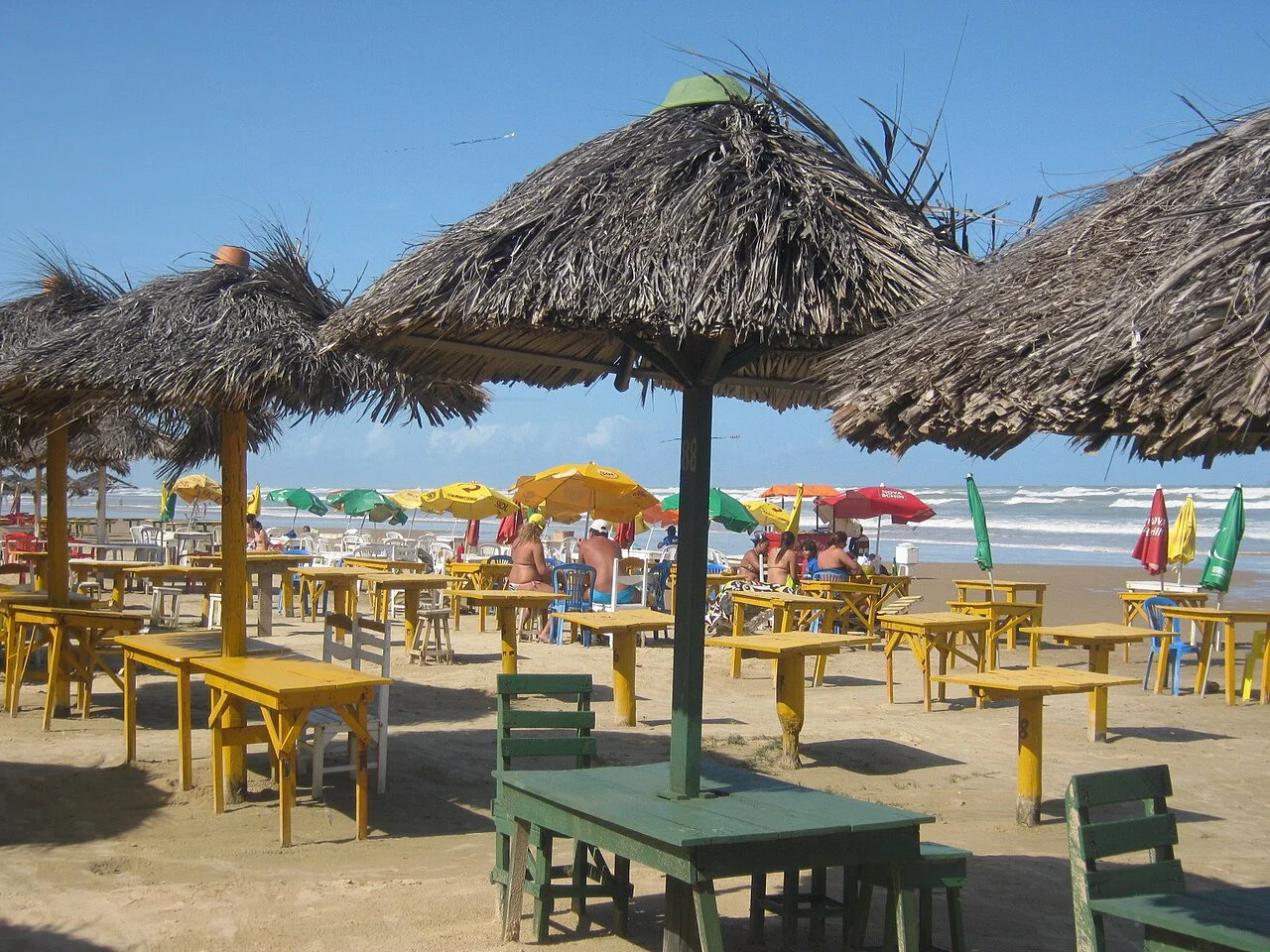
One night and two days in Aracaju become more meaningful when the central river edge and the Atalaia coastal area are treated separately. The Tatilmerkezi Stork invites you to notice a historic facade, choose a real meal and leave dedicated time for the coast rather than collecting every beach in a day. These parts of the Sergipe city answer different needs. The first supports orientation and an architectural observation; the second gives room for rest and a planned return. For food, this guide uses ingredients actually read in an operator's own menu instead of inventing the contents of a famous dish. It is possible to build a small arrangement specific to Aracaju without renaming another Brazilian coastal itinerary. The main benefit is clarity: centre, coast and selected dinner each have their own place in the visit.
Central day: read the Rio Branco facade at street scale
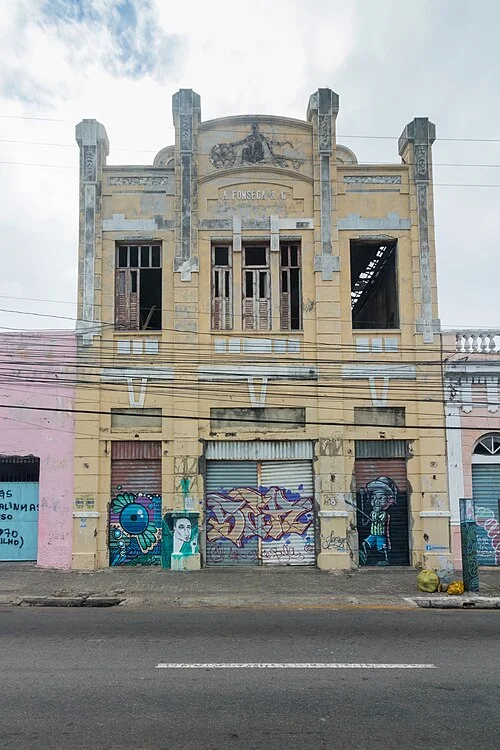
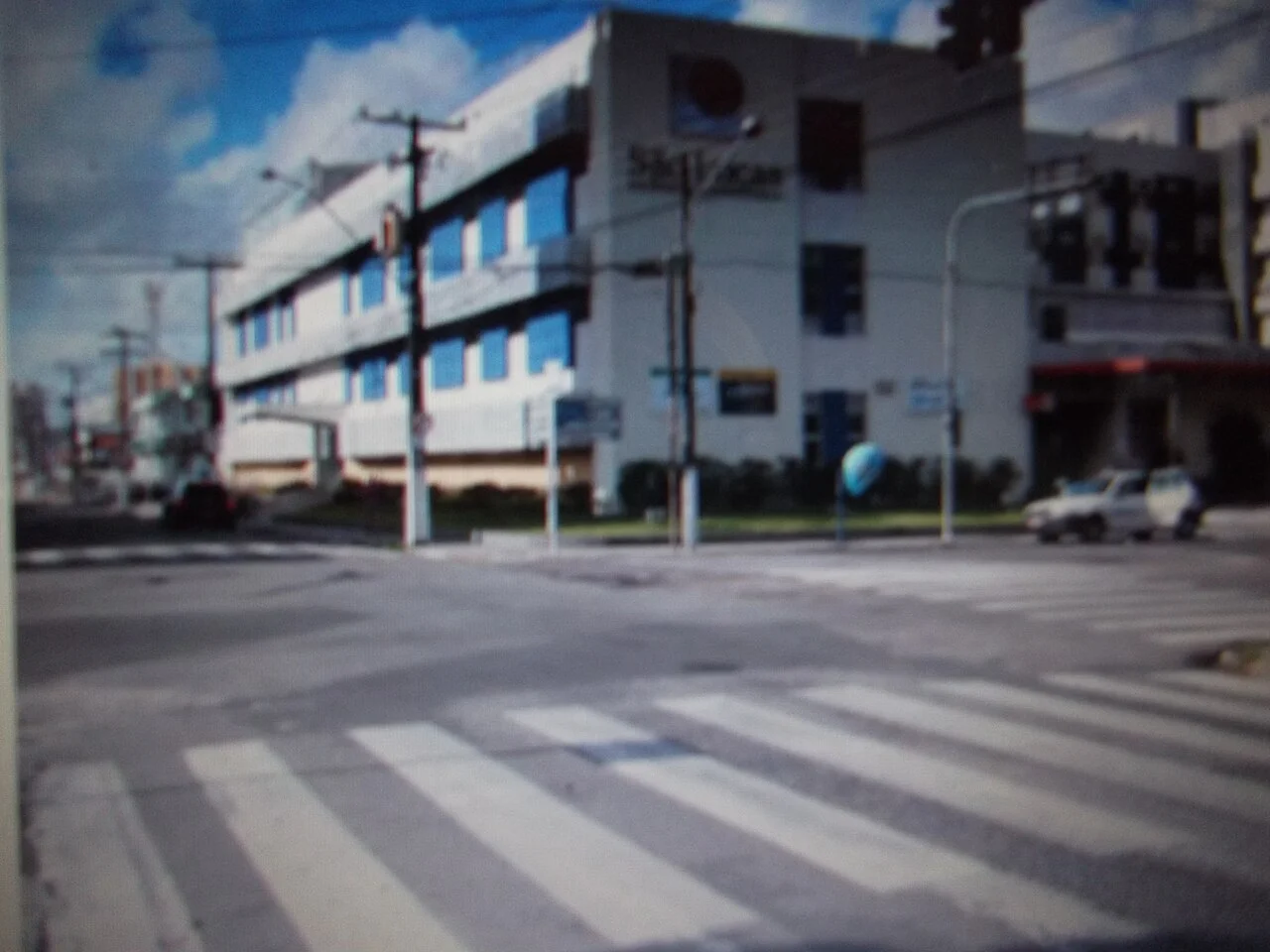
Begin with the central urban fabric. The historic A. Fonseca & Cia exterior on Avenida Rio Branco is a selected scene for looking closely at the centre. It is not presented as an open museum or a visitor room that everyone can enter. An observation from the public street meets this part of the plan. Facade proportions, the upper structure and its relationship with the road offer a different experience from shopping alone. The photograph is dated; writing on the building and markings near it are not current admission or business evidence. If staying centrally, mark the room, this street and your actual meal address as separate places. Rather than spreading the first day across numerous buildings, select one historic facade, the river direction and a rest stop. Rain on arrival can shorten the exterior observation and leave the remaining time for a properly timed meal. A modest central day can still show a city texture beyond its beach reputation.

Rio Sergipe: use a historic view to understand direction
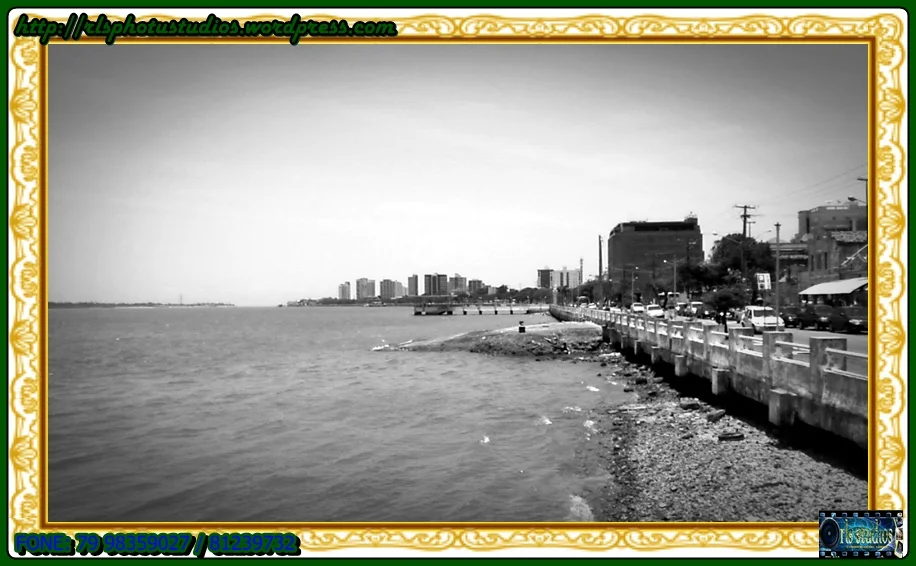
The relationship between streets and water around Rio Sergipe helps explain the central side of Aracaju. The river image is not a boat-tour promise; it documents a particular past waterfront scene. For a walk or seated pause, choose your own beginning and return points. This is a short observation within the central day rather than a compulsory route along the entire river. Avoid stepping into traffic or using an unstable waterfront position for a photograph. Understanding different city scales may not require going far: changing pace between a building facade and a waterside open space can be enough. If Atalaia comes later, finish the central section as its own task. Do not assume centre and beach form one continuous, comfortable walking line. The accommodation or vehicle point you intend to return to should not become a fresh search at the end. A clear stopping point makes this river observation a useful break instead of an open-ended obligation.

Atalaia area: leave the coast its own day
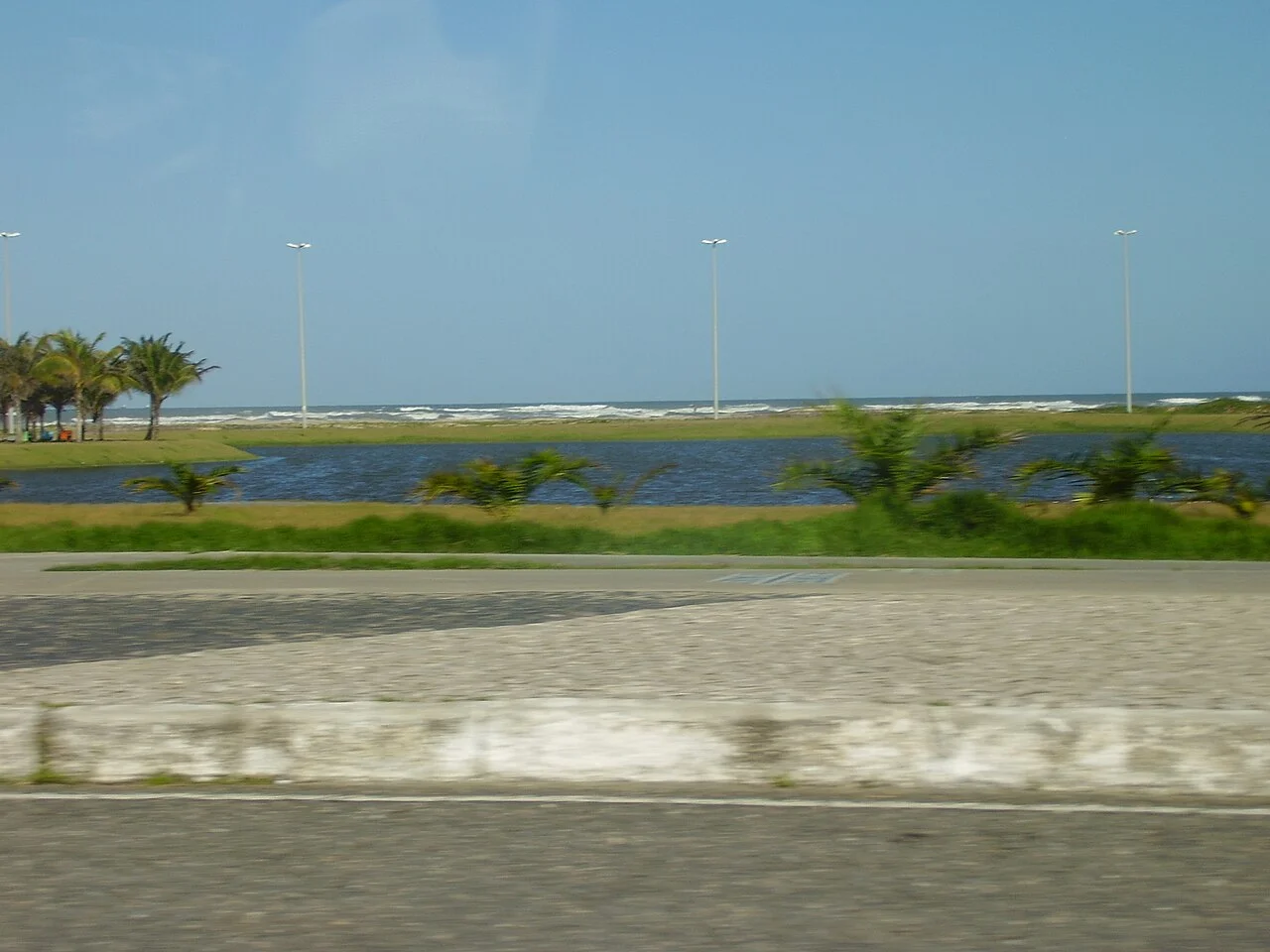
For the second day, select the Atalaia coastal area as a separately connected focus rather than an extra central street. There is no duty to walk its full length. A start near your hotel entrance, an outdoor pause and a known return point can keep the day small. A broad coastal image shows the relationship between sea, open space and city; it does not prove that the same businesses or table arrangements are available every day. Staying near the coast may make food and rest easier for a traveller managing luggage. However, that accommodation choice still needs a separate connection for the first day's historic centre. Seeing the difference between these areas early reduces unnecessary backtracking. An ocean view is not a guarantee of swimming safety. If conditions do not suit an outdoor stop, shorten the coastal section and give more time to a meal and rest at the room. The value lies in a workable coastal day, not in matching a dated photograph exactly.

A real meal: Espetinho Aju in Ponto Novo
Espetinho Aju's own menu gives Av. São João Batista 548, Ponto Novo and Tuesday-to-Sunday service from 5pm. Its carne do sol plate combines house-prepared meat, onion and bottled butter with cheese pieces and macaxeira. Atoladinho de carne combines cassava cream, beef rib and gratinated cheese; pastel fillings include charque and a cheese-and-guava option. These offer a concrete dinner choice. The restaurant is not at the same address as the central river walk: arrange the Ponto Novo connection separately. No Monday opening is promised. Choosing one plate and organising the return is more useful than turning the entire menu into a compulsory tasting list. Future fixed prices and universal dietary suitability are not claimed. Bottled butter, cassava and meat provide regional product context for the city break, while the exact preparation belongs to this operator's recipe. The guide's town photographs are not restaurant serving photographs.
Ivo do Prado and Sementeira: keep alternatives at the right address
Caçarola's own page shows its current address as Av. Ivo do Prado 532. Do not confuse older market-address references with the present operator location. Because the complete menu ingredients were not verified here, a popular dish name is not expanded into an invented recipe; the definite meal example comes from Espetinho Aju's readable menu. If wanting a central alternative, use Caçarola's own current business information. Sementeira is a separate outdoor option: the council's September 2026 notice describes its sensory-garden section. Consider it a short plant and walking pause, without turning the description into a treatment or health-benefit claim. River, beach, garden and Ponto Novo dinner do not all need to fit into one day. Choose the outdoor area that works with the actual room address. For an overnight visitor, these possibilities can replace one another as readily as they can be combined. One selected green-space break is often more coherent than several disconnected transfers.
Accommodation and transport: compare three actual addresses
The plan contains three real areas: centre, Atalaia and Ponto Novo for the selected meal. Ask which one matters most before choosing accommodation. A central room is a practical suggestion for the historic facade and river day; an Atalaia room may fit the coastal morning better. Do not assume that all three lie in the same neighbourhood. Compare the room entrance, meal address and departure point on one map. If choosing a taxi or app-based car, enter the real start and finish; this guide does not invent a single bus number as a universal solution. For public transport, use current municipal information and the day's actual stops. Keep the return after an evening meal explicit. A river or coastal image does not mean every late walk is appropriate. Luggage storage and the final connection can matter more to an overnight stay than a familiar hotel photograph. A small plan works when those practical addresses fit, not merely when the city name is the same.

Finish two days with the meal calendar and current advice
The suggested sequence is one overnight stay across two days: a short centre-and-river line first, then coast and departure. On a Tuesday-to-Sunday visit, add the Ponto Novo dinner with its separate connection. A Monday arrival should not ignore the verified operator's closed day; choose another current menu or change the meal arrangement. At the 5 October 2026 check, the UK's FCDO advice for Brazil carried current information about the 4 October elections and political events. Avoid political gatherings and follow local transport changes; this guide does not declare every route safe. The Tatilmerkezi Stork's small-city rhythm is to be satisfied with a historic facade, a concrete plate and a separate coastal pause. Once those priorities fit, Aracaju becomes more than a beach name: it is a city read through daily life and different neighbourhoods. Sources were checked on 5 October 2026. Current institution and operator information should guide arrangements for a later journey.