
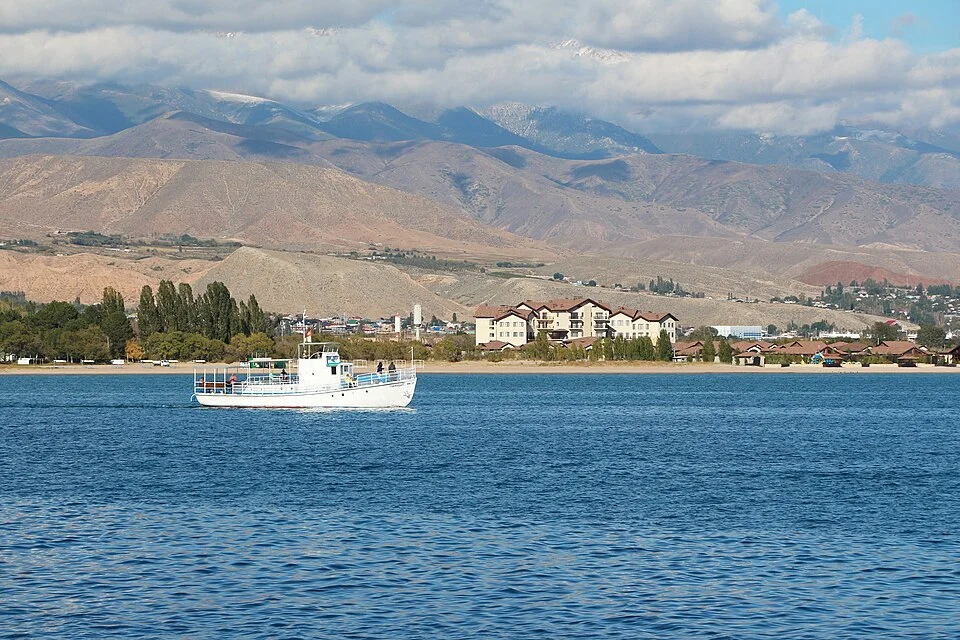
Kyrgyzstan: a measured first route between lake and mountains
Tatilmerkezi’s Stork opens its wings between Bishkek and Issyk-Kul. A rewarding first visit to Kyrgyzstan need not squeeze every high pass into a single week. This country plan connects the capital, Burana, the northern lakeshore and the Karakol area, leaving Osh and the distant Pamir roads for a different journey. Mountain scenery is inviting, but a short valley walk and a high-altitude crossing require different preparation. Choose your pace through the combination of season, walking experience and the hours you are willing to spend travelling. The aim is a readable route with time to notice the lake, rather than a catalogue of distant places.
Nine calendar days with space for the transfers
The sample schedule is nine calendar days and eight nights. Day one is arrival in Bishkek and rest; day two is the city and a local meal; day three is a short Ala-Archa nature outing if conditions permit. On day four, travel to the northern shore of Issyk-Kul with a possible Burana stop. Keep day five for the lake. Day six takes you to Karakol, with only a brief town exploration after check-in. Day seven is a conditions-dependent outing around Jeti-Ögüz; day eight is the return to Bishkek; day nine is departure. Days four, six and eight include transfers, not unlimited sightseeing. Do not add another valley to the longest driving day.
Bishkek and Ala-Archa: an introduction to the landscape
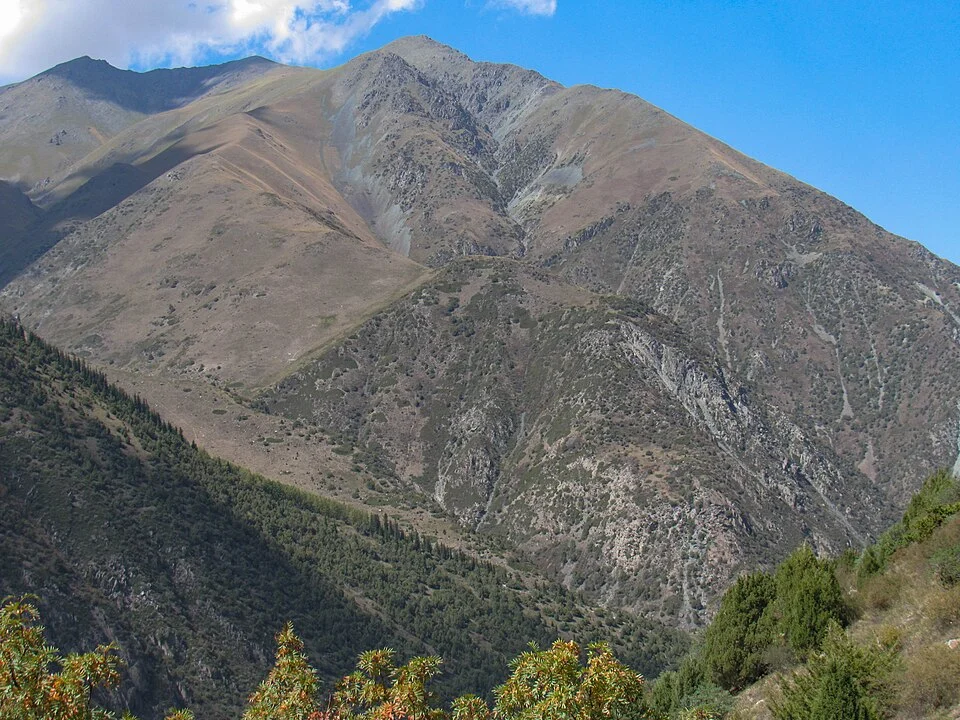
Spend the first full day in Bishkek around broad avenues, shaded walking breaks and a proper meal. If you visit Osh Bazaar, keep bags close and avoid dividing your attention between shopping and photography. Ala-Archa can introduce the scale of the mountains on the following day; this suggestion is not a summit climb. Arrange the vehicle and return meeting point before setting out, then use a short route considered suitable locally. Replace the outing with a city day if snow, falling rocks or weather warnings make access unsuitable. Water, layered clothing, sun protection and a clear return plan help keep a modest nature day comfortable without pretending every visitor has mountaineering experience.

Burana on the way to the lake
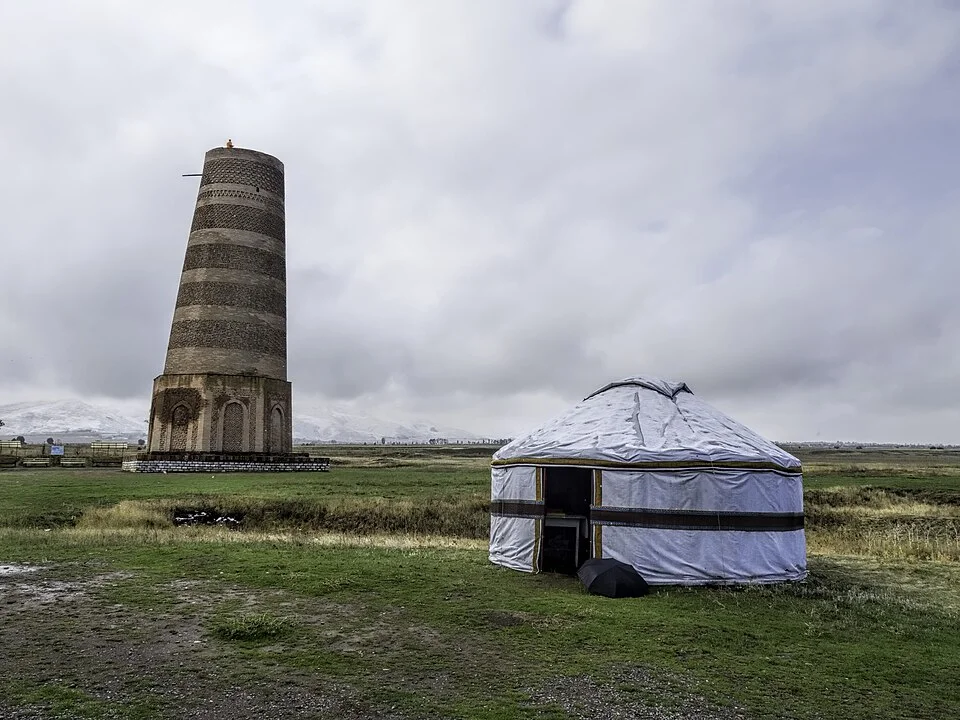
Consider Burana Tower as a separate stop on the Bishkek-to-lake transfer, provided the vehicle schedule and site conditions allow it. The remains of Balasagun give the Chuy Valley a historical dimension beyond the modern road journey. UNESCO’s Chang’an–Tianshan Corridor includes components in several countries; it does not turn every Kyrgyz landscape or the entire lakeshore into one World Heritage site. Check the tower and museum access for your actual date. If the stairs, weather or footing are unsuitable, studying the exterior remains worthwhile. Allow time for the visit without turning your lakeside arrival into a late-night drive. A historical stop should improve the transfer day rather than overload it.

Issyk-Kul: choose a shore and spend time there
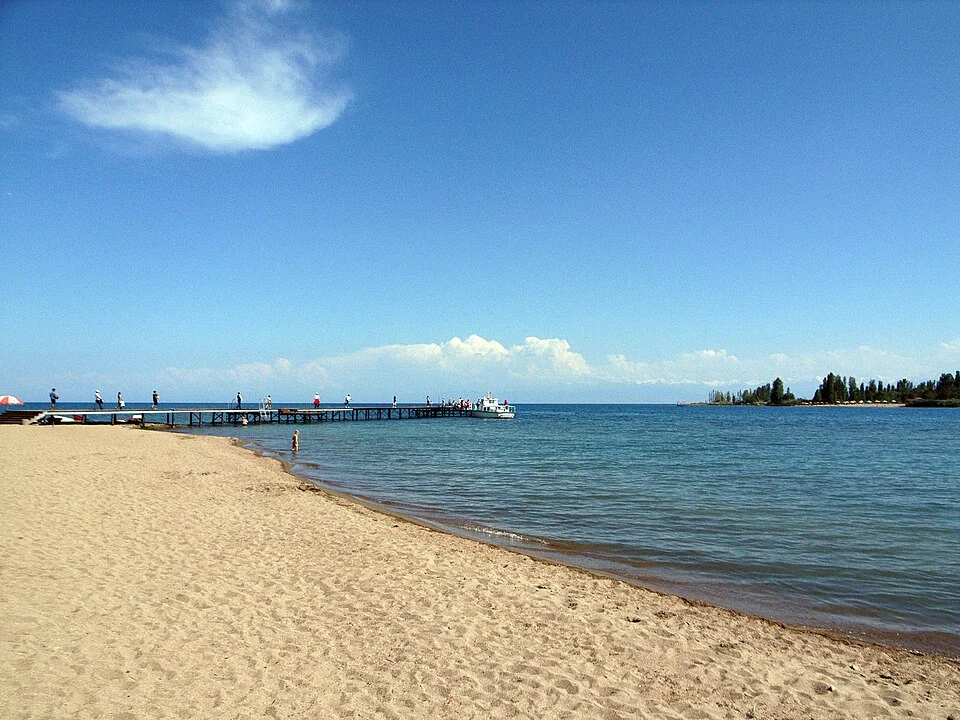
The northern shore around Cholpon-Ata is a practical starting option for combining a lake day with accommodation. Proximity to the water does not automatically mean tranquillity: ask about road noise, the walk to the beach and which services operate in your season. Leave a full day for shore walks, rest and a possible swim if water and weather conditions are suitable. Remove swimming from the plan when they are not. Before a motorised water activity, check the operator, life jackets and current safety arrangements. Commuting between the north and south shores every day consumes the time you came to enjoy. A country itinerary works better when it gives one chosen shoreline a genuine afternoon.

Karakol and Jeti-Ögüz: a nearby valley, carefully chosen
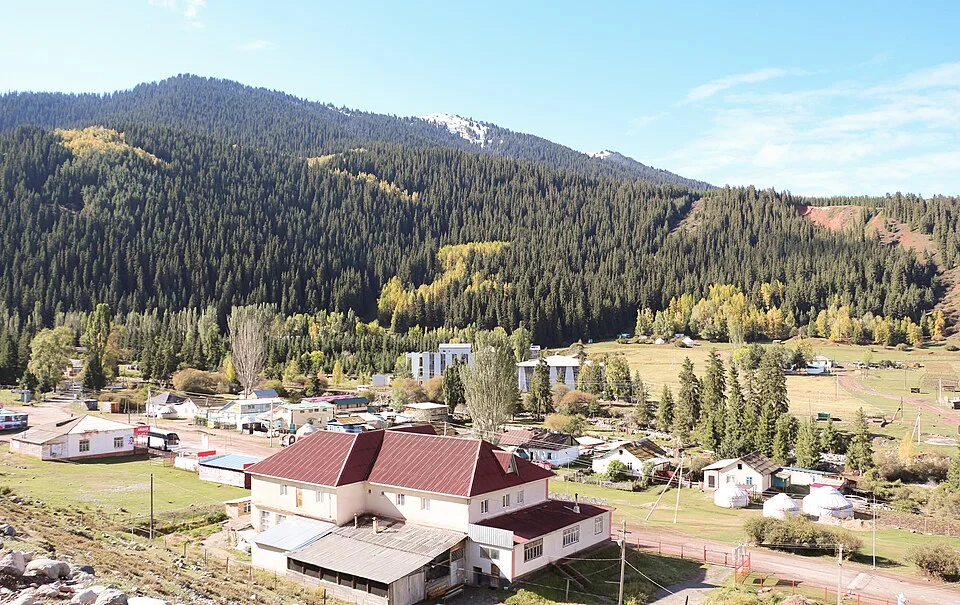
Use Karakol at the eastern end of the lake as a second base for town time and nearby valley movements. On the transfer day, check in, take a short central walk and confirm the following day’s transport. The Jeti-Ögüz area combines settlement, wooded slopes and rock scenery that can support a modest nature outing. Discuss the final access road and walking route with a local guide. A location shown in a photograph is not proof that an easy path reaches it. High lakes such as Ala-Kul are deliberately outside this gentle nine-day outline. They require separate time, altitude preparation, suitable equipment, a guide and insurance covering the activities actually undertaken.

Accommodation and transport: three different choices
In Bishkek, choose an address with convenient meals and a night-time return you can arrange in advance. At Issyk-Kul, ask for a precise description of shore access. In Karakol, prioritise a straightforward early vehicle meeting point and nearby dinner options. With a family-run stay, confirm heating, hot water, bathroom arrangements and the room you will receive. A summer lakeside property may not offer identical services in another season. FCDO notes maintenance concerns involving roads and minibuses, so this outline favours pre-arranged long transfers in daylight. Clarify the whole route, stops, seat belts and waiting arrangements with the driver. No fixed travel time or invented current fare is needed to make that decision useful.
A local meal: beshbarmak and manty
Give a local meal its own place in the trip instead of reducing it to a hurried road snack. NAVAT’s operator-published Bishkek menu provides concrete examples such as beshbarmak and manty. It demonstrates available menu styles, not a promise that every restaurant follows the same recipe or stocks each item continuously. Ask about the meat-and-dough combination in beshbarmak and the filling and portion of manty. Specify your preference because meats vary between dishes. An evening reserved in town is a better moment for a substantial meal than a tight stop immediately before a long transfer. Bread and tea can make a relaxed bridge between city walking and the next nature day. Old menu prices are not reproduced as present-day rates.
Entry, borders and mountain conditions need separate checks
Use the official e-visa portal for requirements matching your own passport and proposed stay. A duration written for another nationality does not establish your entitlement. Although the 2025 agreement was followed by no reported further border clashes, mines and unexploded ordnance remain concerns around parts of the Tajik border, including Batken. That border is outside this first route. Mountain weather changes quickly, and high ground may receive summer snow or cause altitude problems. Avoid solo trekking, share the return plan and be willing to cancel. Read current official advice and confirm activity insurance before departure. The prohibition on importing e-cigarettes and vaping devices also belongs in your packing check rather than becoming an unpleasant surprise at arrival.
Season and the final plan: fewer stops, more time
Summer makes a lake-and-short-valley combination easier to envisage; in autumn and winter, snow, heating and road access carry more weight. Move the mountain day according to the actual forecast, rather than treating the calendar as a guarantee. Returning to Bishkek on day eight keeps a long road journey away from the departure morning. Do not consume that buffer with an extra excursion. The Stork’s suggestion is to leave one unscheduled lakeside afternoon and one unhurried evening in town. Sources were checked on 4 October 2026. Reconfirm entry, road, park and accommodation conditions near your departure, and do not design the whole journey around the season shown in a photograph.