
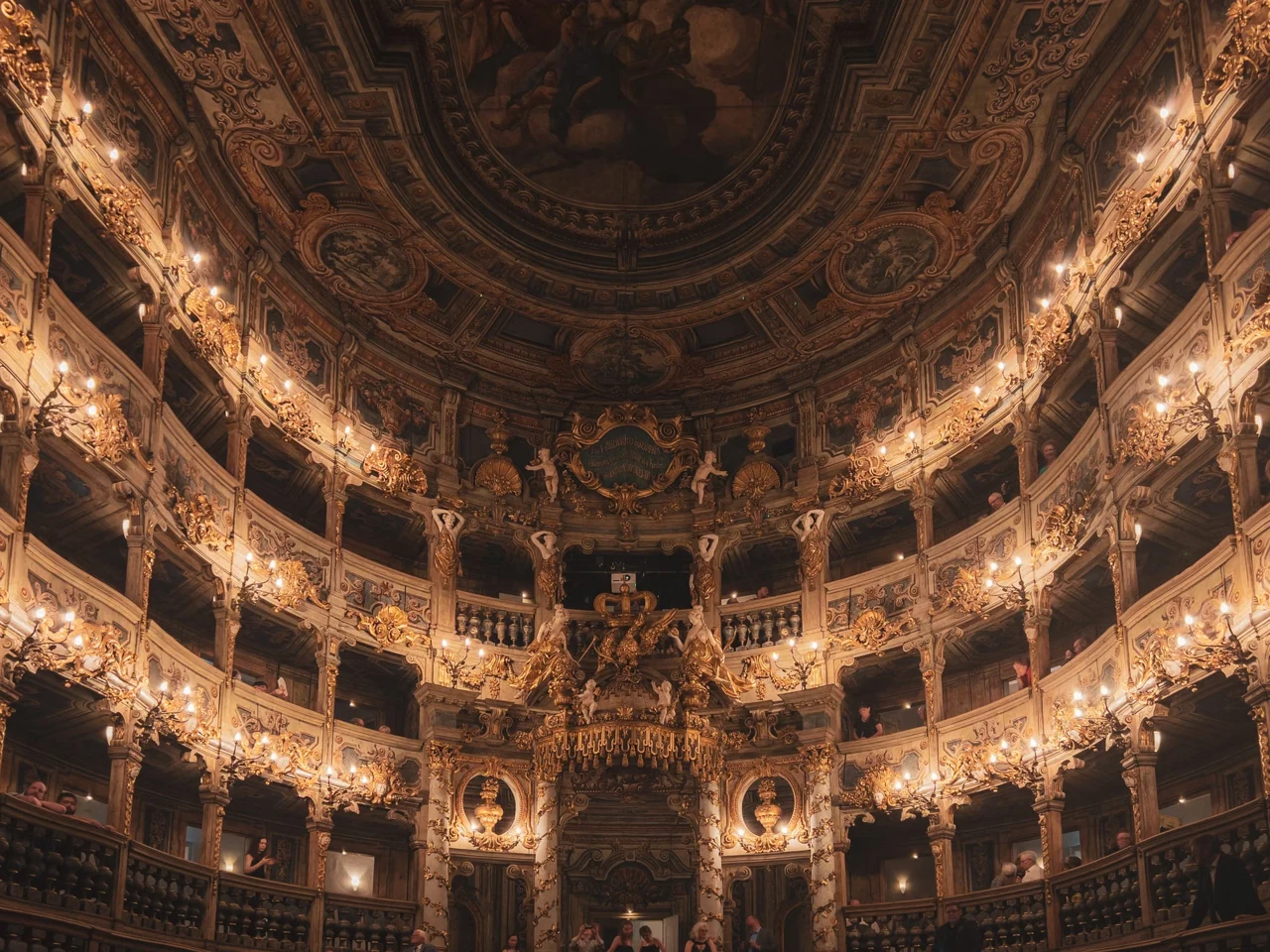
The most useful distinction for a first visit to Bayreuth is that the Markgräfliches Opernhaus and Wagner's Festspielhaus are different buildings. The first offers a baroque theatre and museum visit; the second belongs to another part of the city's musical story. This guide chooses Opernstraße, Maximilianstraße, Neues Schloss and Hofgarten as a central day. Eremitage is not another name for the palace garden in town. It needs a separate transfer and walking block. Understanding these distinctions is more valuable than attempting every famous name in one crowded afternoon.
From the railway station to Opernstraße
Bayreuth Hauptbahnhof is at Bahnhofstraße 20. On arrival, consider luggage and the first fixed appointment of your day. If you have a booked visit or tour, plan backwards from its admission time rather than wandering into shops until you need to hurry to the entrance. The centre can be explored on foot, but a suitcase changes the experience of historic streets and long indoor visits. Leaving luggage at your accommodation, when possible, creates a much easier first afternoon.
Check the actual rail connection for your travel date. Do not assume an identical direct service from every major city. Consult current departure and service-change information for the return. If a day trip also includes Eremitage, calculate both urban transfers as well as your time in the park. It may then make sense to drop one central interior. Giving the remaining places useful time is a better choice than shortening every museum and garden visit into a few hurried minutes.
The Margravial Opera House: theatre and museum
The Bavarian Palace Administration's official visitor publication presents the Markgräfliches Opernhaus as World Heritage and a museum. The visit is more than a photograph of a decorated auditorium. Give attention to the museum context, then look at how the auditorium's levels, boxes and view towards the stage construct a theatrical setting. Different angles and lighting reveal different details. A patient look is particularly worthwhile in an interior that can seem overwhelmingly elaborate at first glance.
A daytime museum visit does not include admission to an opera or concert. The official Bayreuth Baroque festival page gives performance programming separately. Verify current closures, rehearsals and events for your date; a closure sheet issued for earlier months is not a promise of year-round unrestricted access. Ask about timing and access requirements before buying tickets when those details affect your visit. Afterwards, pause in Opernstraße and look at the building as part of a real street, not only as an isolated interior.
Maximilianstraße, Neues Schloss and Hofgarten
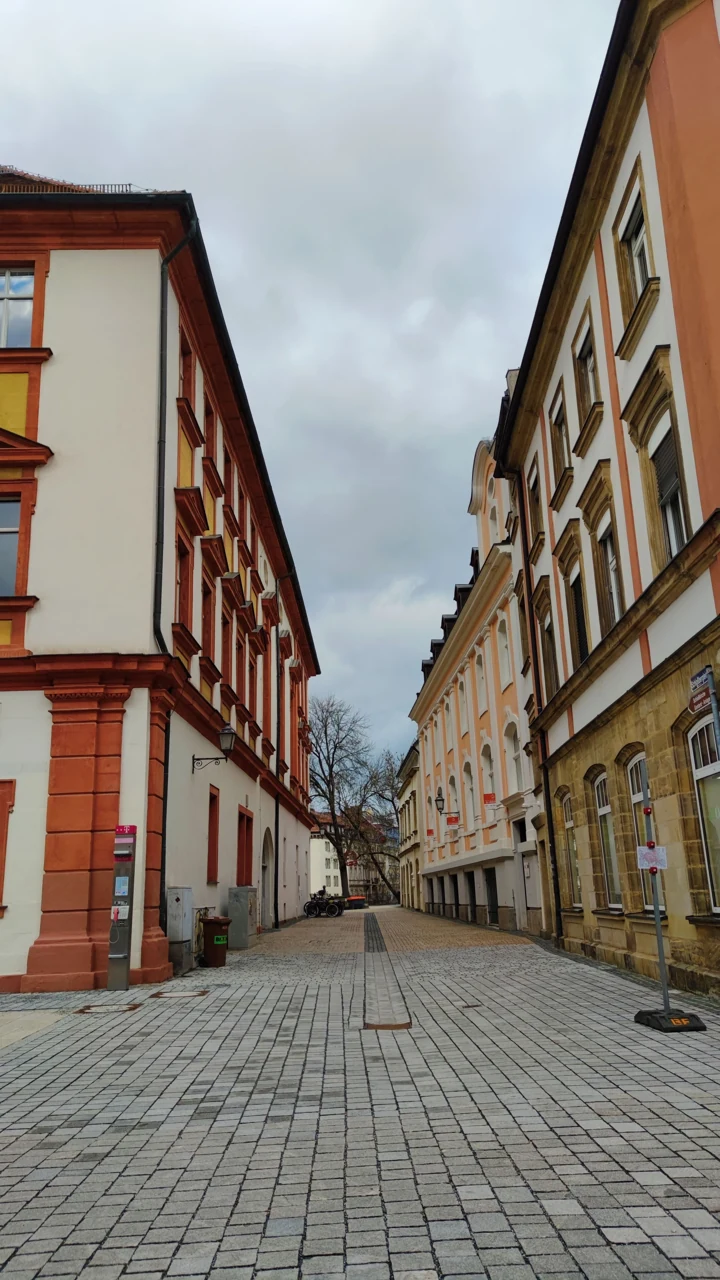
Continue through Sternplatz towards Maximilianstraße. Its street scale and open space make a useful contrast to the concentrated theatre interior. You can browse briefly and decide where the meal fits without inserting another museum at every junction. Turn towards Ludwigstraße and Neues Schloss. If the palace rooms interest you, reserve a separate block according to the current admission information. Travellers who prefer the exterior and garden can keep this part more flexible and devote their indoor time elsewhere.
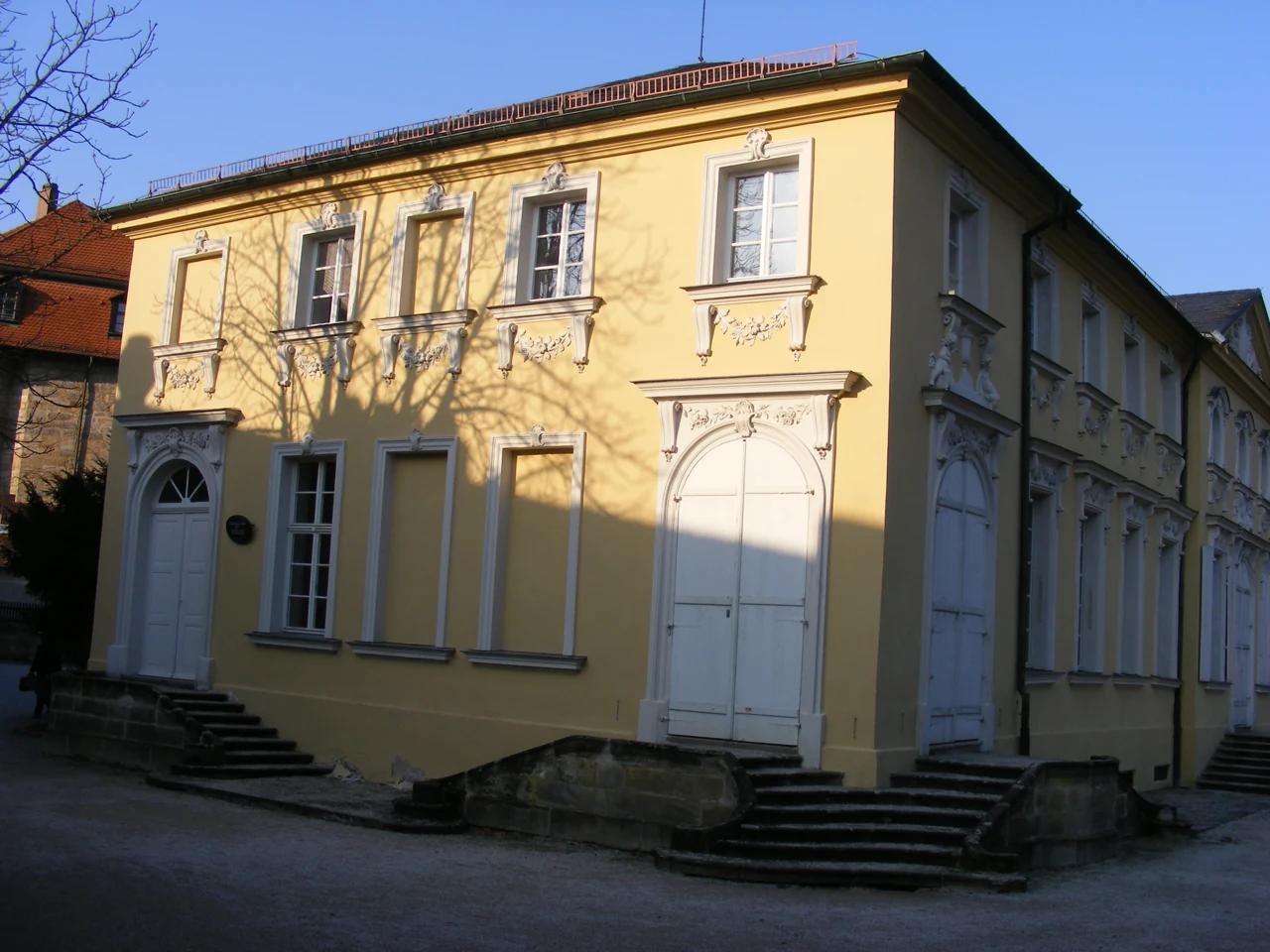
Hofgarten is the outdoor continuation of the central palace route. Begin near the building, then move into the tree-lined paths for a break. The Richard Wagner Museum is another cultural option to investigate in this area, but add it only if you will give its subject proper attention. Decide whether baroque theatre, courtly interiors or Wagner is your priority. Wet weather may favour replacing some garden time with a museum, but each institution still has its own opening arrangements. Being nearby is not a guarantee of admission.
Eremitage deserves a separate block
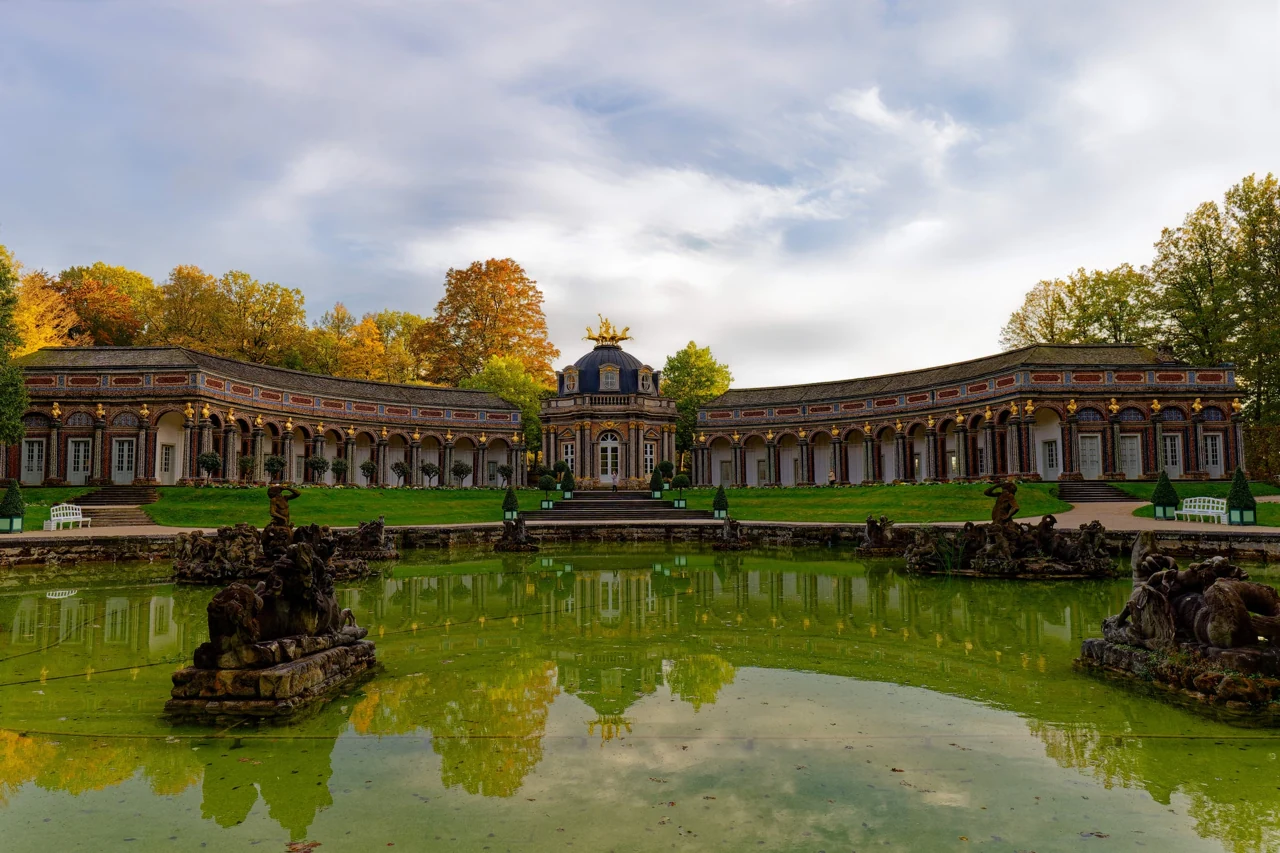
The official Eremitage overview presents the old palace, Orangerie, grottos and water features as a park ensemble. It should not be confused with Hofgarten in the centre. If you choose to go after the town walk, check the current urban transport route and the final useful connection back. Reaching the park does not mean the old palace interior will be open at the same time. Check seasonal conditions separately when an indoor visit is part of your intention.
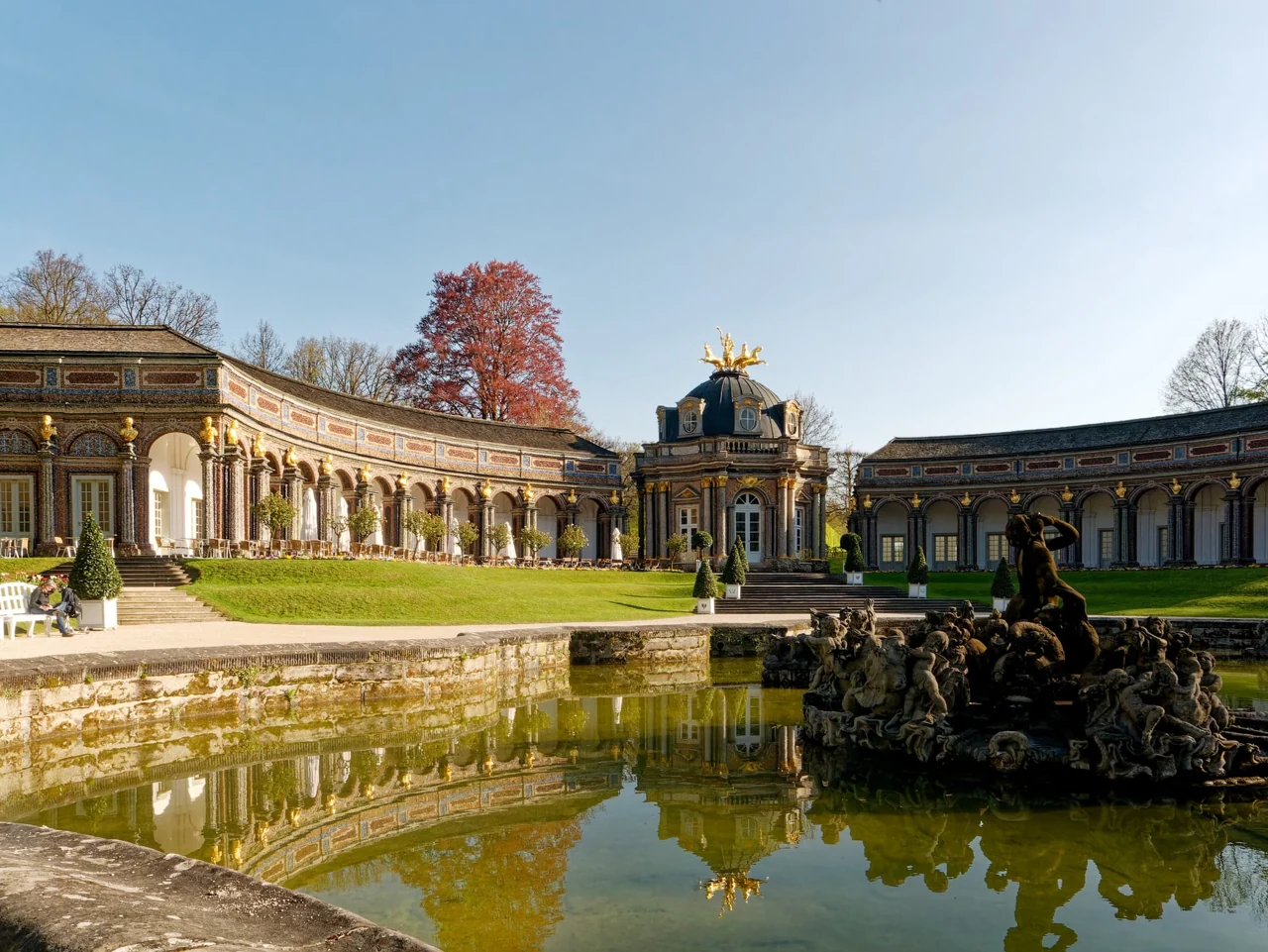
Water features should not be treated as permanently running scenes from a photograph. The tourism office notes that warm summers can reduce the number of fountain operating times. Season and maintenance also matter to a practical plan. Allow enough time to see the garden perspective, walk between buildings and sit for a while. Travelling out for one rushed picture before missing the return bus undermines the calm character of the place. An overnight stay allows a more balanced solution: finish the centre on day one and give Eremitage the following morning.
A specific Franconian main course at Oskar
Oskar at Maximilianstraße 33 publishes an operator menu with Knuspriges Schweineschäufele: crisp pork shoulder braised with bay leaf, caraway and beer, accompanied by a Bayreuth potato dumpling and bacon cabbage salad. It is a concrete full meal, and its pork content is essential information. The same menu offers separate meat-free choices; ask the kitchen about preparation and allergens for your particular needs. General opening hours should not be confused with the service times of the dish you want.
During festival periods, coordinate a table reservation with your museum or performance booking. A meal in the centre after the opera-house visit creates a more comfortable day than transferring to Eremitage hungry and late. Beer is an optional drink, not a required cultural exercise. Menu prices and preparations can change, so confirm the dish when booking or ordering rather than relying on a fixed price quoted in a guide. Leave enough time to enjoy the plate before the next commitment.
Staying in Opernstraße
Hotel Goldener Anker is a real option at Opernstraße 6, relevant to the central theatre visit and evening walk. Its operator asks arriving motorists to reach the main building in the pedestrian area first and request parking when reserving. Follow that hotel's specific arrival instructions; do not generalise them into permission to drive along every pedestrian street. Confirm the room, parking and access requirements directly. The practical benefit of a two-day stay is clear: the centre and Eremitage can each have time of their own.