
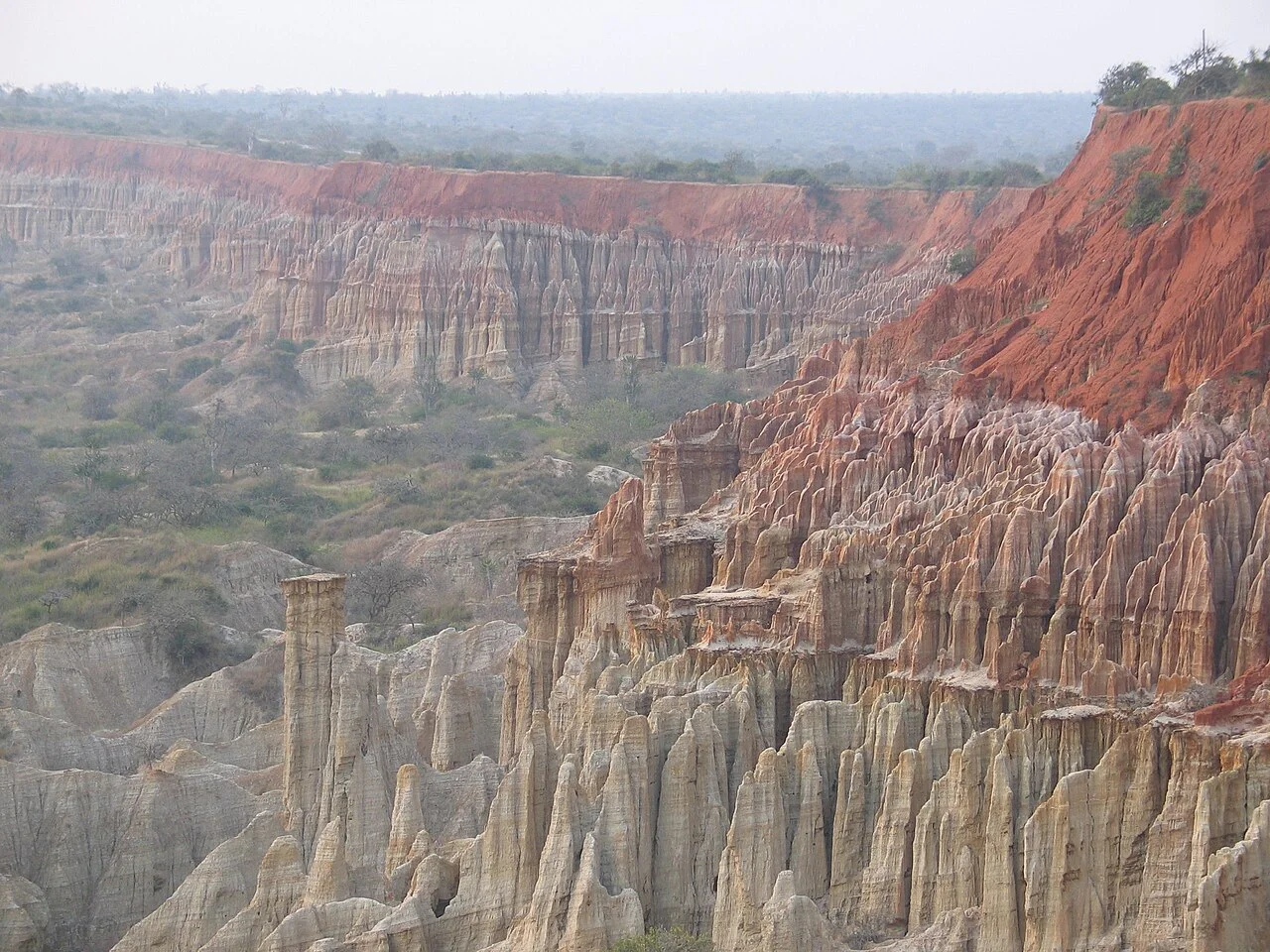
Start planning Angola with the conditions of the journey, rather than a list of waterfalls. The Atlantic coast, the scale of Luanda and the rock landscapes inland belong to one country, but they do not form an effortless short holiday circuit. The Tatilmerkezi Stork can appreciate the scenery while leaving room for a careful decision about whether and where to travel. This guide offers a regional framework, practical questions and a introduction to food. Its photographs show genuine scenes from different years; they do not establish current road access, operating facilities or security conditions.
Begin with the current advisory
On our 4 October 2026 source check, UK FCDO advised against non-essential travel to Cabinda Province outside Cabinda city and to areas within one kilometre of the Democratic Republic of the Congo border in Lunda Norte, apart from official crossings and their access roads. These areas are excluded from the proposed holiday framework. Check your own government's advice and insurance terms before booking. Local support matters for personal security and transport in cities including Luanda; being outside an advisory area does not establish that a destination is safe.
Luanda: choose accommodation around your actual movements
For a first visit, treat accommodation in Luanda as a working base rather than trying to pin every attraction onto a map. Before choosing a hotel for its view, establish its airport meeting arrangements, how the vehicle booking will be confirmed, who will meet your arrival and how the return transfer works. The centre, the coast and routes extending south have different transport implications. If a local guide or business contact has arranged your programme, a hotel near those commitments may be more useful than a distant property selected for scenery. This is not a security rating for a neighbourhood.
Give the arrival day to the transfer, settling into your room and dinner at the hotel or a restaurant selected in advance. You do not need an improvised night outing after a journey. Choose one main appointment on the second day, such as a guided cultural programme, subject to the operator confirming opening and access. Ask before photographing streets or buildings. Military and official premises are not ordinary sightseeing subjects, and carrying a camera does not remove the need to understand local restrictions.
Mussulo: a coast day needs its own logistics
The calm water and sandy shore in the Mussulo photograph suggest a very different rhythm from the city. The image dates to 2014 and does not show a present-day transport service. If you are considering a coast day, establish the departure point, weather decision, return time and safety equipment of the carrier separately. Keep the option to cancel when conditions are unsuitable. Staying by the coast and visiting from Luanda are different choices; clarify the transfer implications before paying for either.
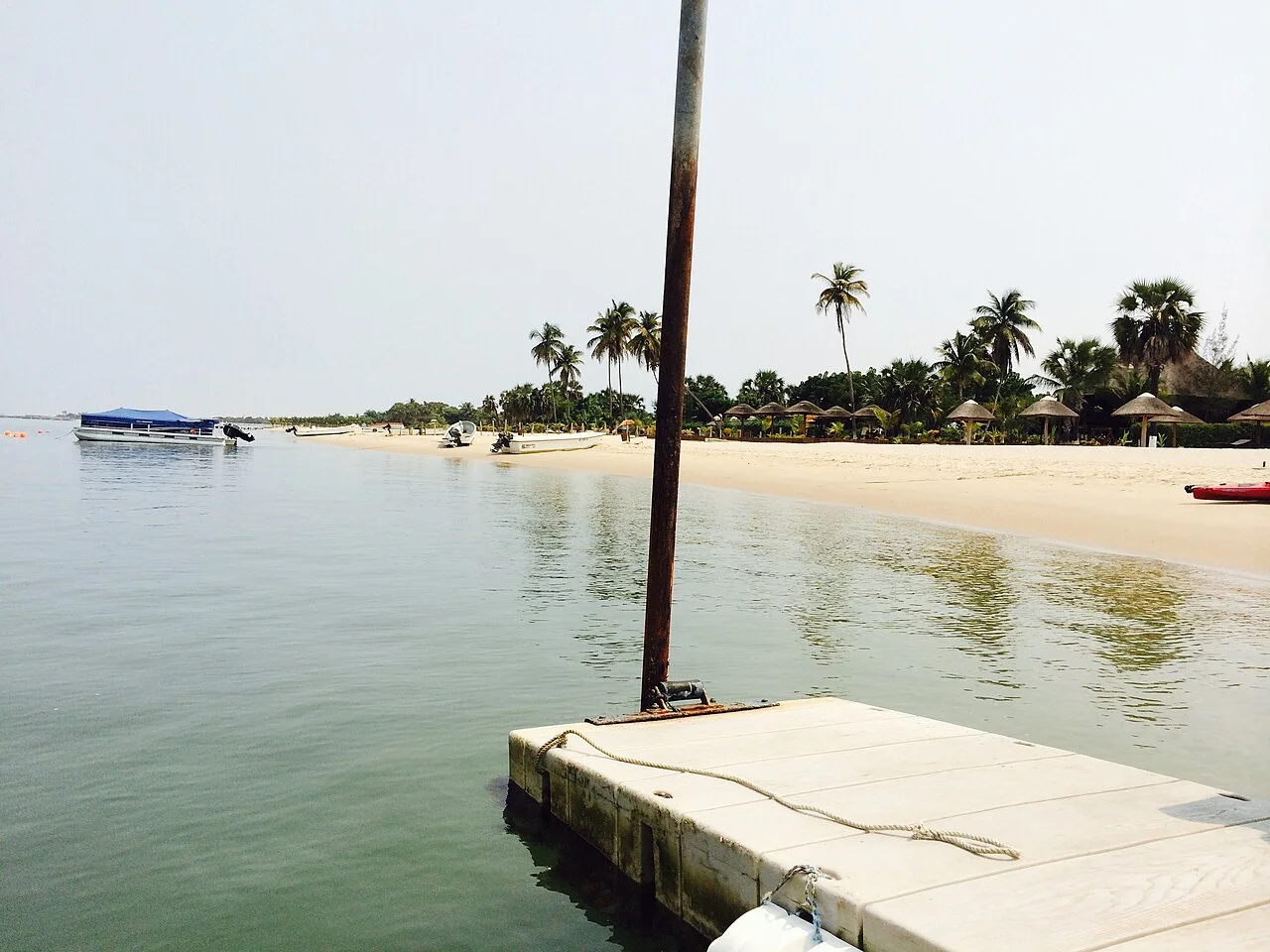

Do not bolt a coast excursion onto the end of a full city programme. One transfer, one place to relax, lunch and a prearranged return make a more intelligible day than rushing between several bays. Fish or seafood can suit a coastal meal, but use the actual menu to understand what is included and how much to order. A coastal photograph is neither a recommendation of the property pictured nor evidence that the water is suitable for swimming. The small waterfront platform in the image is simply part of a historical scene.
Pungo Andongo: treat the rock landscape as a separate journey
The black rocks at Pungo Andongo help explain the scale of inland Angola. They are not the next easy stop after a Luanda coast day. Building a programme around the Malanje area means thinking about local transport, overnight accommodation and reaching your destination before darkness together. Ask an operator about current road conditions, the driver's experience of the actual route and the alternative accommodation available if plans change. Leaving a rural road for an unknown trail merely to get a photograph is not an activity recommended here.
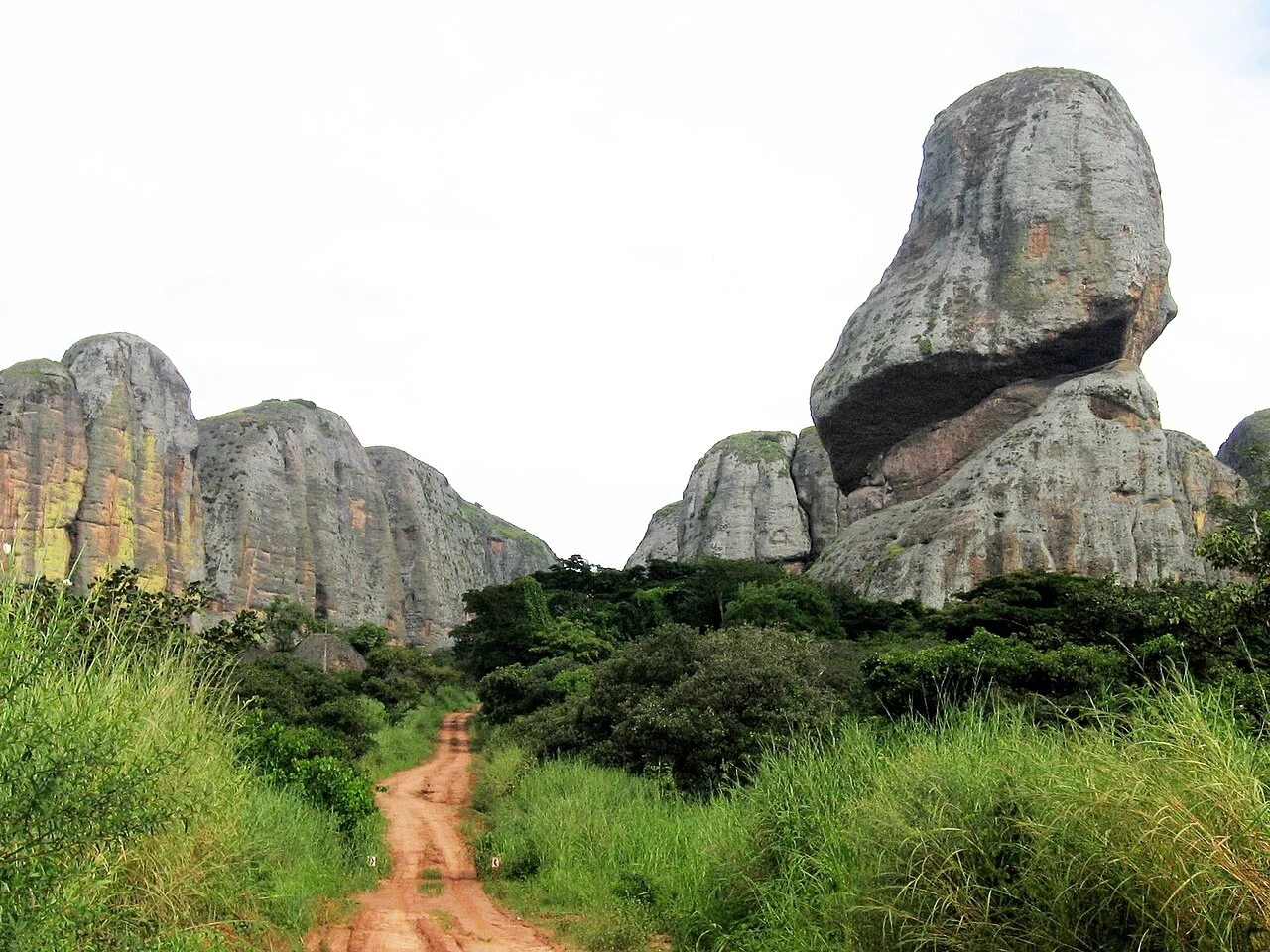

One principal viewpoint and a short guided observation of the surroundings may be enough for a landscape day. Allow time to notice the rock shapes and vegetation rather than treating the scene as another tick. Combining several distant regions into a short visit increases the transport burden. Selecting one inland area, shortening the first journey or leaving another region for a separate trip are reasonable editorial options. They are often more useful than a dense schedule that depends on every connection working perfectly.
Kalandula: allow room around the waterfall day
The spray and greenery at Kalandula Falls provide another perspective on the country. The source does not establish the exact capture date of our photograph, so it cannot support a claim about today's flow or viewing arrangements. If you include the falls in an inland programme, confirm transport and nearby overnight options first. Leave the order flexible if rain or road conditions change. We do not recommend approaching an edge or entering the water; current signs and the instructions of an authorised local guide should determine the visit.
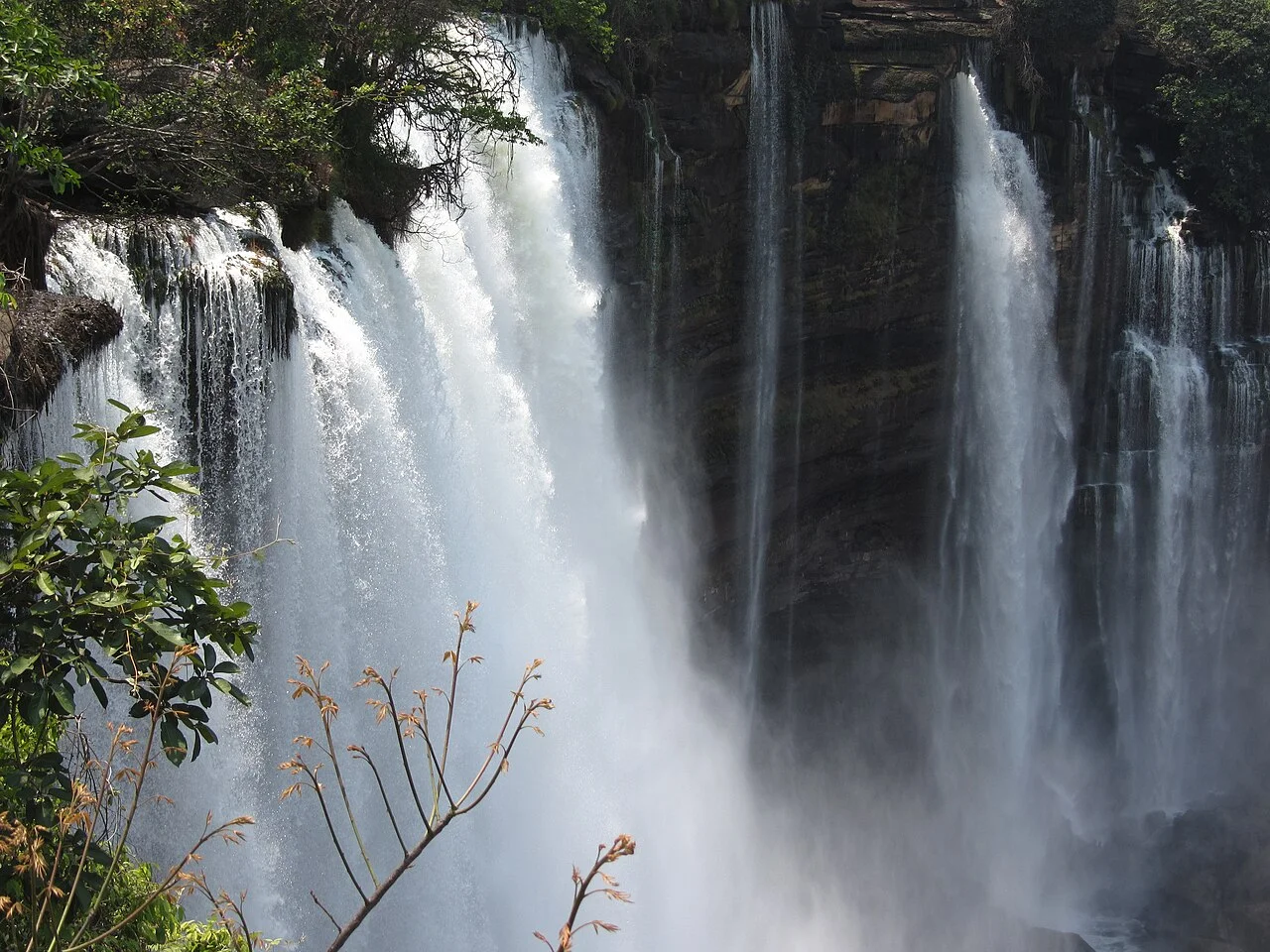

Build the day around viewing, a pause and lunch, rather than putting another intensive walk immediately after a long drive. Dinner can then introduce some of the country's culinary vocabulary. Funge, moamba and mufete appear in the official consular tourism guide's account of Angolan cuisine. Ask what accompanies the funge, how the restaurant prepares its moamba and what is included on the mufete plate. Sauces, proteins and accompaniments can vary, so one recipe should not stand in for every kitchen across the country.
Tundavala and the south: an alternative regional choice
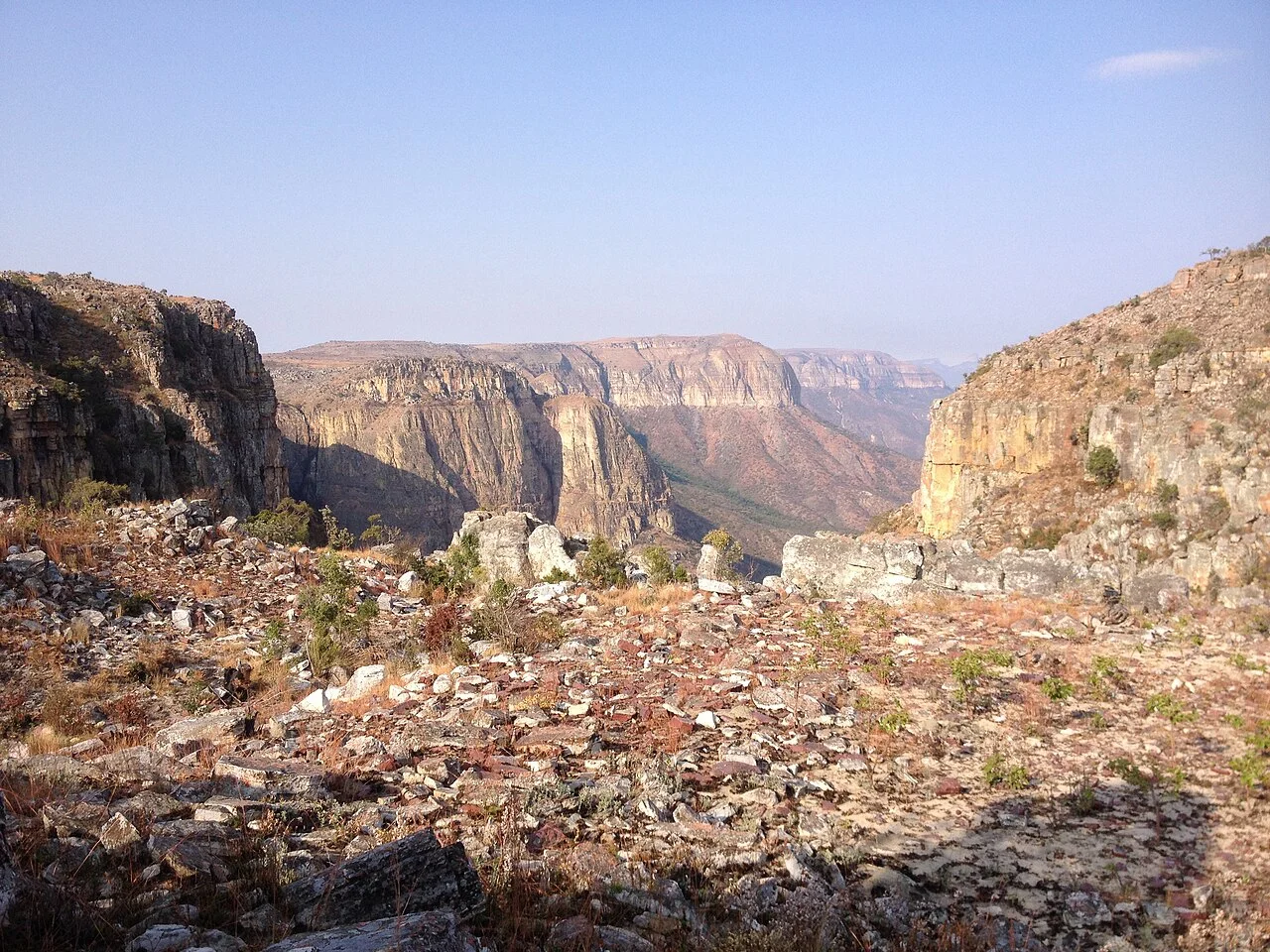
Tundavala's cliff landscape does not have to become a compulsory addition to a short Luanda-centred journey. A southern programme needs its own starting point, local transport and accommodation arrangements. Instead of automatically linking Luanda, the Malanje area and the Lubango area into a single week, choose the region that best fits the trip you can actually organise. The photograph dates to 2013; it says nothing about the present car park, access road or viewing layout. Stay within locally marked limits rather than approaching an edge for a dramatic picture.

A conditional four-day Luanda framework could give the first day to arrival and rest, the second to a confirmed city programme, the third to a coast excursion only if conditions allow, and the fourth to the return transfer. Inland or southern extensions are separate choices requiring more time and a fresh access review. Finish by checking flights, entry conditions, money and communications through official channels. The Stork's invitation is to make room for one workable region and its tables, rather than consuming Angola as an ambitious checklist.