
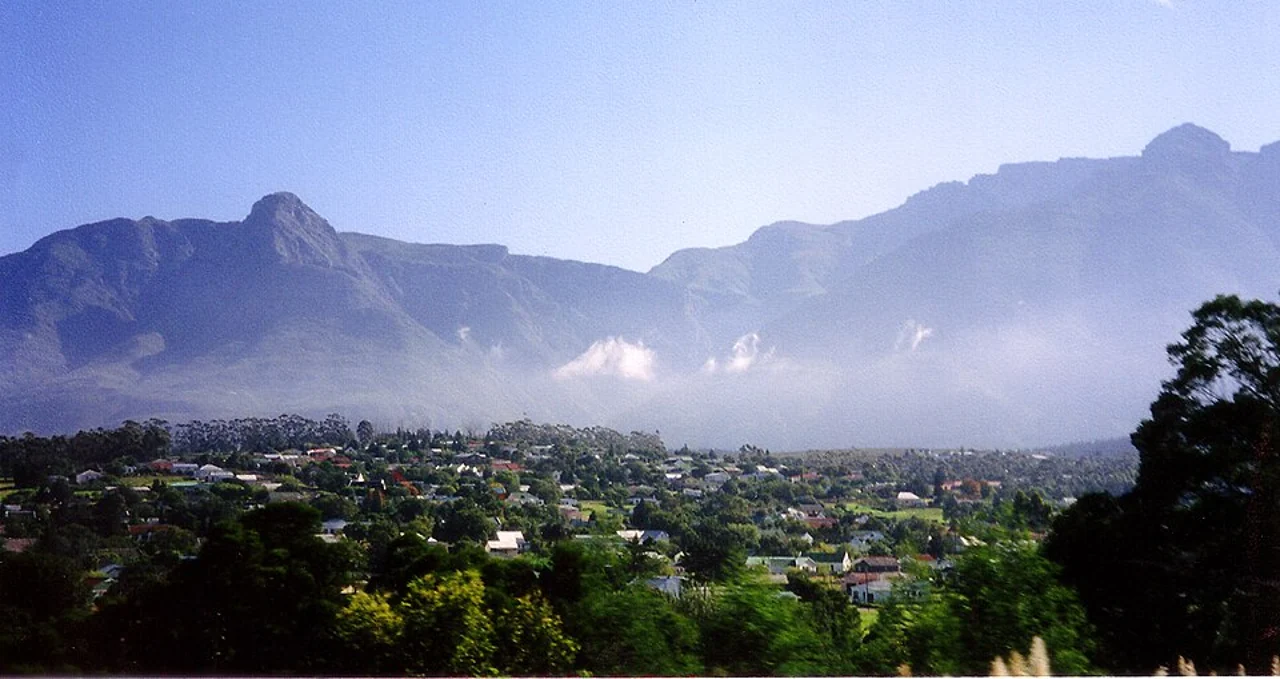
Swellendam: two days of homes, work and town life
The Tatilmerkezi Stork invites you to pause in Swellendam rather than turn every South African stop into another long driving day. This itinerary is about connecting three things: the building used for administration, the arrangement of everyday domestic life, and the skills needed to make and repair objects. The Drostdy museum complex is the anchor, with short town walks providing breathing space between visits. Mountains and countryside are useful context, not compulsory excursions. For two full cultural days, allow three nights across four calendar days: settle in on arrival, use the following two days for the museum comparison, and leave on the final morning without a rushed collection visit.
Different readers can adapt the same small area without following identical programmes. Couples might spend longer discussing a room; families could select just three objects, such as a storage cabinet, a kitchen tool and a piece of workshop equipment. Children can sketch what they notice rather than touch objects that are not part of an interactive display. Adults can consider who produced, maintained and used those items. Attractive colonial architecture does not represent the whole history of a place. Questions about labour, social position and whose experience appears in a display make this visit more thoughtful than a simple collection of handsome facades.
Day one: a compact start around the Drostdy
Begin by asking the museum which parts of the complex are available on the day. Its own contact page places the office at 2 Drostdy Street and publishes different weekday and weekend opening periods. Check the current notice before travel rather than assuming one schedule applies throughout your stay. Ask what the ticket includes, how access between buildings works and whether the areas you want to see suit a visitor with reduced mobility. These practical questions determine whether an afternoon return is realistic. Have breakfast before entering so that hunger does not turn the first collection visit into a hurried search for the exit.
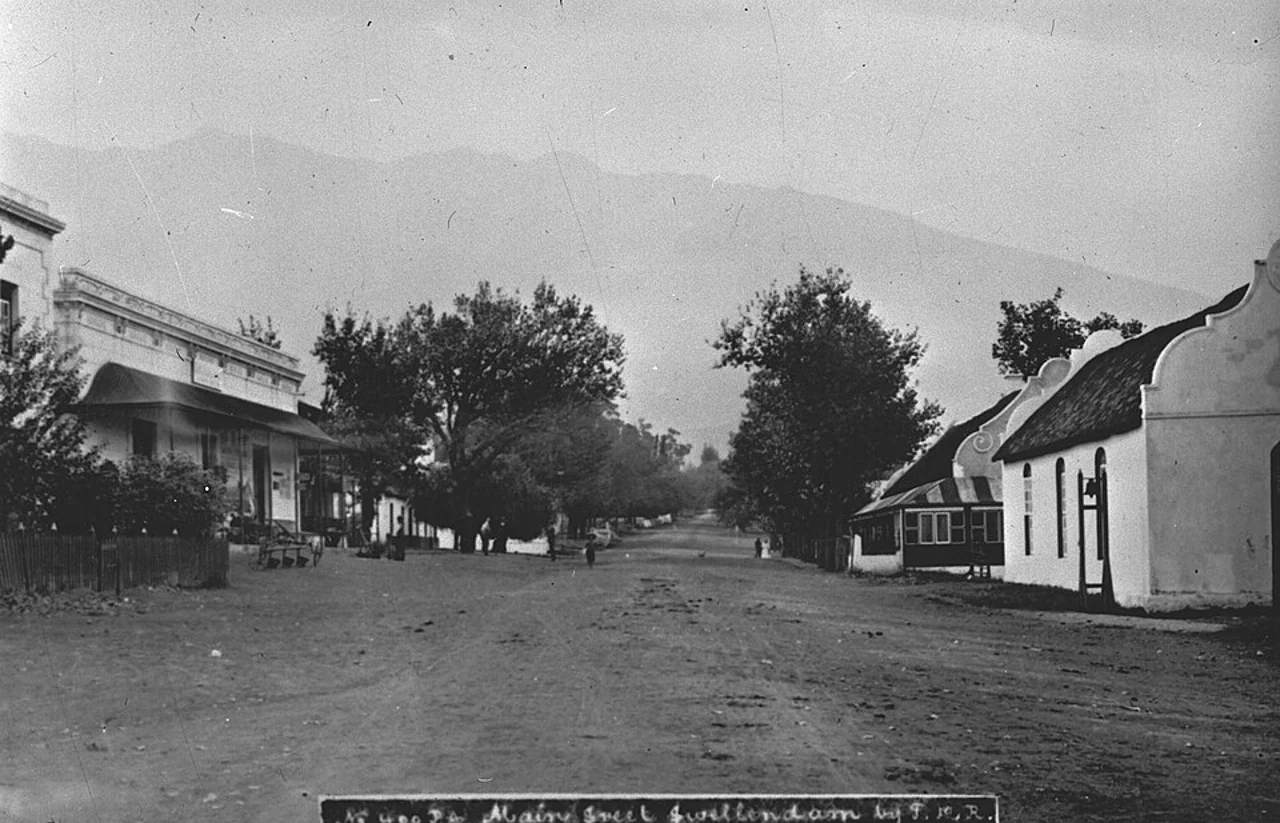

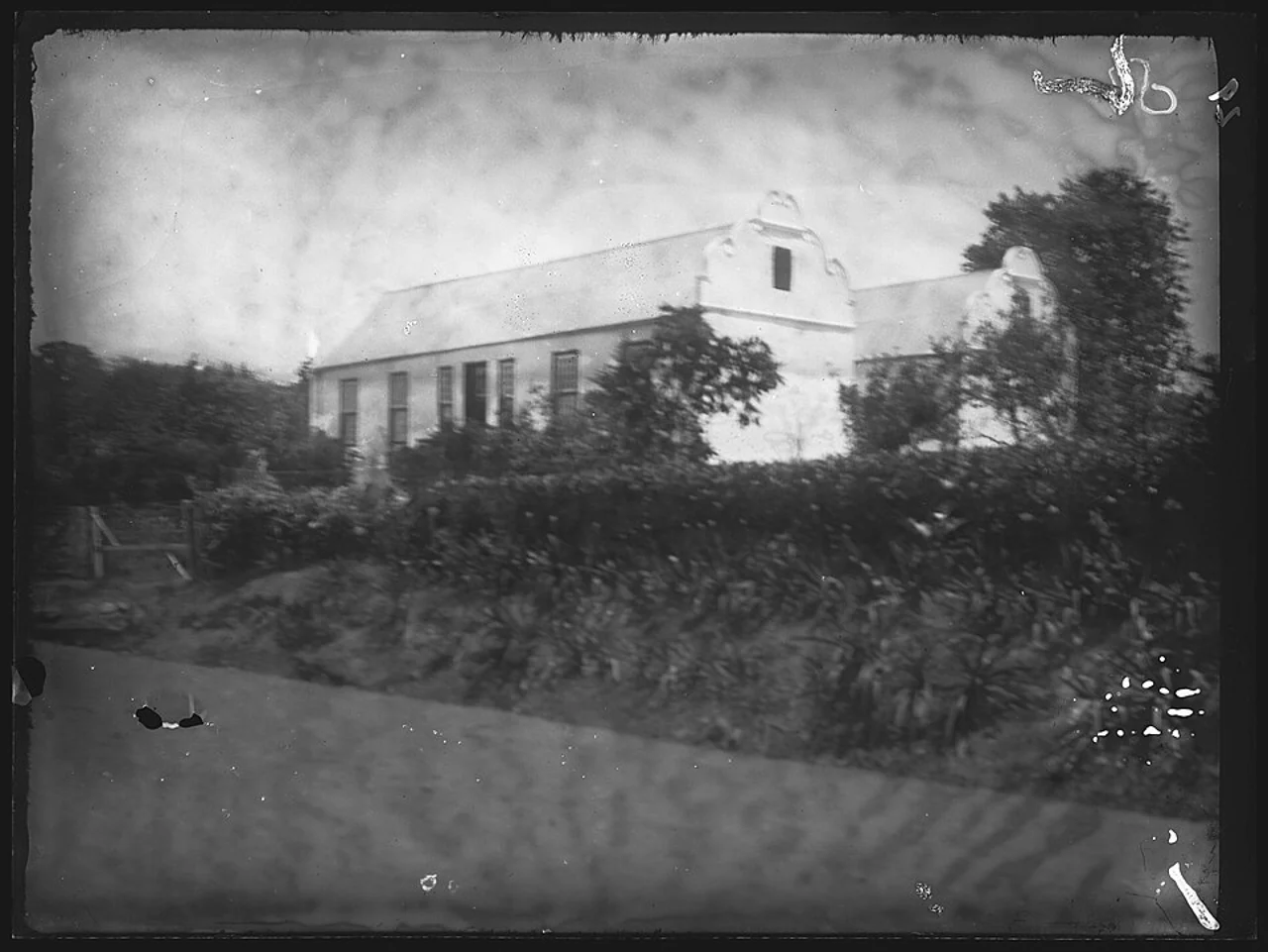
Start outside the Drostdy building, observing its plan before concentrating on individual objects. The museum explains that the structure was enlarged over time and that the entrance position changed. This gives you a simple visual question to carry indoors: how did the building organise movement and authority? Leave a short town walk for the afternoon rather than adding another distant attraction. Stop for photographs without blocking a doorway or a vehicle entrance, and allow time for a quiet evening meal. If you have arrived after a long journey, reverse the order: settle in, take a brief walk, and save the main museum visit for the following morning.
Day two: reading production at the Ambagswerf
The second day asks how the things required by homes and farms were made, maintained and repaired. Choose the Ambagswerf for this discussion of tools and production processes. The museum explicitly explains that the trade yard is a way to exhibit past crafts, not an exact reconstruction of a particular historical site. Respect that distinction when looking at a structure: it should not be presented as one named craftsperson's untouched original workshop. Select a few tools, compare the actions they required, and consider which stages depended on hands, repeated movement or mechanical assistance. This creates a different visit from yesterday's architectural starting point.

After lunch, return to domestic objects or room displays and connect them with the work that supported a household. A piece of furniture now has another story when you have considered the skills behind its construction. If the Mayville section is available during your visit, it can extend the comparison with home life; this guide does not promise that every room in a separate building remains open at all times. Ask staff about the current route. A sketchbook is especially useful for children, allowing careful observation without handling collection objects. Add a live craft demonstration only if the museum confirms an actual session, rather than expecting every exhibit to operate as a working workshop.
Where to stay: distinguish a town base from countryside views
For this itinerary, accommodation should first solve access to the museum and your evening meal. A small hotel or guest house in town can be a convenient base, but check its exact address and whether the route is a walk you actually want to make. Ask directly about stairs, quiet rooms, parking and late arrival arrangements. A listing that appears close to the museum is not necessarily operated by it, and a garden photograph does not establish accessibility. Arrange an evening return that does not depend on walking unfamiliar streets simply because a property description calls everything nearby. Choose the practical relationship between sleeping, eating and visiting before comparing decorative details.
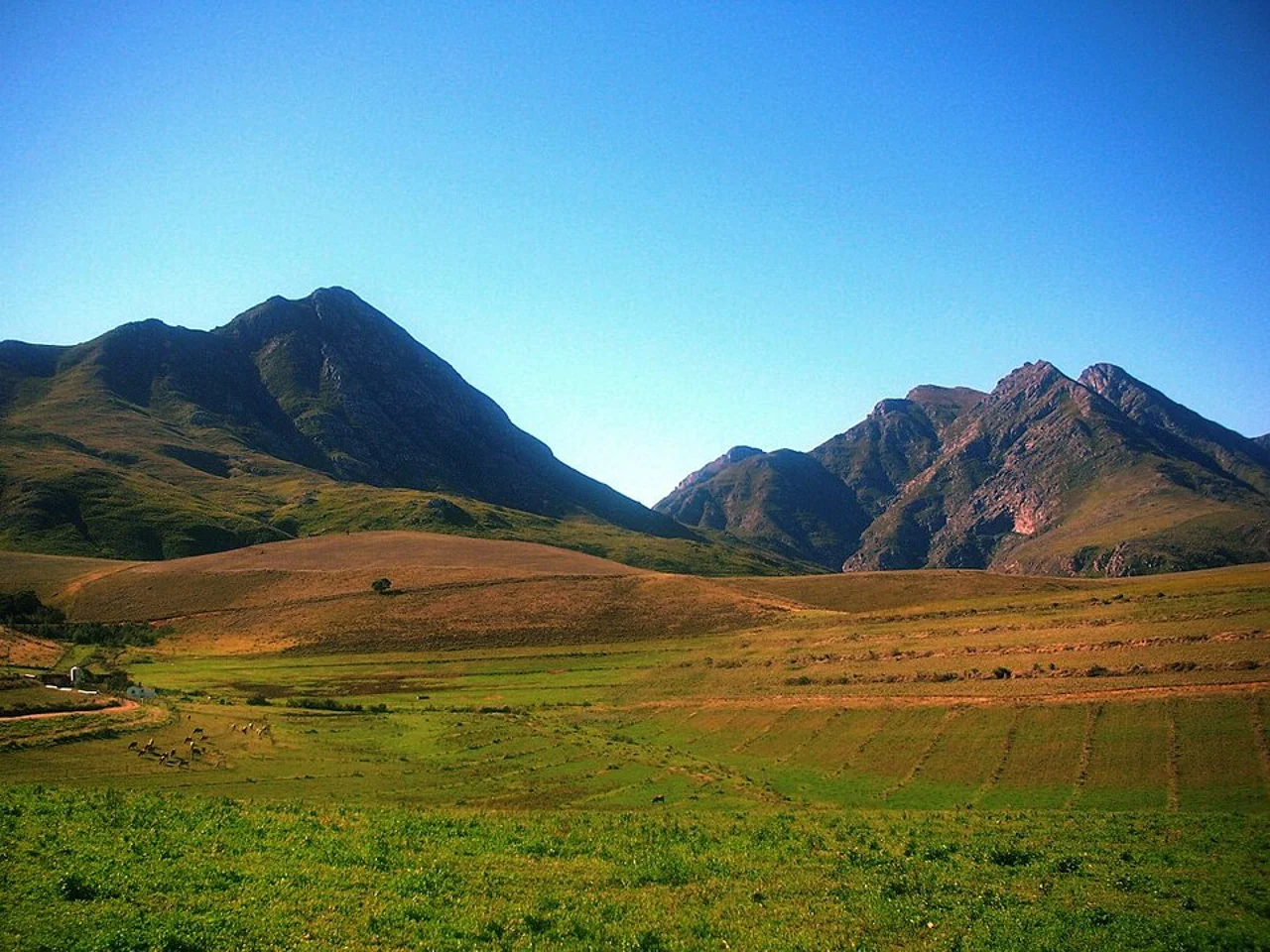

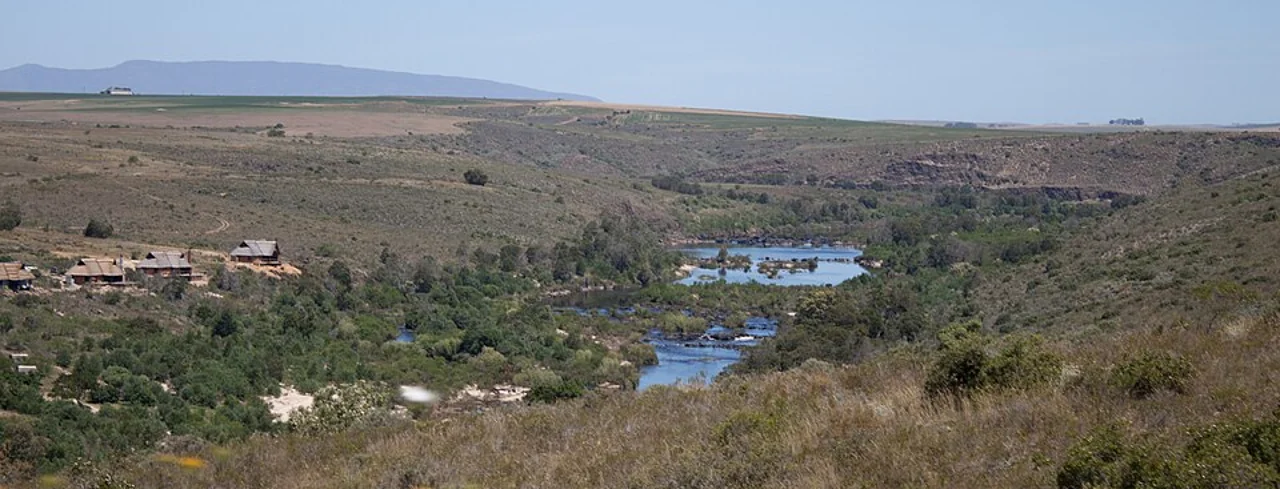
A rural property in the Breede valley or near the Langeberg creates a different transport plan. It may require a vehicle or a transfer arranged in advance, with time reserved for the trip back to town. Use a countryside afternoon as a rest rather than a second ambitious expedition. A landscape photograph neither identifies a public path nor grants access to private land. Consider the total movement required over two days instead of comparing room prices alone. Travellers choosing a rural base may prefer to complete practical town errands on the first day and give the second day one clear cultural focus, rather than repeatedly driving between meals and museum sections.
Local meals: bread, cheese and seasonal produce
A relaxed breakfast or a dinner arranged beforehand fits this museum route better than a succession of tasting appointments. Schoone Oordt's own dining page describes bread, cheese biscuits and scones made on site, and breakfast choices involving local cheese, homemade granola and plain yoghurt. These are concrete meal ideas, not a guarantee that an identical plate will be available on your date. Ask about the current service when booking. Bread and cheese can make a straightforward start before a collection visit; if you want a more leisurely breakfast, allow the museum programme to begin later instead of attempting both experiences at full speed.

For dinner, The Conservatory's seasonal approach provides a connection with the agricultural surroundings. The operator notes that dishes can change according to supply, so a fixed menu or a supposed current price would be misleading here. Discuss portions, children's needs and serious allergies in advance; do not assume that a kitchen never uses an ingredient merely because it can offer alternatives. A cheese biscuit or a scone makes a perfectly useful local product conversation without turning the visit into an eating competition. Alcoholic pairings are optional, and the person responsible for driving should make that choice before the meal rather than after an evening outside town.
Transport and adjusting the two-day plan
Separate the journey into Swellendam from movement during the stay. Drivers should save museum, accommodation and meal addresses beforehand, rather than relying entirely on a last-minute connection. If using public transport or a private transfer, verify the current stop, luggage arrangements and return conditions with the operator. This guide does not claim that a particular service runs daily at a permanent time or that an app-based vehicle will always appear immediately. After a long arrival journey, avoid placing the principal museum visit just before closing. Settle in first and use the next morning for the part of the trip that deserves attention and energy.
On a wet day, bring the collection and meal periods forward and keep street walking flexible. In heat, add water and shade breaks, and use two shorter visits with children instead of one exhausting session. Ask about mobility access across the separate museum structures as well as at the hotel. If you must reduce the itinerary to a single day, retain the contrast between the Drostdy and the Ambagswerf and postpone the countryside outing. Before leaving, write down one object and the task it helped someone perform. That small exercise is the Stork's invitation to take away an understanding of everyday work, rather than only another photograph of a pretty building.