

Worms offers more than the setting of the Nibelungen legend. St Peter's Cathedral, Jewish heritage, the Reformation memorial and the Rhine introduce different layers of the city. For a day visit, connect a few of these through a walk rather than moving through every museum in succession. Current museum information is particularly important: the old Nibelungenmuseum is no longer open to visitors. The present museum treatment of the legend is at Andreasstift. This guide starts with the cathedral, adds a chosen heritage or museum stop and finishes with an optional riverside meal. Rearrange the order according to the institutions that are actually accessible on your travel date.
Arriving and beginning around the cathedral
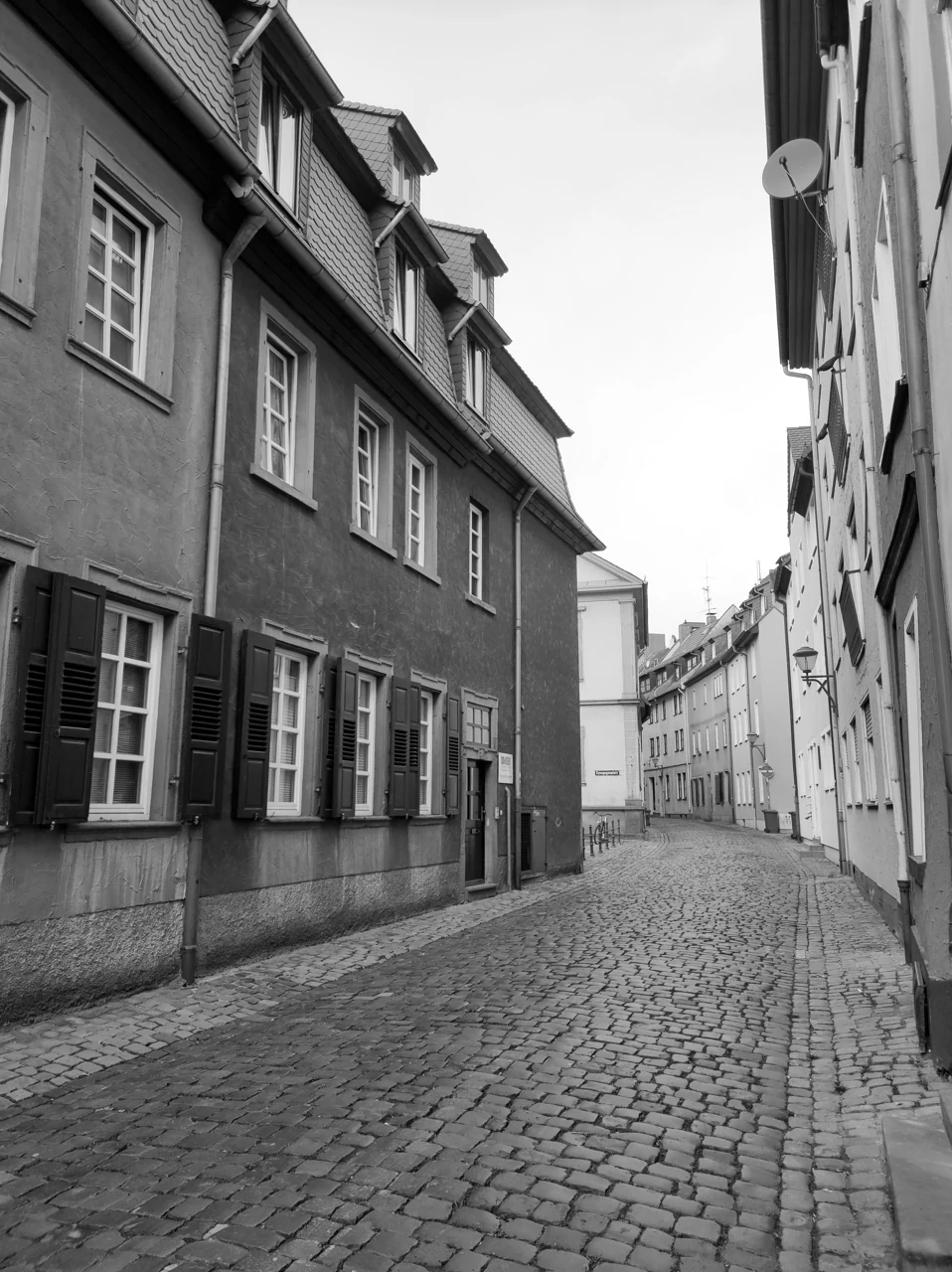
When arriving by rail, check that your intended station is Worms Hbf and avoid beginning the central walk with cumbersome luggage. Start around Dom St Peter. Look at the exterior before entering: its towers, stonework and surrounding streets establish the scale of the city. If you have booked a guided tour, check the meeting point and starting time separately. Being outside the cathedral does not mean you can join any group or make a long interior visit whenever it suits the rest of your route. Keep some flexibility after arrival so a train delay does not turn the first stop into a rush.
The cathedral's own visitor page introduces the south portal and interior. Give the carved entrance and the inside separate attention. This remains a place of worship; notices at the entrance and the day's services determine the visitor arrangements. Once inside, allow your eyes to adjust and focus on one part of the building rather than immediately searching for every feature. Follow local instructions about photographs and group movement. The cathedral can suit a rainy part of the day, but the service programme is independent of the weather. A shorter, attentive visit is preferable to treating the interior as a hurried passage between photographs.
Choosing a visit to Heiliger Sand
Current Heiliger Sand visitor information covers the historic Jewish cemetery at Willy-Brandt-Ring 21. It belongs to the SchUM World Heritage context and retains a connection with living religious tradition. It is closed on Saturdays and Jewish holidays, and male visitors must cover their heads. Check seasonal access and the last-entry arrangement before going. Set aside a quiet visit rather than treating the cemetery as another quick photographic stop.
The cemetery and former Jewish quarter are separate places, with their own addresses and arrangements. If time allows, plan both; on a short visit, concentrating on one can be enough. Stay within the indicated circulation areas and avoid shortcuts between grave markers. If you want a guided introduction, consult the current tourist information programme. When the religious calendar or a local closure prevents entry, adapt the route rather than presenting the site as continuously open. You can extend the central walk and return to this part of the city's heritage on another date. A guided visit may help distinguish what the surviving places show from the later history associated with them.
The correct museum for the Nibelungen theme
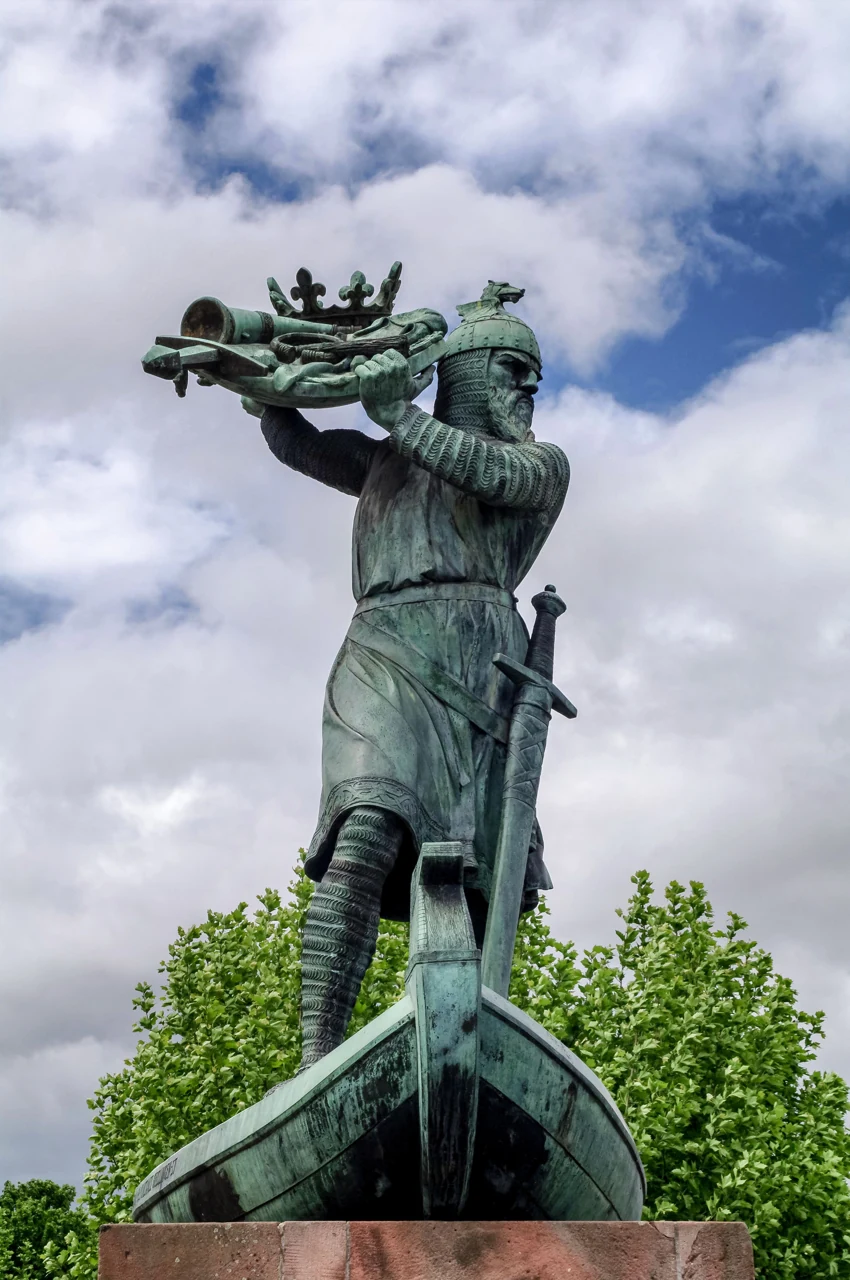
The old Nibelungenmuseum's official notice states that it is permanently closed. Do not use the old entrance at Fischerpförtchen or older admission information as a current visit plan. A July 2026 city announcement confirms that the Nibelungen presentation is now part of the permanent exhibition in the city museum at Andreasstift. Use that institution when planning an indoor exploration of the legend. The stage programme of the festival is a different activity and requires its own arrangements.
This sequence gives the day a clear narrative: see the cathedral and actual streets first, then explore how the legend relates to the city in the museum. You do not have to memorise the whole story. Choose a character, an episode or the later interpretations that interest you. Afterwards, a central break can be more enjoyable than squeezing in another collection before closing. With children, alternate the indoor material with short walks. Keep the distinction between events in a literary legend and documented city history; visiting their associated locations does not turn every episode into an established historical occurrence.

The Rhine and a main meal at Altes Ruderhaus
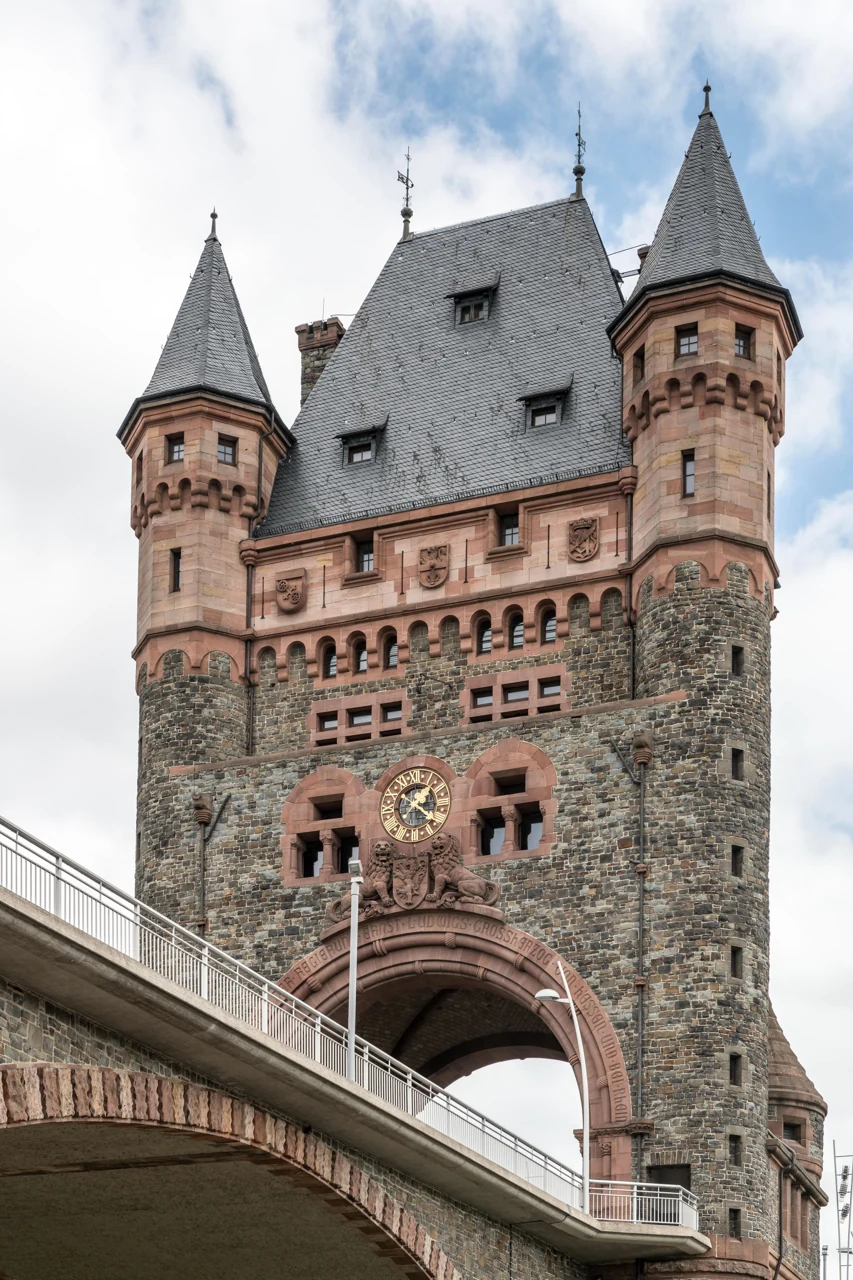
Treat the approach to the Rhine as a separate outdoor section of the day. The riverside is not simply the space immediately beside the cathedral, so allow for getting there and returning if you choose a meal near the water. In pleasant weather, pause along the bank; if wind increases, prioritise a sheltered meal or a return to the centre. Seeing a boat at a landing stage does not establish a departure that fits your schedule. This walking route does not require a boat excursion. Keep enough time after lunch to make the return without sacrificing the final part of your visit.
The published Altes Ruderhaus menu confirms a substantial Wormser Backfisch meal at Floßhafenstraße 7: breaded redfish fillet with remoulade and potato salad. This makes the riverside extension a practical meal stop rather than only a drink break. The restaurant lists Tuesday as its closing day; check kitchen availability and a table on other days too. If the fish, sauce or accompaniment does not suit your requirements, ask for an alternative before ordering. Seasonal headings elsewhere on the menu should not be interpreted as year-round guarantees. The menu establishes the offered dish, while availability on the day remains an operator question.
Staying near the Dom and completing the day
Hotel Kriemhilde at Hofgasse 2 is a real central accommodation option near the cathedral. The operator offers a main hotel and a dependance, so confirm the actual building when booking. For a cycling trip, ask how the advertised parking and charging arrangements match your bicycle and equipment. Discuss a late arrival in advance; do not assume that reception operates in the same way at every hour. Obtain the room and arrival arrangements for your particular dates before turning the hotel into the fixed beginning and end of the itinerary.
For one day, keep the cathedral, one heritage or museum visit and the riverside as the main framework. A Saturday arrival changes the cemetery choice, while a Tuesday changes the suggested riverside meal. With two days, separate Jewish heritage from the museum narrative and allow more time in each. As your departure approaches, direct the final part of the walk back towards the centre or station. You do not need to complete every historical theme to understand Worms. Choosing accessible places at their correct addresses, and giving those places enough attention, creates a more coherent visit than a long checklist.