
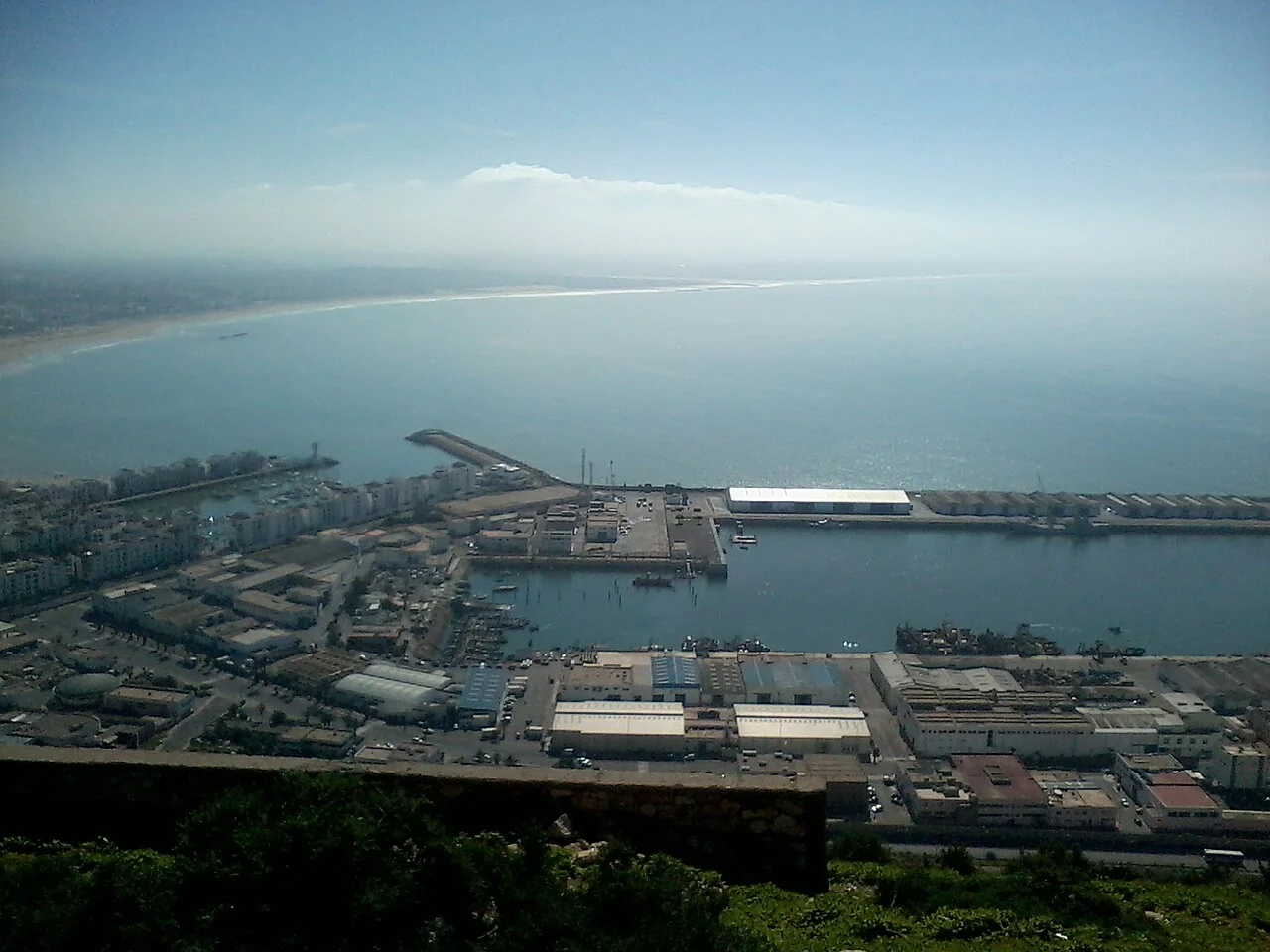
Agadir: read a rebuilt city in two days
The Tatilmerkezi Stork follows a different question in Agadir: how a city remembers, rebuilds and resumes everyday life. This is a city-memory itinerary rather than a beach checklist. Combine the lower city's Reconstruction Museum with a short Talborjt street section on day one, then use day two for Oufella's heritage and remembrance landscape and a view of urban geography. Three nights separate arrival and departure from these two full days. With only one day, choose one historical focus and leave a proper meal and rest; do not turn the trip into a competition between vehicle transfers.
This outline does not squeeze Marrakech or coastal towns into the same visit. Nor must you inspect every building to understand the past. Carry one question from an archive image into the following day's physical city observation: do the port, hillside and broad street serve different functions? When a companion finds the history emotionally demanding, pause with a compact outdoor section. One museum question and a city sketch may be enough for children; finishing every screen and object is not the objective.
Reconstruction Museum: begin with the lower city story
FNM records the new Reconstruction Museum opening on 27 February 2025 in the former Bank Al-Maghrib building on Avenue Général Kettani. It interprets the 1960 earthquake and rebuilding. Do not treat it as the old Olhão memory museum at the same address. At the 4 October 2026 check, FNM lists Tuesday closure; reconfirm available sections and last admission for your travel day.
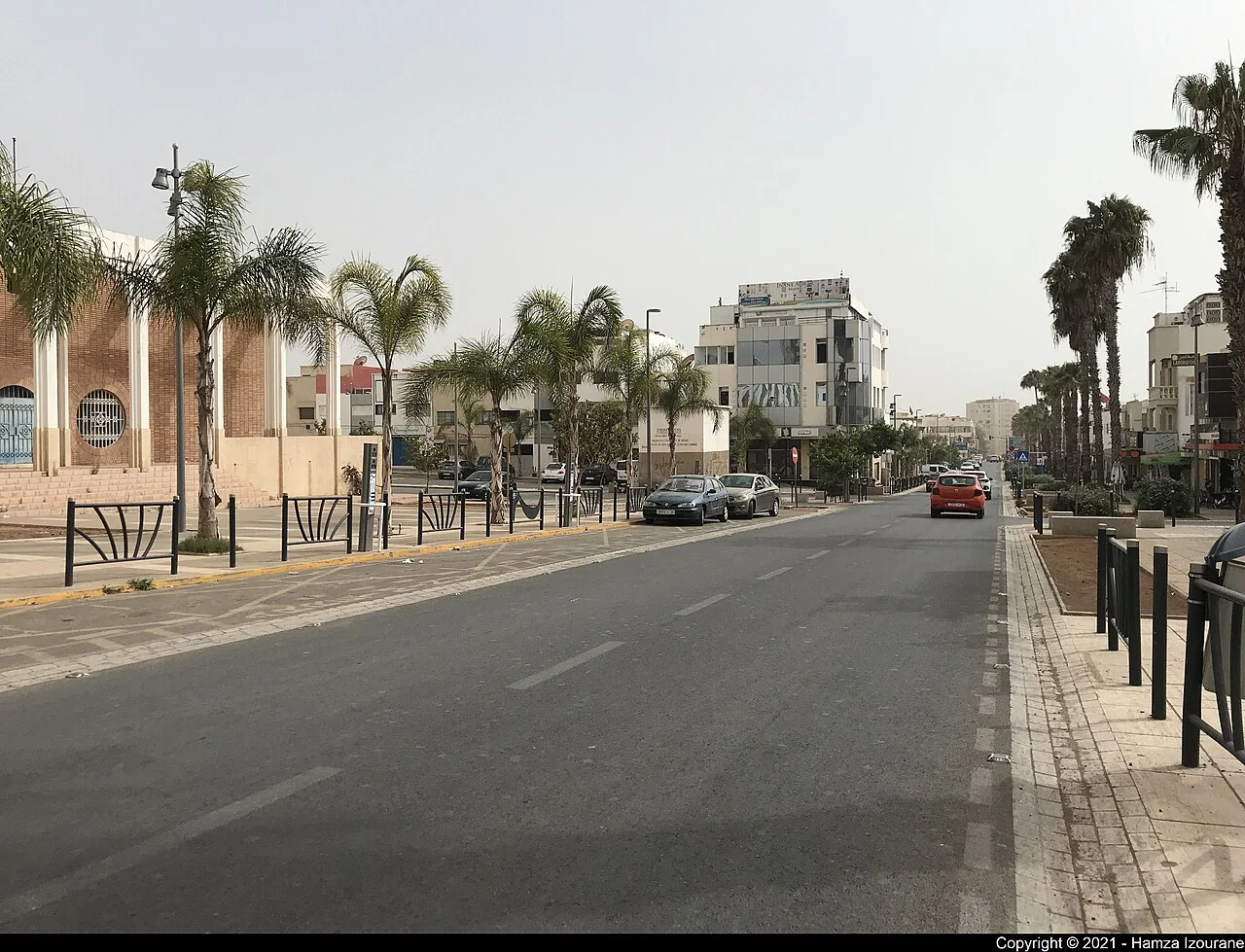

Use a small note-taking rule: one image, one question about it, and one urban feature to observe outside afterwards. Do not automatically equate an archived street with the street you walk today; without identification, leave the connection as a question. This gives space to reflect without reducing somebody else's suffering to a photographic opportunity. Rather than loading the rest of the day with intense visits, allow a seated pause and a compact central section. Two companions can choose different objects and compare observations after leaving. Ask beforehand about mobility support, stairs, seating and interpretation language. Permission for personal visitor photography does not automatically allow republication of modern exhibition imagery.
Oufella: remembrance as well as a viewpoint
The kasbah's official site presents Oufella as a place of history and remembrance, with ticket arrangements for the interior. After taking in the panorama, follow the designated route through the remains and respect quiet areas and expectations around religious spaces. A hillside view does not imply unrestricted walking throughout the surrounding terrain. Plan water and a shaded pause beforehand; for a traveller with reduced mobility, the surface at the top and return connection matter as much as the method of ascent.
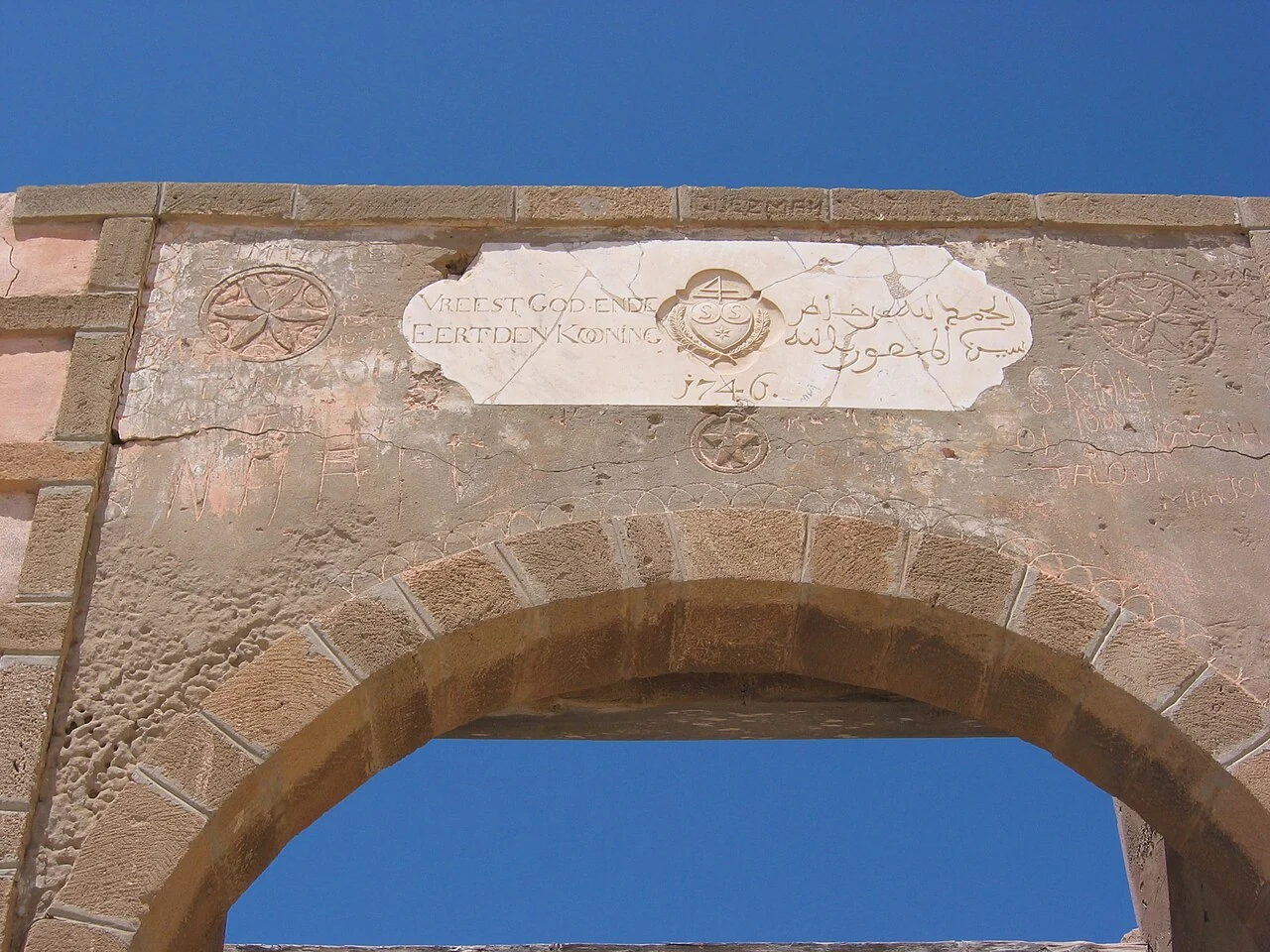

The institution's access page identifies cable car, taxi and shuttle options. Confirm what actually operates on your day, which service your ticket includes and the final return separately; an old shuttle interval is not today's timetable. Do not assume the cable car fare and kasbah admission are one ticket. The official page still labels on-site dining as forthcoming, so arrange the meal in the lower city. Establish your arrival point and a meeting place for the return before ascending. If guided interpretation matters, ask about language and availability, then select one theme; there is no obligation to wait at every panoramic angle.
Talborjt and the market: connect memory with everyday life
Build the museum day's short street section from the actual entrance. In Talborjt, a selected stretch rather than a lengthy neighbourhood tour can reveal the relationship between broad roads, crossings and shop use. A historical reference on a sign is not proof of a building's construction date. Saving the doorway for your return is particularly useful on the first evening. A structure observed from outside may be privately used; do not enter courtyards or interiors without permission.
Use the market as a pause supporting a specific purchase or meal decision rather than another demanding visit. Ask sellers about an item's materials, origin and actual total; being shown a product does not oblige you to buy it. Keep belongings closed and in front, and keep the group together in crowds. Ask before photographing people at a stall. The old Agadir market image used here is not evidence of a particular current shop or an amlou stall. It illustrates social context; choose food from the actual menu and hygiene conditions during your visit.
Amlou: connect Souss flavours with breakfast
The Moroccan National Tourist Office connects Agadir gastronomy with amlou, a mixture of almonds, honey and argan oil. If offered at breakfast, sharing a small portion with bread adds a straightforward regional taste between the historical visits. Explain almond allergies and honey preferences before ordering; do not assume identical recipes everywhere. Cosmetic argan oil is not interchangeable with oil offered for eating. When buying a product to take home, inspect the food label, packaging, storage and baggage conditions; the word natural alone is not sufficient.


On day one, allow a proper breakfast before the museum and a seated lunch afterwards instead of a hurried tasting circuit. On day two, choosing a business for the main meal after returning from the kasbah is more useful than expecting food at the summit. If fish or tagine appears on the menu, ask about portion, preparation and accompaniments; regional cuisine is not a promise of a restaurant's permanent menu. For companions with different dietary needs, a small shared taste and separate main dishes may work well. Tea and sweets need not substitute for a complete meal. Let water and rest decisions operate independently of an attractive photographic location.
Arrival, room choice and two flexible days
An intercity bus ticket saying Agadir does not identify the exact doorway where you arrive. Compare the point printed on your ticket with CTM's current agency information; do not assume terminal, agency and accommodation share one location. For an airport arrival, establish the final drop-off point, total and late-arrival arrangement with a dependable transfer service. This guide promises no fixed airport route number, duration or fare. Settling into your room may be a better beginning than trying to reach the museum with heavy luggage on arrival day.
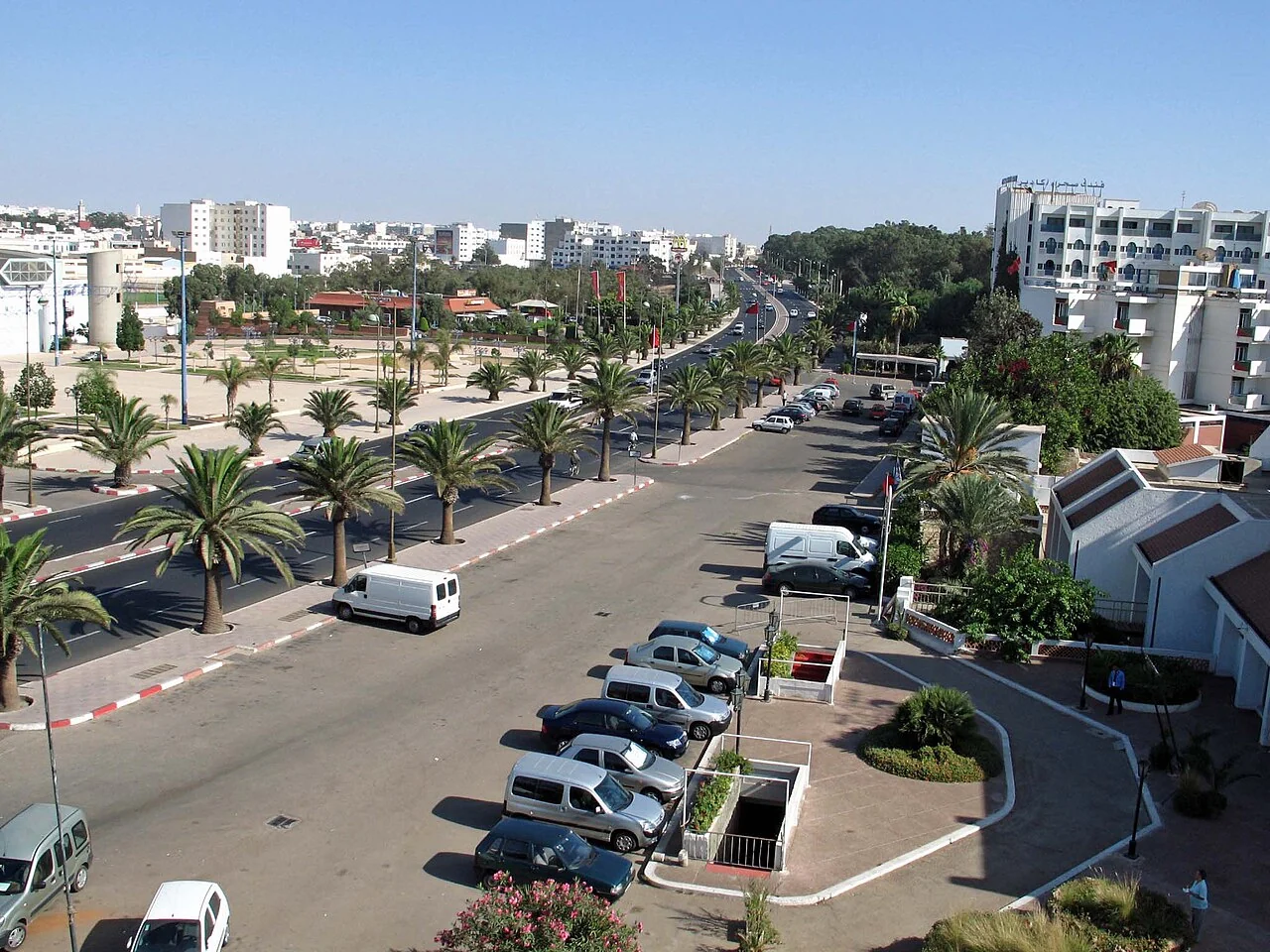

For a central or Talborjt room, examine the dinner return, crossings, noise and actual entrance. With coastal accommodation, weigh museum and kasbah connections alongside the view. A sufficient framework is the lower-city museum, short street section and meal on day one, then Oufella, a suitable return and meal on day two. Swap the days in a week where the museum's Tuesday closure affects your visit. Follow official travel advice by avoiding demonstrations and isolated places at night, and use authorised services. Sources were checked on 4 October 2026. Before travelling, reopen admission, mobility and transport notices and match the two-day outline to real conditions.