
One city, two cultural anchors and three nights
Tatilmerkezi Leyleği gives Douala two complete days to consider art alongside urban memory. Stay three nights at one address: rest on arrival, spend the next day with doual'art in Bonanjo and an arranged history-and-art programme, then use the second full day for a confirmed French Institute cultural activity or media-library access with the appropriate membership. Depart after the final night. This does not repeat the national guide's Douala-or-Yaoundé base and Kribi coast extension. It is for someone wanting to meet creative institutions, question urban history and arrange two different local meals. Airport movements and business meetings should not be counted as visiting time.
Match the institutions' actual calendars first. If an available date changes, reversing the two days may be better than travelling elsewhere. Do not replace an unavailable guided appointment with a promised independent neighbourhood walk: security and road connections need current local assessment. Allow separate time for the arts centre, guided city component, meal and return. There is no obligation to move at an identical pace at every stop. A few thoughtful questions about urban memory can create a more lasting encounter than an extended list of buildings crammed into a week.
Bonanjo and doual’art: arrange the guide first
doual'art's official visiting page states that the Douala Ville d'Art et d'Histoire programme operates by appointment. Contact the institution at Place du Gouvernement to establish the date, group size, language and actual scope. A historical event archive does not establish that the same exhibition is present today. Make the currently accessible centre programme the morning anchor, then proceed to a nearby urban-memory component considered suitable by the guide. Walking capacity, rain and traffic should determine its length. Learn meeting arrangements rather than entering working spaces without permission or demanding an unplanned artist studio visit.
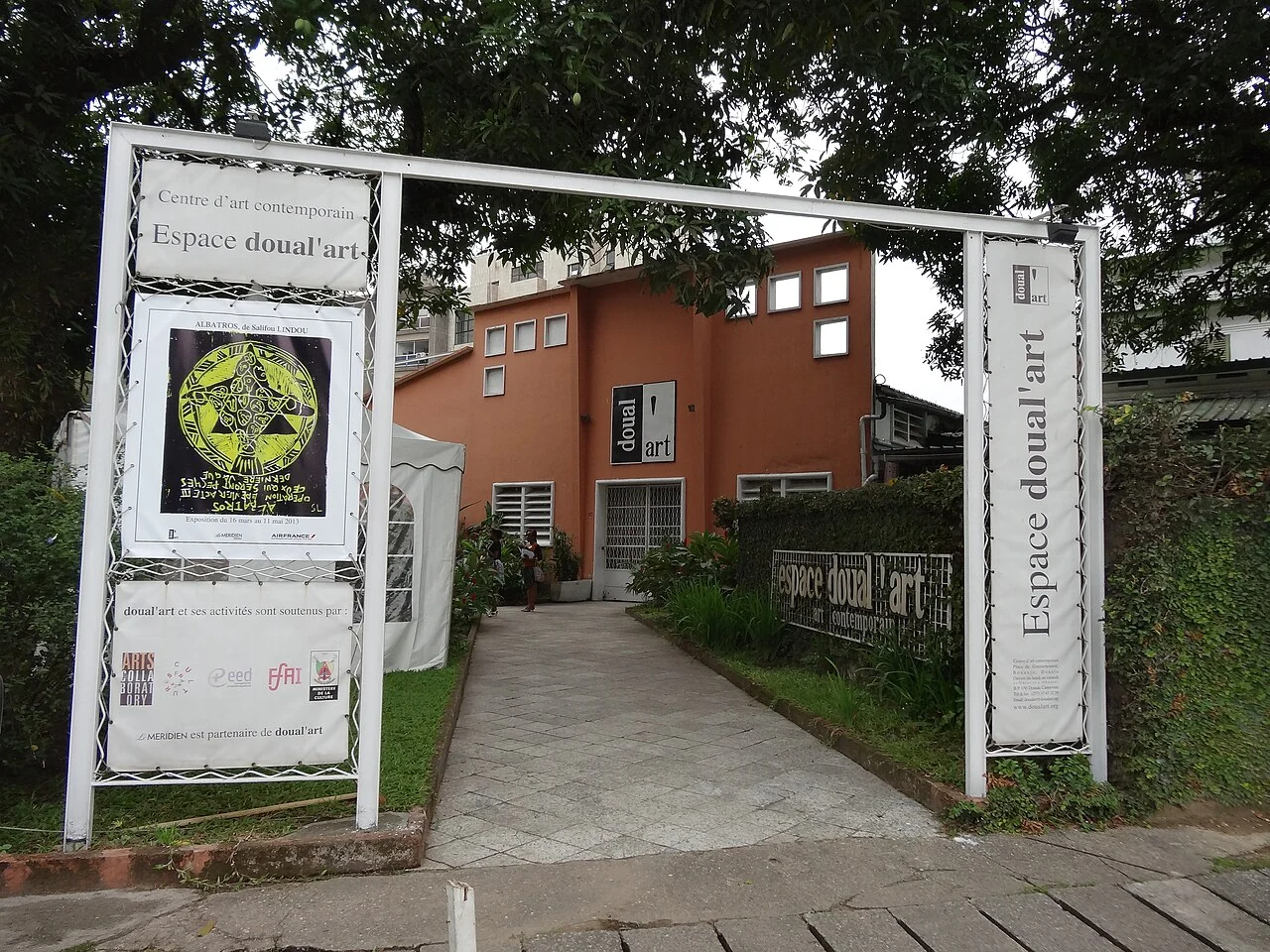

Take one question about Bonanjo's relationship between historic buildings and contemporary art: how do remembered stories occupy public space? The centre's Arbre à Palabres description identifies surrounding Bell-family monuments and palace; this should not become a promise of current interior access. Distinguish places that can be viewed externally with the guide. Discuss permission to share photographs of newer artworks separately with the artist or rights holder. A short written note or shared interpretation after a gallery may be more useful than collecting more photographs. If guiding finishes earlier than expected, extend lunch rather than pretending uncompleted visits took place.
Second day: distinguish an event from media-library access
The French Institute of Cameroon presents its Douala and Yaoundé media libraries as separate centres. Make sure the programme selected for Douala actually takes place in this city. Its official media-library page explains access with a valid subscription card; this guide does not promise an unconditional free reading room for a short-stay tourist. Ask directly about registration, a membership appropriate to the visit, or participation in an event. Reserve a performance or discussion against the current agenda. An annual subscription price is not an event ticket price. This day can complement the previous day's historical interpretation with a different cultural programme.
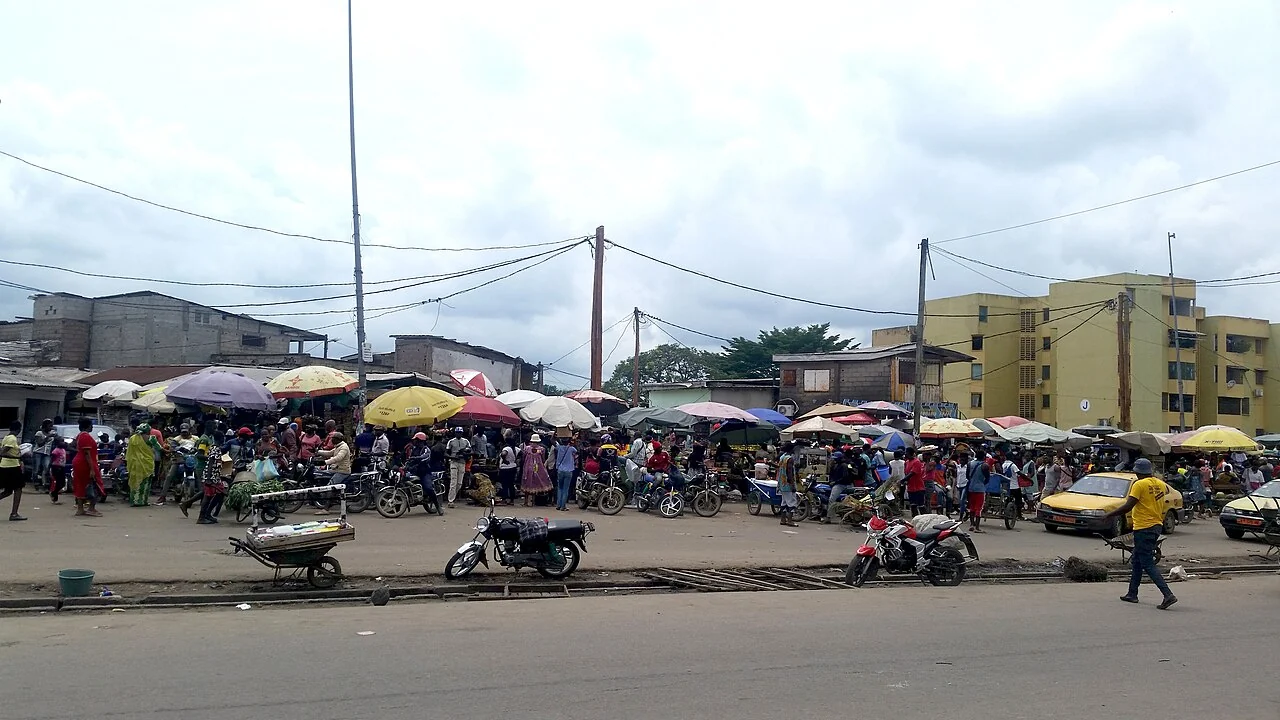

If reading and digital resources match your purpose, establish available languages, materials and service conditions. With children, consider suitable activities, waiting arrangements and accompaniment together. Understanding every word of a discussion is unnecessary; reading about its subject first and noting one question can improve the experience. If appropriate access cannot be arranged, do not pad the second day by repeating the same neighbourhood list. Giving the booked first programme more room or shortening the city stay are honest alternatives. The Bonamoussadi market photograph provides context for urban commerce, not the library's location or a compulsory market visit.
Ndolè and mbongo’o tchobi: make the meals different
Cameroon's tourism ministry describes ndolè using its namesake leaves and peanut paste, while mbongo'o tchobi is presented as a dark, spiced fish sauce. After the Bonanjo programme, ask about the meat or seafood and accompaniment when ndolè appears on a menu. Trying mbongo'o tchobi on the second culture day is more meaningful than repeating the first plate under a new label. These national dishes are not restricted here to one neighbourhood. The pictured ndolè example was photographed in Douala in March 2023; it does not establish that a business now serves the same presentation.
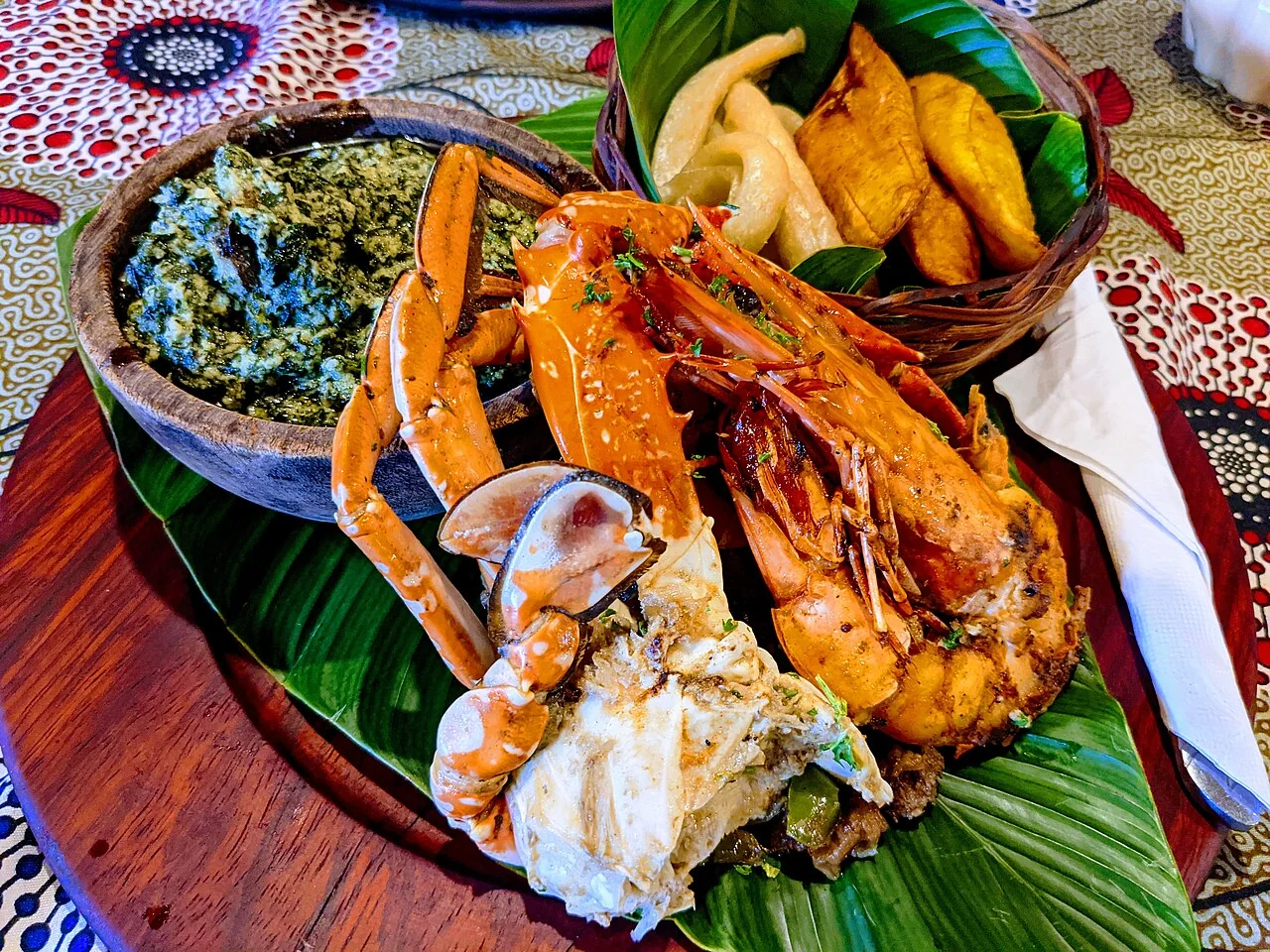

Discuss peanuts, fish and shellfish explicitly with the kitchen. A sauce's colour or leaf name does not reveal every ingredient. A seated option close to the guided visit's endpoint may be more useful than crossing the city for lunch. Establish portions and current prices before ordering, and discuss service time for a larger group. Learning ingredients at the first meal and cooking methods at the second creates a small cultural comparison at the table. Ask permission for stall photographs and do not interrupt working areas. Buying a product does not grant unlimited use of a vendor's portrait or creative work.
Choose the base around the cultural programme
Do not compare a Bonanjo-area accommodation option with another address offering airport connections solely through room photographs. The precise entrance, returns from both institutions, meals and vehicle arrangements matter together. Include the meeting district in the decision when combining culture with business. Rain and traffic mean no fixed transfer duration is given; leave a margin between appointments. On arrival, use the pre-arranged vehicle and accommodation rather than exploring independently with luggage. Confirm return arrangements before a late event begins and clarify any driver's waiting time.
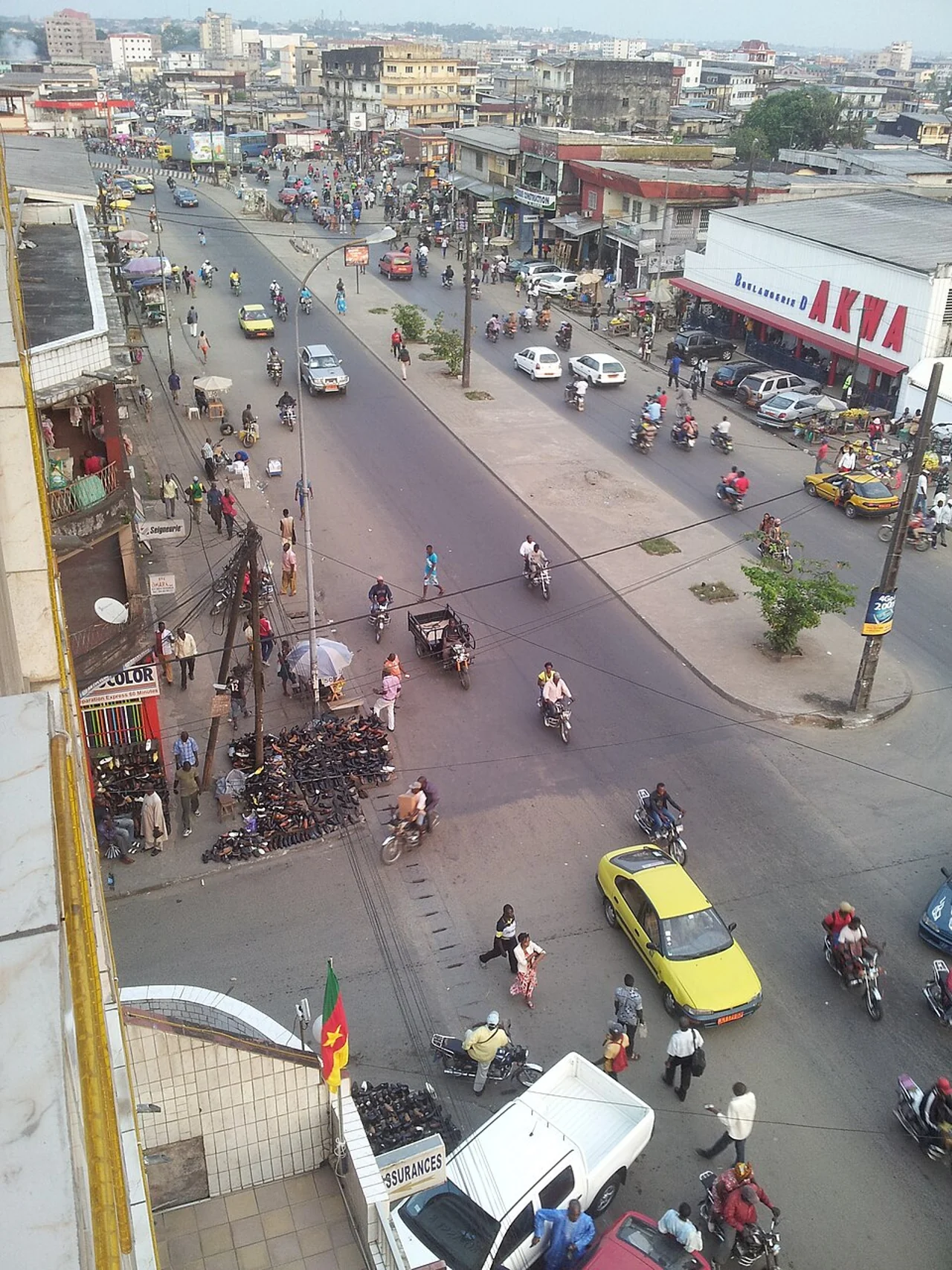

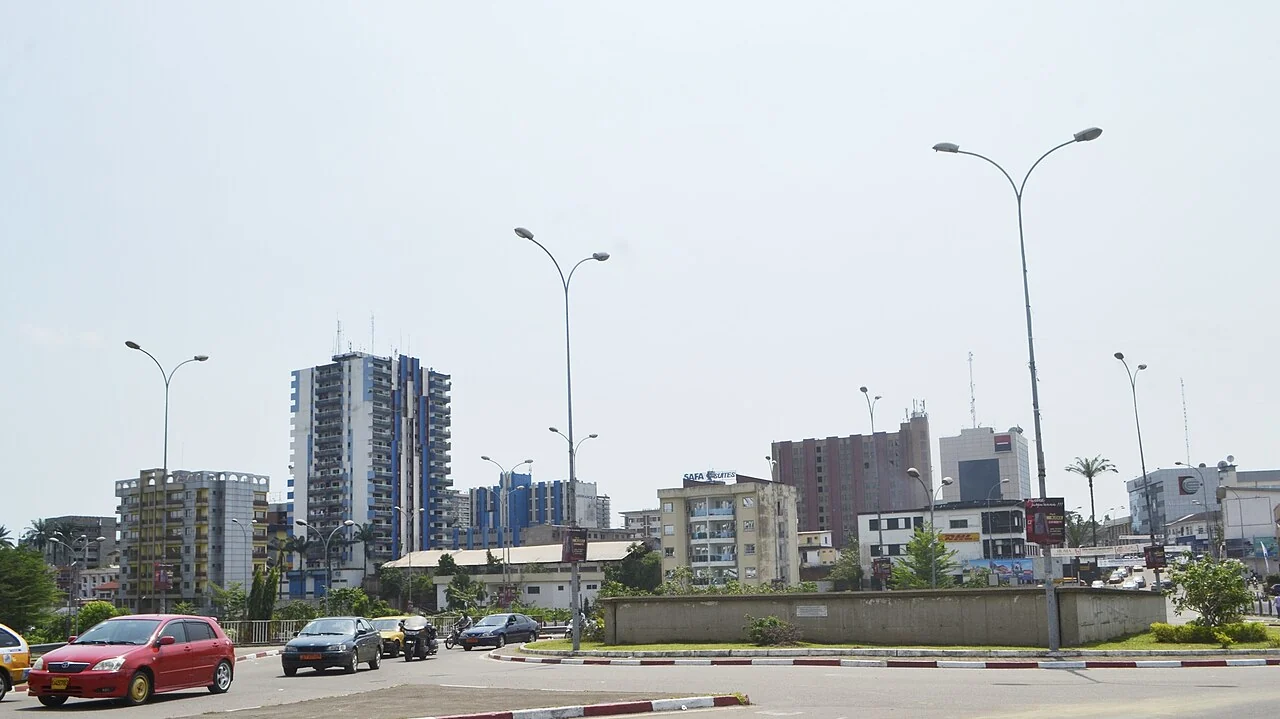
The FCDO advice checked on 4 October 2026 highlights armed-robbery risks in Douala and trusted pre-arranged transport. It warns against isolated areas including Akwa, New Bell and Bonabéri; the historical Akwa road photograph is not a recommendation for independent night walking. Official warnings affecting North-West, South-West and border areas should not become ordinary extensions of these city days. Recheck current risks and entry requirements for your passport. Stay away from demonstrations and remove outdoor components if security advice changes. A useful Douala culture day rests on actual institutional appointments, understandable meals and dependable return connections.