
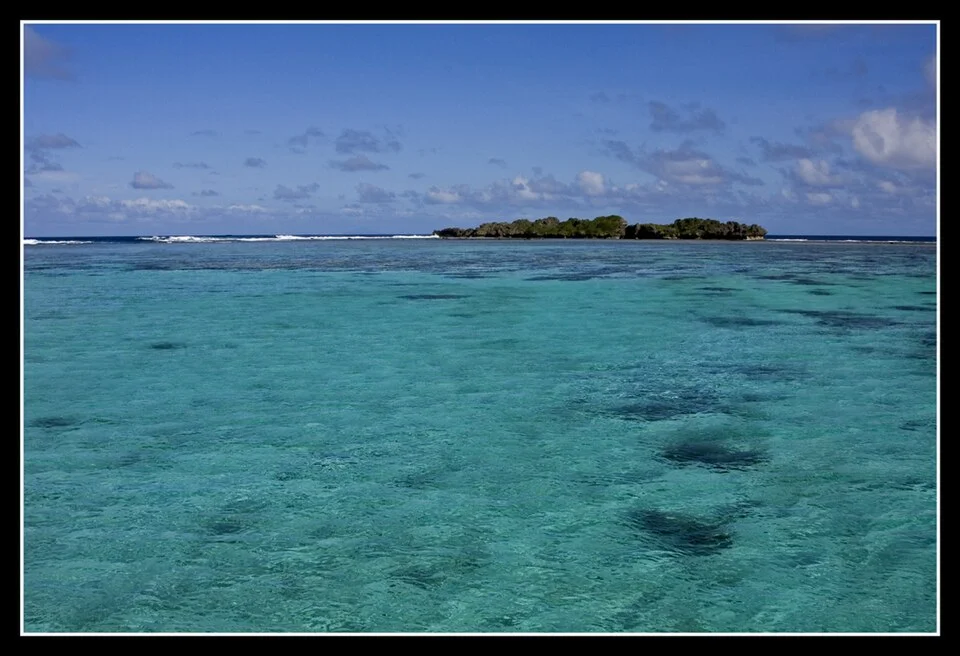
Read Tonga through two island groups
The Tatilmerkezi Stork connects the small dots on this Pacific map while leaving space in the calendar. A first Tonga trip is shaped less by the number of islands visited than by the resilience of the connections between them. Tongatapu introduces the country through Nukuʻalofa, historic stone sites and coastal excursions. Vavaʻu adds the sheltered-water scenery and town life around Neiafu. Joining the two requires an actually bookable domestic flight, rather than a line drawn across a map. The suggested journey below takes ten calendar days and nine nights, with six full visiting days. A shorter holiday can work well on Tongatapu alone. The purpose is a practical first encounter with two centres, not a promise that every island group can be reached in one continuous loop. Leave enough time to discover ordinary streets and meals as well as the viewpoints.
Ten calendar days and nine nights
Day one is international arrival, transfer and rest. Day two explores Nukuʻalofa; day three goes east towards Haʻamonga and, subject to access, the Lapaha area. Day four is a separate west-coast excursion to Mapu ʻa Vaea. Day five takes a confirmed domestic flight to Vavaʻu. Day six is a Neiafu and land-based day, while day seven offers an optional licensed boat excursion if conditions permit. Return to Tongatapu on day eight, retain day nine as a connection buffer and rest day, then depart internationally on day ten. Accommodation therefore comprises four initial Tongatapu nights, three Vavaʻu nights and two final Tongatapu nights. Days two, three, four, six, seven and nine are the six full visiting days. If the domestic flight cannot be confirmed, remove Vavaʻu and retain the same nights on Tongatapu. Do not try to rescue the original itinerary with an unverified sea transfer.
Haʻamonga and eastern Tongatapu
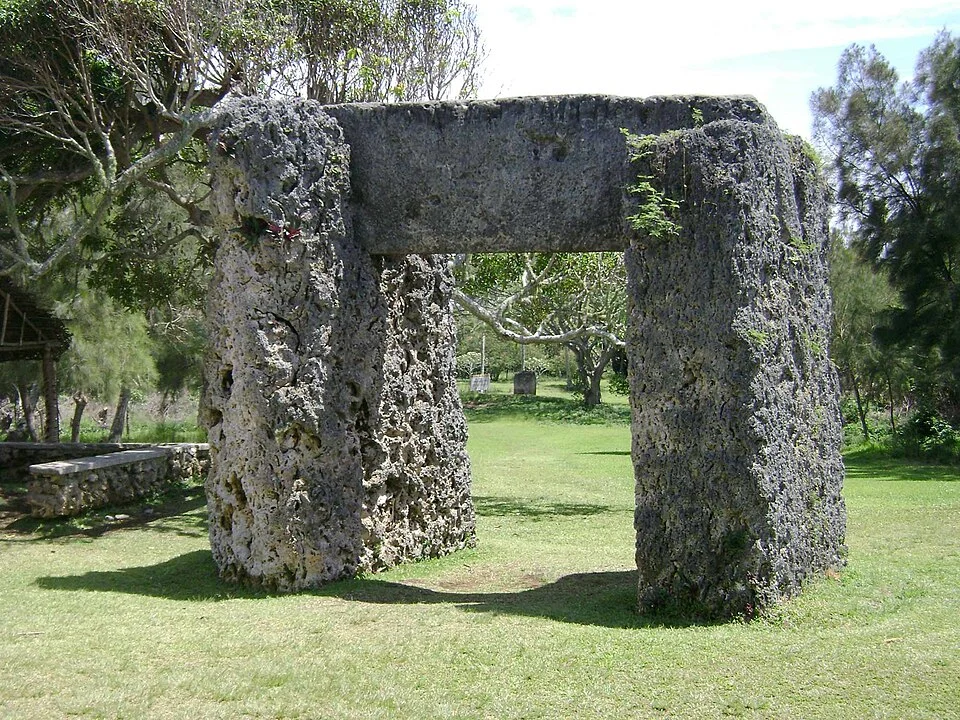
Haʻamonga ʻa Maui gives visitors a reason to look beyond ocean views. Keep the morning focused on the stone monument and its surroundings, then consider the historic stops near Lapaha with local access advice. Agree the excursion duration, any waiting charge and the return location with your driver before setting off. Community, religious and privately held spaces are not interchangeable with freely accessible attractions: ask permission and respect clothing or quiet-behaviour expectations. Planning lunch after returning towards the centre avoids assuming that a small roadside business will be open. Enjoy the site from the permitted visitor area rather than climbing on the stones for a photograph. A restrained itinerary leaves time for questions about the landscape and its communities without turning a meaningful historical visit into a string of hurried photo stops.

Mapu ʻa Vaea: observe the coast from a safe position
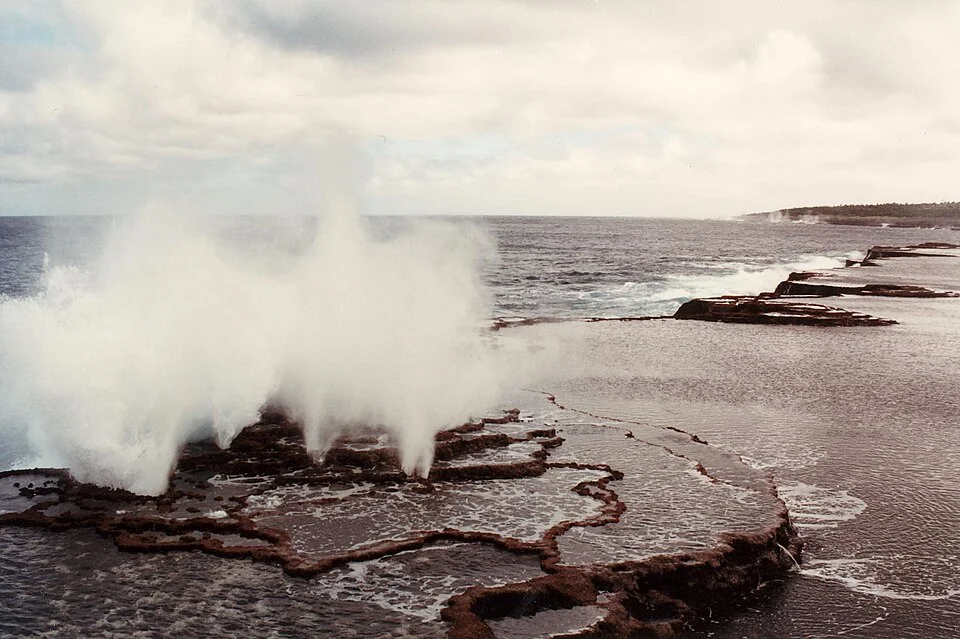
The west-coast blowholes at Mapu ʻa Vaea are formed by waves interacting with the rocky shoreline. The visit should be about watching from a safe distance, not walking closer to the wave edge. When the sea is rough, do not search for a more exposed rock to improve a photograph. Follow the boundary set by local advice or your guide. Build this excursion around a few suitable west-side stops instead of adding the eastern monuments to the same day. Carry drinking water, sun protection and footwear suitable for the ground. Spray varies with the sea, so a particular image cannot be guaranteed. A warm lunch and a rest break after returning help turn the coastal outing into a comfortable day. A beautiful shoreline photograph is not evidence of a safe swimming place, and the decision to stay back should never depend on whether other visitors are standing closer.

A Nukuʻalofa base and the Sunday calendar
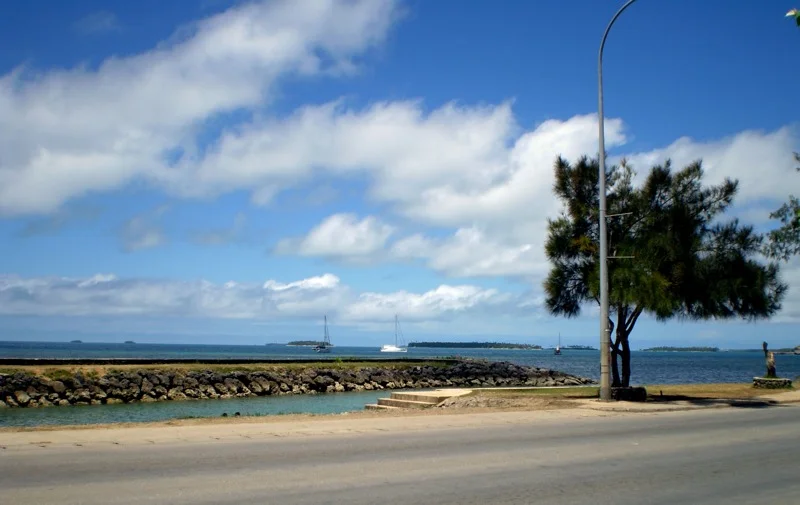
For the first and final Tongatapu nights, a central base or accommodation with a confirmed airport transfer simplifies the connections. If waterfront walks matter, ask the property about walking access and the route back after dark. A distant coastal property may offer appealing scenery, but needing a vehicle for meals as well as visits changes the practical cost of a stay. Many businesses and services close or become limited on Sundays. Avoid placing essential shopping, unplanned restaurant searches or last-minute transfer arrangements on that day. Arrange meals and transport ahead and allow for a quiet rest day instead. Check the actual weekdays against your flights: numbered itinerary days do not imply a particular weekly calendar. If visiting around a church, ask about permission and local expectations rather than treating a service as an attraction that is automatically open to visitors.

Vavaʻu and Neiafu: land first, sea conditions second
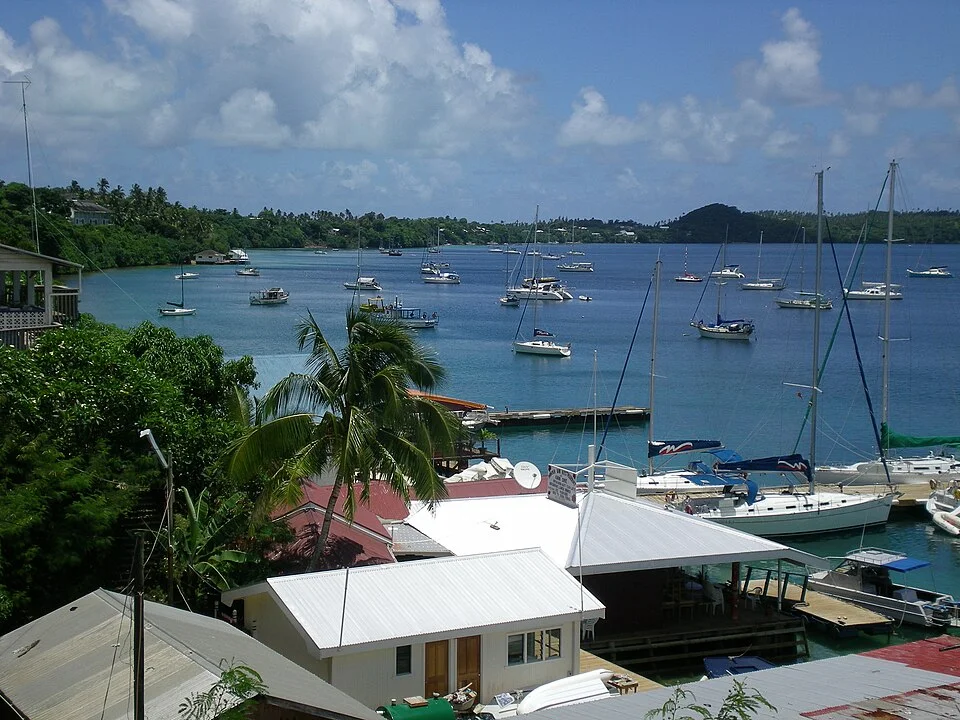
On arrival in Vavaʻu, settle near Neiafu and reconfirm the return flight. Use the following day for the harbour area, an appropriate land viewpoint and a relaxed lunch. This provides a worthwhile second-island-group experience even for travellers who prefer not to join a boat trip. Before choosing accommodation, establish the distance to meeting points, whether transfers are supplied and how dinner in town works. Day seven's optional boat activity depends on the actual sea conditions. Keep a land alternative that does not require changing accommodation. If considering whales, use an authorised operator and follow the applicable permit and guiding requirements. Do not plan an approach from your own kayak or boat. Wildlife sightings and entry into the water are not guaranteed. A guide's decision to observe only, change the trip or cancel is compatible with a properly planned visit rather than a reason to improvise another approach.

Meals with ʻota ʻika, lu pulu and feke
Tonga Tourism identifies ʻota ʻika as raw fish prepared with lemon and coconut cream, and lu pulu as a taro-leaf dish involving meat and coconut milk. Make an early lunch a chance to learn one local dish: ask about the raw fish, the meat used and the coconut ingredients before ordering. A common corned-beef version of lu pulu is unsuitable for someone seeking a plant-based meal. Feke introduces octopus or squid served with coconut sauce. None of these names implies availability on every menu. A longer town lunch suits the Nukuʻalofa visiting day; before a Vavaʻu boat departure, a lighter breakfast followed by a warm meal on return may fit better. Root vegetables such as taro and ʻufi, together with seasonal fruit, broaden the conversation at the table. Discuss dietary requirements while arranging the stay, particularly when staying far from alternative restaurants. Local food is part of the itinerary rather than a checklist requiring every dish in one sitting.
Confirm flights, sea travel and entry documents
Check current inter-island air arrangements with the actual operator and accommodation; this guide promises neither timetables nor flight frequency. Do not schedule the domestic return on the same day as international departure. Tonga Tourism describes ferries, while FCDO advice highlights concerns about overcrowding and ageing vessels. A ferry therefore cannot automatically replace a missing flight as a safe, punctual connection: assess the actual service and conditions first. Passport and entry requirements depend on nationality; advice written for British passport holders is not a universal visa rule. Confirm requirements for your own documents with the relevant authority. Before committing to activities, review official cyclone, earthquake and tsunami information and learn the evacuation direction at your accommodation. A simplified route can be the right response to changing weather or sea conditions. Sources were checked on 4 October 2026; reviewing them again before travelling remains part of planning.