
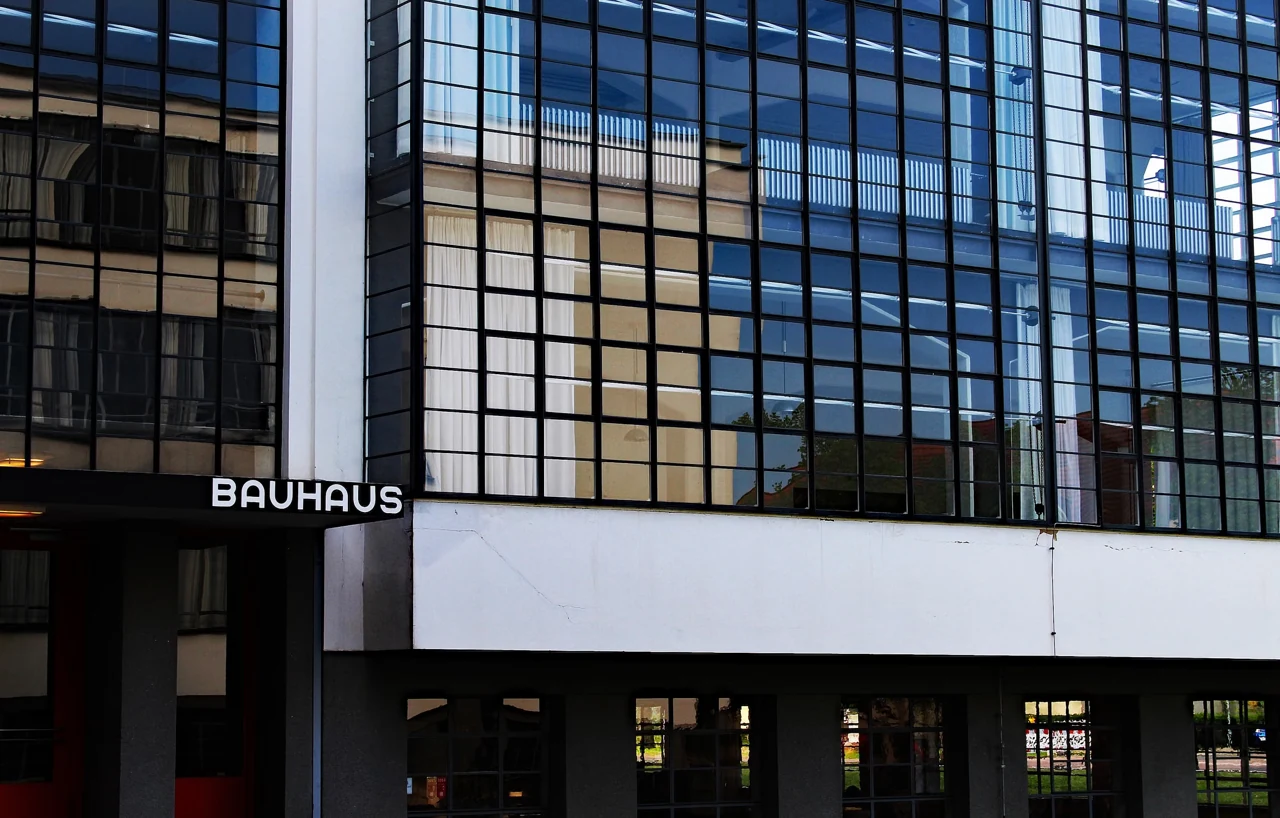
You can visit Dessau’s Bauhaus by going to one building and returning, but an overnight itinerary comparing the school, the Masters’ Houses and the city museum offers more. The Tatil Merkezi Stork gives the first day to places of learning and living, then the following morning to the collection. Instead of memorising a glass façade as a style label, examine the relationship between activities and their visible setting. Extending the route to Kornhaus can bring the meal into the architectural comparison. Establish the station exits and riverside connection rather than assuming all modern buildings share one street.
Separate the west-side approach from the city centre
Dessau Hbf is at Fritz-Hesse-Straße 47. On arrival, choose whether you are heading towards the school and Masters’ Houses or the museum in the city centre. The foundation’s approach information describes the west exit and Bauhausstraße connection for the first group. That is not a universal instruction for reaching every Dessau attraction. If leaving luggage at your hotel, its position may change the first movement of the day. Settle that practical step before beginning the architectural walk.
The Radisson Hotel Fürst Leopold Dessau at Friedensplatz 1 is an accommodation candidate for a central stay. Ask which building a description such as near the Bauhaus refers to: the school and the collection museum are separate places. In this itinerary, one night gives the outdoor comparisons and the following museum visit their own time. Examine the room and service package for your actual dates. A hotel rate is not automatically included in an architectural visit budget, and a familiar chain name does not establish every feature of your specific booking.
See the school façade from several directions
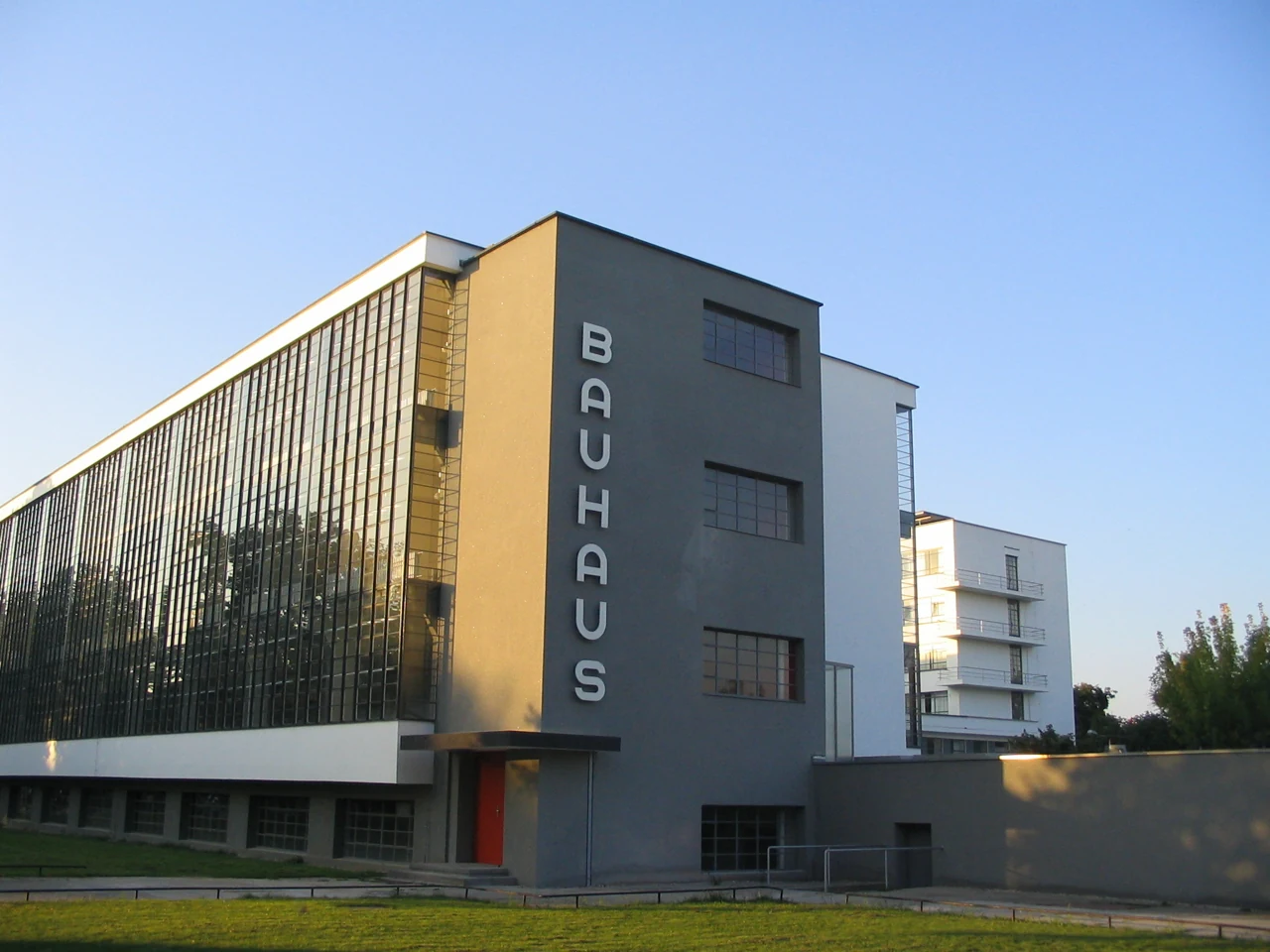
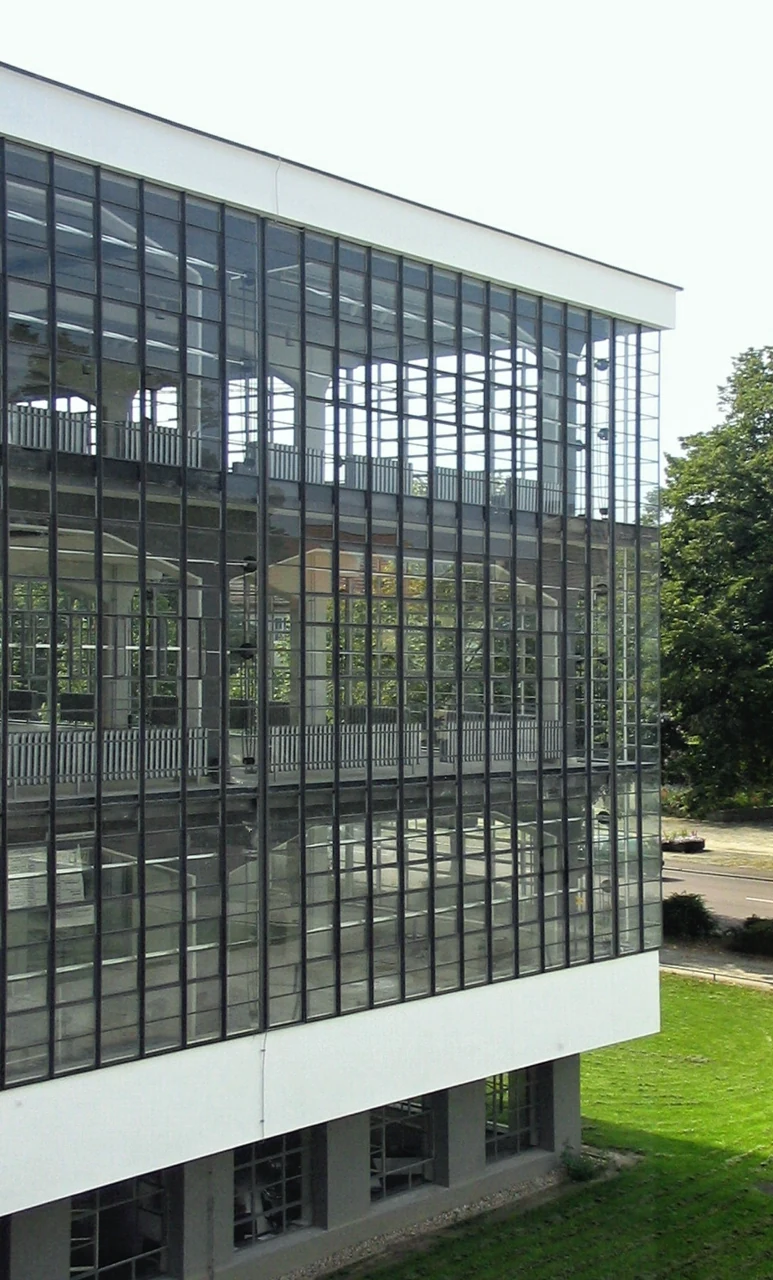
The Bauhaus Building is at Gropiusallee 38. Compare the workshop glazing, the more closed surfaces nearby and the connections between its volumes. One frontal photograph does not explain the whole complex. Begin with a broad view and then approach the rhythm of the glass corner. A building that looks restrained need not contain one large space performing one activity. Let the walk investigate how different uses meet, rather than simply collecting the familiar image of the word Bauhaus on a white wall.
Distinguish the sky reflected in the glass from the spaces you can make out behind it. Consider how changing light can make a surface appear more open or more closed. Your photograph need not be explained solely by the label glass building. The dated 2005 exterior photographs included here do not guarantee the current arrangement of paths and surroundings. Follow the boundaries and signs in place during your visit. There is no need to enter a separated work area to compare a corner, a solid wall and an open-looking surface.
Choose admission and a guided tour separately
The foundation’s tour programme explains that guided visits can reach areas otherwise off-limits and require a valid admission ticket as well. An exterior circuit, an independent interior visit and a guided activity are therefore separate choices. For English-language guidance, inspect the seasonal programme: the institution says it does not offer public English tours during the winter season. Base arrival on the language and activity you select rather than relying only on the building’s opening time. Allow the guided portion to have a real place in the day.
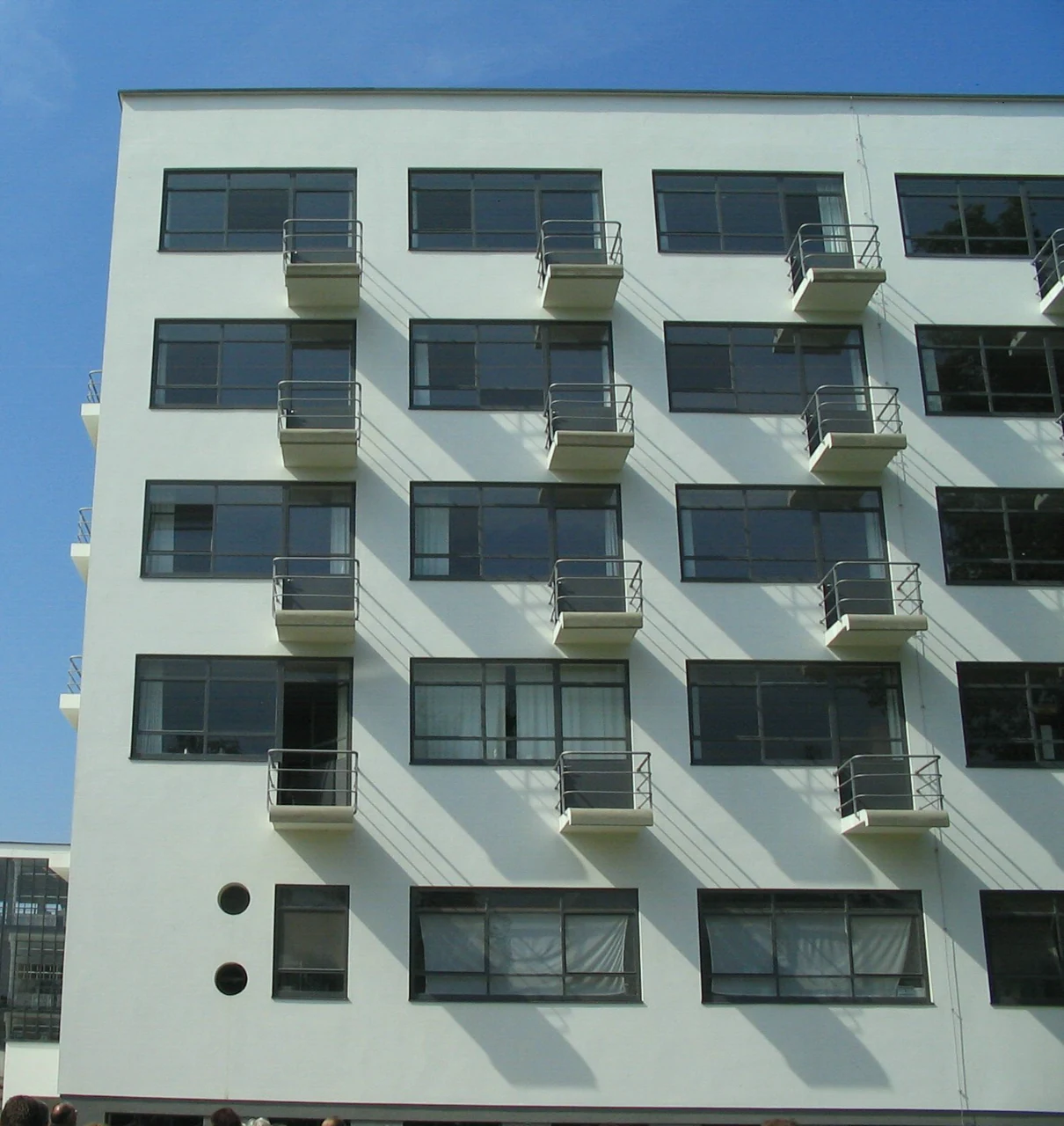
For an interior visit, choose one question to follow: working space, shared life or the way materials change a room. You need not move through every room at the same speed. Comparing the workshop glazing with the individual balconies of the student section can also begin a discussion of different uses. A balcony in a photograph does not establish unrestricted access to a particular room. Learn which spaces belong to your visit. Architectural curiosity and permission to open every door are different things, so let the available route shape the comparison.
Look at working and living through the Masters’ Houses
The Masters’ Houses at Ebertallee 59–71 give you a different scale from the school. Compare white volumes and large windows through their wooded surroundings and domestic purpose. Do not turn one window seen outside into an assumption that every house retains an identical interior or presentation. Select the actual building and current display from the foundation’s information. Moving from the collective school setting to a smaller residential one allows you to test how ideas encountered earlier relate to another pattern of daily life.
Let the transition between sites do more than fill time. Remember one glass corner from the school and compare it with a different relationship to light at the houses. That gives the next stop something to answer. You do not have to finish every building in a single day. If choosing a longer school tour, narrow the residential visit, or leave one site for the following day. A focused encounter may give you more than passing the entrances of every building with no time to understand what is available inside.
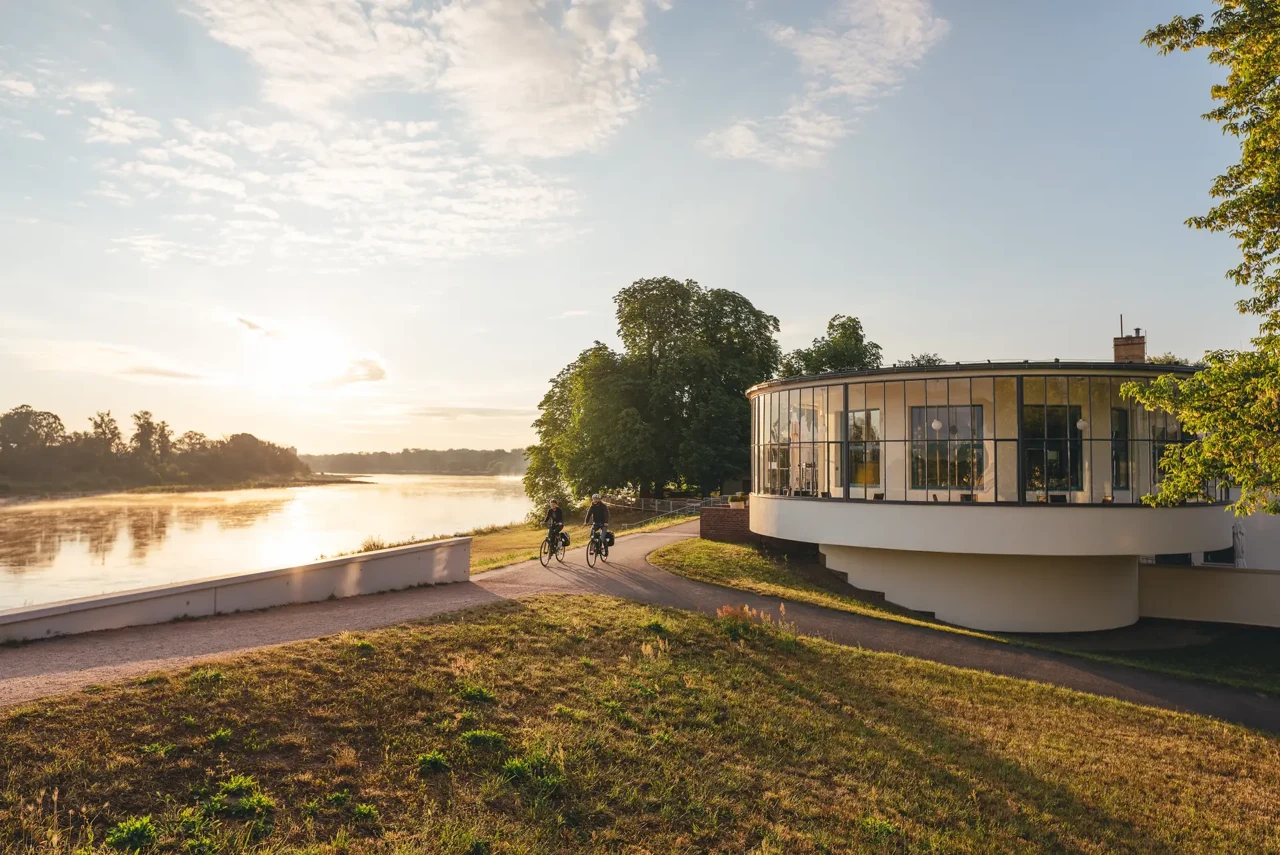
Connect the architectural route with a main meal at Kornhaus
For an extension towards the river, Kornhaus, Carl Fieger’s 1929/30 building, brings another use into the itinerary. The address is Kornhausstraße 146. Compare the school and houses with a restaurant setting; the semicircular glazed part lets the place of dining become part of your observation. Do not assume the riverside connection is an effortless short detour from every central stop. Establish the approach and return along with the time you intend to spend at the table.
The main-course page linked from the operator’s 2026 menu includes fried chicken breast with herb sauce, mashed potatoes and carrots. This is a specific main-meal candidate rather than only a drink during an architectural stop. Visiting the building does not guarantee a table or a particular riverside seat; describe your preference when reserving. Inspect the seasonal card separately. Photographs of another plate on a menu do not represent the exact meal selected in this guide, and no restaurant food photograph has been substituted for a verified location image.
Give the city museum a separate morning
The Bauhaus Museum Dessau at Mies-van-der-Rohe-Platz 1 is a separate destination from the school. Its March–October schedule lists Tuesday to Sunday, 10:00 to 18:00. The elevated collection space and outer glass shell create another relationship to compare with the school façade. Give the objects time inside, then examine the connection with town and park outside. On departure day, make the museum the main activity rather than opening a long new route between several sites. Returning for luggage afterwards gives the overnight visit a calmer finish.