Kanchipuram: three nights for different temple settings
The Tatilmerkezi Stork suggests treating Kanchipuram as a stay with two separate city days, rather than a list reached quickly from Chennai and abandoned again that evening. This plan uses four calendar days and three nights: arrival, the first complete sightseeing day, a second complete day, and departure. Kailasanathar and Ekambareswarar provide the initial interests, while Varadaraja Perumal belongs to another part of the city. If curious about silk production, place that as a short, independently arranged option on the second day. Do not build the schedule on assumptions that every inner temple area can be entered, every shop offers a workshop visit or a religious event will match your date. Understanding the different scale and setting of a few chosen places can provide a clearer experience than taking a similar photograph at numerous entrances.
Arrival: separate the Chennai connection from the city visit
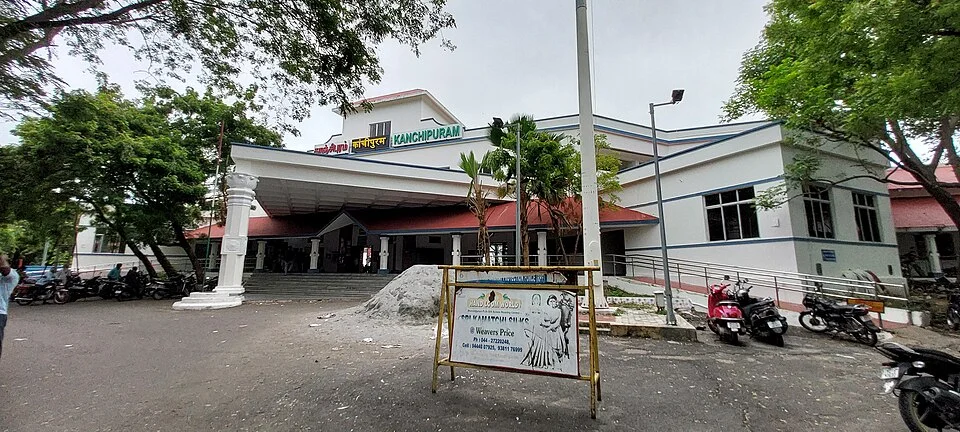
If approaching from Chennai, give the intercity journey its own arrival allowance rather than consuming the first sightseeing morning without recognising the travel involved. Compare the train or bus stop printed on the ticket with the accommodation address. Do not reserve a connection merely because station names in and around Kanchipuram seem similar; establish the actual arrival point using current operator information. Checking in and finding a nearby meal may be a more comfortable start than walking with luggage. A time or journey duration on an older district page does not establish today's connection. Before the first complete morning, examine the approach towards Kailasanathar and the later move to the second selected temple. If arrival leaves no time for a city look, that is not a failure: this itinerary has deliberately protected two complete days instead of relying on a crowded first evening.

Kailasanathar: give the Pallava structure a measured visit
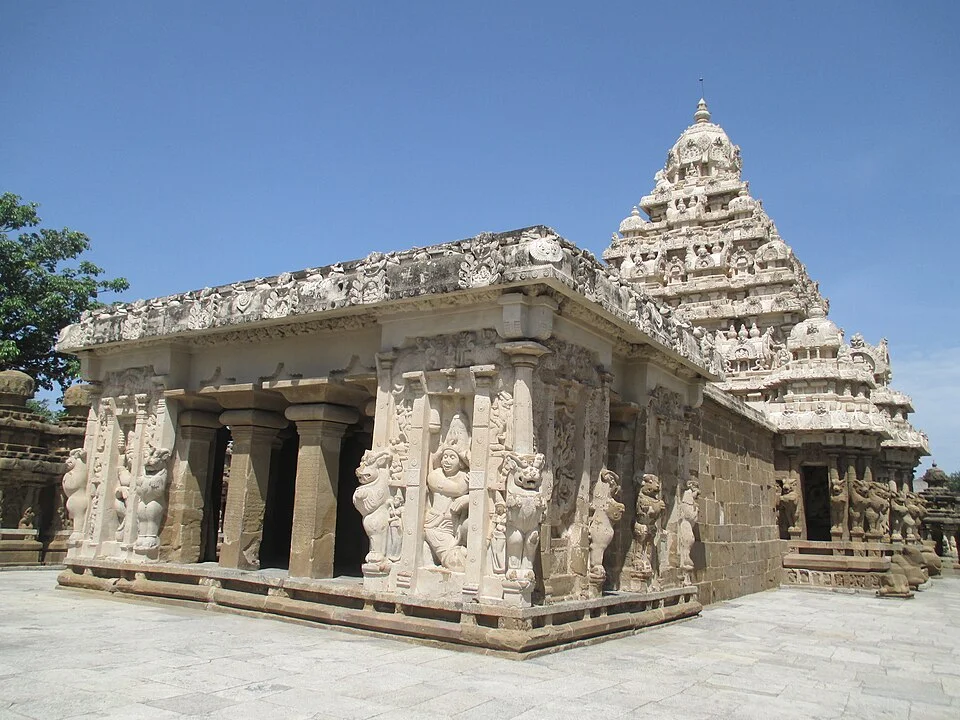
Kailasanathar can begin the first full day. District visitor information places the building in the Pallava heritage of the city and describes its architectural details. On approaching the courtyard, look beyond a photograph of the tower to the relationship between smaller structures, corridors and stone surfaces. Historic reliefs are not a modern outdoor photo backdrop: observe them without crossing conservation boundaries. Establish the areas currently open and the rules for footwear and photography. Progress according to the heat and ground conditions, leaving a pause before moving to another substantial site. Published visiting hours are not repeated here as a fixed promise for every season. If worship or conservation arrangements change a route that day, a shorter exterior look can still help you understand the building's scale. The morning should have time for attention rather than being used simply to gather another name.
Ekambareswarar: another temple arrangement and its tank
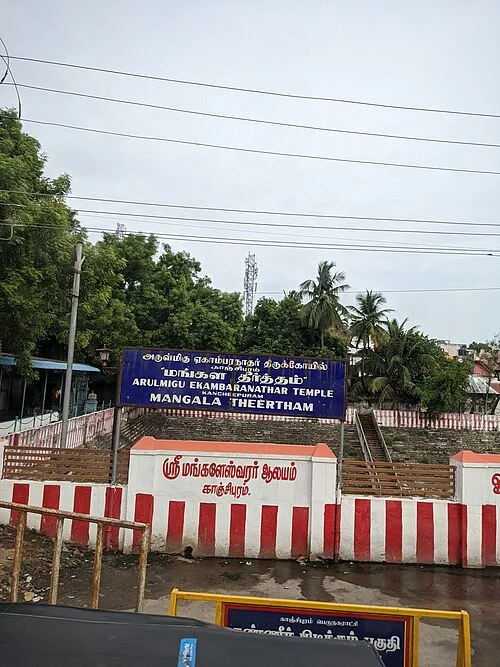
Ekambareswarar can serve as the second main focus of the first day. After Kailasanathar, its broader temple setting, entrance towers and tank surroundings offer a different architectural arrangement to consider. Choose one or two interests along the permitted route rather than making access to every enclosed space the objective. Accounts involving a sacred tree or ritual belong to religious tradition; this guide does not promise a particular health or family outcome from visiting. A view of the tank is not permission to enter the water. In hot conditions, keep this section modest and allow an afternoon break. There is no need to add all the city's other temples to the same day. Comparing two distinct structures calmly before returning for dinner can make them more memorable without merging their settings into a single general temple description.

Varadaraja Perumal: the second day in a different direction
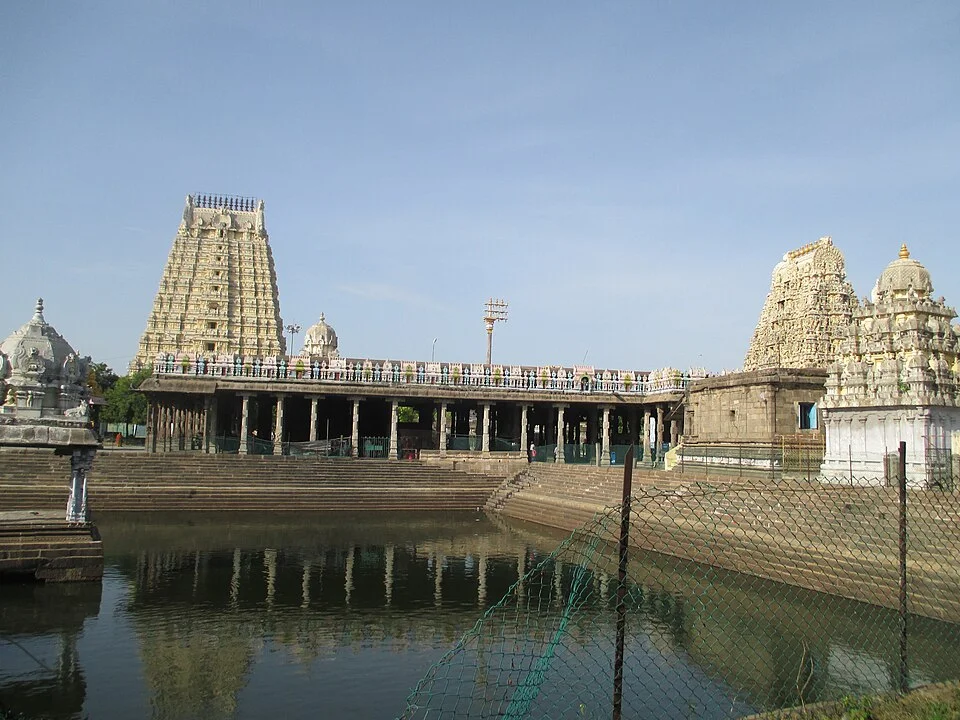
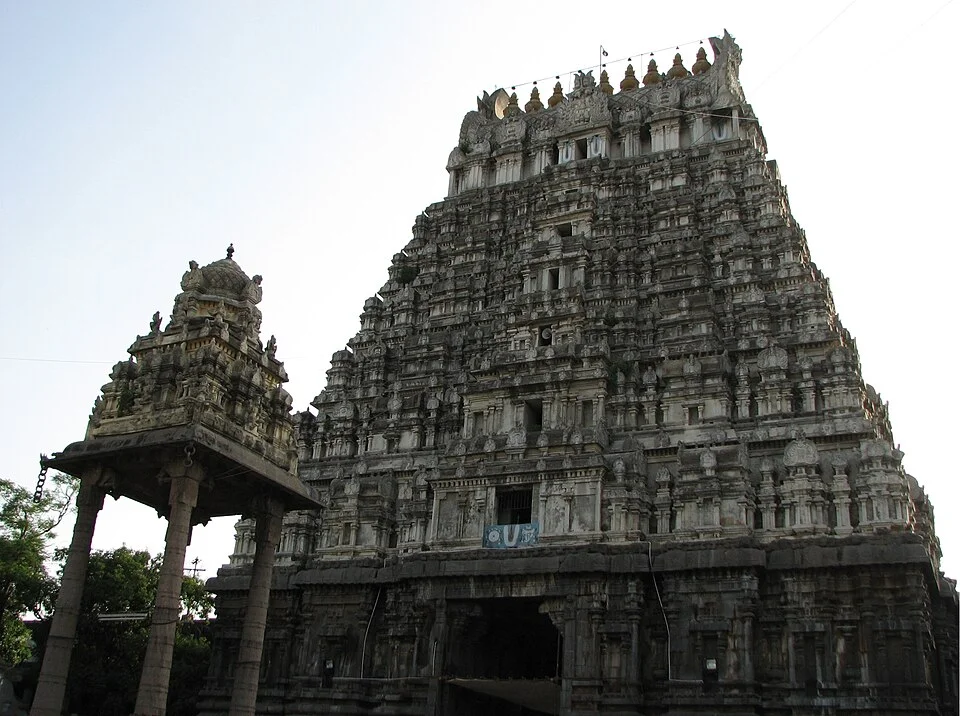
District information describes Varadaraja Perumal as a separate setting towards the eastern part of Kanchipuram. Beginning the second full day here lets you see another city area instead of repeating the first day's major visits in the same sequence. Allow time for the gopuram, courtyard and historical architectural elements that are actually accessible. Do not assume a particular ceremony or sacred object will be available to see. Some religious events are periodic, which is why an older photograph cannot promise the same encounter on every visit. Arrange the return meeting point and lunch for this day's route. If looking at the silk context afterwards, assign its short visit a separate allowance. The connection between the temple and a commercial or craft interest then remains deliberate, rather than becoming an improvised extended tour across the city.

Silk: distinguish looking at products from workshop access
The district administration's page on Kancheevaram silk and saris presents them within the region's recognised production setting. If interested in a sari or in learning about weaving, establish the actual arrangements at the cooperative, shop or workshop you intend to visit. A place selling textiles does not necessarily open its production area to everyone. Discussing materials, construction and origin can be interesting, but buying something is not a requirement for completing the day. This guide does not present older institutional turnover or workforce figures as a precise measure of the industry today. Detailed photographs of contemporary textile designs may also require permission. If the visit is brief, it is reasonable to finish with a city meal. Silk remains a modest organised option alongside the two temple days, rather than a compulsory shopping programme or a guaranteed demonstration.
Kanchipuram idli and regional meals
Kanchipuram idli provides a concrete food interest carrying the city's name. Intellectual Property India's record identifies that name as a food application; it is not described here as an already approved geographical indication. When a menu offers it, ask about the portion actually served and the sambar or chutney accompanying it. Do not assume the same preparation is available at every establishment or at every hour. Another meal can draw on Tamil Nadu's regional rice and pulse-based food setting. Rather than joining two substantial visits with uninterrupted walking, position breakfast, lunch and rest according to your appetite and the temperature of the day. Explain particular ingredient requirements directly to the kitchen. Discovering a local name does not require ordering a long succession of dishes. One thoughtfully chosen meal can provide a useful and enjoyable break in a temple-focused city day.
Accommodation and a separate departure morning
Choose an address for three nights according to the actual connections between the two visiting days, not a broad promise that all the temples are walkable from one room. Place Kailasanathar, Ekambareswarar, the Varadaraja direction and the arrival point on the same map. Confirm late check-in, luggage storage if needed and arrangements for early departure with the accommodation. Consider nearby meal options if you prefer not to add a long vehicle journey every evening; the whole city does not form one small neighbourhood. Day four is set aside for breakfast and leaving. Adding another distant temple that morning can unnecessarily reduce the allowance for the onward connection. Sources were checked on 5 October 2026, while actual access and transport arrangements must be confirmed for the travel date. The Stork's suggestion is to understand different architectural areas on separate days and give a city idli meal its own comfortable pause.