
Kalaburagi between a fort and living religious places
Kalaburagi, also encountered under its older name Gulbarga, is a North Karnataka city where the interest extends beyond photographing defensive walls. The former Bahmani capital brings different kinds of urban use into the same visit. The Tatilmerkezi Stork suggests two nights to distinguish the fort, Jama Masjid, Sharana Basaveshwara surroundings and Bande Nawaz Dargah without rushing. Three calendar days provide one full sightseeing day: arrival evening, the following urban programme and departure morning. Religious places are not interchangeable tourist attractions and each has its own admission arrangements. A seated city meal makes a useful genuine rest interval. Sannati archaeology, Ganagapur and other district interests are not automatic additions to this day. Distance and heat may determine the available time more than the length of a monument list. We therefore suggest attentive looks at separate surroundings rather than completing every historic building. The images are dated source photographs, not live views of present conditions.
Connecting the Gulbarga sign with a Kalaburagi address
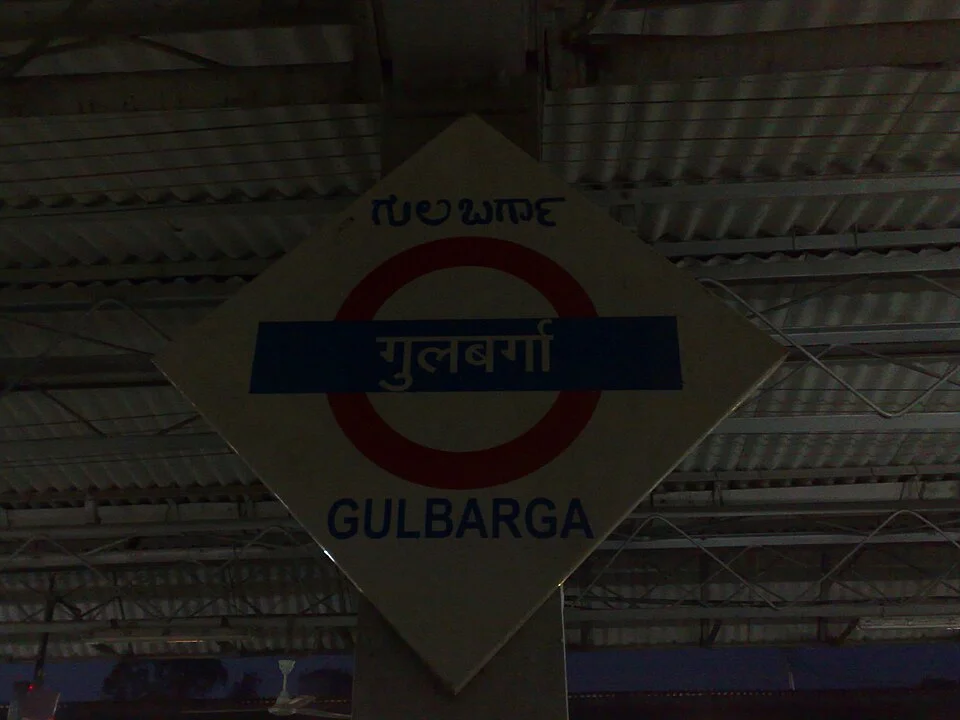
The state tourism introduction identifies Kalaburagi station as an urban connection. The 2012 platform sign carrying the older Gulbarga name is meaningful for a passenger encountering both names, but supplies no current platform number or train time. Match the station on the ticket with the actual accommodation address and establish the meeting point for the final vehicle journey separately. For a late arrival, room check-in and a nearby meal can be sufficient instead of adding the dargah or fort to the first night. Bus passengers should similarly connect the actual drop-off stop with the room address. Moving between several monuments with large luggage need not be part of arrival day. We do not turn the state page's airport distance and nearest-airport ranking into a verified current flight plan. Air travel requires checking the airport on the real ticket and the onward transfer separately. Confirming the departure point in advance simplifies transport decisions during the full sightseeing day.

Fort passages and the organisation of stone defences
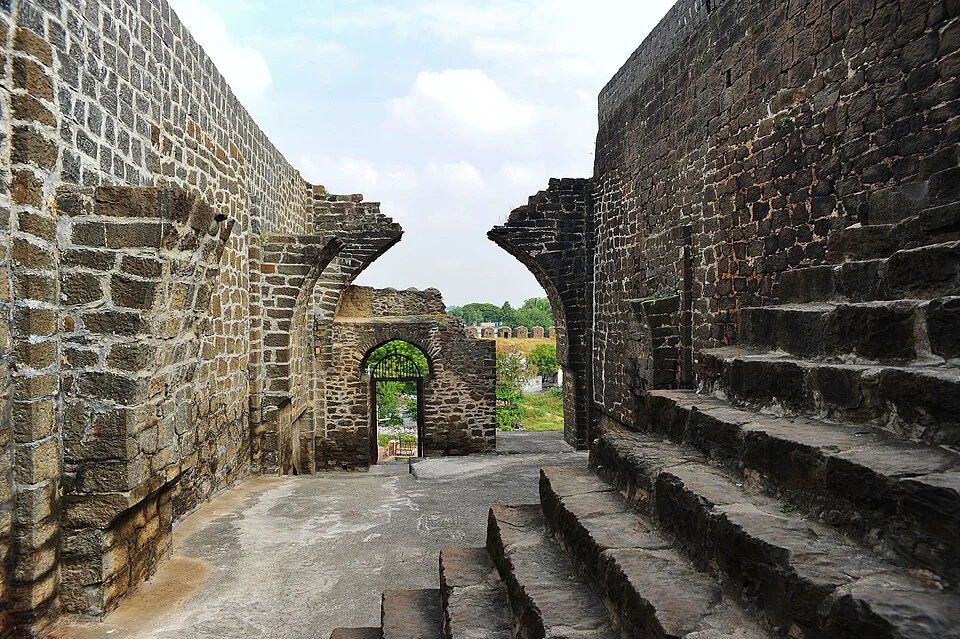
Give the first main session to accessible surroundings at Kalaburagi Fort. The district account explains its development through double defensive walls, a moat and a citadel added in the centre. The stone passage and steps in the source photograph show that the ground may differ from a level park walk. The picture establishes neither a right to climb everywhere nor universally easy access. On the permitted route, follow the narrowing gateway, direction of walls and contrast between open ground and enclosed passages as a useful main objective. Shorter sections and a seated pause can replace accumulating more steps in direct sun. There is no obligation to climb every tower. Area and perimeter figures on the district page appear inconsistent together, so this guide avoids repeating a size comparison. The value of this session comes from understanding how an urban defensive structure divides space. Staff directions and closed sections establish the route actually available that day.
Jama Masjid as a separate architectural session
Jama Masjid lies within the fort complex but is not another name for the defensive passage. Its source photograph shows an exterior approach, facade and domed building. This genuinely different scene helps readers consider how worship creates a distinct space inside a fortified setting. Begin with a permitted exterior look and learn the interior admission arrangements. Prayer or other visitor restrictions may make an outside view sufficient. If speaking with a guide, ask about the relationship between covered space and arch sequences. Access to every interior section is not promised before present conditions are established. Complete a short session without obstructing people entering and without photographing individuals at close range without permission. A large-dome description in the state introduction is not converted into a world ranking. Although the mosque and fort share a setting, their ground conditions and visitor behaviour deserve separate consideration. Before lunch, consider how much energy and time the heat leaves for the remaining city stops.


A lunch plate of jolada rotti and badanekai ennegai
The state cuisine booklet places Gulbarga within the northern Karnataka plateau. Jolada rotti with aubergine-based badanekai ennegai gives lunch a concrete regional bread-and-vegetable combination. Hesarukalu, where genuinely served, offers a pulse-based alternative. These dishes are not presented as inventions exclusive to Kalaburagi or a fixed menu available at every restaurant daily. Discuss the actual ingredients, oil and spice before ordering rather than assuming that the dish name automatically meets an individual dietary restriction. A reasonable seated meal is a useful pause after exposed architectural surroundings. The state city page also names Kalaburagi biryani; choosing it requires an actual current serving. A recipe or meat type is not guessed where the source does not specify it. No restaurant ranking, current price or fabricated food photograph is added. Sweet extras and second portions can remain optional, leaving appetite for an evening meal. The regional source supports the named dishes, while a particular business and its current menu remain a separate decision.
Sharana Basaveshwara and neighbouring waterside surroundings
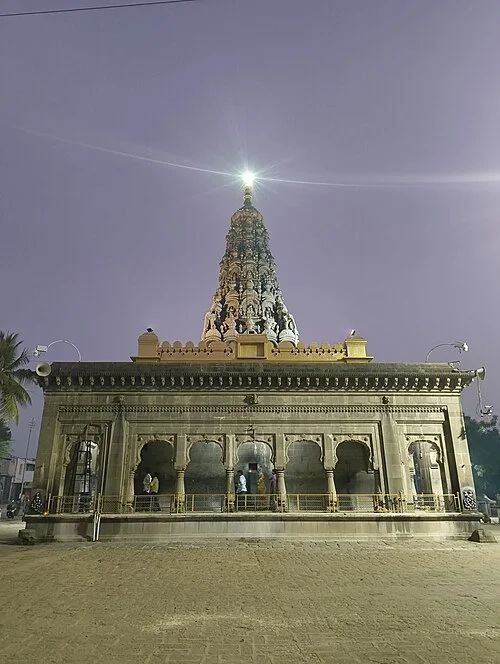
Sharana Basaveshwara Temple supplies another religious and social-memory focus within the city. The district introduction relates the teacher remembered here to Dasoha and Kayaka, the context of sharing and work. Use this session to understand the institution's separate local importance rather than repeating the mosque visit with a different building name. The selected photograph shows the rear exterior at night and promises neither unlimited evening admission nor identical lighting. The district source mentions a neighbouring lake. Its renovation wording, however, does not establish that particular works are now complete, so a continuous shore walk is not guaranteed. Where appropriate public surroundings permit a short open-air pause, take it; where works or closed paths intervene, shorten the session. Learn worship behaviour and photography permission locally. Establish pedestrian connections along actual roads rather than interpreting two nearby map points as one obstacle-free route. This session provides a calmer second city setting after the fort programme.

A separate admission routine at Bande Nawaz Dargah
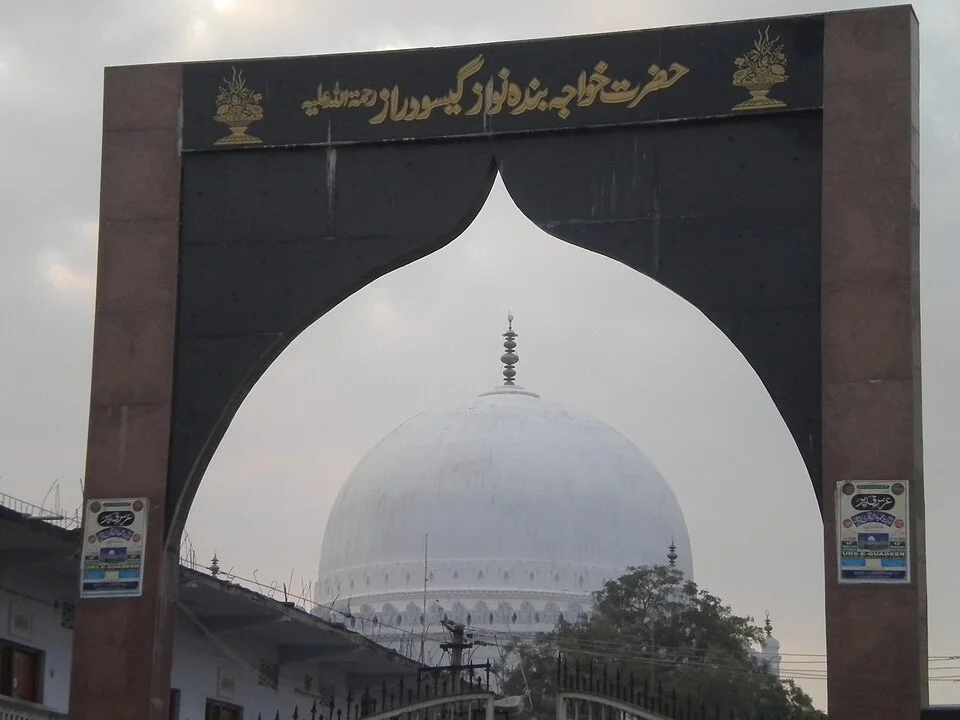
Bande Nawaz Dargah connects Kalaburagi's Sufi memory with present-day visiting practice. The district source describes Khwaja Bande Nawaz in relation to understanding and harmony between communities. The main-gate and dome photograph identifies this urban location. Its source record does not supply a capture date, so none has been invented. On reaching the entrance, establish the accepted direction for visitors and footwear arrangements rather than entering sensitive inner sections for a photograph. An event or music programme mentioned in tourism material is not assumed to operate on every visit date. Seeing the historic setting and surrounding city life is sufficient purpose for the stop. Continuous walking between fort, temple and dargah is not compulsory: choose a genuine vehicle connection where distance or heat requires it. Confirm the return accommodation address with the driver using the same name. Shortening the session because of crowding or restricted admission is a reasonable response to a living place, not failure of the itinerary.

Choosing two nights and separating additional days
Central accommodation and the station area serve different priorities. A central room may simplify dinner returns and the city programme, whereas an option near the station can prioritise baggage and early departure. Go beyond a map pin when choosing: the actual entrance, night noise, late check-in and a meeting point reachable by a return vehicle are practical criteria. Arrival evening provides settling in; the second day contains the fort, an appropriate Jama Masjid look, lunch, temple surroundings and the dargah according to admission conditions; the third morning is departure. If Haft Gumbaz or Shor Gumbad interests you, replace an existing session according to the day's available energy rather than automatically adding everything. Sannati or Ganagapur requires another visiting day with its own return connection. Sources were checked on 5 October 2026. Older photograph dates remain visible and neither fares nor services are guaranteed. The Stork selects a relationship between defence, worship and a real meal at the scale of one full urban day.