
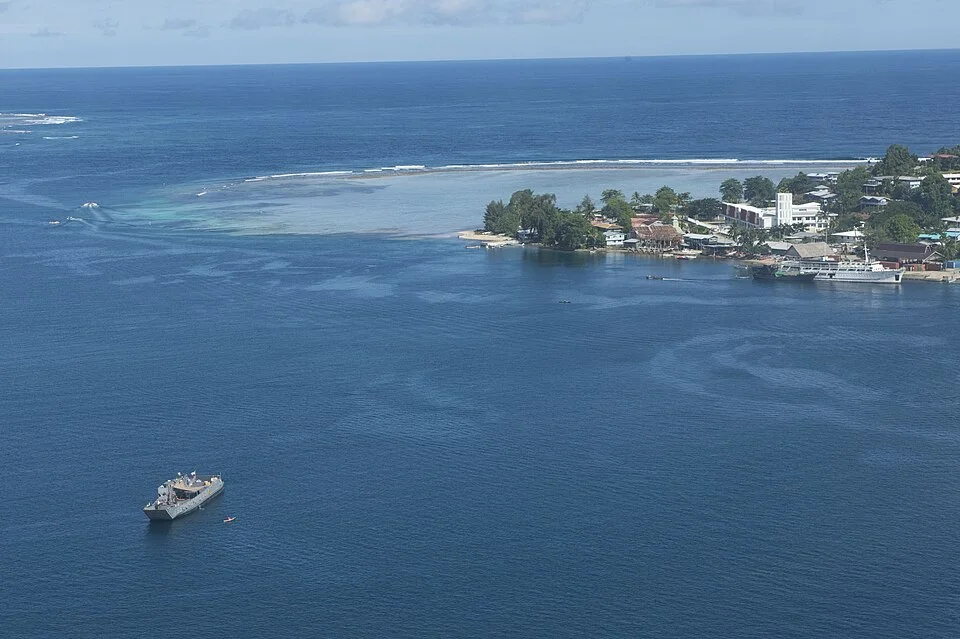
Solomon Islands: two bases for a first visit
The Tatilmerkezi Stork opens a Solomon Islands map by choosing two kinds of everyday life instead of attempting the whole archipelago: Honiara and Gizo, the capital of Western Province. The first offers city routines, markets and a local meal; the second adds waterfront life and a boat outing when conditions permit. This proposed country itinerary uses ten calendar days, nine nights and six full visiting days. Reducing repeated island changes makes the connections easier to understand. It only works if actual Honiara–Gizo flights exist on the intended dates, so do not buy a non-refundable Gizo stay before confirming them. A cancelled marine activity should not make the holiday meaningless. Give town life, food conversations and unhurried rest value in their own right.
Ten days and nine nights: the Honiara–Gizo calendar
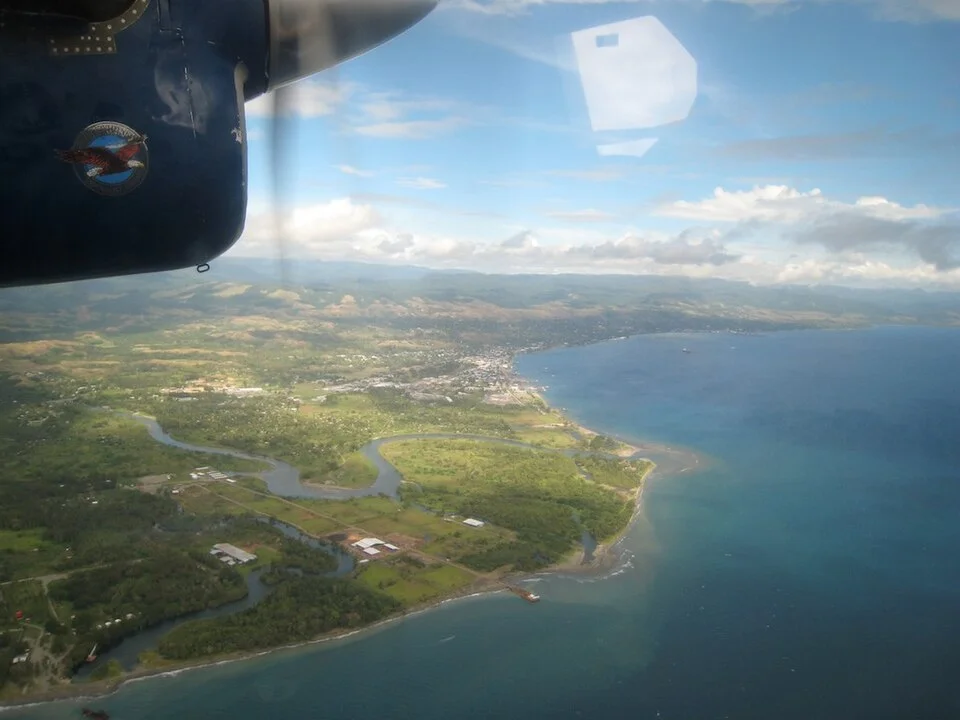
Day one is arrival and rest in Honiara. Day two combines the city with a local meal; day three is a cultural activity agreed with a guide. Day four uses a confirmed domestic flight and the remaining transfer to Gizo. Day five focuses on the waterfront and market surroundings; day six may be a permitted boat excursion in suitable weather. Day seven allows rest or a guided community visit accepted by the hosts. Return to Honiara on day eight, retain day nine as a connection buffer, and depart internationally on day ten. Nights are divided into three in Honiara, four in Gizo and two back in Honiara. Days two, three, five, six, seven and nine provide six full visiting days. Keeping the final domestic leg away from the international departure date is a deliberate planning choice. Extend the schedule or remove Gizo if available flights do not support it.
Honiara by day: a market and modest shopping
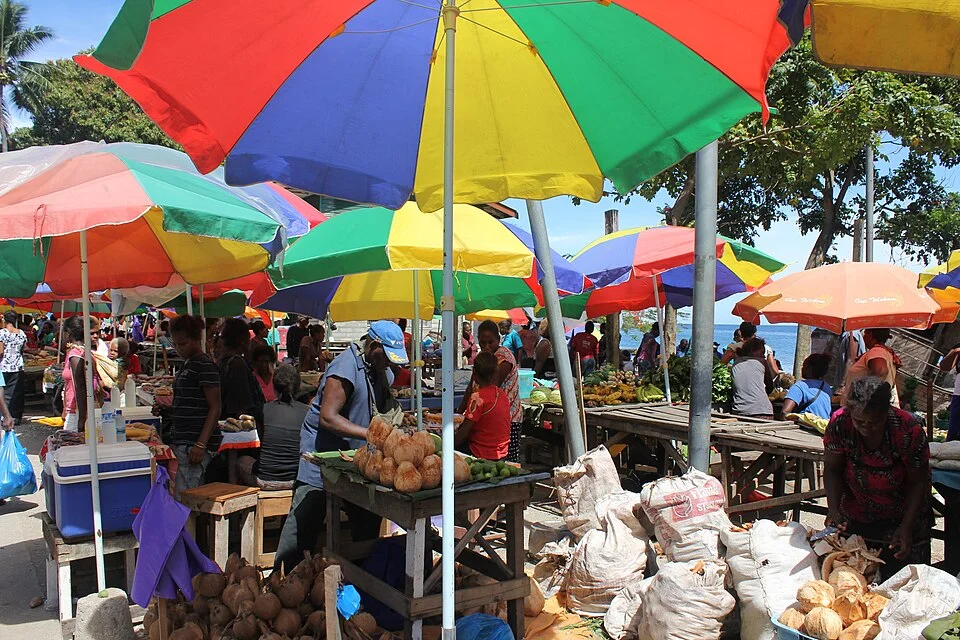
Keep a Honiara day straightforward: city surroundings in the morning, lunch and an early return. Official tourism material highlights Central Market as a place to encounter local produce. Buying food and photographing every stall are different activities. Start a conversation, ask how a product is used, and obtain permission for a portrait or stall photograph. Before buying fruit or root vegetables, consider whether the accommodation provides a way to prepare them. Choose quantities that can be consumed during the stay rather than making a large purchase for its own sake. This city day does not automatically end with a beach swim. Arrange the return vehicle and meeting point before lunch to reduce navigation demands for a newcomer. A small purchase, an arranged return and an unhurried meal form one useful day rather than a list of scattered stops.

Gatakake and ule: an introduction to Guadalcanal food
In a Solomon Airlines interview, local cook Debbie describes gatakake as pounded taro and ule as a mixture of root vegetables, greens and coconut milk. These are specific examples from her Guadalcanal tradition, not dishes promised under identical names in every Gizo kitchen. Ask about them when arranging a Honiara local-food experience, and devote a meal to them if available. Complete the plate with whatever cooked fish or vegetable accompaniment the kitchen offers rather than chasing numerous dishes across town. Confirm the location, starting time and return arrangement for an organised meal. Business details in an interview are not current opening hours. Moving from seeing produce at a market to tasting a prepared dish makes a more focused food day than treating the country as a restaurant checklist.

Gizo waterfront: give the town its own day
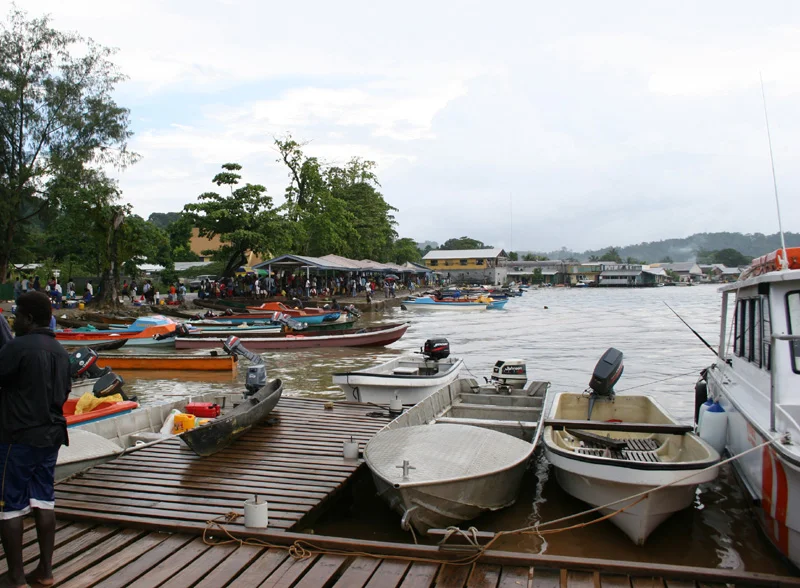
Gizo is the second base for this Western Province visit. Arrange the final boat or vehicle connection with the accommodation before arriving: a flight booking does not automatically include delivery to the room. Spend the following day on the town waterfront, a modest food purchase and an unhurried meal before considering a marine excursion. Working landing places are not automatically public sightseeing promenades; follow local directions around loading activity and private property. For a fish lunch, find out what is actually being cooked that day. Staying in town may make everyday services easier to reach. A remote island property makes each transfer and meal a separate booking decision. Choose the balance between quiet surroundings and straightforward access that suits the trip. Avoid moving rooms every night simply because the next island looks attractive on a map. A stable base leaves space to observe rather than repeatedly repack.

A reef view and one conditional sea day
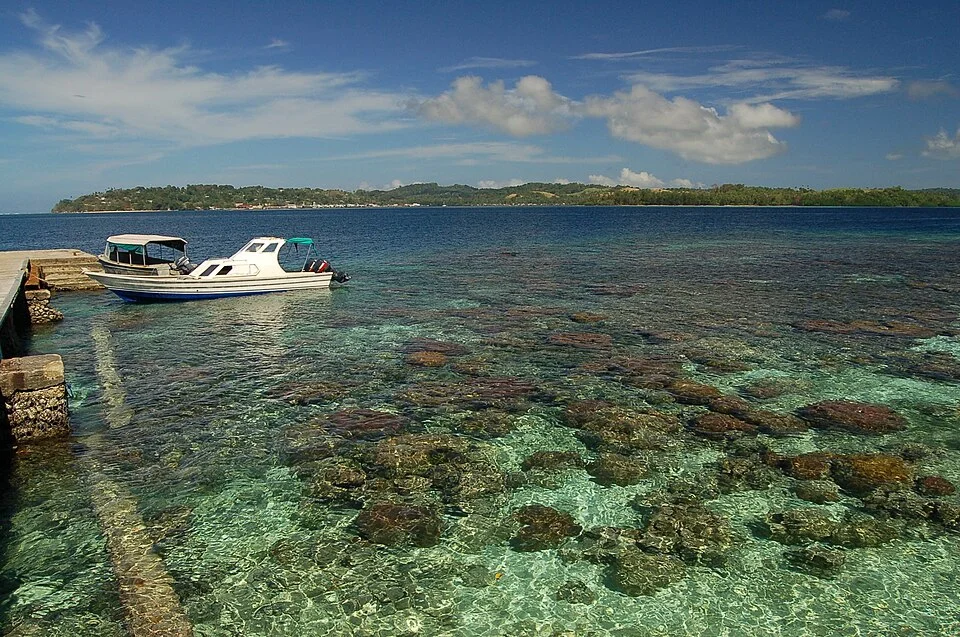
For the sixth day, agree an actual boat route, landing permission, return point and weather cancellation arrangement with the provider. Select a nearby, workable outing rather than adding distant lagoons to an already occupied Gizo day. A shoreline or reef photograph is not evidence of swimming permission or safe water. Scuba diving is optional in this first-visit plan; a suitable boat trip or a land-based coastal view can be sufficient. Explain before booking if entering the water is not wanted. Support the outing with adequate rest the previous night, a clear morning meeting and a free afternoon after returning. Observe wildlife without touching it, collecting coral or leaving litter. If rain and wind make the outing unsuitable, remaining on land and replacing it with a town meal is an ordinary part of the plan. The itinerary is intended to work without forcing a particular water activity.

Stays and tickets: read two bookings together
For Honiara, compare an arranged airport transfer, access to meals and the meeting point for daytime activities. Around Gizo, compare the actual room location, the transfer after arrival and the evening food arrangement. Do not assume a small or remote property has a late-night restaurant option. Check the Solomon Airlines booking for the intended dates and its current travel alerts. Transport descriptions in an older visitor brochure do not guarantee present flight frequencies. Consider baggage rules alongside any equipment for marine activities. Where accommodation depends on a domestic flight, compare the change conditions of both reservations. Two nights after returning to Honiara create room to absorb a disrupted connection, although they cannot guarantee an unaffected international departure. Use the intervening day for rest and final shopping rather than adding another distant island. Simplicity makes the booking chain easier to manage.
Current entry and safety checks
On 4 October 2026, Smartraveller reports a new electronic visa system and a transition period with no announced duration. Do not rely on older visa-free assumptions: confirm the process for your passport with immigration and the carrier. Avoid crowds in Honiara; check boat equipment and life jackets. Seek local advice before entering unfamiliar water, accounting for crocodiles and unexploded ordnance. Divers need evacuation cover because treatment capacity is limited. These checks determine which activities to book and under what conditions. Put document applications, flights and accommodation in a sensible sequence. When official advice differs, seek clarification instead of choosing the older, easier entry statement. An uncertain transitional arrangement is not presented as a guaranteed right for every visitor.