
Guwahati: give the city time at the start of an Assam journey
The Tatilmerkezi Stork suggests treating Guwahati as more than a gateway passed through between an airport and another destination. The Brahmaputra bank, Kamakhya on Nilachal Hill, Umananda Island and the cultural institution at Panjabari offer different city experiences. This guide answers a specific need: arranging worship, a river connection and Assam's culture across two full visiting days. Kaziranga and Majuli are not neighbouring districts automatically added to this short stay; they require separate time and transport. Four calendar days with three nights preserve the two full days. Assam's capital, Dispur, lies within the city, but administration is not the entirety of Guwahati's experience. Establish which day has suitable river conditions before finalising the hotel and major stops. An open cultural institution also supplies a meaningful alternative when a ferry trip cannot be made.
Two full days: hill, centre and a cultural campus
Reserve day one for arrival, your hotel and a nearby evening meal. Make Kamakhya the principal visit on day two, allowing for worship queues and the areas you are permitted to enter before taking a lunch break. The afternoon can include a short central-city pause around Dighalipukhuri and, when open, the nearby Assam State Museum. Keep day three flexible around the safe river service currently available to Umananda. After the island, plan a separate transfer to Srimanta Sankardev Kalakshetra in Panjabari. If combining them feels demanding, the cultural campus can be the main choice and the island saved for another stay. Day four is departure. Neither arrival nor departure is counted as a full sightseeing day. With one full day, Kamakhya and a central pause make a more workable selection than trying to compress every experience into the same schedule.
Kamakhya: distinguish worship from architectural observation
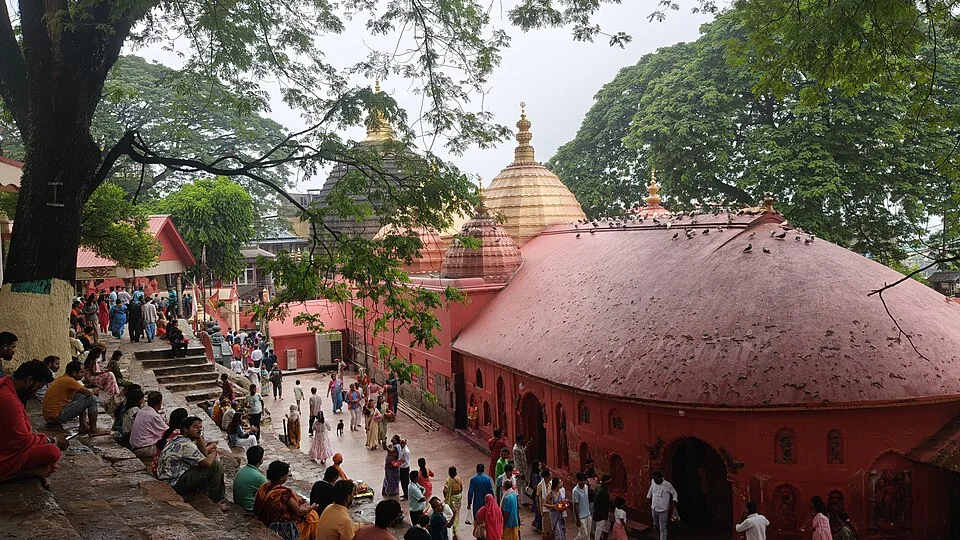
The official national tourism source introduces Kamakhya as an important Hindu worship site on Nilachal Hill. Visiting time cannot be calculated from the journey from your hotel alone. Someone wishing to worship inside may face a different queue and pace from a visitor observing the exterior architecture. Ask staff about personal visiting eligibility, currently open areas, bags and photography. Neither unrestricted interior photography nor an identical entry arrangement throughout the day is promised here. For periods such as Ambubachi, use the temple's date-specific announcements about crowds and special arrangements. Legends in general tourism descriptions should not be presented as physical river events. Observing the domed form and permitted courtyard areas is a separate city experience. Reduce other stops according to your family's tolerance for queues and heat; a lengthy worship queue is not imposed as a compulsory sightseeing experience on someone who has come for an exterior observation.
Umananda: confirm the return before crossing to the island
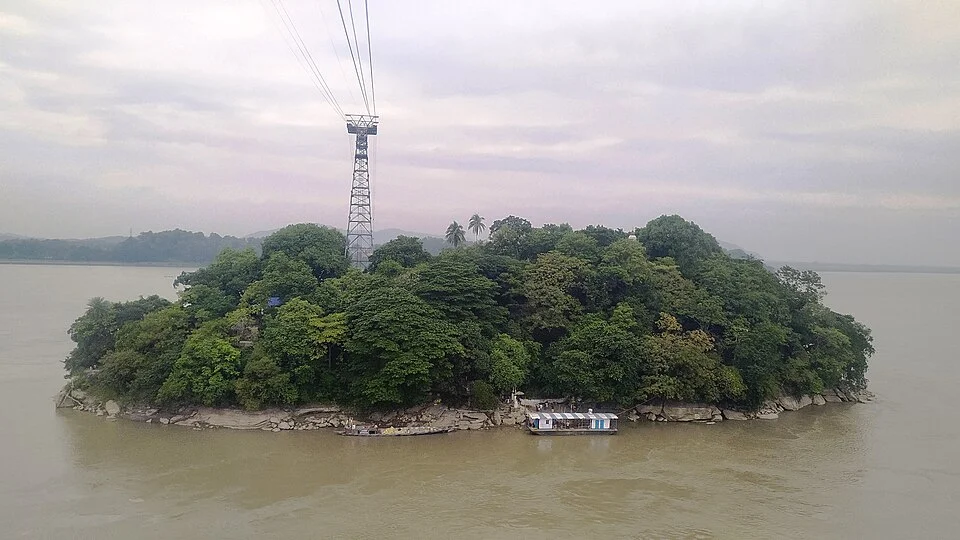
Assam's tourism authority describes Umananda Temple together with its island setting on the Brahmaputra and explains ferry access from the bank. A general tourism page is not an operating permission, departure time or return service for your chosen date. Check the authorised service against weather, current, water level and present operating arrangements. Do not make a crossing without a known return the compulsory centre of a sightseeing day. When the connection is suitable, leave time for the jetty, waiting and steps on the island. Follow the boat's safety and life-jacket instructions, and postpone rather than board a crowded or unsuitable-looking service. Worship spaces on the island have rules distinct from a bank-side walk. The photograph records a view of the island from the bank; it does not identify today's departing boat or jetty. If the crossing cannot be made, Dighalipukhuri and a cultural visit offer an alternative day.

Dighalipukhuri and Assam State Museum
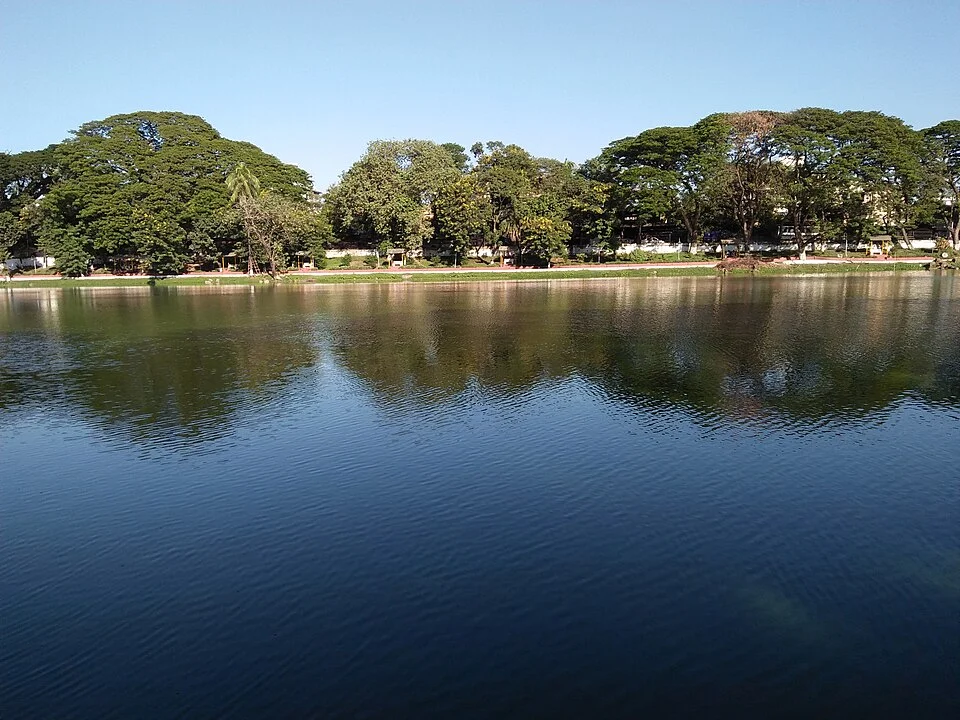
Assam's tourism source places Dighalipukhuri in the central Ambari area. Its role in this itinerary is a short open-air pause between more demanding worship or transport blocks. Follow the open bank route rather than assume every bench, park section or water activity is accessible today. The nearby Assam State Museum is introduced by state tourism as a separate institution for understanding the heritage of Assam and the wider Northeast. Readers interested in a collection can give the museum more time; those preferring a city walk can keep it optional. Observe the present landscape without turning legendary accounts of the lake's origins into historical certainty. A quiet pause beside Dighalipukhuri and a boat connection on the Brahmaputra are different activities. Do not use their photographs or access arrangements interchangeably, and preserve a straightforward return connection for the evening meal.

The Brahmaputra: a safe bank observation can be enough
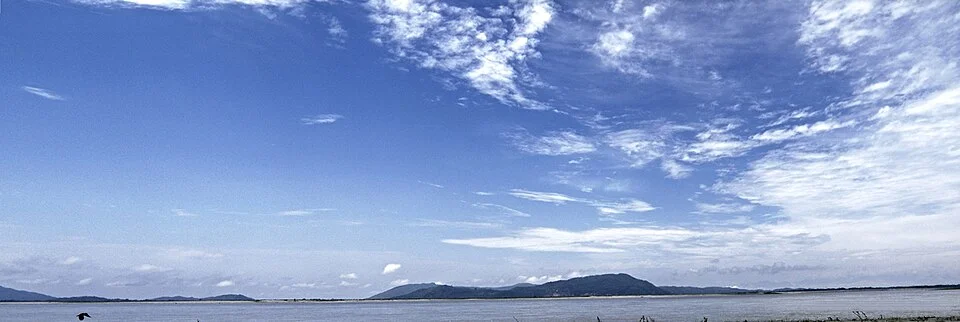
A lengthy purchased cruise is not essential for seeing the river in the city. A short observation from an authorised open bank can reveal how the broad water surface relates to Guwahati. The panoramic photograph here was made near Noonmati on 22 May 2011; it is not presented as a current central jetty, today's water level or an Umananda departure point. Bank conditions change, so crossing barriers, descending steep or wet steps and entering the river are excluded from the proposed activities. Anyone choosing a cruise should separately examine the route and return arrangements for the actual travel day. An older tour brochure should not become a current timetable. During rain or unsuitable river conditions, extending a cultural visit does not diminish the city stay. A single pause beside the Brahmaputra should also not be treated as if it represents every landscape or community across Assam.

Kalakshetra: reserve a separate block for Assam culture
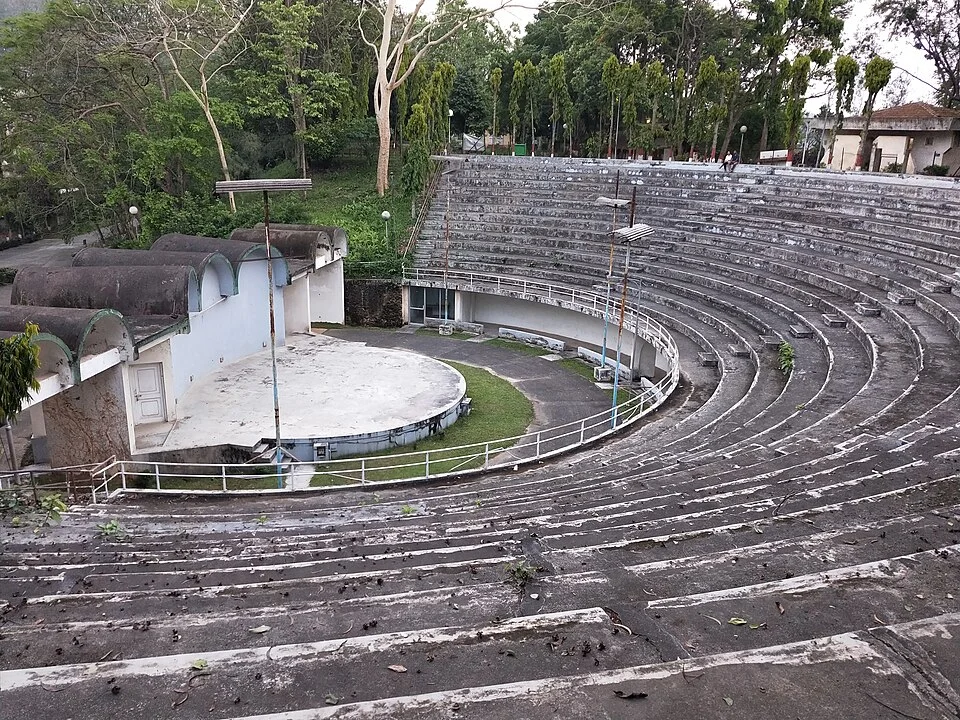
The national tourism source identifies Srimanta Sankaradeva Kalakshetra in Panjabari as an institution that preserves and presents Assam's art and culture. Make a separate transport decision from the central riverbank rather than regard it as the continuation of a walk simply because both addresses are in Guwahati. Select a few questions about textiles, instruments or artistic traditions in the museum and cultural sections. The 2019 photograph records the open-air theatre as a space; it does not establish a show, concert or stage performance on your visiting day. If a performance matters to your journey, confirm a date-specific programme with the institution and distinguish an ordinary visit from a separately ticketed event. Photography rights and permissions at a current exhibition depend on the gallery's rules. This block is particularly useful at the start of an Assam journey for readers wishing to understand cultural variety alongside landscapes, without turning the visit into a race to consume every collection.

Masor Tenga, Khar and hotel connections
For a concrete Assam meal, consider Masor Tenga, a sour fish preparation. Official national tourism sources also list Khar among regional alkaline preparations; establish the actual ingredients of the menu's version with the kitchen. Pitha provides another example: rice-based preparations come with different cooking methods and fillings. Sesame, coconut or dairy ingredients vary with the recipe, and a regional dish name does not promise availability at every restaurant. Compare your hotel's connections towards Kamakhya, the central pause and Panjabari separately. An address near Guwahati railway station may suit a train arrival without promising walks to all the attractions. The national source identifies Lokpriya Gopinath Bordoloi Airport as GAU and Guwahati station as GHY. For an early flight, arrange the airport transfer using current operator information. Sources were checked on 4 October 2026. Before travel, reconfirm worship access, ferry conditions, visiting hours and weather against your actual dates.