
Robert Sobukwe / Graaff-Reinet: two collection days in the Karoo
The Tatilmerkezi Stork suggests a town visit built around objects, lives and two different collections rather than a rush to a dramatic viewpoint. The official geographical-name notice of 6 February 2026 records Robert Sobukwe as the replacement name for Graaff-Reinet. The older name still appears in the proper names of museums and accommodation businesses, so use both when searching rather than imagining two separate destinations. This guide has a specific purpose: to compare domestic life, natural history and public memory at Reinet House and the Old Library over two days. It is not a renamed version of a national itinerary's passing Karoo stop.
Give the first day to the arrangement of a house and the work behind everyday objects, then use the second for fossils and social history. Families can select a vehicle, a household item and a fossil instead of reading every label. Adults might ask who used an object, whose labour supported it and whose experience the interpretation makes visible. A handsome colonial facade should not conceal the history of slavery or exclusion. Leaving space to think is part of the itinerary. Two nights in one base can make that easier than arriving late, checking off a building and immediately starting another long drive.
Day one: Reinet House and everyday life
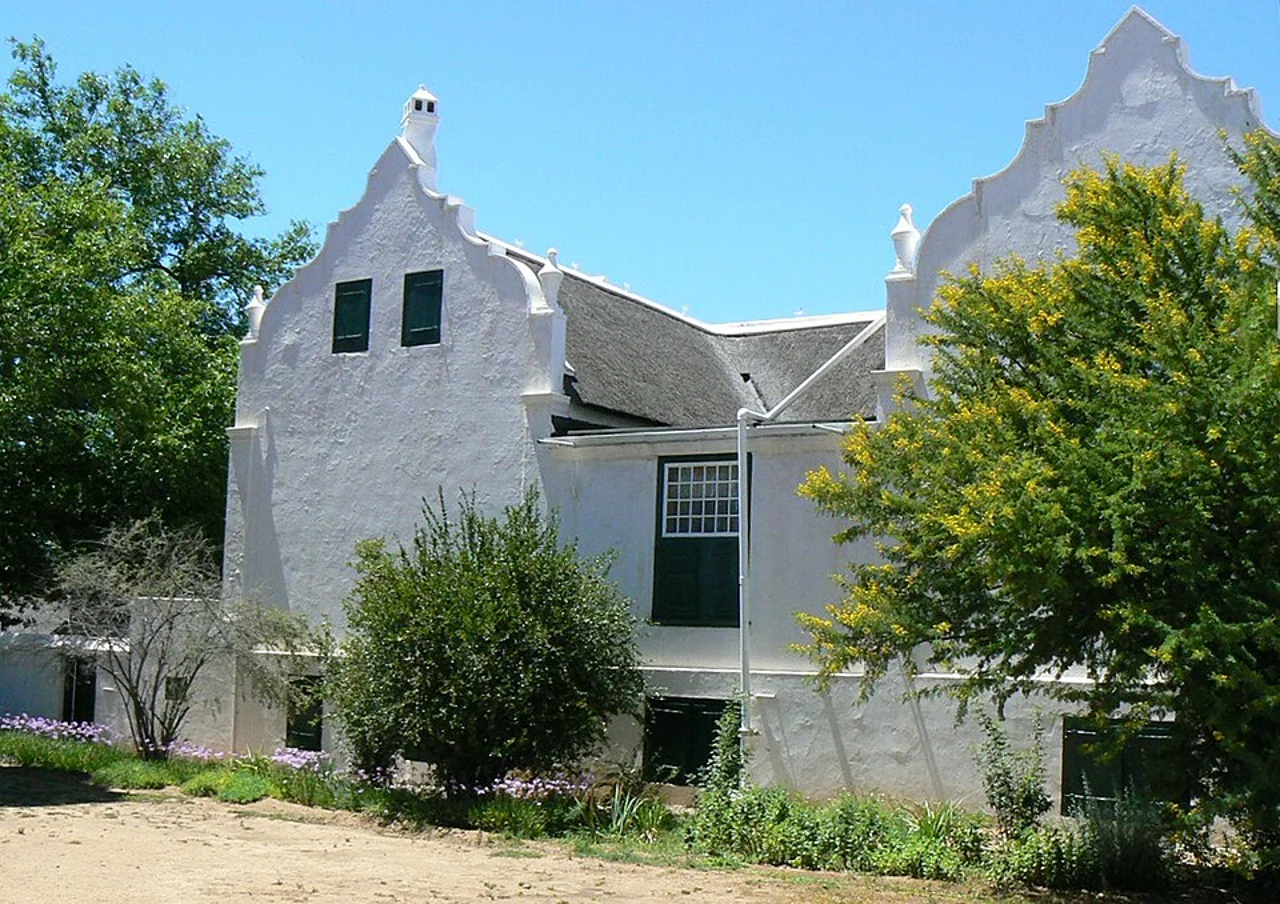
Ask staff about the current visitor route and accessible areas before beginning. The museum's own page explains that Reinet House was built as a parsonage in 1812 and subsequently served different purposes. Carry that information into the rooms rather than treating the whole building as an untouched picture of one moment. Compare a piece of period furniture with the room around it: what was stored, where were visitors received and what separated public from private life? A longer look at one object's material and use may reveal more than a rapid circuit of every display. Check the museum's rules before taking collection photographs or moving close to an item.
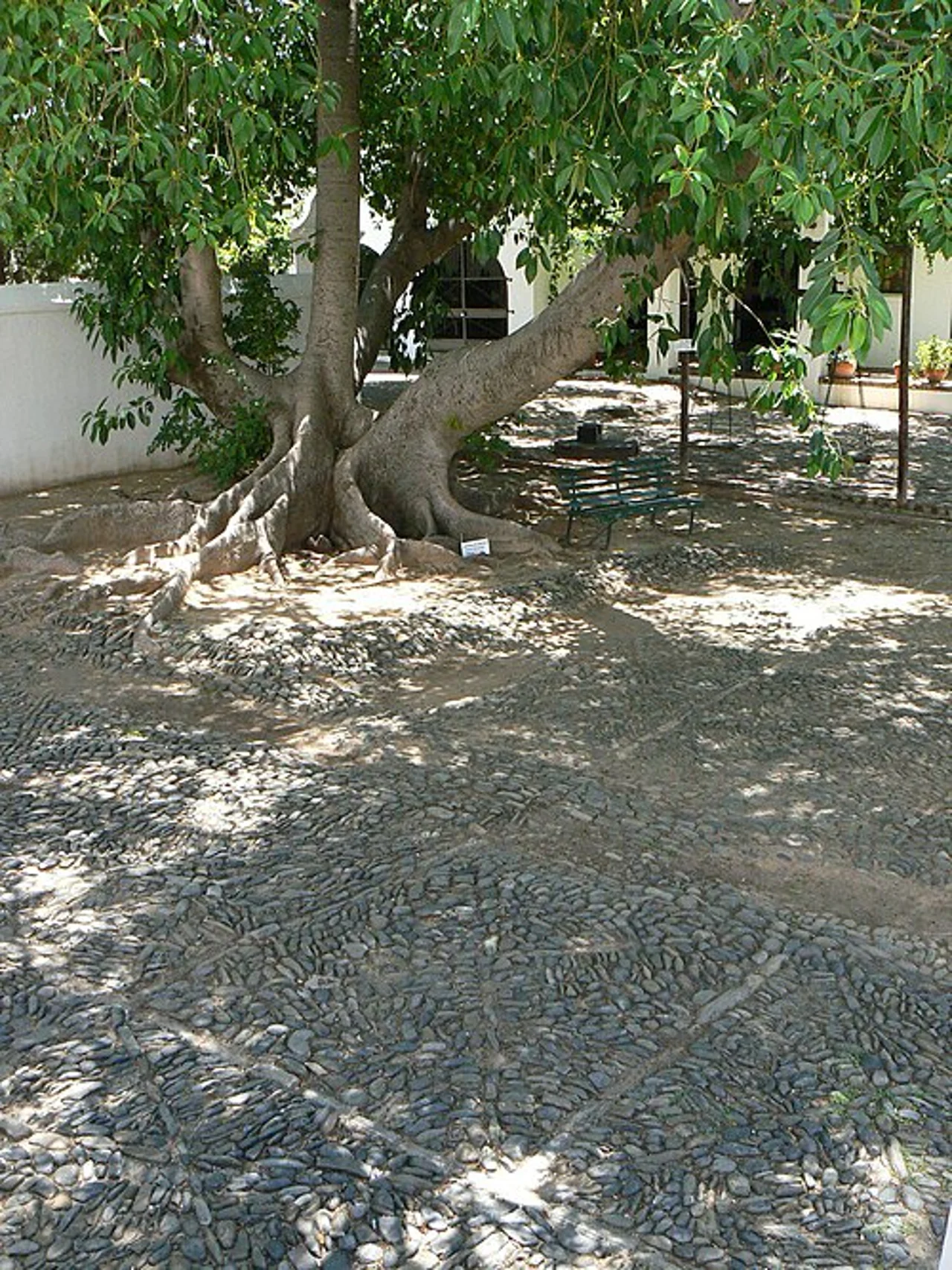

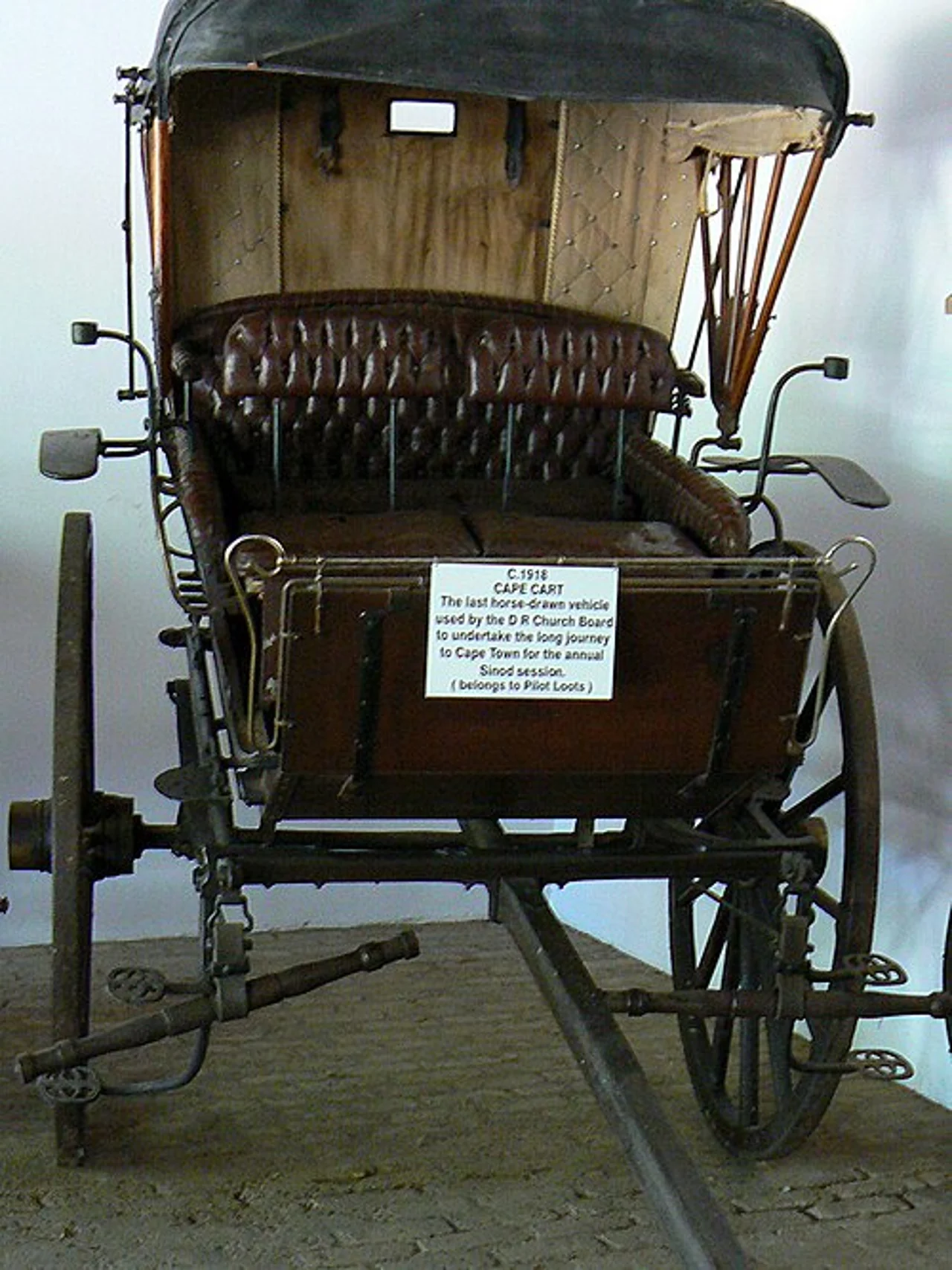
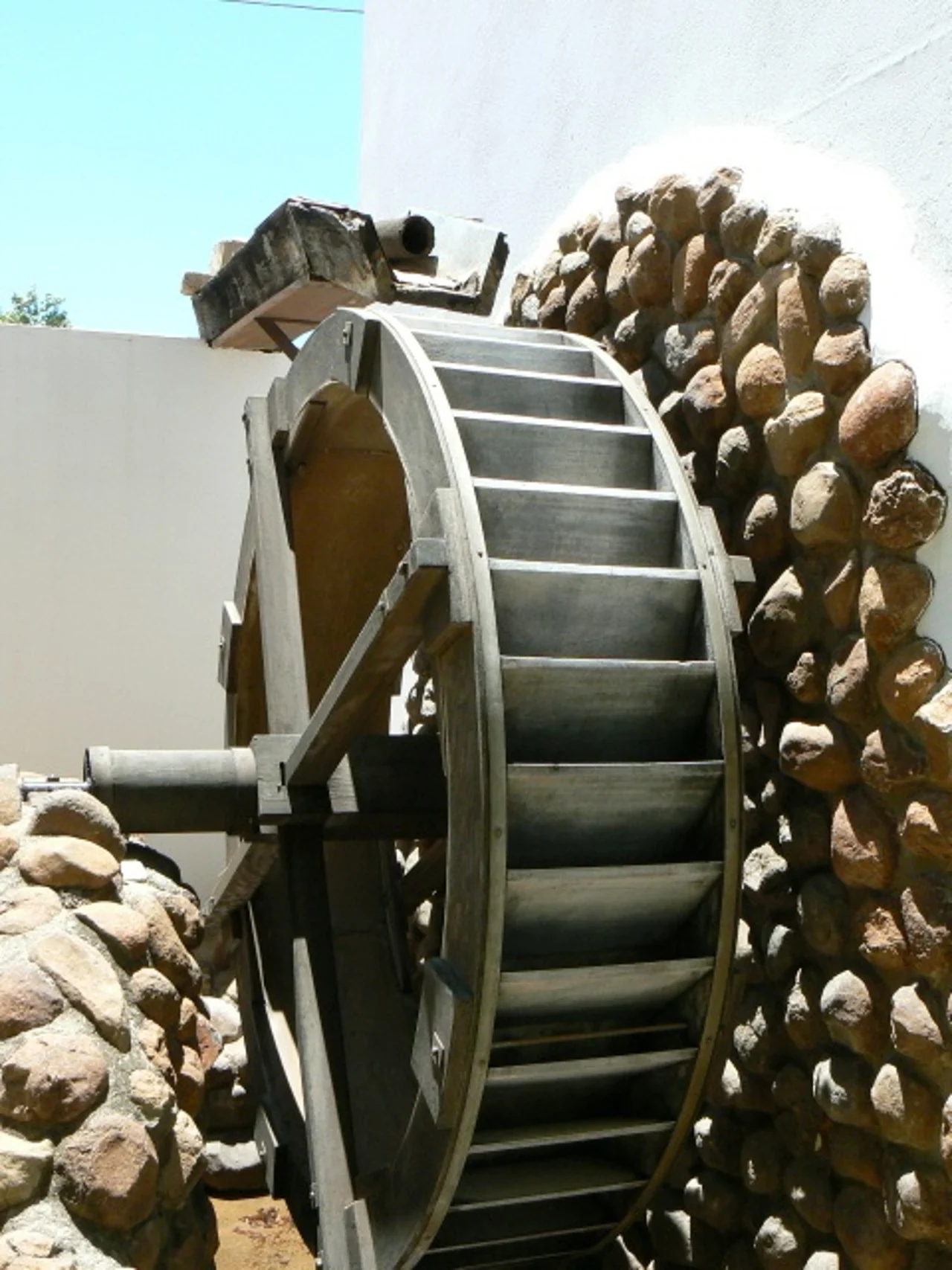
Include a pause outside within the same visit. Courtyard shade, building scale and the maintenance of structures invite different questions from those raised by furniture. With children, look for a contrasting material, a circular mechanism and something designed to transport people or goods. A vehicle or mill mechanism is not automatically a working demonstration; add a live operation only if the museum confirms it. Leave a meal break around the middle of the day and check the closing period before planning a return. Keep the evening in town, allowing a conversation about the visit instead of replacing reflection with another ambitious journey.
Day two: the Old Library, fossils and public memory
The Old Library answers a different visitor need. Its own collection list includes the Lex Bremner fossils, rock-art and Stone Age material, an exhibition about Robert Sobukwe, and a display dealing with slavery and restitution. Choose separate questions for natural and social history rather than merging them into one vague idea of the past. For a fossil, think about form and evidence; for a person's life, consider choices, constraints and the sources used to tell the story. A short break between those themes helps each retain its meaning. You need not see every exhibit to make a useful comparison with yesterday's domestic collection.

Its visitor schedule differs from Reinet House. The current institution page lists the Old Library as closed on Sundays and public holidays, with a shorter Saturday period; peak-season exceptions can be announced separately. Put two full collection days into weekdays where possible and confirm the latest information directly. Guided groups and research appointments require their own arrangements. Do not treat a past Easter notice or a dated March event on the museum website as today's regular programme. Work with the exhibitions actually available on your visit, and remember that another building in the same museum complex being open does not prove this one is open too.
Choosing a base and moving around town
A central base helps you keep luggage in one place while moving between the two collections. Before reserving, inspect the real route to Reinet House and to the Old Library on Church Street. Straight-line distance says little about a comfortable walk in afternoon heat. Ask the accommodation provider about steps, parking, evening entry and quiet rooms, and contact the museums separately if you need mobility information. A farm stay or safari property outside town can offer a different experience, but it also creates extra transport for these collection days. Choose the relationship between your room, museums and meals before comparing photographs of gardens or pools.

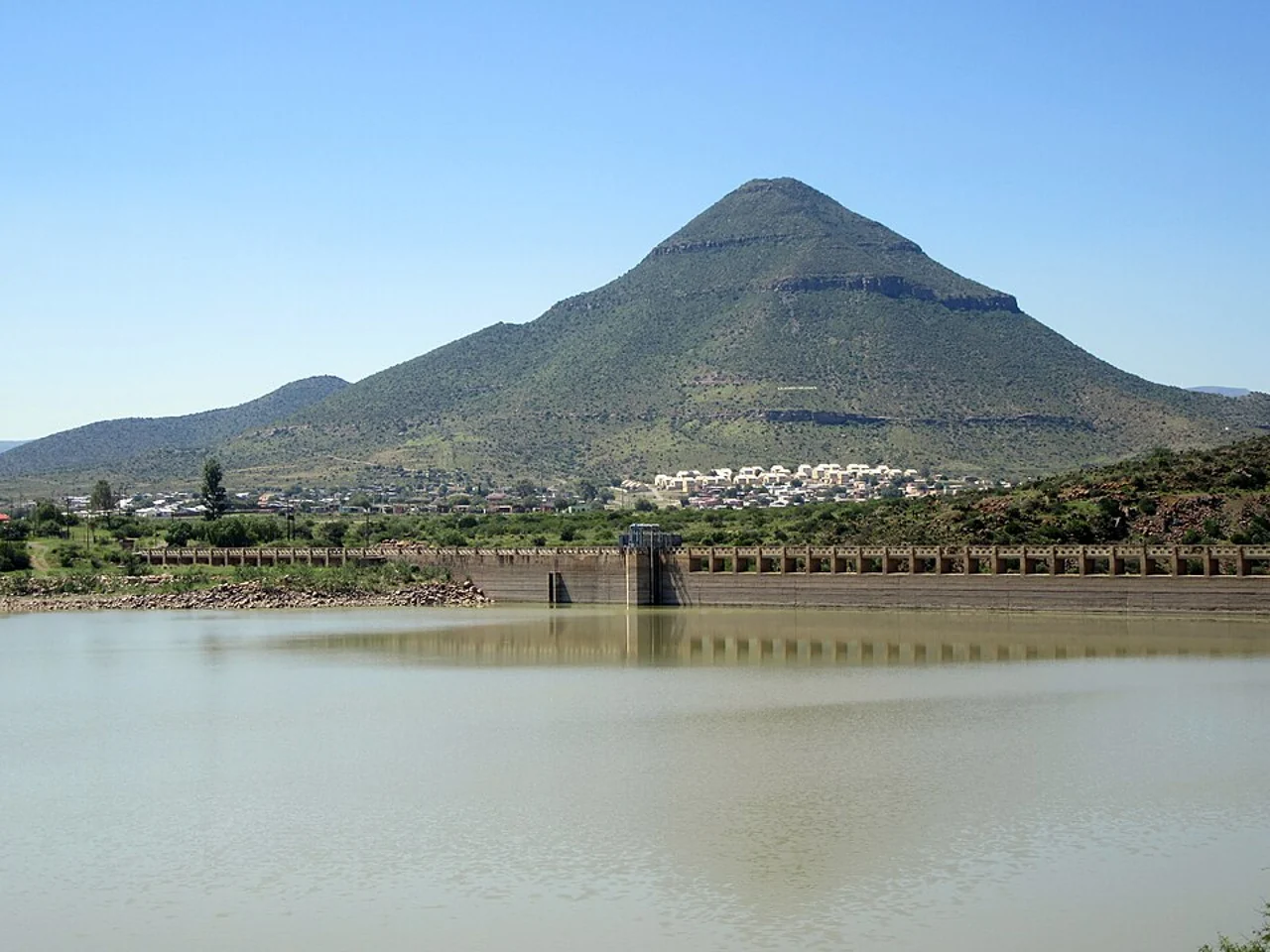
Verify arrival travel separately: intercity services, transfer points and luggage conditions may change. Drivers should save the relevant addresses and agree an evening return rather than relying on finding a vehicle through a phone at the last moment. A brief outing into the surroundings can follow the principal visits if time allows. The Nqweba image here supplies landscape context; it is not evidence of permission to swim, use the shoreline freely or join a water activity. Check current operator and protected-area arrangements before adding such an outing. The central promise of this guide is a museum-town itinerary, not a park adventure disguised as the same plan.
A Karoo meal: lamb and seasonal accompaniments
One evening centred on Karoo produce makes a useful contrast with the collection days. De Camdeboo at the Drostdy Hotel highlights Karoo lamb on its own operator page and describes local venison and seasonal ingredients within its approach. This does not establish that every dish will be served on your date or prepared in an identical way. When reserving, ask about the day's lamb option, vegetable accompaniments and portion you prefer. If a substantial meal is not what you want, enquire about a lighter choice or whether sharing is appropriate. Use the restaurant's current menu to judge the meal and price instead of relying on an invented travel-guide figure.

This Drostdy Hotel is not the Drostdy Museum in Swellendam; similar names should not confuse your route. Keep lunch straightforward and leave dinner for a longer conversation if that suits the museum schedule. The operator requests advance notice for dietary requirements, so a special menu should not be assumed ready without contact. Alcohol-free accompaniments, children's needs and serious allergies can all be discussed beforehand. Consider Karoo lamb as a connection between rural production and hospitality in town, not merely a regional label to tick off. Decide who will drive after the meal before the evening begins, particularly when sleeping outside the centre.
Reducing the plan and checking the final connections
With only one day, preserve the two main collection needs instead of trying to complete every museum in the complex. Place the Old Library's narrower access days first, then select a compatible period for Reinet House. A Sunday visit to the house alone is not the same as completing the two-focus route. When children tire, three objects and a courtyard break may be sufficient. If weather or heat changes the programme, remove the distant landscape outing and keep the core town visits. A historic building is neither automatically inaccessible nor automatically suitable for every mobility requirement: ask for the precise arrangements rather than relying on either assumption.
Before departure, connect four practical decisions: the different museum days, the actual route from your accommodation, dinner arrangements and onward transport. Making those links work is more valuable than adding more names to a list. This guide uses institutional observations checked on 5 October 2026; changing conditions still require the latest notice before travel. The Stork leaves one question for your notebook: what link did you find between a household object and a story at the Old Library? If your answer involves someone's work, a life or a social change rather than just a building name, two unhurried days have given this town visit a clear purpose.