
For a first visit to Santander, divide the city into two practical areas: the centre around the cathedral and Pereda, and the eastern coastline around Magdalena and Sardinero. The first combines exhibitions, squares and meals in a compact outing; the second deserves more generous time outdoors. Santander is more than a summer beach stop. Contemporary art, the layers of a rebuilt centre and a substantial fish lunch can make a rewarding programme even when the weather does not favour swimming. Staying two nights lets you explore both sides without turning your arrival afternoon into an endurance test.
Airport transport: check the flight-linked bus timetable
Seve Ballesteros-Santander Airport has a bus connection to the city's bus station. Aena describes its timetable as depending on flight schedules, so do not apply a fixed frequency from an older guide to your journey. Check both arrival and departure dates. ALSA services towards places such as Bilbao or Oviedo are separate connections; Aena says that these call at the airport when a ticket has been purchased in advance. Aena transport information.
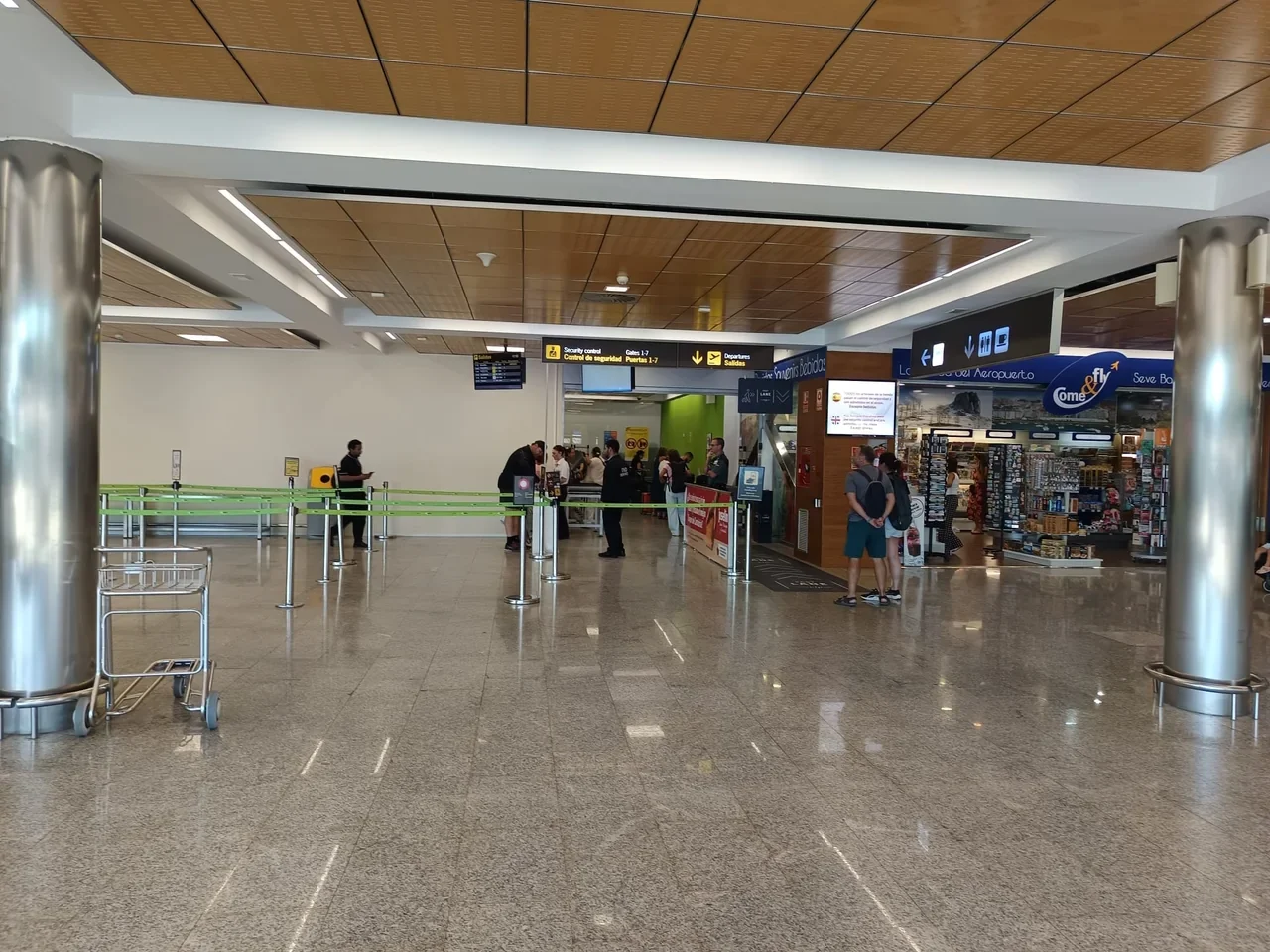
If arriving by train or intercity coach, first establish where you can leave your luggage. A central hotel may simplify the first day's walking, while a Sardinero base puts the beach closer but may add transport to central sightseeing. Save the station, accommodation entrance and waterfront as separate map points. On departure day, include the time needed to collect bags. A relatively nearby airport does not remove check-in, security or waiting time, and a waterfront lunch should not consume the margin set aside for your flight.
For the journey to Magdalena or Sardinero, use the TUS route planner linked from the municipal urban transport page. Select a stop near your accommodation and the coastal section you actually want to reach, rather than entering only the city name. Central walking can be convenient, but not every hotel is on the same level as the waterfront; the municipality also lists lifts, escalators and a funicular for steeper streets.
The cathedral district: reading the city's layers
Start the first morning around the cathedral. The diocese describes the lower church of El Cristo and the upper church as distinct historical layers; the upper building was reconstructed and enlarged following the 1941 fire. It is therefore misleading to read the whole present-day centre as an untouched medieval townscape. Begin outside, look at the surrounding squares and enter when tourist access is available. The cathedral's official history.
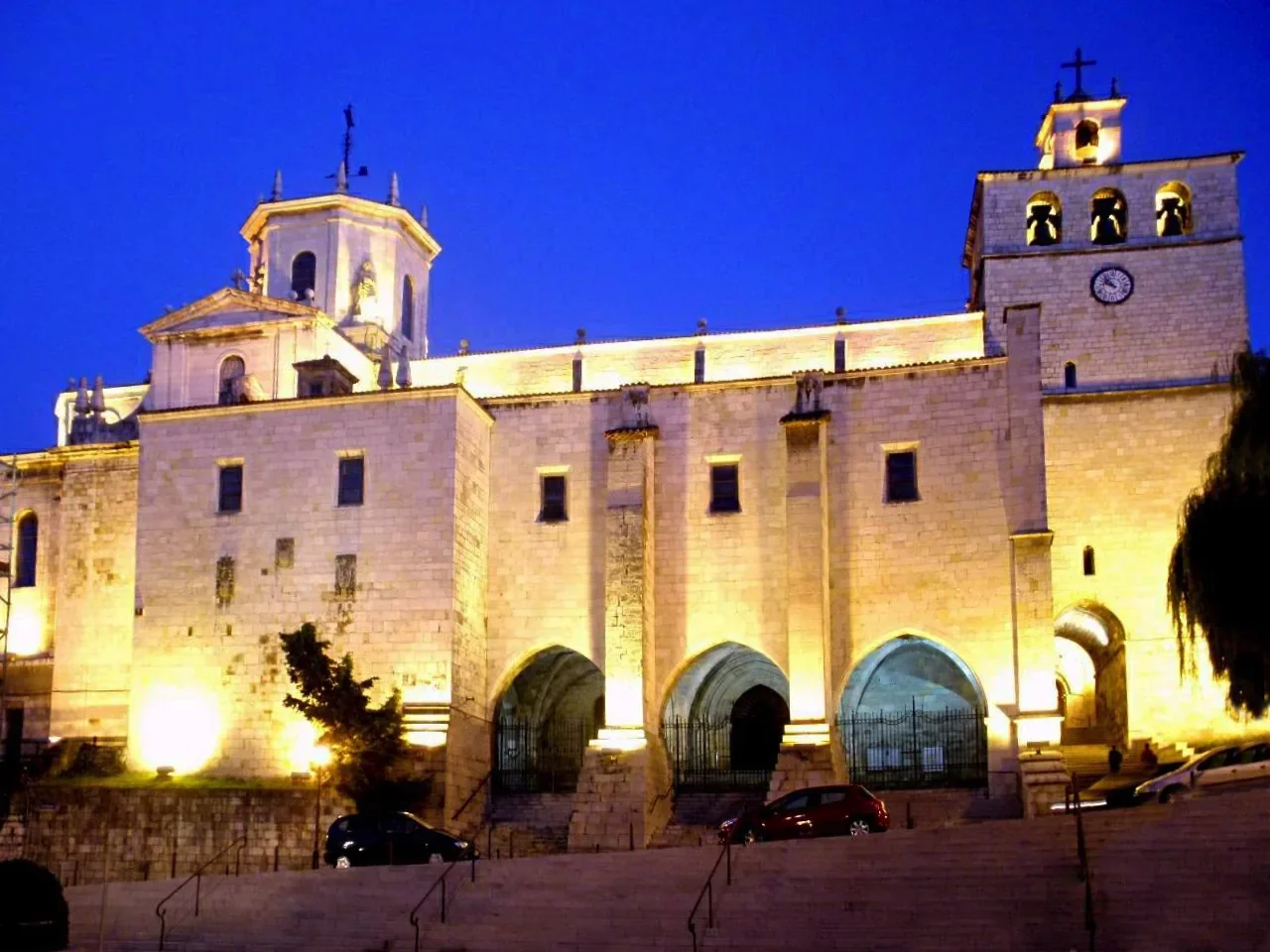
A tourist visit, worship and the interpretation centre in the tower are not the same activity. Use the cathedral visitor page to check what admission includes, and investigate the tower's booking and access conditions separately if you want to climb. With children or limited mobility, avoid assuming that one entrance provides convenient access to every part. After a quiet interior visit, continuing towards Pereda gives the morning a clear direction rather than repeatedly crossing the same streets.
Centro Botin: work around the lunch closure
From October to May, Centro Botin's exhibition rooms open Tuesday–Friday 10am–2pm and 4pm–8pm, and Saturdays, Sundays and public holidays 10am–8pm. Normal Monday closures have dated exceptions; 1 January and 25 December are closed. An open-door day is also listed for 12 October, so check the selected date during holiday periods. The centre stands beside the Pereda Gardens on the waterfront. Official opening and ticket information.
On a weekday, placing lunch around 2pm and the exhibition either before it or after 4pm avoids arriving during the break. Viewing the building from outside and entering its galleries are different experiences. If art is your priority, check the current exhibition and what the ticket covers. Give one show proper attention rather than attempting to finish everything in a spare hour. Keeping the waterfront walk flexible also allows you to use a drier interval, with the gallery serving as an indoor anchor for the day.
Pereda and a walk beside the bay
The municipal central route links the cathedral area with the buildings facing the water along Pereda. Begin in the gardens, follow the waterfront for a while, then turn towards Plaza Pombo to reconnect with the city streets. Watching boats does not require purchasing an excursion. The municipal central route.
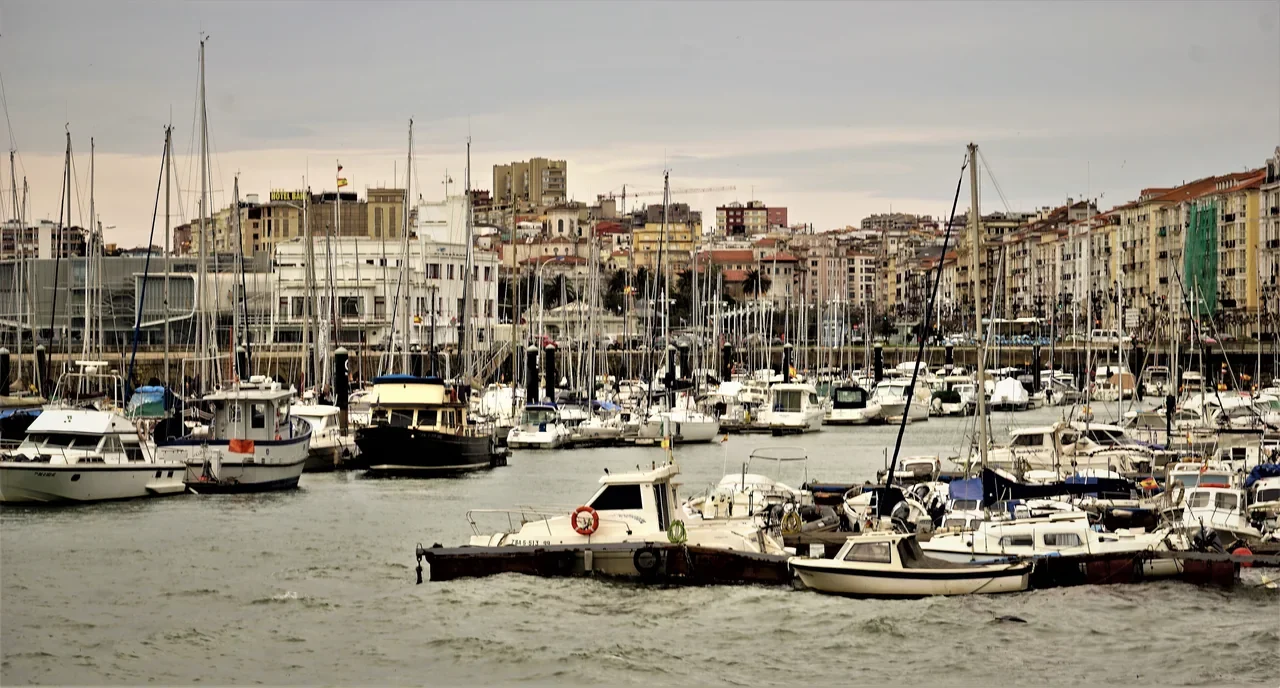
If you want a boat trip, plan it as a separate timed activity. Departure, return point and weather may affect a gallery booking or restaurant reservation. You do not have to cross the bay simply because the opposite shore is visible. Getting to know the centre on the first day leaves a useful balance for the longer outdoor outing that follows. Before returning to your hotel, check your current position rather than assuming that the waterfront walk has brought you back to where it began.
Magdalena peninsula: separate the park from palace admission
Make Magdalena the first substantial part of day two. The municipal tourism route groups the peninsula with Sardinero. An outdoor walk around the grounds and a visit inside the palace need separate planning: use the official selected-date session and booking information for the interior. Events can change the programme, so a fixed palace opening time is not promised here. Magdalena and Sardinero visitor route.
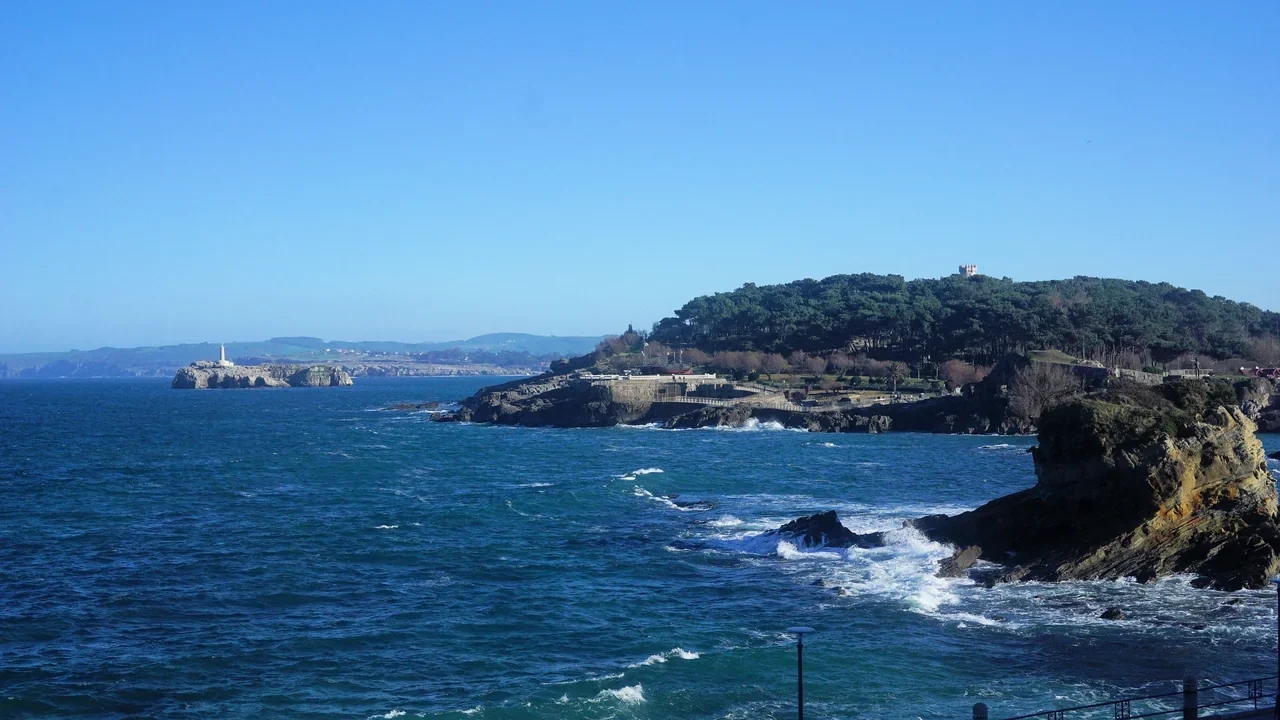
Consider using an urban bus to reach the area and saving your walking energy for the coast itself. After a pause near the palace, keep the remaining afternoon flexible. If conditions deteriorate, return to the centre; if they remain comfortable, continue towards Sardinero. Treat the peninsula as an outing with room to linger rather than a gallery slot that can be measured precisely to the minute. Wind can change how even a short exposed walk feels. A light waterproof layer and shoes with reliable grip are useful companions for an adaptable coastal day.
Sardinero: enjoyable without a swim
Sardinero's beaches are central to Santander's seaside identity. The municipal guide traces the first beach's reputation for wave bathing to 1847. Today, a visit need not involve swimming: walking beside the broad sand and stopping for a view can be a complete afternoon plan. Follow the day's flags if considering the water and do not assume summer beach services continue into October. The municipal beach guide.
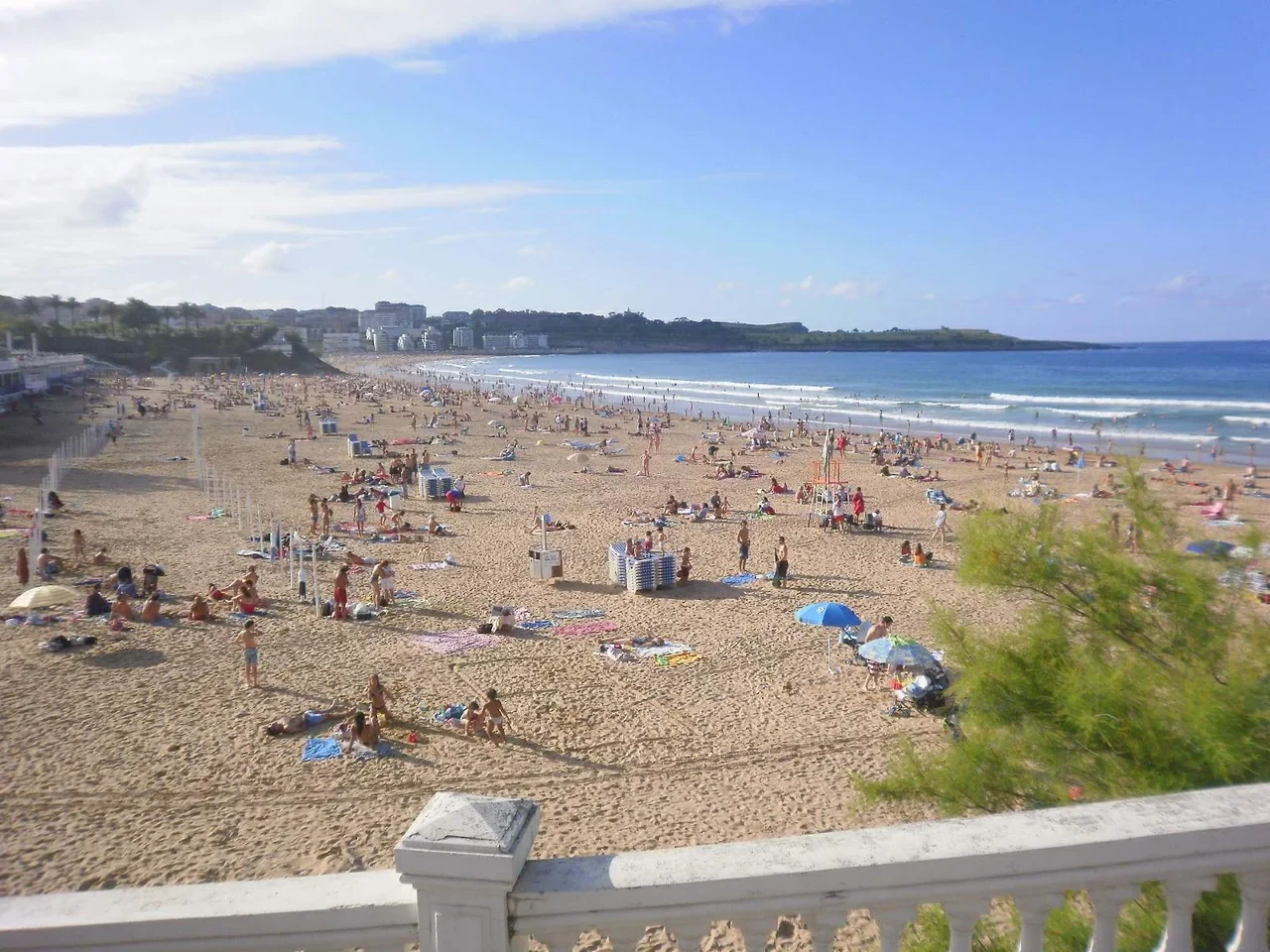
For a shorter outing, choose one stretch of promenade and an easy return rather than trying to cover every beach. Families can leave space for a snack and a rest before the journey back. Travellers with a dinner booking in the centre should work backwards from that time, allowing for the trip and a change of clothes. A beach visit is most relaxing when the next commitment does not force you to hurry away.
A central hotel and a real main meal
Hotel Bahia is a concrete accommodation choice for a central route around the cathedral and Botin. The hotel highlights its bay-side setting, but this should not be interpreted as a sea-view promise for every room category. Compare the selected room, breakfast inclusion and cancellation conditions separately. If driving, ask about parking arrangements when booking. Leaving that question until arrival can add an unnecessary errand before you begin exploring.
At Rio de la Pila 5, La Bodega del Riojano's official restaurant menu lists Cantabrian hook-caught hake with veloute sauce and peppers. Its Spanish menu name is merluza de pincho del Cantabrico, a specific fish main course around which to plan a meal. The business lists lunch and evening service every day. Confirm the exact sitting time, availability and allergens when reserving. The restaurant's current menu.
Putting the route together
The two-day structure is straightforward: cathedral, Centro Botin, Pereda and dinner on the first day; Magdalena and Sardinero on the second. If you have only one day, choose an exhibition and one coastal section rather than combining every stop. Keep space for the journey home. The route is a planning suggestion rather than an admission or transport guarantee. Opening and menu details were checked on 9 October 2026; review the linked official notices before travelling, particularly around holidays and temporary events.