
One complete Bharuch day beside the Narmada
This two-night Bharuch plan centres on the Narmada, the old bridge and urban buildings. Tatilmerkezi Leyleği suggests arrival and settling on day one, a complete town session on day two and departure the following morning. Golden Bridge, the fort setting and a brief old-building view serve a common purpose: looking at the relationship between engineering, settlement and a river working across two banks. This is a Bharuch city route, with its own places and connections. Large industrial addresses and distant district trips are not automatically added to the central day. An early arrival can allow a short nearby session, while a late arrival needs only the room. Rather than leaving every stop until darkness, consider transport, a proper meal and rest together. A traveller making only a quick transit stop should choose fewer places; two nights leave a calmer connection between river, old wall and everyday town.
From the station frontage to the actual room door
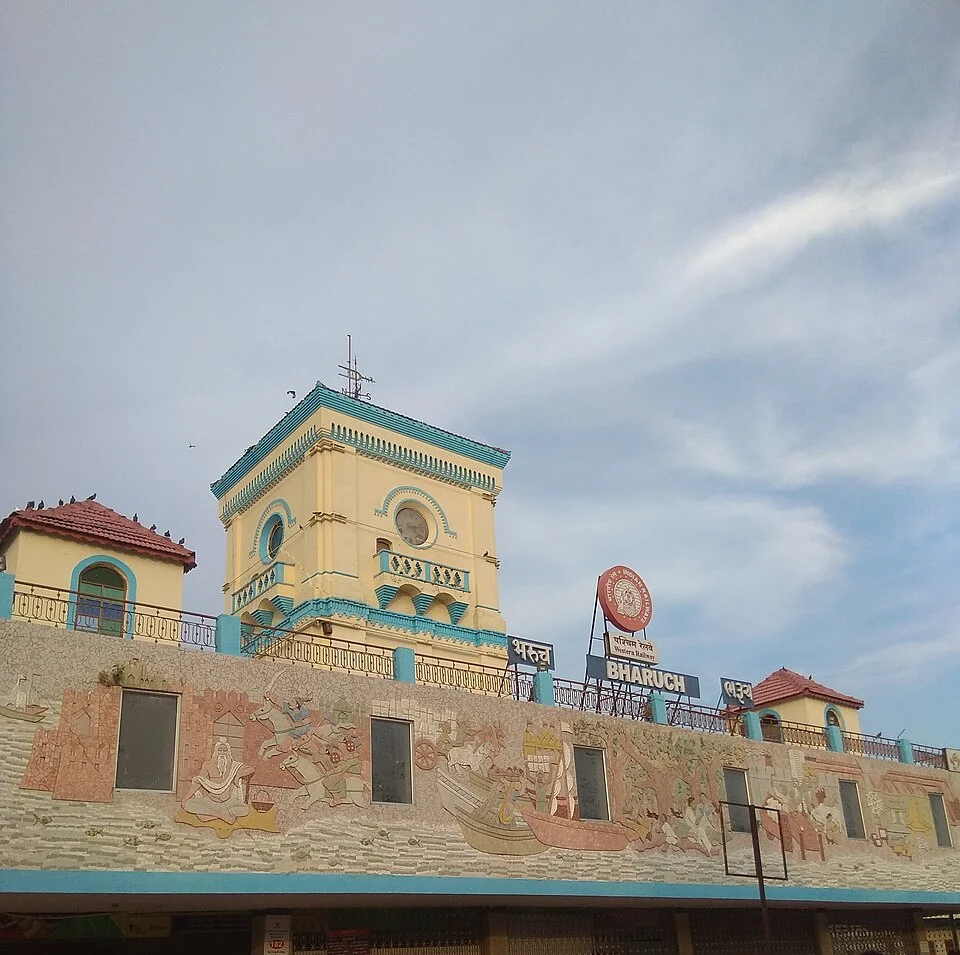
The district administration's current transport account separates air, road and railway connections. For your journey, the important details are the station or terminal on the actual ticket, arrival time and final transfer to the room. The station photograph shows a coloured frontage and clock tower; it cannot identify today's exit platform or the position of every waiting vehicle. A city property can suit returns from the bridge, fort setting and meals. An address across the river or towards an industrial road requires another vehicle connection for each outing. Ankleshwar does not become the same arrival door as central Bharuch simply because it lies on the opposite bank. Discuss late admission or early luggage storage with the property. The final morning's transfer also depends on its actual position. Staying in the same room for two nights avoids carrying bags during the sightseeing day and makes the possibility of a midday return easier to assess.

The Narmada view and the Golden Bridge relationship
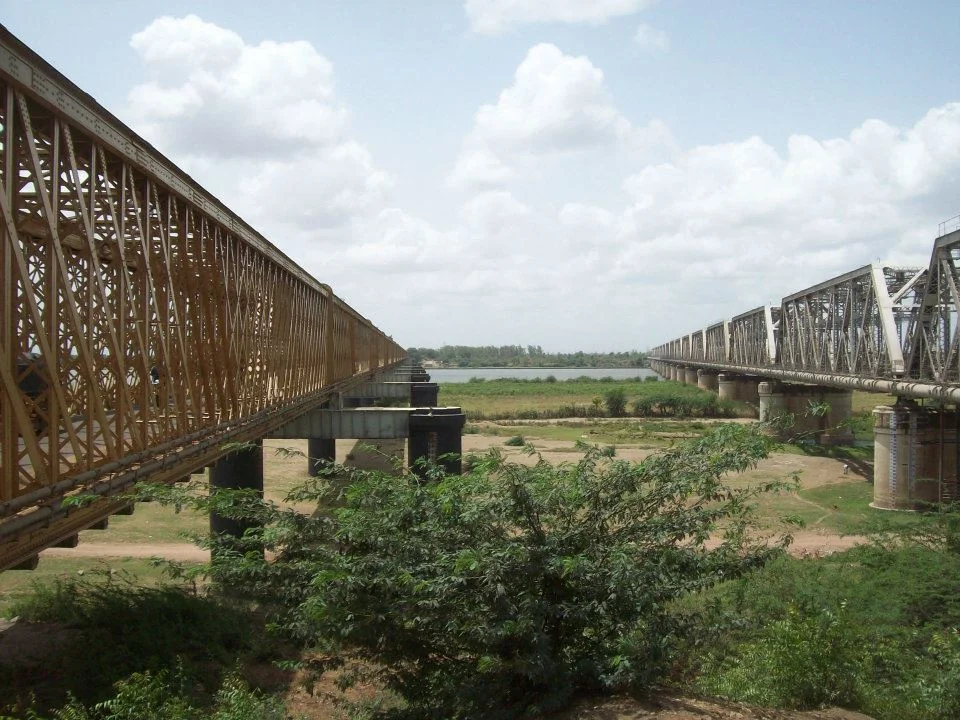
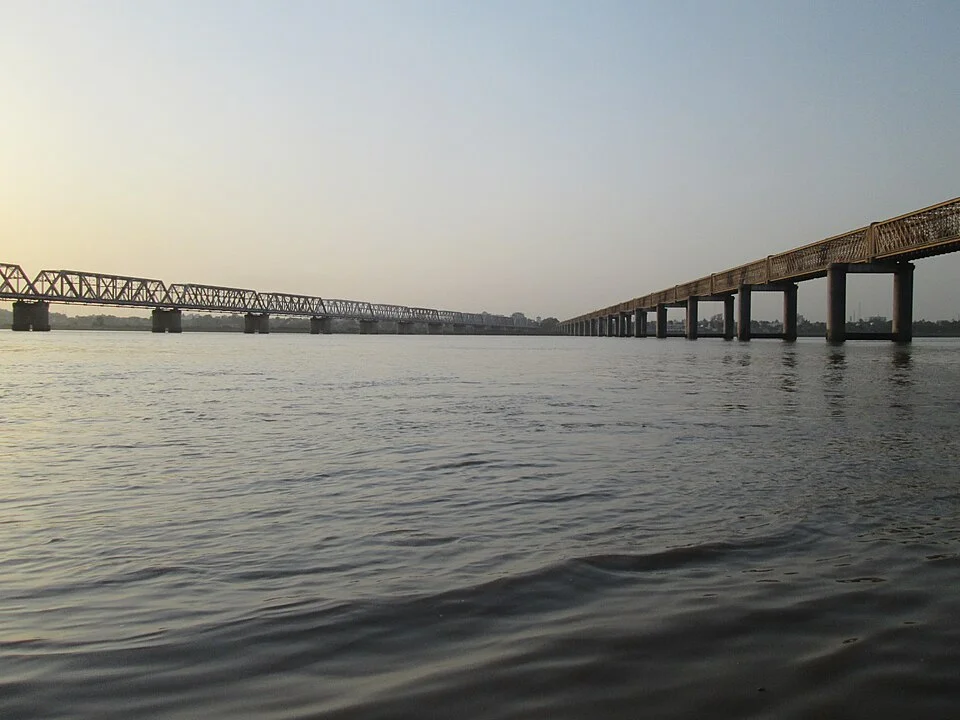
The district cultural account dates the construction of Golden Bridge between Bharuch and Ankleshwar to 1877–1881. Starting the main day with this engineering setting gives the later old-settlement session a river scale. Although the cover filename says Golden Bridge, its individual description identifies Silver Jubilee Railway Bridge; it is therefore used as a truss-bridge setting beside another structure rather than a confirmed portrait of Golden Bridge, while the separate river photograph shows water and bridges extending towards the far bank. These images are not presented as the same day's conditions or water level. Assess the actual river, weather and accepted public viewing point during the visit. A bridge appearing in a tourism record does not grant permission to walk onto it or cross its whole length. A brief session at a permitted shore or viewpoint can be enough. Follow traffic controls, barriers and staff guidance. The plan does not require descending into the riverbed, crossing private land or describing the photograph as a personally completed boat outing.

Read the old fort wall with the working town
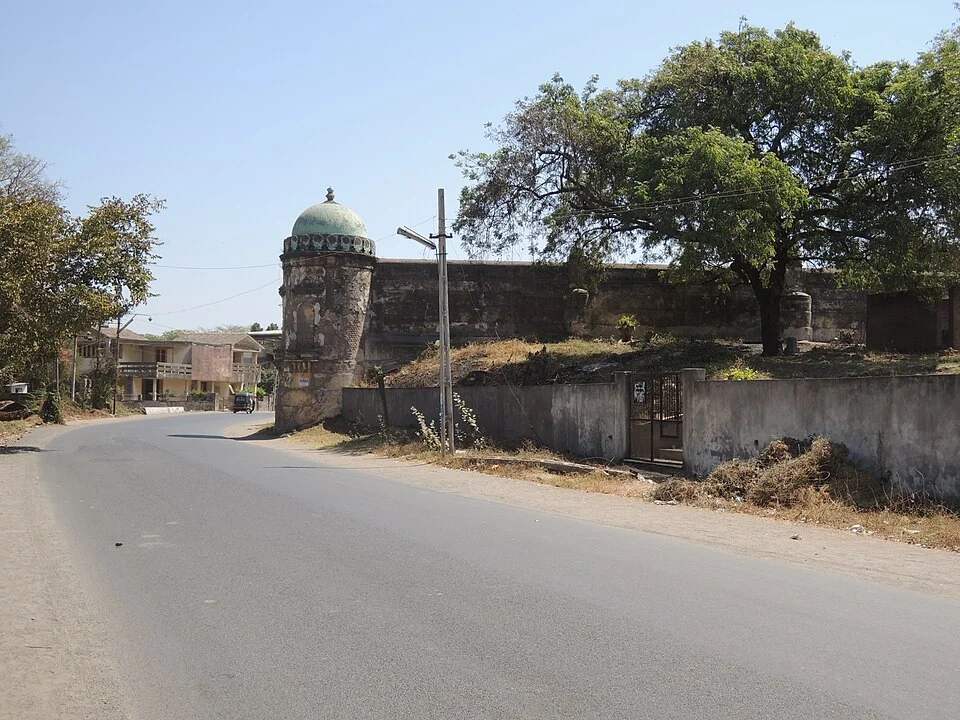
The current district tourism record identifies the fort setting among Bharuch's historic places. After the bridge and river session, consider it through exterior architecture. The actual photograph includes an old wall, small tower, road and everyday surroundings. That scale looks at an older structure alongside a working street rather than concentrating only on a palace room. References to several historical institutions in a photograph description do not mean they share one open visitor entrance. Stay within accepted areas and do not treat official working spaces as a sightseeing corridor. This route makes no underground-passage, private-room or complete-interior claim. If part of the setting is unavailable, an exterior wall session followed by the meal plan can still work. A shaded break here helps keep the later day comfortable. An image alone is not used to supply an exact foundation date or every stage of restoration.

Keep the Begumwadi view as a separate short session
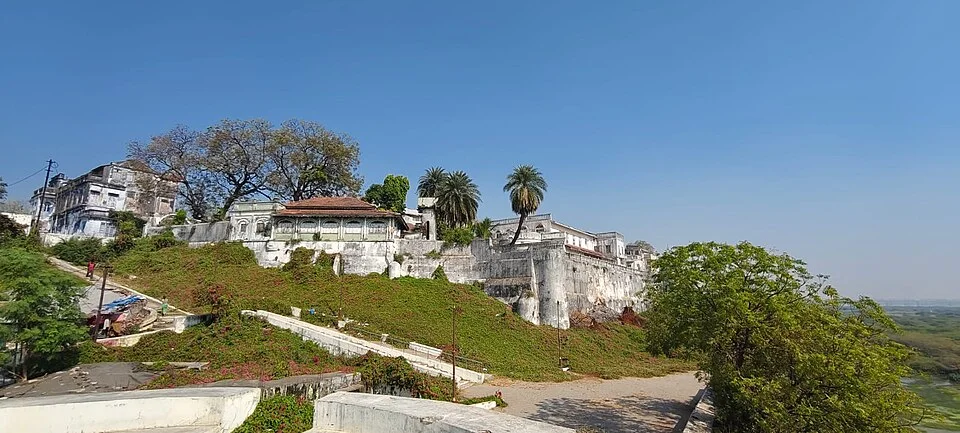
The actual photograph recorded under the name Begumwadi shows an old hillside building with urban surroundings. If you want to consider this setting during the day, establish the present address and an accepted viewing position first. A building visible from outside is not automatically a museum with public admission. Do not create your own route through private or closed spaces. Slope, wall and nearby houses offer a way to look at an older settlement's relation to the ground. Sky, greenery and maintenance in an older photograph cannot guarantee current weather or building conditions. Keeping this session brief protects the meal and rest intervals. When the transfer is unsuitable, more time in the main fort setting can be enough. River, bridge and old-building sessions illustrate different relationships within the town; they are not interchangeable views or a reason to add every district institution to the same day.

A main meal with kadhi khichadi or an aubergine dish
The current web menu of Shree Khodiyar Kathiyawadi, which gives a Bharuch address, lists kadhi khichadi, sev tameta and bengan bhartha. Discuss which appropriate option is actually being served that day for lunch or dinner. This is not a personal restaurant test or a promise of identical plates at every branch. A traveller considering another regional choice can ask about rotlo with an aubergine preparation; Gujarat Tourism identifies rotlo as a bajra-based Kathiawadi flatbread. The regional tradition is not claimed as a recipe invented in Bharuch. Learn the actual accompaniments, portion, heat and ingredients when ordering. Leaving time for a seated main meal after the old riverside setting avoids depending on snacks throughout the day. Consider the real establishment entrance and admission arrangements with the return journey. No price or tasting memory has been invented; the suitable choice depends on the traveller's own needs.
Leave space between the old town and daily transfers
Account for everyday journeys while considering Bharuch's river, bridge and older buildings. Ignoring traffic, entrance waiting and rest in warm conditions makes a one-day route appear easier than it is. The district cultural record also discusses bazaars and an old harbour setting. Use actual conditions rather than assuming this supplies a continuous walking circuit. For a brief town session, stay on accepted public routes and know the return point. An association with peanuts does not establish identical products at every stall or a food market that is permanently open. Assess the actual item, ingredients and establishment during your visit if you want to buy something. The route adds no personal shopping memory or imagined meal scene to the genuine bridge and architectural photographs. Two substantial exterior sessions, a suitable meal and a short rest can themselves give a worthwhile introduction to Bharuch.
Do not turn departure into another river excursion
The third morning belongs to breakfast, bags and the actual onward connection. If the river setting was missed the day before, it does not require a long compulsory excursion before departure; going directly towards the terminal can be more practical. For a late service, ask about luggage storage and choose a short waiting session close to the connection. Kabirvad or another distant district address needs another night, genuine transport and accepted visiting conditions. A central room and a river photograph do not book that journey. Sources were checked on 5 October 2026. Use the actual travel-date information for services, menus and admission. The images show separate scenes: a dry riverbed and water surface are not combined into a current environmental report for one day. The purpose of two nights is a calm look at the relationship between the river and the settlement. Additional places deserve another day.