
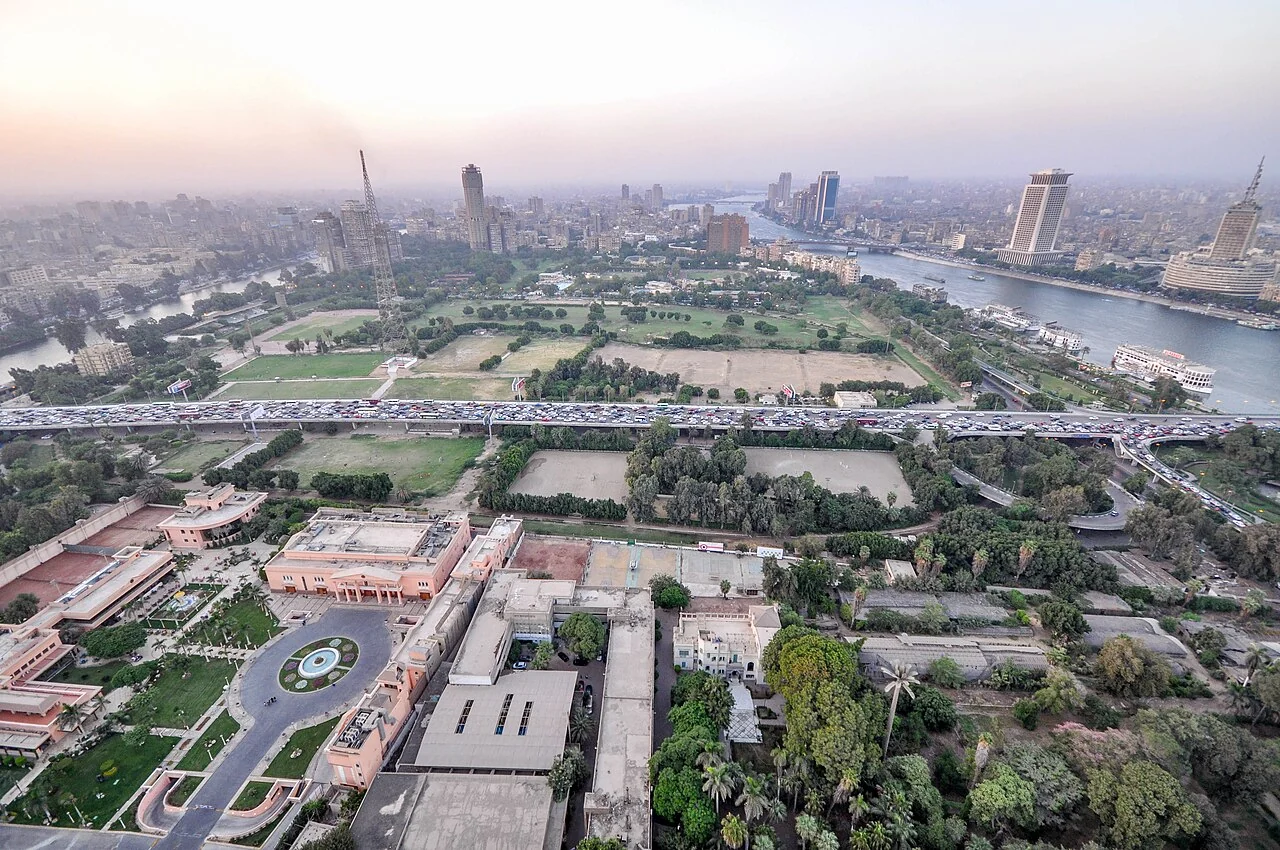
The Tatilmerkezi Stork approaches a first Cairo break one neighbourhood at a time. The Nile, a city museum, Old Cairo and the historic bazaar deserve separate days rather than a continuous dash across the metropolis. This guide organises three full city days with arrival and departure buffers; it is not a compressed tour of Egypt. Add a separate day if the Giza pyramids or the Grand Egyptian Museum are priorities. Combining a distant morning museum, a bazaar across the city and yet another district for dinner can consume a short holiday in vehicles. One accommodation base and one main area each day make the city's variety easier to enjoy.
Three city days and an optional Giza day
A planning example uses four nights: arrive and settle on the first evening; visit Tahrir and Downtown on day two; explore Old Cairo on day three; pair the historic bazaar with Al-Azhar Park on day four; depart on day five. This provides three complete sightseeing days. Do not lock the morning after a late arrival into an ambitious reservation. If Giza and the Grand Egyptian Museum matter most, add a fifth night and a dedicated day, rather than squeezing them into the airport connection. The Giza extension is a separate journey, not the next block of a central Cairo walking circuit.

Choose a main visit and a nearby meal for each day, leaving a second attraction optional. A longer museum visit can replace an evening outing. Families may welcome an indoor break between hot outdoor spaces; travellers with mobility needs should ask the institution about steps and the distance from vehicle drop-off. A useful itinerary is measured partly by knowing how to return to the room, not simply by the number of places crossed off. Revisiting a familiar street can be more rewarding than rushing to another district solely because it appears on a list.
Tahrir, Downtown and a Nile-side pause
The Egyptian Museum at Tahrir can anchor the first complete day. Leave time for the section that interests you rather than expecting to absorb an entire collection in a morning, and consult the institution's current visitor information. Follow the museum with a compact Downtown street circuit. The centre extends beyond one square; sitting in a café and stopping for lunch can make the architecture easier to notice. Treat busy junctions as real crossings, not as straight lines on a navigation screen, and use appropriate crossing points.
Depending on energy, choose a separate vehicle connection to the Zamalek side for a Nile-side pause. Walking around the whole island after a museum is not compulsory. Arriving at a bridge and finding a comfortable riverside stop are different tasks: evaluate pavement, noise and the return connection locally. For a boat outing, clarify the operator, life jackets, duration and landing point. This guide promises no fixed sailing or fare. Keeping dinner in the area where you already are avoids adding another cross-city transfer at the end of a tiring day.
Old Cairo: one museum and a compact local walk
Dedicate the second day to the Coptic Museum area. Its official page locates the museum near Mar Girgis Metro station; consult the actual metro map for the station and current interchange arrangement. Combining the museum with the Hanging Church vicinity keeps the day within one area rather than spreading several visits across the metropolis. Access arrangements and worship take precedence over a tourist schedule. An open entrance does not grant unlimited photography permission; follow visitor instructions and dress appropriately.
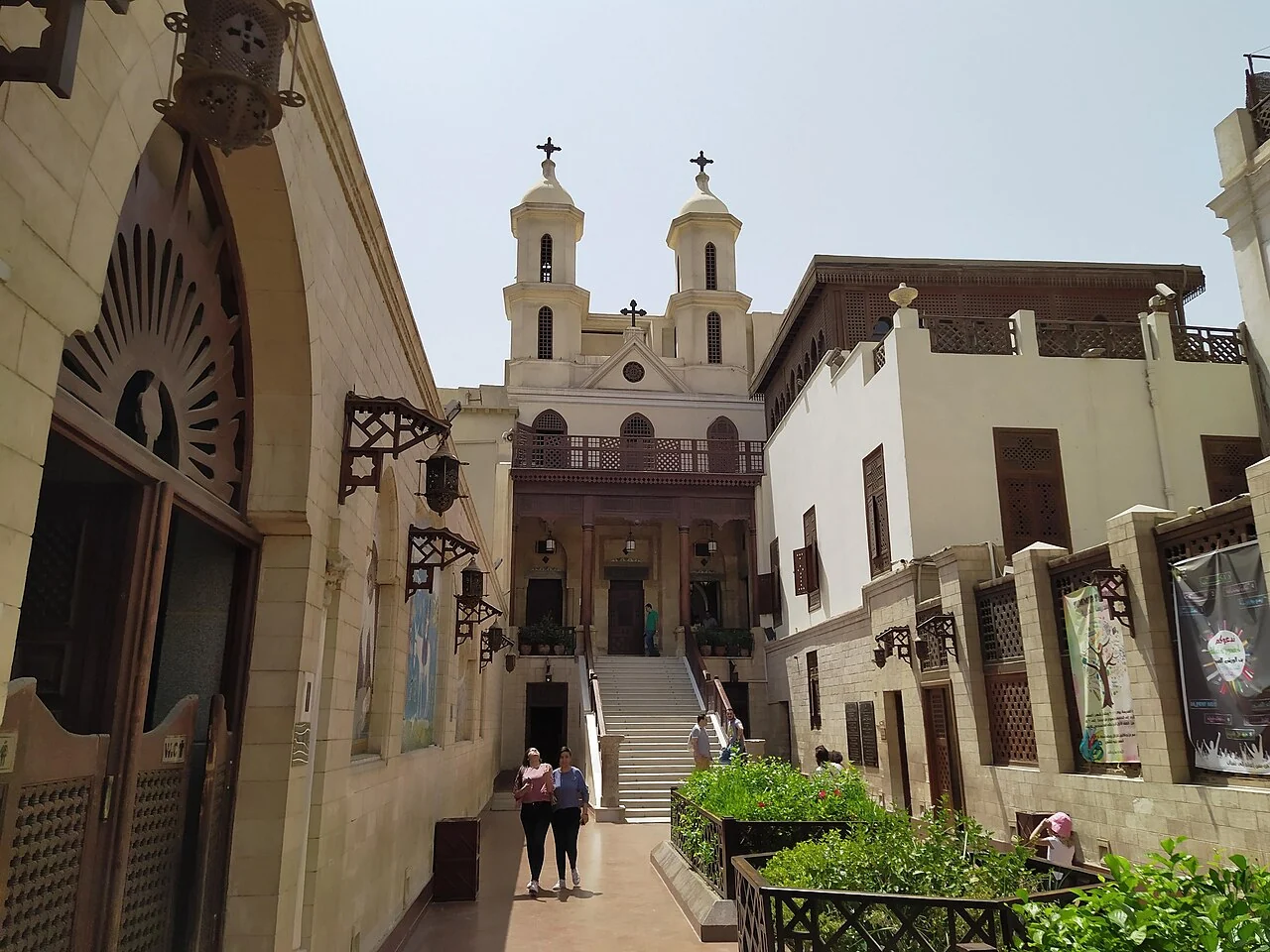

This part of the itinerary suits readers interested in layers of urban history. A guide can help distinguish the church, museum and details in surrounding streets without turning every building into the same story. Choosing one building or collection for a longer visit is as valid as memorising a succession of names. Plan lunch before leaving the area or on returning to your base. Relying on a small snack all day can create a lengthy restaurant search after the museum. If not using the metro, settle the vehicle meeting point before the visit begins.
Pair the bazaar with an Al-Azhar Park break
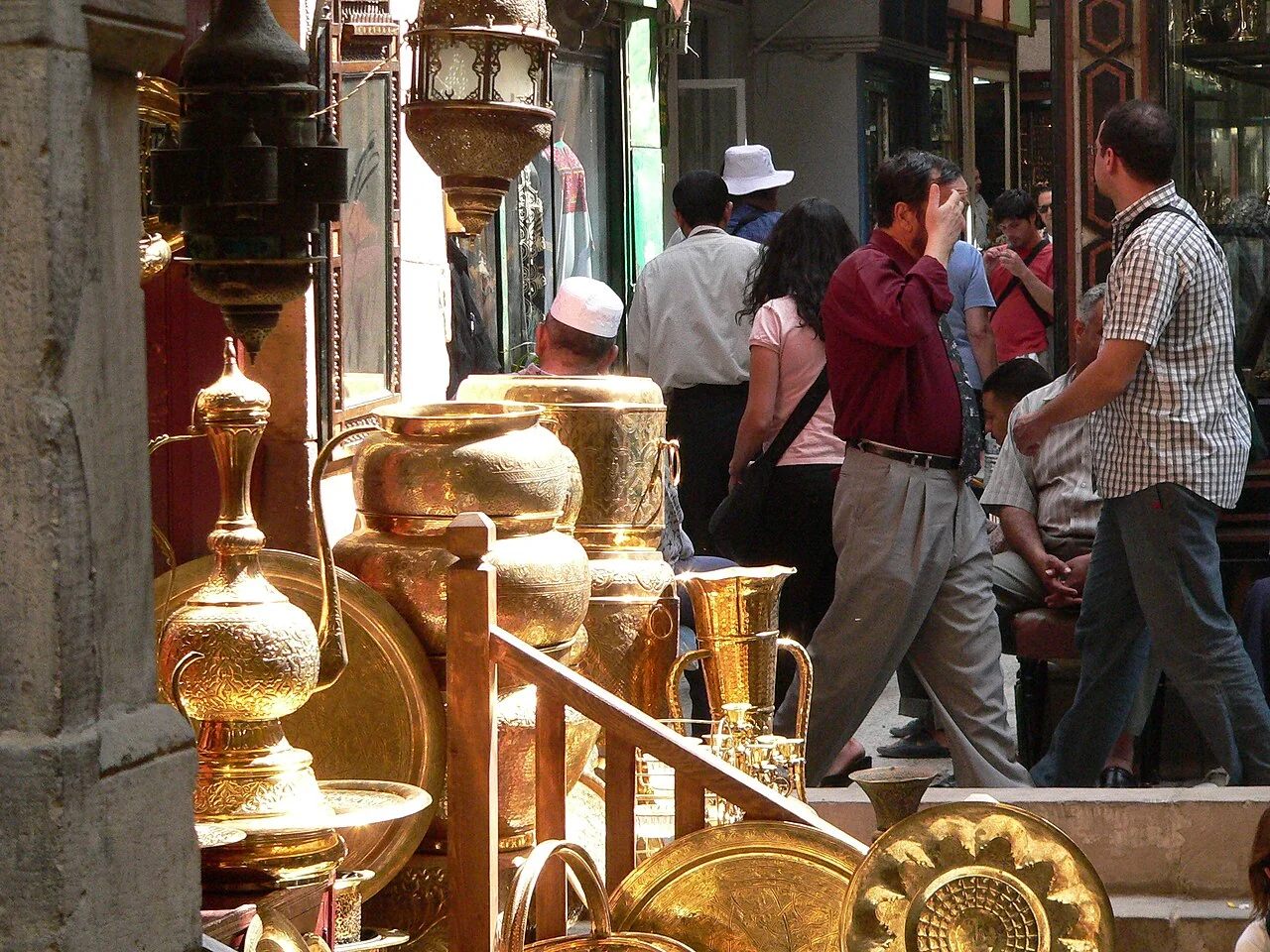
Start the third day with a manageable circuit around Khan el-Khalili. Shopping need not be its only purpose; leave space for people working in the shops. Discuss material, transport and the final agreed cost before buying. Ask permission before photographing people closely. A coffee or lunch stop connected with an agreed meeting point can keep a group together in busy lanes. This is a visit to a historic urban area, not a guarantee of the present-day quality or accessibility of every business shown in an old photograph.

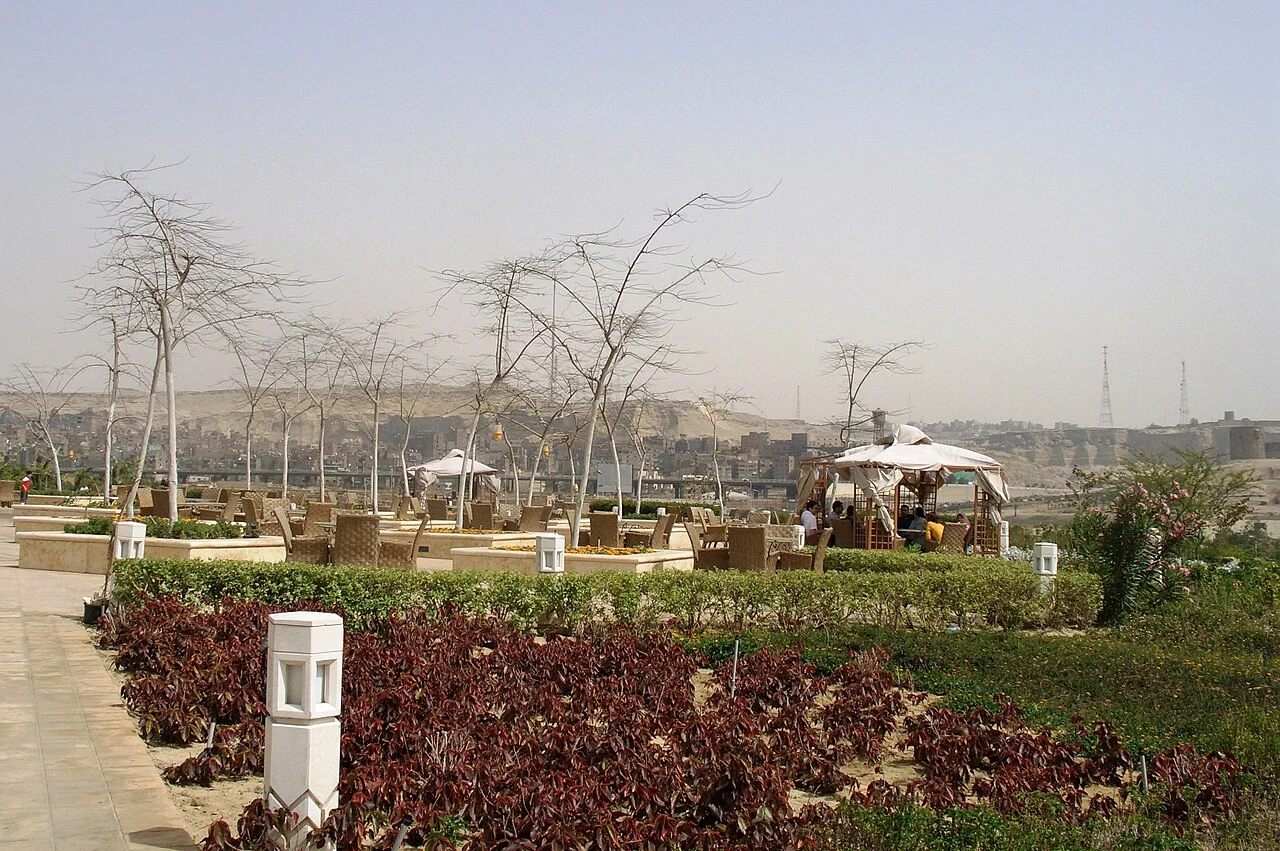
Al-Azhar Park offers a green pause afterwards. The park operator and AKDN confirm its Cairo setting and garden character. Rather than making a potentially tiring walk from bazaar to park compulsory, arrange transport according to distance, heat and the group's needs. Check current admission arrangements and accessibility separately. Looking at the view, sitting in shade and taking a short walk may be enough. Leave part of the evening for baggage and departure preparations instead of filling every remaining minute with another monument.
A taameya breakfast and a koshary lunch
The official gastronomy source identifies fava-bean taameya and cooked-bean ful medames as breakfast choices. If available, try them with bread in a morning meal, asking about sauces and allergens. Koshary combines rice, pasta, lentils and chickpeas for a substantial lunch; choose portion and chilli sauce according to preference. These examples do not endorse a particular shop as open today. Keeping the meal close to the day's main neighbourhood is often more practical than a lengthy crossing solely to eat.
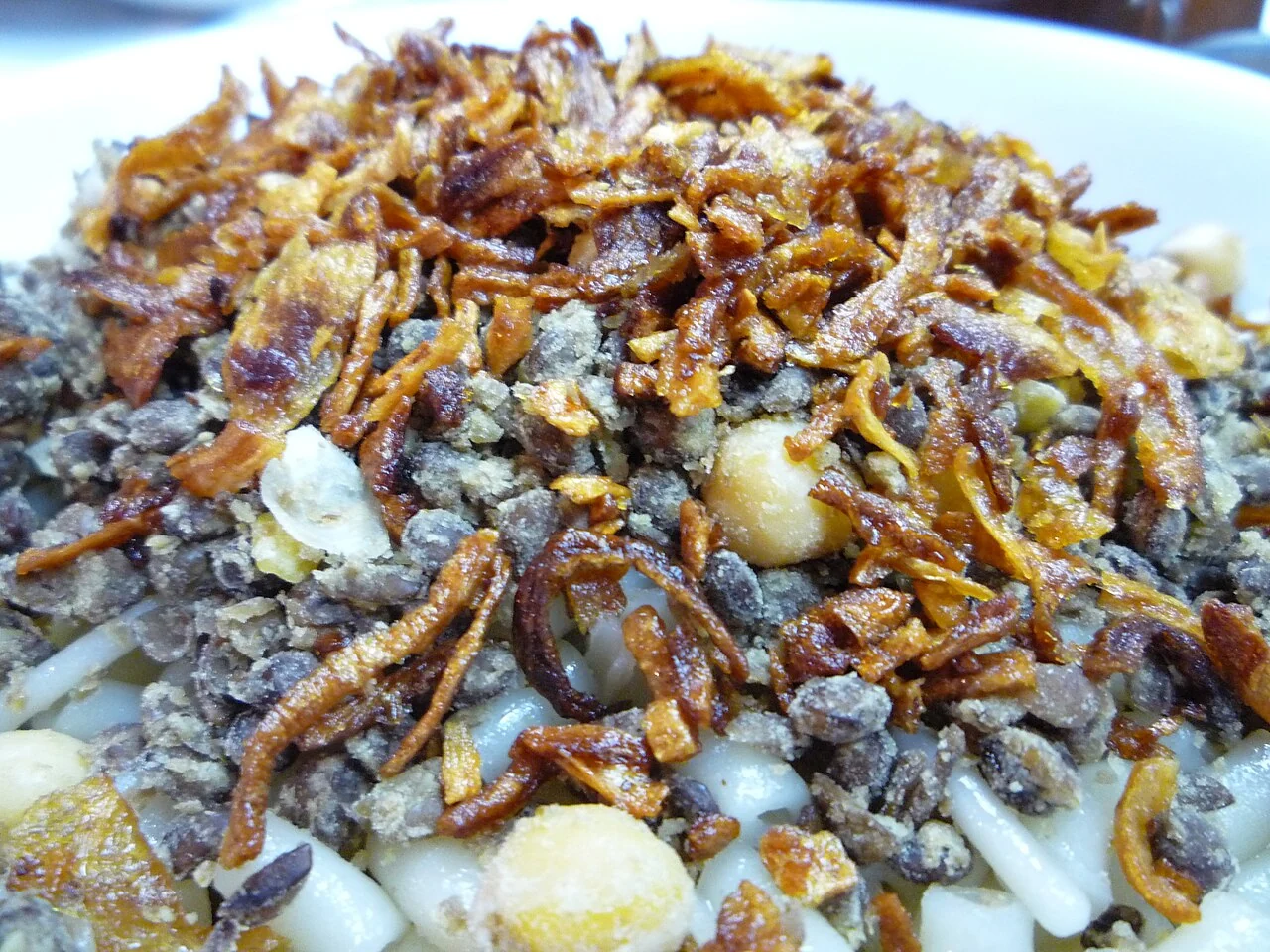

A museum-day koshary lunch, an early breakfast before Old Cairo, and an unhurried dinner after the park create different daily rhythms. Avoid repeating an equally heavy schedule every day, and consider drinking water and properly served hot food carefully. The koshary photograph is a real 2008 dish example, not a current menu or price record. For dessert, ask about the available option and its ingredients rather than assuming milk, nuts or gluten from a name. Food discovery enriches a city break without requiring an uncertain return connection merely to locate a particular plate.
Choose a base and combine transport sensibly
Downtown can suit a first day focused on Tahrir, while Zamalek provides another base for people drawn to the Nile surroundings. A Giza-focused stay may favour the western side, but that changes transfers for Old Cairo and the bazaar. Do not choose a room by its view alone: street noise, the actual entrance, evening return, breakfast and vehicle meeting arrangements all matter. A single base for four nights avoids transporting luggage every morning. Staying centrally does not mean that every attraction is within walking distance.
For metro journeys, read line and interchange information on the official map; this guide does not promise a direct metro link to the airport. Arrange the airport connection in advance with the accommodation or a dependable operator. Avoid guaranteed minute estimates for cross-city drives and leave a traffic buffer before reservations. Save the accommodation address and meeting point offline. Clarify fare, ticket type and included services before the transaction. Walking, metro and vehicles can complement one another through the day; the plan need not depend entirely on a single method.
Giza extension and departure-day checks
The Grand Egyptian Museum is in Giza and is different from the Egyptian Museum at Tahrir. Verify current visiting arrangements and the official purchasing channel through the institution itself; similarly named search-result sales sites can be confusing. If choosing pyramids and museum in one day, make one the principal visit and allocate the other around the actual reservation and your energy. This city break adds neither a desert expedition nor a broad national tour. Check entry requirements for your own passport through official channels and assess regional warnings separately for travel beyond Cairo.
The official advice reviewed on 4 October 2026 stresses avoiding demonstrations and large gatherings, using reputable providers and taking traffic seriously. Apply additional care when alone at night or using vehicles, and ask about photography restrictions at religious places and security locations. This short itinerary includes no high-risk border area. On departure day, finish baggage, checkout and the airport connection instead of starting a new distant visit. The Stork's small suggestion is to leave one space unfinished: a missed street can be a reason to return, whereas a missed flight is rarely such a relaxed ending.