

George: two days of timber memory and transport collections
Tatilmerkezi’s Stork gives George two city days instead of treating it solely as a place to pass through on the Garden Route. Begin with town development and timber history at George Museum, then consider vehicles and movement at the Transnet Transport Museum. This guide does not replace a Wilderness beach day or a whole coastal road trip. It serves travellers interested in an urban pause, working objects and collections that ask different questions. A currently operating steam-train journey is not the itinerary’s backbone. Preserved vehicles and the city around them provide a complete reason to stay.
Arrange arrival and departure around the institutions’ actual responses for your dates. The provincial George Museum page leaves opening hours to be confirmed, so no old timetable is carried into this guide. Transnet’s current description does not promise admission to every coach on every date either. Swap the days if their replies make that more practical. If a flight arrives late, use that day to settle in and eat, then give each collection a separate morning. A rest after the main visit also helps companions who are less interested in technical details enjoy the break rather than spend it chasing transport displays.
Day one: timber and town development at George Museum
Use the George Museum address around Courtenay and York Street. The municipal tourism account emphasises the town’s development and the significance of the timber industry. When looking at a tool or interpretive panel, ask which stage of production it belonged to rather than simply noticing its age. Extracting material, processing it and using it in a home or public building are different activities. Select one or two examples and read the connection between them. This city visit does not require an additional forest hike: understanding a collection’s subject and having permission to enter a landscape are separate decisions.


Before committing the day, ask for the real visiting window, any unavailable section and group conditions if relevant. An official address is not a guarantee that the complete programme is open today. If the main institution cannot confirm, ask the tourism bureau for a current check and a suitable cultural alternative instead of inventing a fixed ticketed itinerary. The exterior photograph does not establish that a display remains installed in the same room. Plan a seated lunch after the visit rather than trying to eat just before closing. A short observation of the town environment around York Street can then complete the afternoon without overwhelming the main purpose.
Day two: thinking about movement at the transport museum
Transnet’s George museum preserves historical steam locomotives, coaches, older cars and other transport objects. Shift your attention from the first day’s materials and urban production towards how people and goods moved. A locomotive and a passenger compartment invite different questions: one concerns power and traction, the other everyday travel arrangements. Families can alternate a large vehicle, a short panel and a break. You do not need to know every engineering detail to understand what a vehicle made possible. Choose a manageable set of examples instead of racing through the collection only to say that all the exhibits were seen.
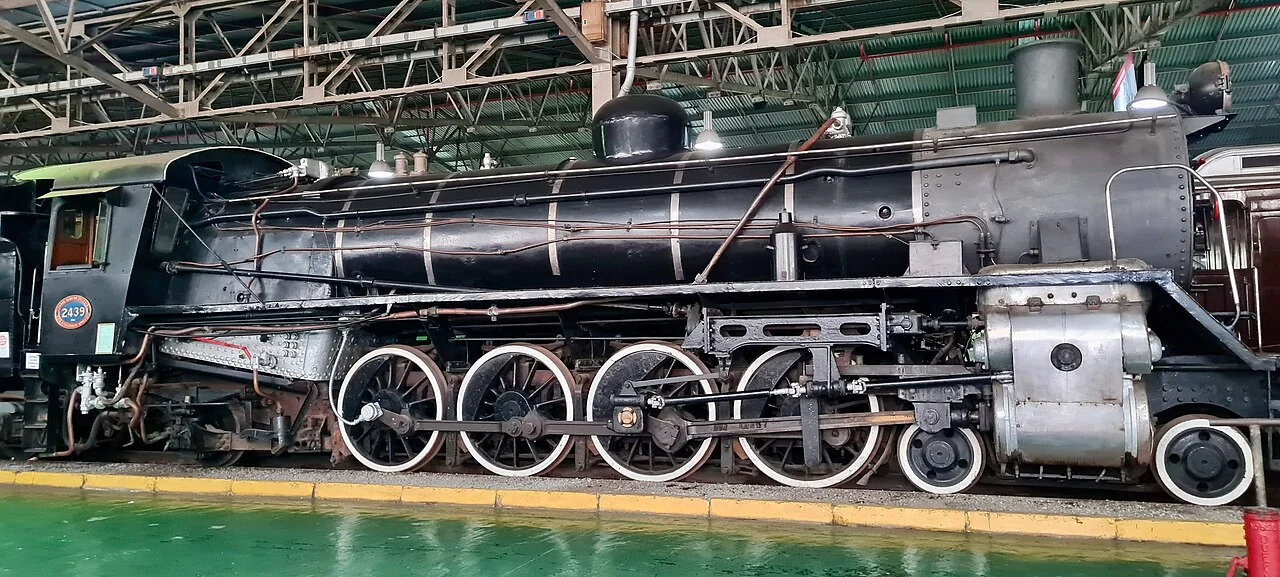

Do not derive a current passenger service from a photograph of a displayed locomotive. A museum object and a journey available to book are separate things. Ask about coach interiors or guided interpretation before arrival; restoration and event activity can affect access. The size of the collection does not make a long coastal drive afterwards compulsory. A meal and rest can complete the day. If one traveller wants to spend longer with vehicles, agree a meeting point and permitted place for the other companion’s pause. That modest arrangement can prevent the visit becoming a series of phone calls across unfamiliar rooms or grounds.
A brief exterior pause around Moederkerk
The Dutch Reformed Mother Church, or Moederkerk, can provide an architectural exterior stop in the city centre. Do not treat a place of worship as a museum with an automatically open door. During worship, a private event or a closed period, view the exterior from a suitable public position and continue. The purpose is to notice the building’s relationship with the street, not to turn worshippers into a visitor attraction. The photograph’s 2012 date does not prove today’s entry arrangements. If interior access matters to you, confirm the institution’s own programme separately and respect people’s privacy.
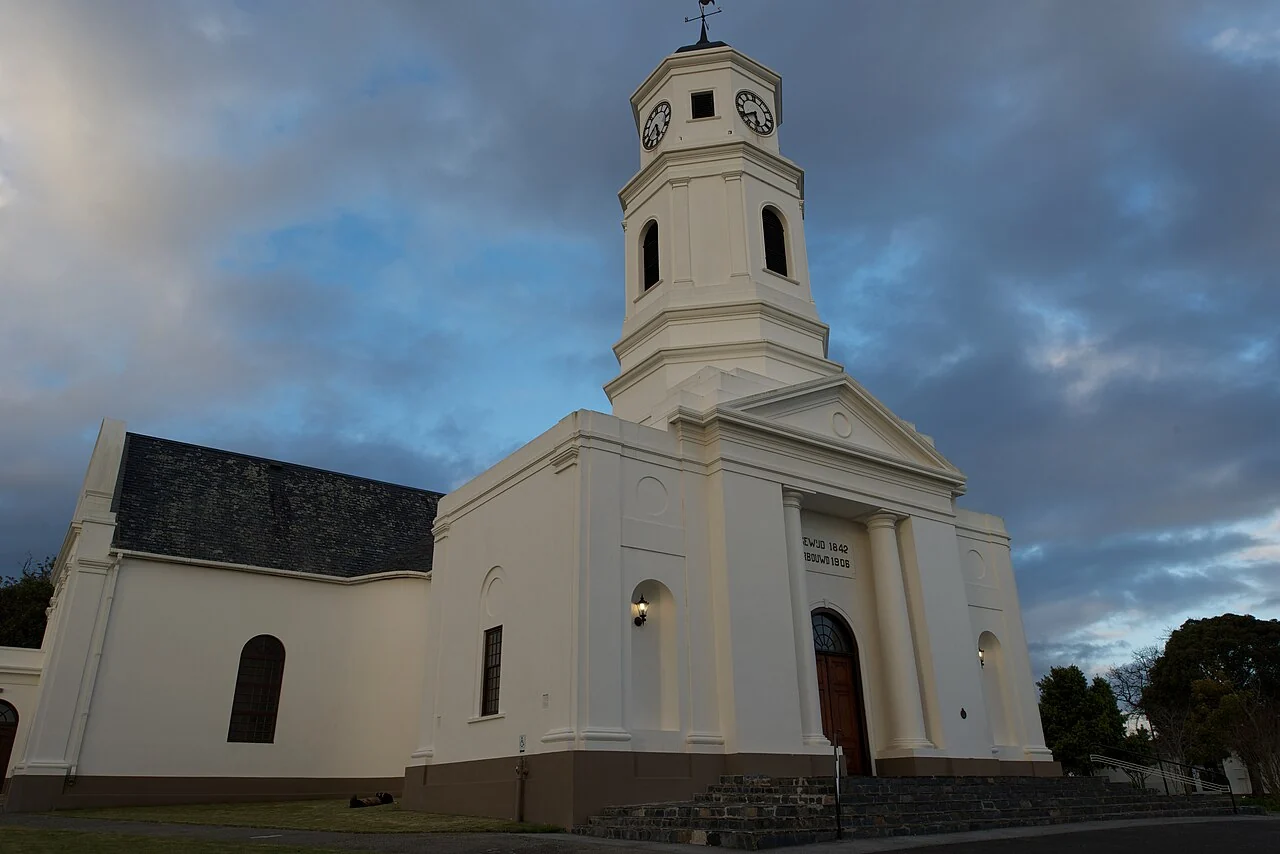

Keep the stop subordinate to the institutions’ visitor time rather than making it an obligatory morning circuit. The York Street cover photograph is also a 2020 city view, not a current business directory or detailed walking map. Consider road crossings, rain and luggage when moving between locations. End the evening with a selected meal and dependable return journey rather than an improvised long walk. Such small practical decisions may contribute more to a comfortable two-day stay than another attraction added merely to fill the plan. Save accommodation contact details so the return remains easy if mobile data becomes unreliable.
The displayed Brill car and real GO GEORGE service are different
The historical Brill vehicle in the museum is not the contemporary GO GEORGE bus network. One is a collection object; the other is a current public service that may help your visit. In September 2026 the operator announced a trial connection between the city centre and airport. A trial arrangement and roadworks mean your actual route, stop and payment information still need checking for your travel date. No fixed departure interval or guarantee of making a flight is supplied here. A late arrival or heavy luggage may make an arranged transfer more appropriate.
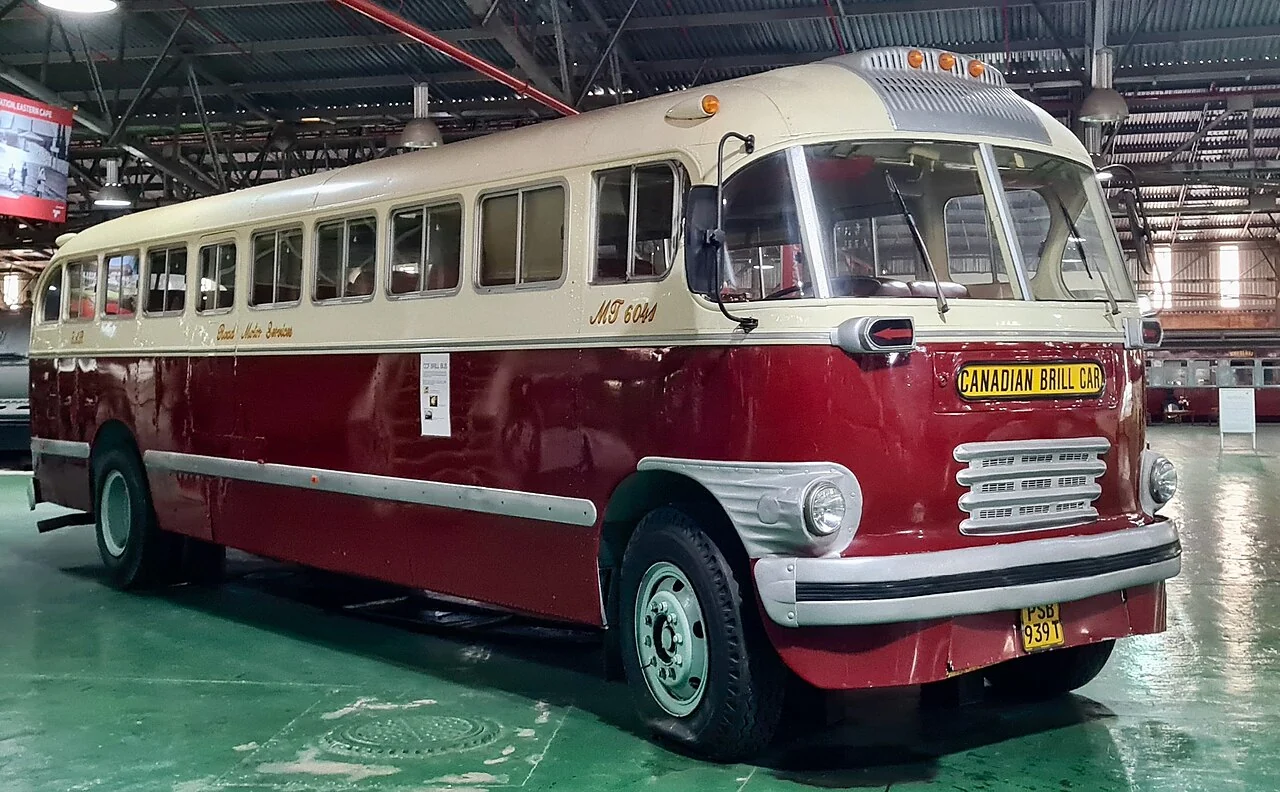

For a public-transport decision, first find out whether the stop is genuinely accessible from your accommodation. The nearest line on a map is not enough, especially during a temporary diversion. Walking, a bus or a trusted local vehicle between the museums will depend on conditions and mobility needs; do not force a walking plan in unsuitable rain or with cumbersome bags. Keep the operator’s current route page and contact information accessible offline rather than depending on an old screenshot. Including a historical train or bus photograph in this guide does not imply that the same vehicle now operates a passenger service.
Meals: biltong, boerewors and a koeksister pause
George’s municipal tourism account names actual food products including biltong, boerewors and coffee. If offered on the menu, a seasoned boerewors meal with bread or vegetables can work after the first museum, while biltong provides a dried-meat snack option later. These foods are not exclusive to George; they are choices through which to encounter South African food culture while staying here. Ask about meat type, allergens and storage where needed. A product appearing in a tourism feature does not mean every shop has it on your date, so order from the establishment’s real menu rather than from an assumed regional checklist.
For a small sweet and coffee stop, syrupy koeksisters offer another choice when available. An older municipal market feature is not presented as proof of a currently running event on every date; confirm the organiser’s own calendar if you want to include a Saturday market. A farm stop outside town solely for food can require additional transport that competes with the collection days. A city option may fit better. Balance a substantial first-day lunch with a lighter second-day meal and small dessert. Instead of invented prices, budget admission, dining and transport together so a distant food address does not create an unexpected second round of journeys.
One base, a separate optional journey and final checks
Compare accommodation around York and Courtenay with a quieter outer base using secure parking, evening meals and transfer arrangements as well as distance. Two nights in one place reduce repeated packing. If you want a coastal setting, accept the extra daily return to the museums; a beach neighbourhood is not relabelled as the city centre here. Travellers with mobility requirements, pushchairs or substantial luggage should also ask about the institution entrance and vehicle drop-off point. The lowest advertised room price and the easiest two-day visit are not always the same practical option.
A separate railway experience such as Powervan requires confirmation of the actual operator’s reservation and operating conditions; a museum admission does not automatically include that journey. If unavailable, the two collections still form a complete visit. Official South Africa advice identifies crime and transport risks: use trusted vehicles, avoid planning solitary night walks and leave no luggage visible inside a parked car. Power or service interruptions may change arrangements, so store contacts offline. Your final checks are the real museum replies, weather, bus diversions or transfer, dietary needs and return journey. The Stork’s route connects timber memory with movement through two focused city days.