
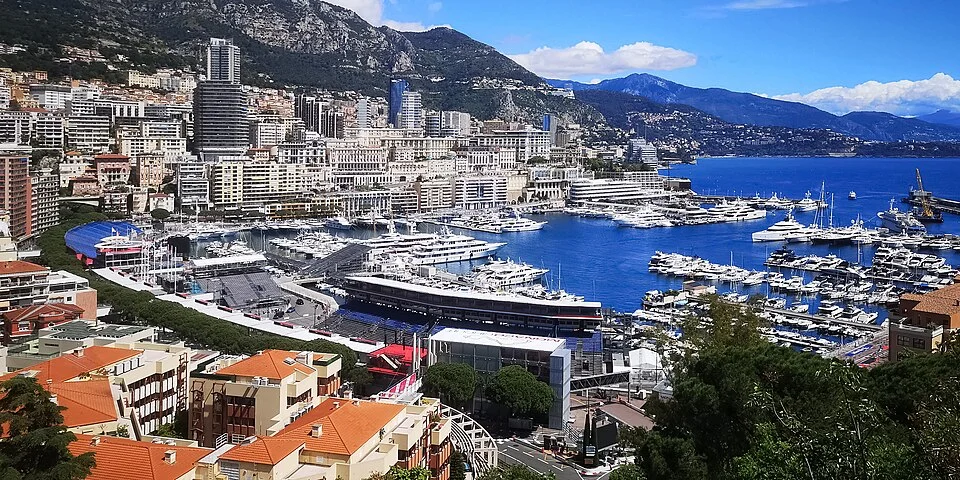
A Monaco country guide to coast, history and daily life
Tatilmerkezi’s Stork suggests looking beyond expensive cars and glamorous shop windows. The Rock of Monaco-Ville, Port Hercule, La Condamine market and the Larvotto waterfront reveal different everyday rhythms within a small country. This suggested stay uses four calendar days and three nights, leaving two full sightseeing days between arrival and departure. One focuses on the historic hill and gardens, the other on the market and coast. Hills, stairs and railway exits still matter despite the compact map. Nearby French towns are not counted as domestic stops in this guide. The aim is a manageable journey at Monaco’s own scale rather than a race through the entire Riviera.
Day one: arrive by rail and begin gently
Make reaching your accommodation from Monaco-Monte-Carlo station the main task of the first calendar day. Use the official SNCF TER Sud search for the Nice–Monaco connection, checking departures, transfers and service notices for your actual travel date. Landing at Nice Airport does not place you directly at the railway station; arrange the airport connection separately. With luggage, choosing the wrong station exit can turn a short distance into a lengthy uphill approach. After settling in, a modest walk around Port Hercule and dinner are enough. Instead of attempting the palace and museum immediately, begin by understanding the country at sea level.
Day two: Monaco-Ville and the princely palace
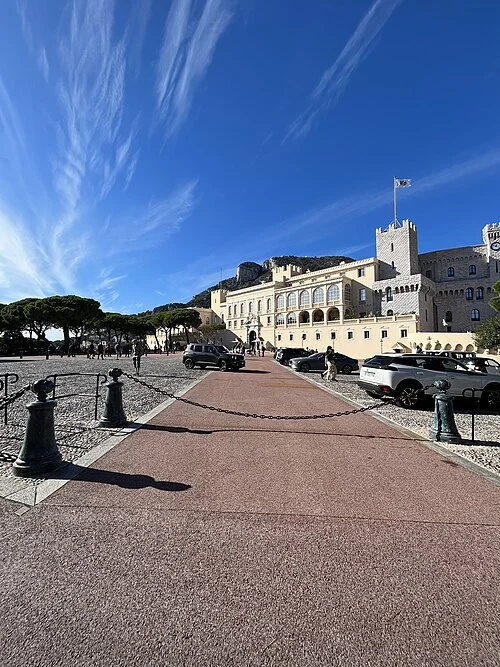
Build the first full sightseeing day, the second calendar day, around Monaco-Ville. Start with the palace square and historic streets, adding a visit to the State Apartments if it matches your interests. The official palace visitor website gives the 2026 season as 30 March to 15 October, which is not a promise of year-round interior access. Unexpected closures are possible, so check your travel day on the official ticket page again. Do not plan on entering every part of a private residence. The operator states that the historic stair access is not wheelchair accessible; travellers with mobility requirements should investigate arrangements beforehand. An exterior square walk and an apartment visit are separate choices.

The cathedral and Saint-Martin Gardens
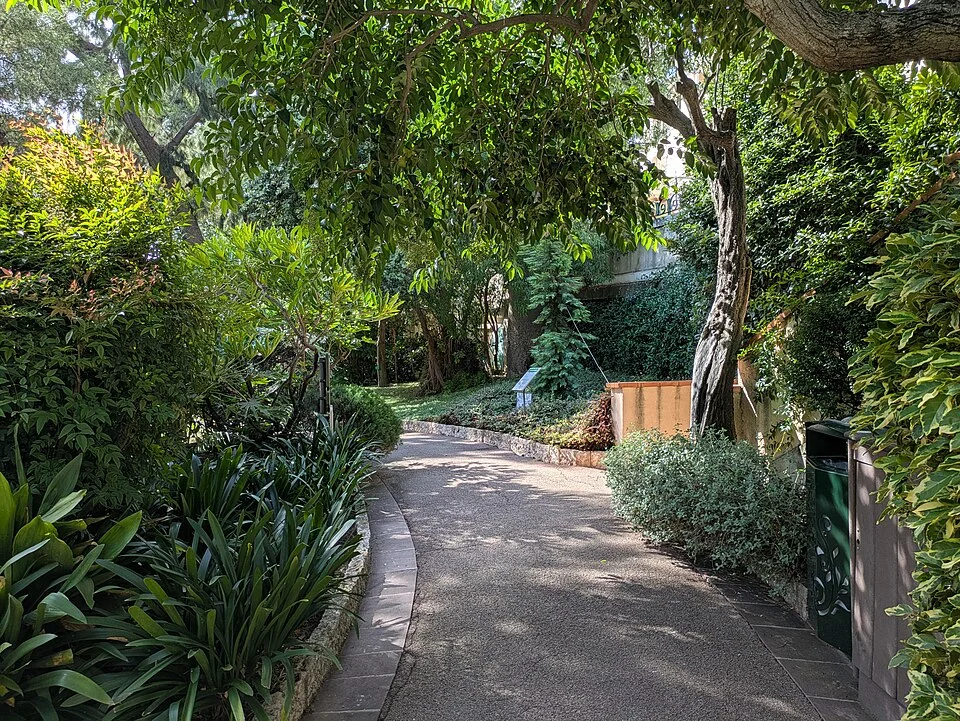
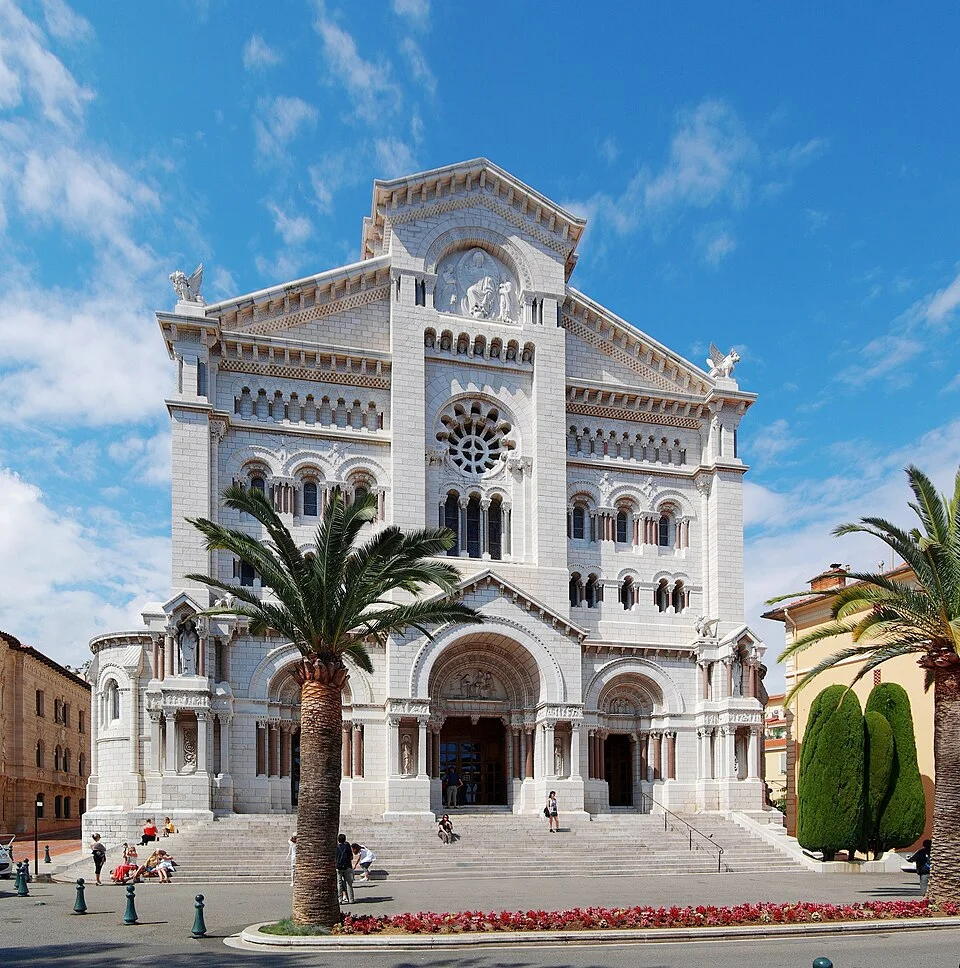
On the historic hill day, the cathedral area and Saint-Martin Gardens form a useful afternoon sequence. Approach the cathedral as a functioning religious place, respecting services and local rules for clothing and photography. Leave pauses for planting and views towards the sea in the gardens, but do not assume all paths are level. The official accessibility guide notes that some slopes are steep. Visitors who find heat or stairs difficult can select a shorter section. The Oceanographic Museum can be an optional indoor stop if it suits your interests; combining a full palace visit, lengthy museum session and complete coastal walk is unnecessary. Shortening one activity can produce a better day.


Day three: La Condamine and the market’s current layout
Spend the morning of the third calendar day around La Condamine and Place d’Armes. Monaco’s municipal website explains that the market hall interior closed for refurbishment from 15 January 2026, with traders operating on the square during the works. Old photographs of the covered interior should therefore not be treated as the current arrangement. Check municipal information for access and opening details. Browse the produce stalls slowly, then choose a meal from an appropriate operating trader. This neighbourhood pause offers an experience beyond the harbour’s boats. The schedule does not require purchases from every stall or promise that any particular product is always available.
Barbagiuan as a concrete local flavour
The National Committee of Monegasque Traditions discusses Barbagiuan as a specific expression of local food culture. Its documented recipe uses fried parcels with ingredients including chard, egg and cheese, although preparations can vary between sellers. A small portion from a market trader or restaurant makes a useful lunch choice and prevents the country experience from revolving only around elaborate dinners. If eggs, dairy or gluten matter to your diet, ask the kitchen which ingredients it uses. Seeing the name does not mean every recipe is identical. There is no need to order a drink, main course and dessert at every stop; one local example enjoyed calmly is enough. Consult the actual menu for current prices.
Slow the afternoon down beside Larvotto
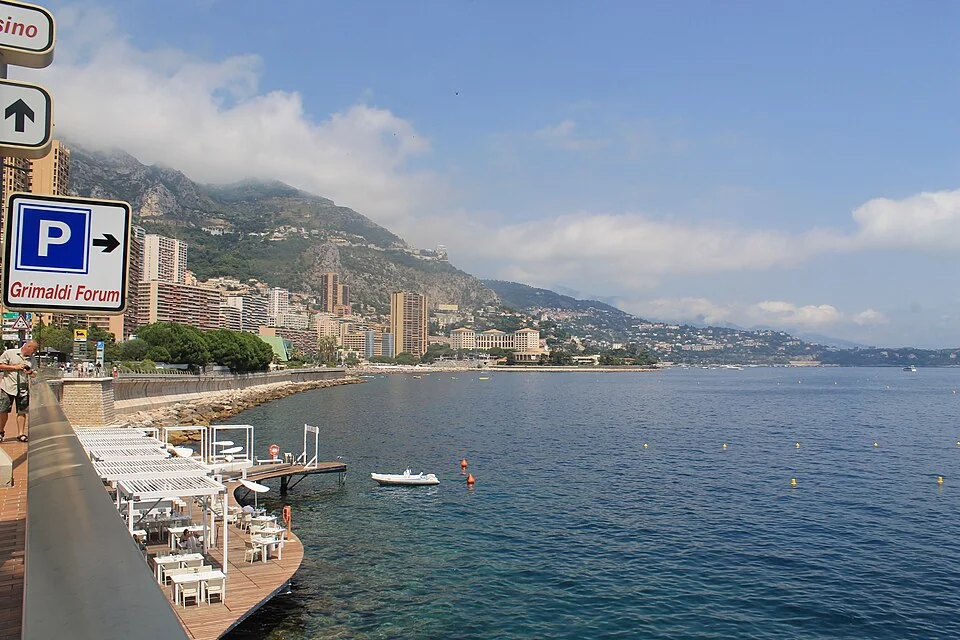
After the market pause, devote the third day’s afternoon to the Larvotto waterfront. Official tourism information identifies a coastal redevelopment inaugurated in 2021, so older shoreline photographs should not be read as evidence of today’s facilities. A walk by the sea, a shaded break and beach time when conditions permit balance the preceding historical visits. Decide whether to swim using the day’s signs, weather and local notices. Do not assume that restaurants, loungers or other services become automatically available free of charge simply because you reach the waterfront. For a family trip, plan sun protection and short rests. Leave a relaxed journey back to your accommodation instead of trying to reach another district for a hurried evening.

Choose transport and accommodation with slopes in mind
CAM’s official bus website provides current lines and real-time departures. Using the network to supplement walking can help with the climb towards the historic hill and on hot days. Check ticket types, payment and validation at every boarding with the operator. A French regional train ticket and Monaco’s local bus journey are different services. Accommodation around La Condamine connects naturally with harbour and market plans; Larvotto supports a coastal emphasis, while Monte-Carlo may match your preferred evening activities. This guide offers no guarantee that one district is cheapest. Check the actual hotel entrance, stairs, distance to a suitable stop and luggage arrangements as carefully as the view from the room.
Day four: departure and document preparation
Keep the fourth calendar day for departure rather than adding another palace visit or a French town before a flight connection. As arrival often passes through France, check entry and transit documents for your own passport with the relevant French and Monegasque authorities. An apparently open border does not remove document requirements. Avoid assumptions about European Union membership or automatic visa exemption. Keep travel documents, bookings and onward details accessible. Sources were checked on 4 October 2026. Palace calendars, the market’s temporary layout, bus routes and train departures need another check before the journey. The Stork’s last recommendation is to allow a comfortable ending to a short country stay.