
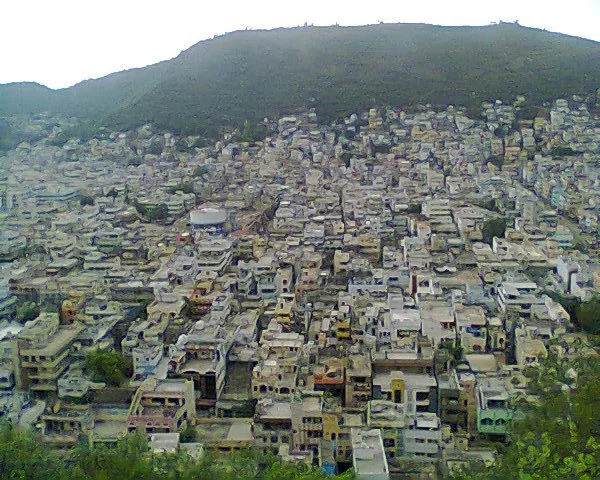
Vijayawada: a four-day core for the river city
The Krishna River, Indrakeeladri and the rock-cut Undavalli setting across the river require different movements on a Vijayawada itinerary. The city is more than an accommodation extension of an Amaravati or Guntur guide. The Tatilmerkezi Stork suggests four calendar days and three nights for a first visit: arrival, one complete day around the river and temple, one complete day for Undavalli and a city meal, then departure. Anyone prioritising Kondapalli should replace the cave portion of the second full day or add a fifth day. This avoids claiming that two separate outward routes fit into one day unchanged. The first day's principal connection is Kanaka Durga and the Prakasam setting; the second focuses on careful observation of stone spaces. Bezawada is another name you may encounter on signs and in sources, rather than a separate destination. Considering ordinary transfers, a short meal and shaded rest alongside river views gives the visit a more workable rhythm.
Arrival: VGA, BZA and the final urban connection
For flights check Vijayawada International Airport and the VGA code; for rail travel verify Vijayawada station on the ticket. The national tourism record identifies its railway code as BZA. An airport-to-room journey and a station-to-room journey are different transfers. Seeing the same city name is not enough to assign one fixed duration to both. After settling your luggage, limit arrival evening to a short neighbourhood visit and a meal. If an early temple visit or a particular admission arrangement matters, read the current operator notice and establish the approach before setting out. Marking the return collection point on a map is more helpful than relying only on a spoken address during a busy exit period. Late-night rail arrivals should discuss luggage handling and the property's vehicle approach. Preserve the four-day structure rather than pushing the next day's river programme into arrival evening. A short urban distance does not establish a short journey through junctions and visitor traffic.
Kanaka Durga: plan the Indrakeeladri visit
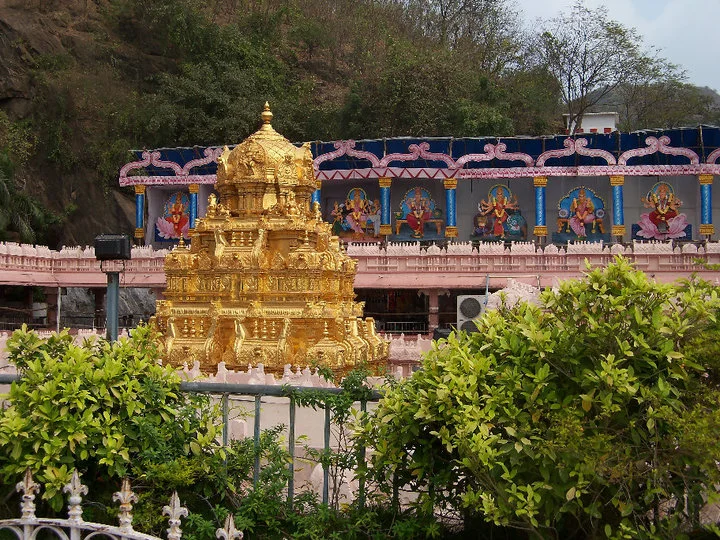
Kanaka Durga Temple stands on Indrakeeladri beside the Krishna. It can anchor the first full day's cultural programme, but the approach and worship flow should follow that day's instructions. Observe staff guidance for shoes, bags, cameras and the access route. It would be misleading to assume that every visitor uses the same entrance or the same steps. Ask about accessible areas and breaks if someone travelling with you cannot stand for long periods. An interior photograph is not a necessary result of the visit: permitted exterior space and the hill's relationship with the city can also provide an understandable experience. Traffic and crowd arrangements may change during Dasara. An older festival description is not a substitute for this year's opening or reservation notices. After the visit, leave a meal break instead of immediately climbing another hill. Keeping temple and river within one daily theme avoids unnecessary movement in several different directions. Make space for the people who are visiting primarily for worship.

The Prakasam setting: observe the river from permitted points
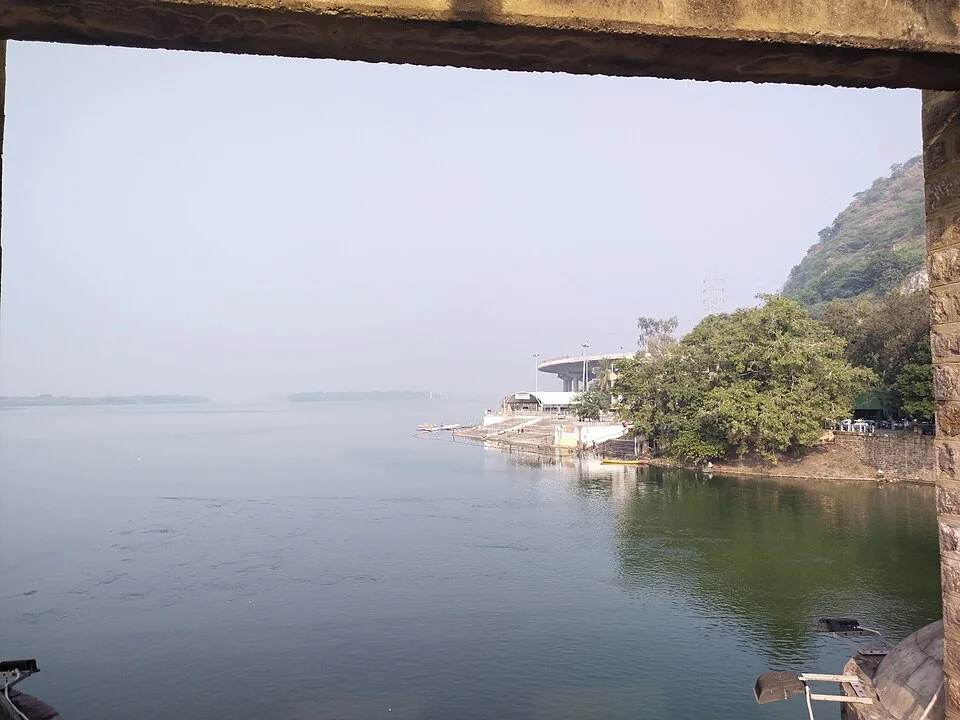
After the temple programme choose river viewpoints around the Prakasam Barrage that are permitted that day. This is a working transport and water-infrastructure setting, not simply a sightseeing backdrop. Do not cross barriers or step into traffic for a photograph. Follow local signs to establish which pedestrian areas are open; this guide does not guarantee an uninterrupted promenade along the whole barrage. Water levels and weather can affect Krishna River activities. If a Bhavani Island boat connection interests you, ask the current operator separately about departures, safety equipment and the return arrangement. Inclusion in an official tourism list does not prove that a boat departs every day. Selecting the island should reduce another city-walking block or introduce an additional day. A shorter riverside stop can also help explain the river city. When looking for an evening view, do not leave the return to your accommodation until the last moment. The first day's finish should still allow rest.

Undavalli: rock-cut spaces across the river
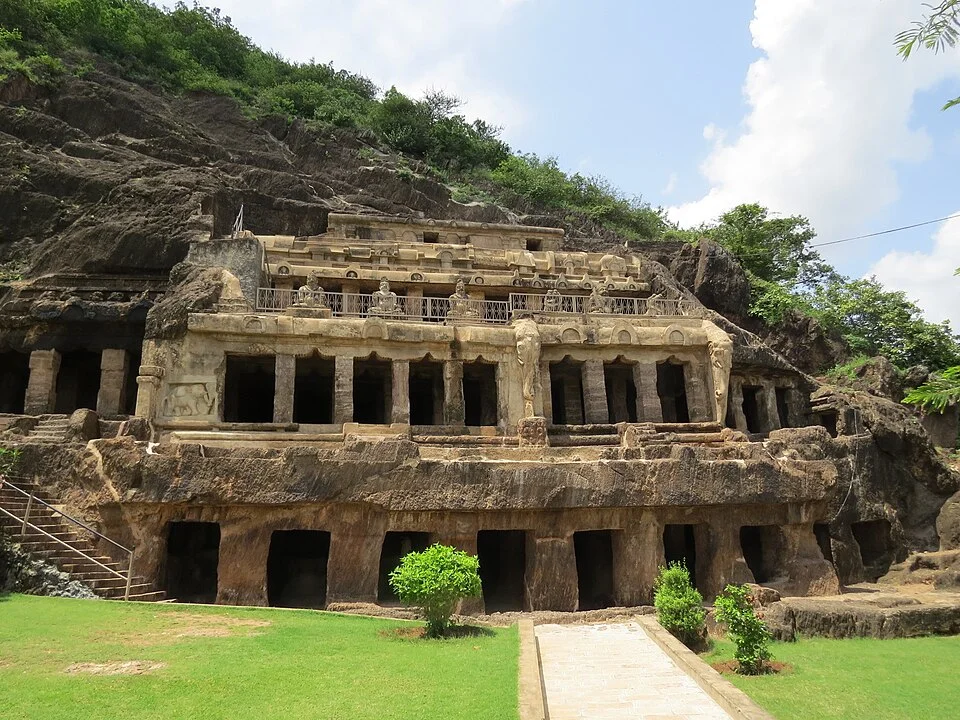
Undavalli caves can be the main outward stop of the second complete day. They are not the same place as the Mogalrajapuram caves within the city, so show your driver the full name and the return collection location. The national tourism page describes Undavalli in the Guntur setting, while the Archaeological Survey of India's protected-monuments list records the rock-cut structure. Pause over the facade levels, spaces between columns and interiors available to view. Official introductions contain different century estimates, so this itinerary does not calculate a definitive construction year. Its focus is accessible architecture. Steps and conservation arrangements mean that every level should not be presumed open to every visitor; establish current conditions at entry. Do not touch historic surfaces, enter closed spaces or move backwards in darkness for a photograph. Afterwards leave time for a city meal and rest. Automatically adding a distant fort circuit to the remainder would undermine the two-full-day scale proposed here.

Kondapalli: an alternative to the cave day
Kondapalli Fort and the village's wooden-toy tradition answer a different visitor interest: military architecture alongside living craft. Choose this route in place of the Undavalli day or add it as a new complete day during a longer stay. Check the approach, buildings open to visitors and return vehicle for your actual date. If you hope to visit a workshop in the village, discuss the maker's working hours and willingness to receive guests. A shop selling toys does not necessarily provide a live demonstration. For a small craft purchase, consider luggage size, delicate parts and packing. Conflicting construction-century statements in tourism descriptions have not been converted into a definitive age for the fort. Visible stone architecture and local production already provide a clear daily theme. Allow water and a shaded break on exposed sections. Families can shorten a long fort walk and spend more unhurried time in the village. They need not fit both outward routes into the same day.

An Andhra meal: pesarattu and gongura choices
To make a meal in the Krishna region specific, look for Andhra preparations such as pesarattu, gongura pachadi or pulihora. The national tourism page for Amaravati records these within the regional cuisine; they are not presented here as exclusive inventions of Vijayawada. Pesarattu offers a savoury pulse-based crepe, gongura pachadi a tart leafy accompaniment and pulihora a tamarind-rice example. Choose according to what has actually been prepared that day. Asking which accompaniments come with a rice meal is more helpful than ordering from the broad Andhra label alone. Discuss spice level and requirements involving pulses, bread, oil or dairy directly, since recipes vary between kitchens. A meal after the temple or on returning from the caves fits the route's daily structure. Instead of combining market exploration and lunch into one prolonged hot walk, leave a seated rest. No seller ranking, current price or claim of availability at every business is supplied. The meal is a practical regional element of the city visit.
Accommodation and departure: preserve the daily theme
A room with an easy station connection may suit an early rail arrival; a different property near a principal urban road may simplify vehicle meetings on both sightseeing days. Compare the actual address, night noise, luggage access and transfers. A river view alone does not establish comfortable pedestrian access to the temple or station. Ask the property about drop-off points, stairs and departure-day luggage storage. Put the train or airport connection you need to protect into the final day's programme first. An unfinished outward route belongs to a longer visit instead of being moved automatically into departure morning. Wet weather or high water can call for shorter river activities, while heat may justify reducing hill and fort walks. Sources were reviewed on 4 October 2026. No particular boat, temple section, fort room or workshop service is guaranteed open. The Stork's advice is straightforward: one river day, one selected outward-heritage day and two distinct transfer days. This keeps a short Vijayawada stay separate from a race to complete every surrounding district.