
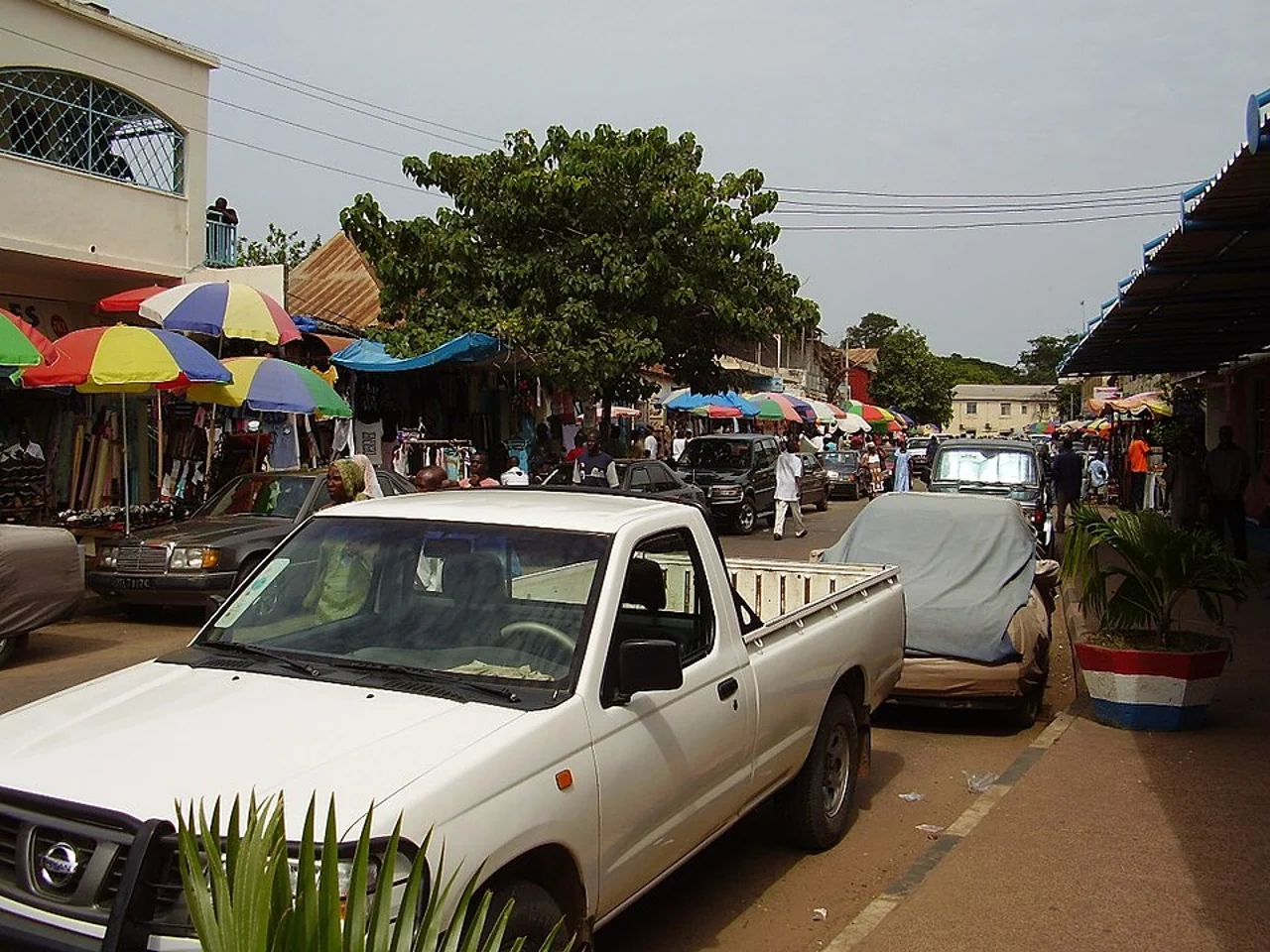
Two capital days from one base
Tatilmerkezi Leyleği gives Banjul more room than a market stop squeezed into a beach holiday. The reader of this city guide wants two complete days to understand the capital through its institutions, streets and working trade. Give the first day to historical questions around the National Museum and the second to Albert Market and city businesses. Three nights at one base allow arrival followed by two full visiting days and departure the next morning. Travellers already staying in Kotu or Kololi can instead arrange two separate daytime return visits. Sleeping in the capital and commuting from the coast create different transport arrangements and evening expectations.
This plan does not repeat the country circuit through Tanji fishing village, Kotu birdwatching and an Albreda river extension. It reserves real museum time, a short period observing streets and a seated meal. Everyone should know the meeting point and where the return vehicle will collect the group. If the first day runs late, move one principal visit rather than compressing the whole programme. Confirm a suitable pedestrian connection locally and rest during heavy rain or heat. A view from the city's coastal edge is not an automatic swimming or boat-trip recommendation.
National Museum: a first day of historical questions
The Gambian government's institutional listing places the NCAC at the National Museum premises on Independence Drive in Banjul. Use that official address as the starting point. Do not confuse administrative office hours with a guaranteed gallery timetable: ask the institution about accessible sections, admission and arrangements on your date. Without seeing the current exhibition, this guide does not promise a particular object or access to the entire collection. Useful preparation is to choose a historical question: the coastal city, everyday life, craft or the country's more recent past.
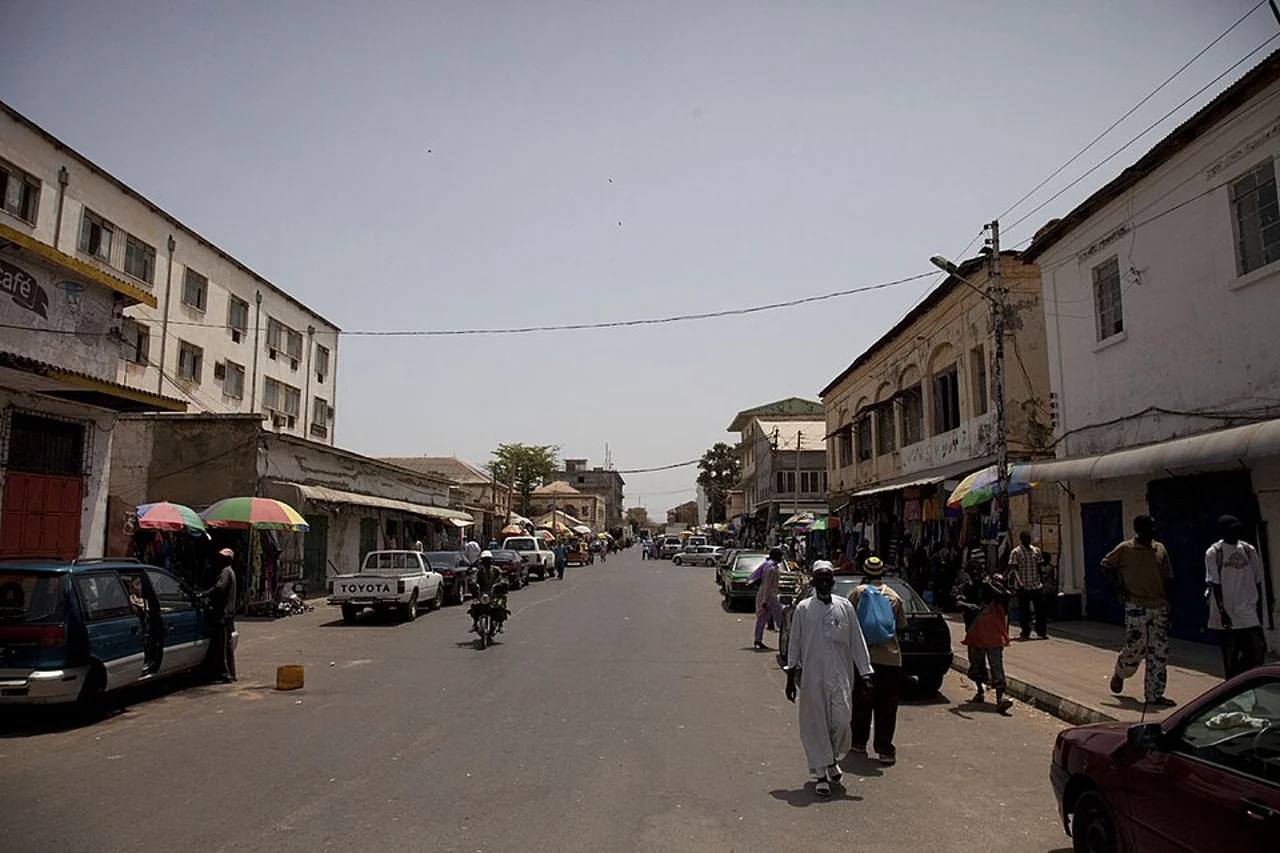

If visiting with a guide, follow one theme instead of requiring every answer within a brief appointment. Ask how earlier names, documents and present street names connect. Establish photography rules at the entrance and obtain permission for sensitive material, portraits or private spaces. Children may respond better to the story of one or two objects than a long sequence of labels. Afterwards, leave time to talk over a meal at a nearby open venue. If the museum is unavailable, move the market day forward and return only on a date when access is confirmed. A changed plan is more useful than hiding a closure.
A short city reading around Russell Street
The second part of the museum day can be a short period of street observation. Around Russell Street, compare present trade and neighbourhood life with the guide's dated photographs, while assessing today's pavements, businesses and traffic on the ground. A line on a map does not establish a walkable connection. Ask a local guide for a well-used daylight route and an agreed return point. Watch the flow at crossings and keep children together rather than splitting the group across a road. Concentrate on a few details: what an open business does, how goods move and the rhythm of ordinary shopping.
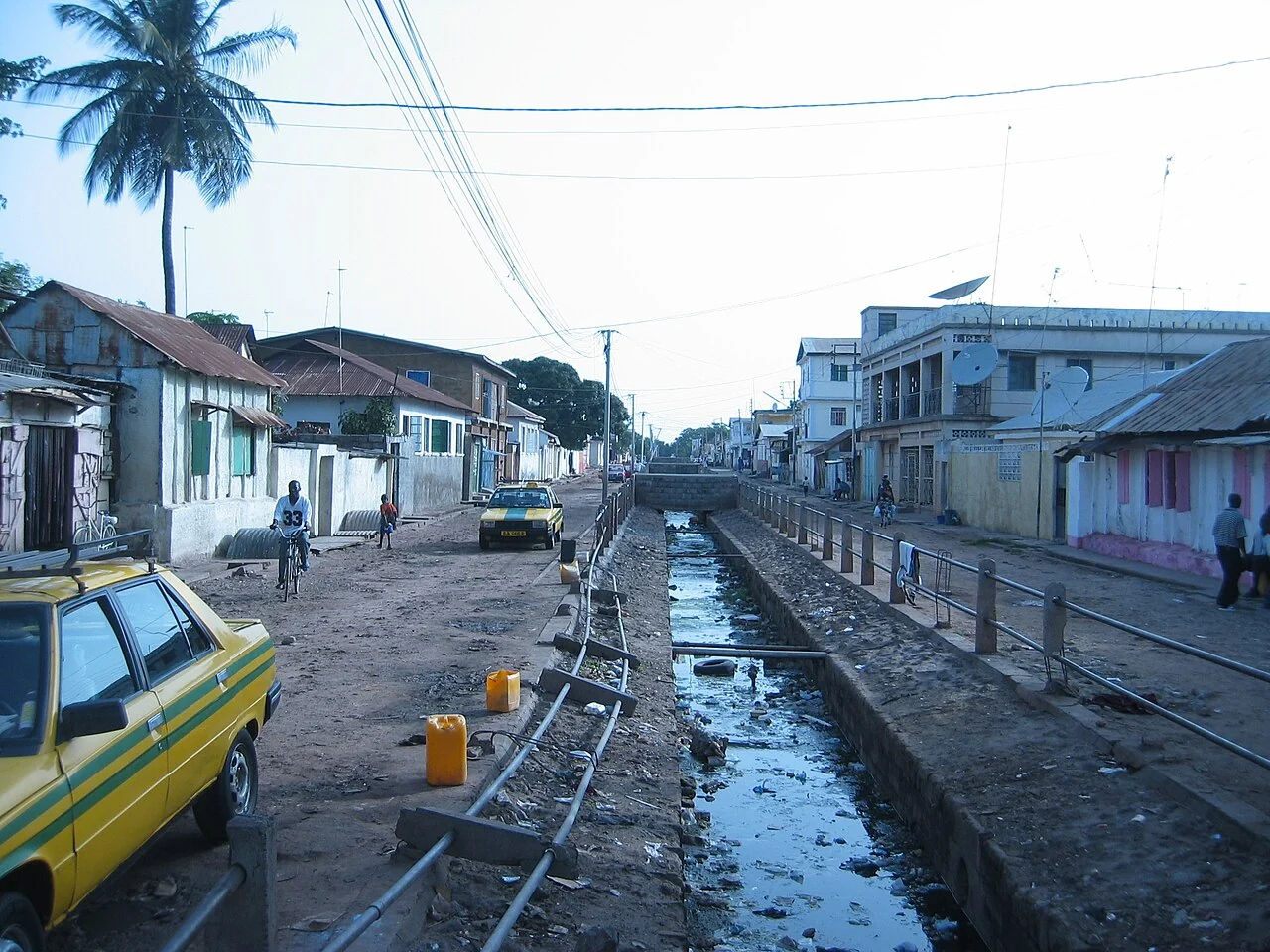

Public institutions and security checkpoints are not photography stops. Follow instructions, stay out of private buildings and ask before taking portraits. An interest in city memory does not confer access to every old building. A sign in a historical photograph is not a current shop recommendation. Decide the rest stop in advance so that looking for shade does not become a search in unfamiliar streets. Treat this as a short connection between questions raised at the museum and contemporary neighbourhood life, rather than a claim to complete all of Banjul.
Albert Market: give shopping its own day
Make Albert Market the principal stop on the second day. Unlike the country guide's brief market pause, this visit begins with your actual shopping needs and allows time to speak with businesses. For fabric, ordinary small items or a portable gift, establish dimensions, material and quantity first. Avoid a bulky bag in crowded passages and keep the required payment separately. Assess what the product really is, not only the price. A lengthy conversation at one stall should not change the group's agreed meeting point.
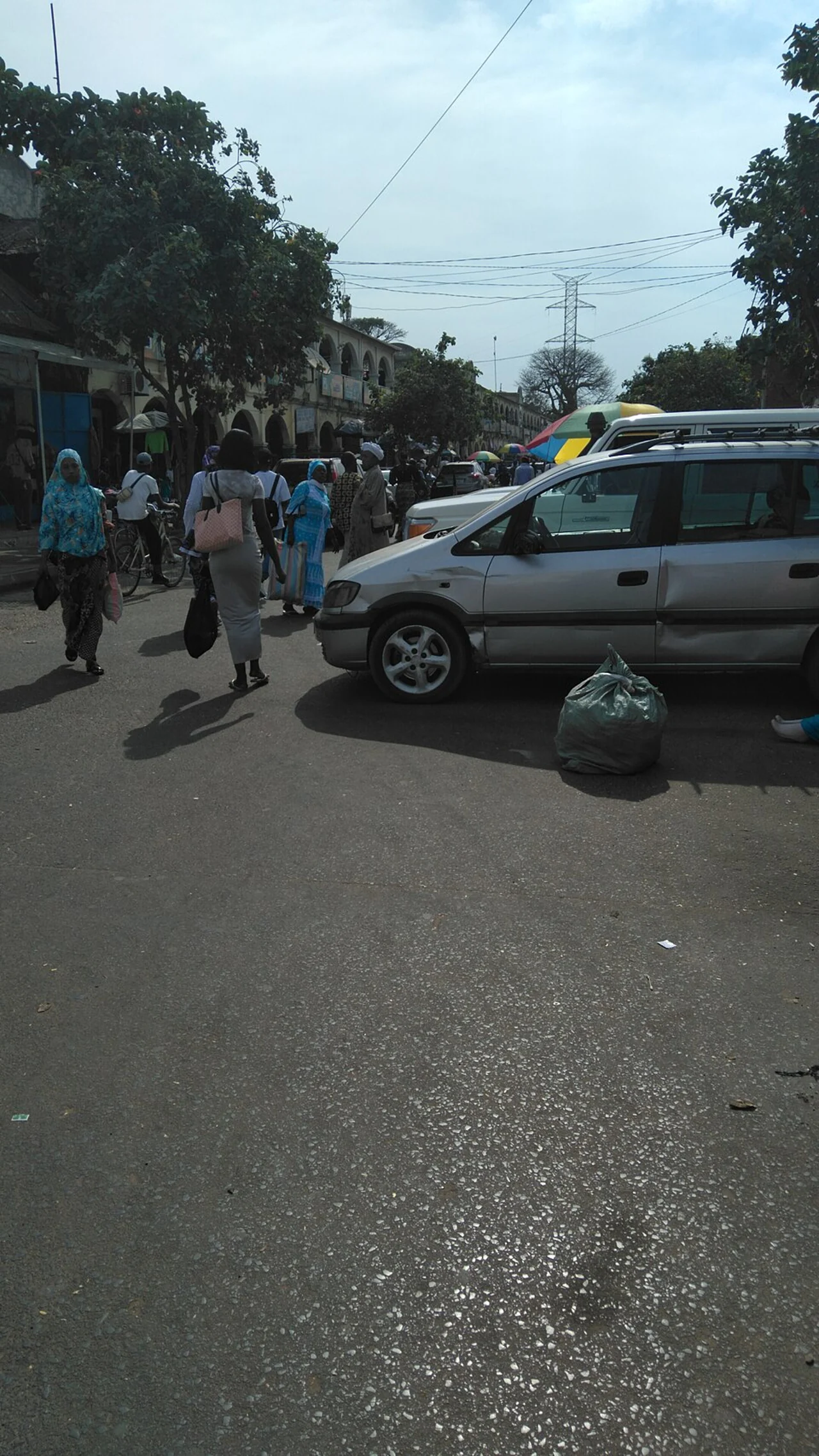

Seeing food ingredients does not mean a stall serves a cooked meal to visitors. Choose a seated eating place separately. Do not obstruct working space; accept refusal when requesting a photograph. If hiring a guide, clarify the fee, any shopping commission and what the service includes. Shorten a tiring visit and bring the meal forward when necessary. Before leaving the market, reconfirm the collection point instead of spending the evening searching unfamiliar streets for a return vehicle.
A meal plan with benachin and domoda
The FAO's Gambian food-composition table records benachin as a rice dish and domoda, in its coastal context, as a groundnut sauce. If available on a Banjul menu, these are concrete options to investigate on the museum or shopping day. They belong to Gambian cuisine, rather than being claimed as recipes originating exclusively in the capital. Ask what fish, meat or vegetables accompany the rice and whether groundnuts are present. A person with an allergy needs to explain preparation and shared-kitchen concerns, not simply recognise a dish name. Asking about serving size or keeping a hot sauce separate can make family ordering easier.
Choose a table suited to the museum area on the first day and the market exit on the second. There is no need to travel to a distant coastal business and back solely for a familiar dish name. Obtain the day's menu and actual price from the venue; an ingredient photograph does not guarantee a plate. Check basic needs such as appropriate seating, water and handwashing facilities. Tatilmerkezi Leyleği places a substantial meal between history and trade, leaving a memory of an understood table as well as shopping bags.
Sleep in the city or come from the coast?
Staying in Banjul can simplify the mornings of two city visits, provided the actual walking and vehicle connections from the hotel are researched. Kotu or Kololi can suit those combining these days with an existing coastal holiday, but outward and return travel must be arranged each day. An airport named for Banjul does not put every accommodation beside the terminal. Give the driver the complete address and clarify the return vehicle, luggage and payment terms in writing. Evening meal access, water, support during power cuts and suitable transport deserve attention before the room photograph.
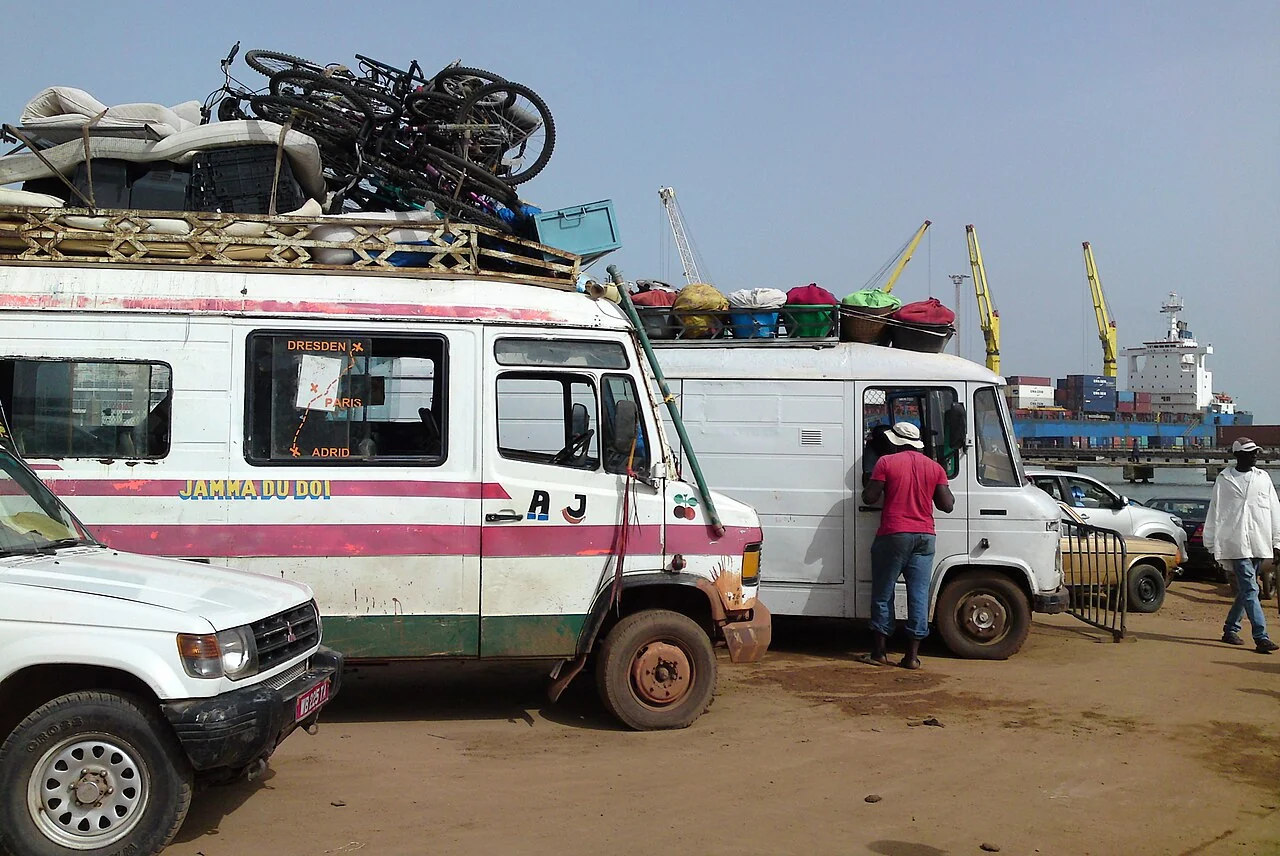

The FCDO source checked on 4 October 2026 warns about petty theft in cities and markets, checkpoints around the capital and road risks after dark. It also flags overcrowding and inadequate safety equipment on the Banjul–Barra ferry. These two city days require no river crossing; do not automatically add that ferry or a long pirogue journey. The official advice also describes criminalisation of same-sex relationships and serious penalties, which should remain visible when deciding whether to travel. Recheck entry and health requirements for your passport. A good result is enough time to understand museum questions and city trade as separate, connected experiences.