
Saint-Louis: two days comparing photography and reverse-glass painting
Tatilmerkezi Stork places two ways of seeing alongside one another on Senegal’s Saint-Louis island: a photography collection and reverse-glass painting. Consider MuPho’s photographic focus on the first day and the Kër Guillabert painting section on the northern island on the second. Before fixing the days, ask the operator which spaces are visitable on your dates, the actual entrance and last admission. This outline is distinct from the country itinerary’s generic river and old-street pause; it serves a more focused visitor interested in understanding collections.
Three nights can separate arrival and departure from two full days. With only one day, choose the collection that most interests you while protecting a meal and a short island walk. Do not imagine all MuPho spaces as one building or a single queue. Recording the operator’s individual names reduces the chance of reaching the wrong door. One companion may prefer photographic history, another colour and technique. You need not admire the same work afterwards; explaining what caught your attention is enough. Weather, fatigue and access arrangements can shorten the outdoor section.
Kër Repentigny: read a photograph as a document
MuPho’s current institutional page connects Kër Repentigny with Saint-Louis photographic history and equipment. It identifies the Photography Museum as a distinct collection focus. Confirm actual visitor access, interpretation language and photography conditions before travelling. A collection description does not guarantee that every archive or artist’s work will be visible on the day.
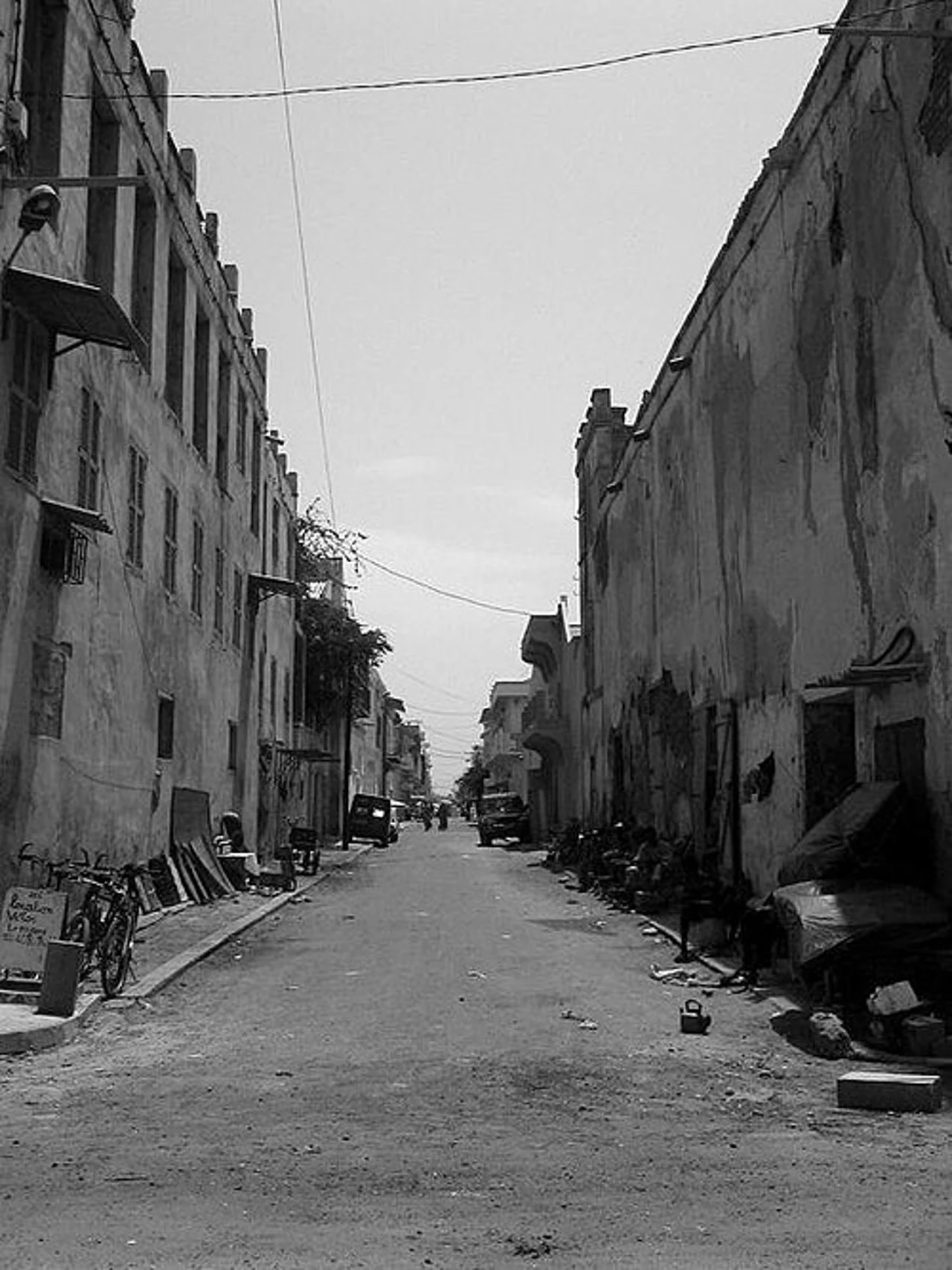

Use three questions for an image: when was it made, how is its location identified, and which part belongs to our own interpretation? If date or place is missing, avoid filling the gap with a guess. Compare a second image and note differences in objects, framing and everyday movement. Finding one small detail can give children a better starting point than memorising a long chronology. Read the interpretation to understand which function changed in a piece of equipment; do not assume touching a display is allowed. Permission to visit and permission to republish an archival photograph are separate. This guide does not present modern exhibition images as licensed artwork reproductions.
Kër Guillabert: a separate morning for painting
MuPho associates Kër Guillabert on the northern island with reverse-glass painting and provides a separate page about this technique. The second day can therefore compare another way of making images rather than returning to the same photography collection. Its description mentions historical and contemporary examples but does not establish which works will be visible on your date or a definite visiting schedule. Confirm the correct entrance and accessible sections beforehand.
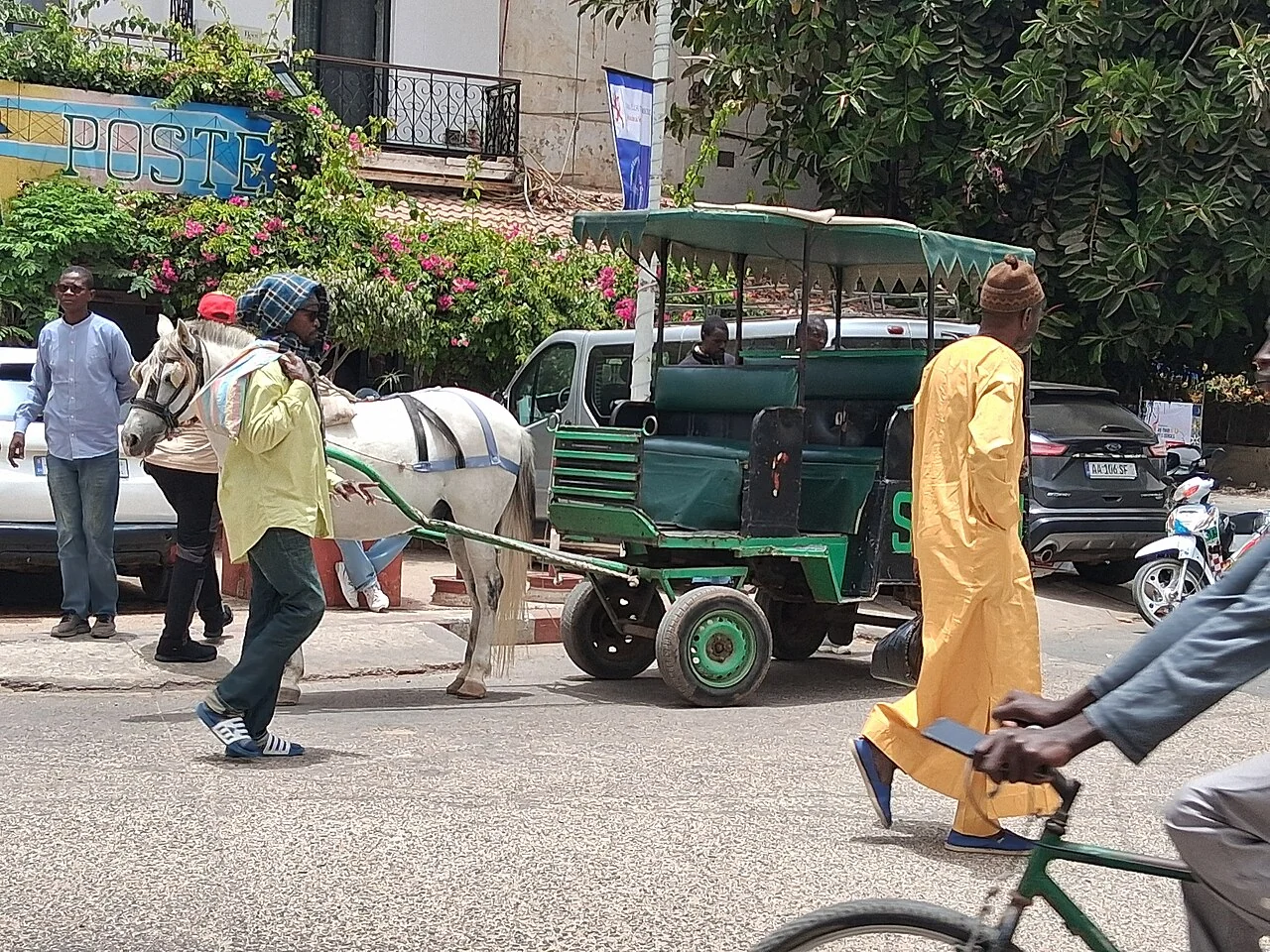

Focus on colour, line and relationships between people in a scene. Do not automatically treat a photograph and a painting as evidence of the same event; their makers may have different aims and interpretations. Where a label explains material and technique, read it before noting your observations. Touching the glass or passing a viewing boundary to reduce reflections is inappropriate. A contemporary artwork’s image online is not a free licence. If a work is offered for sale, ask about separate rights for its photograph or reproduction. A single collection question followed by a seated pause may be enough for this morning without exhausting companions.
Island streets and river: lighten the collection day
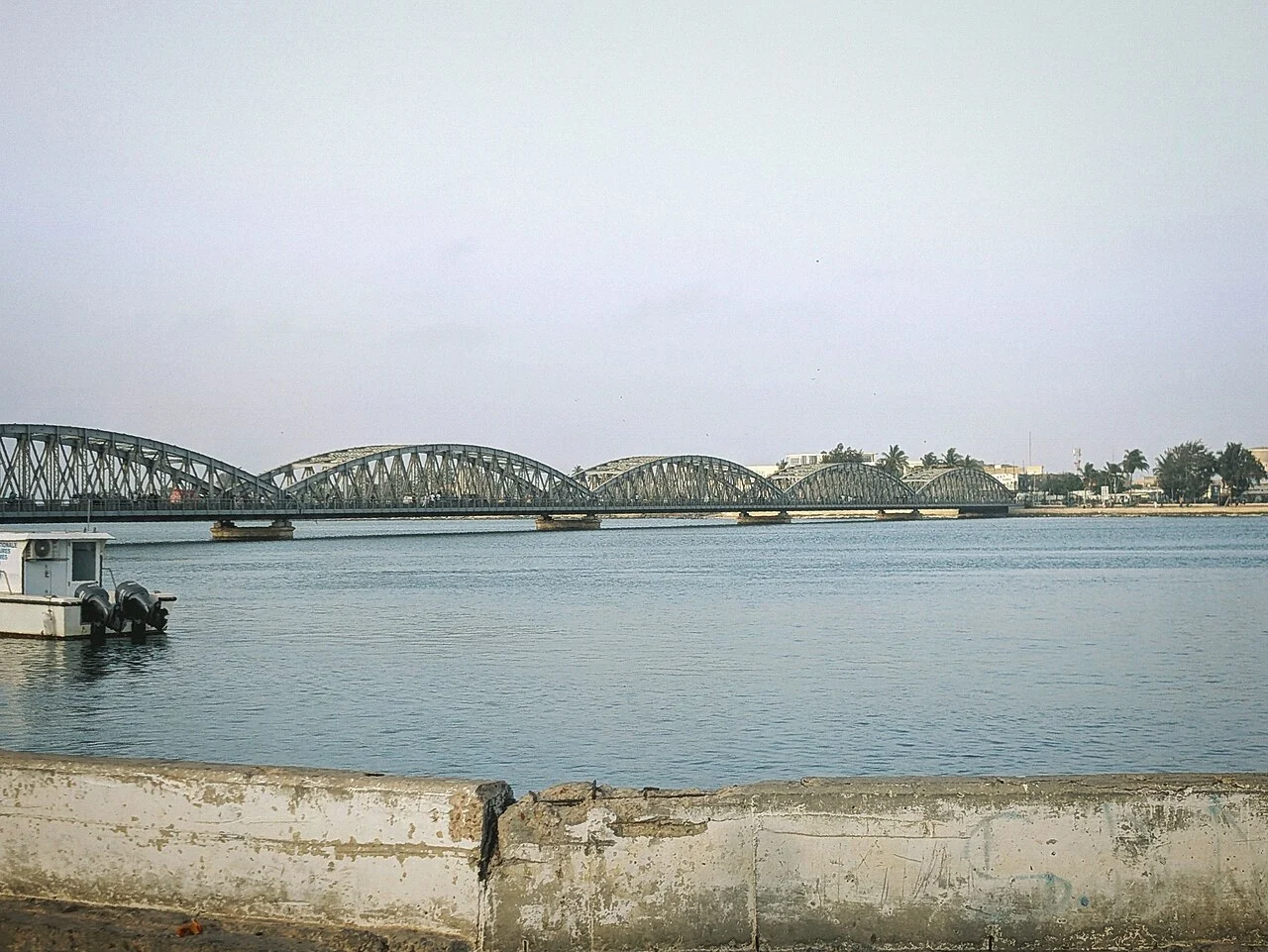
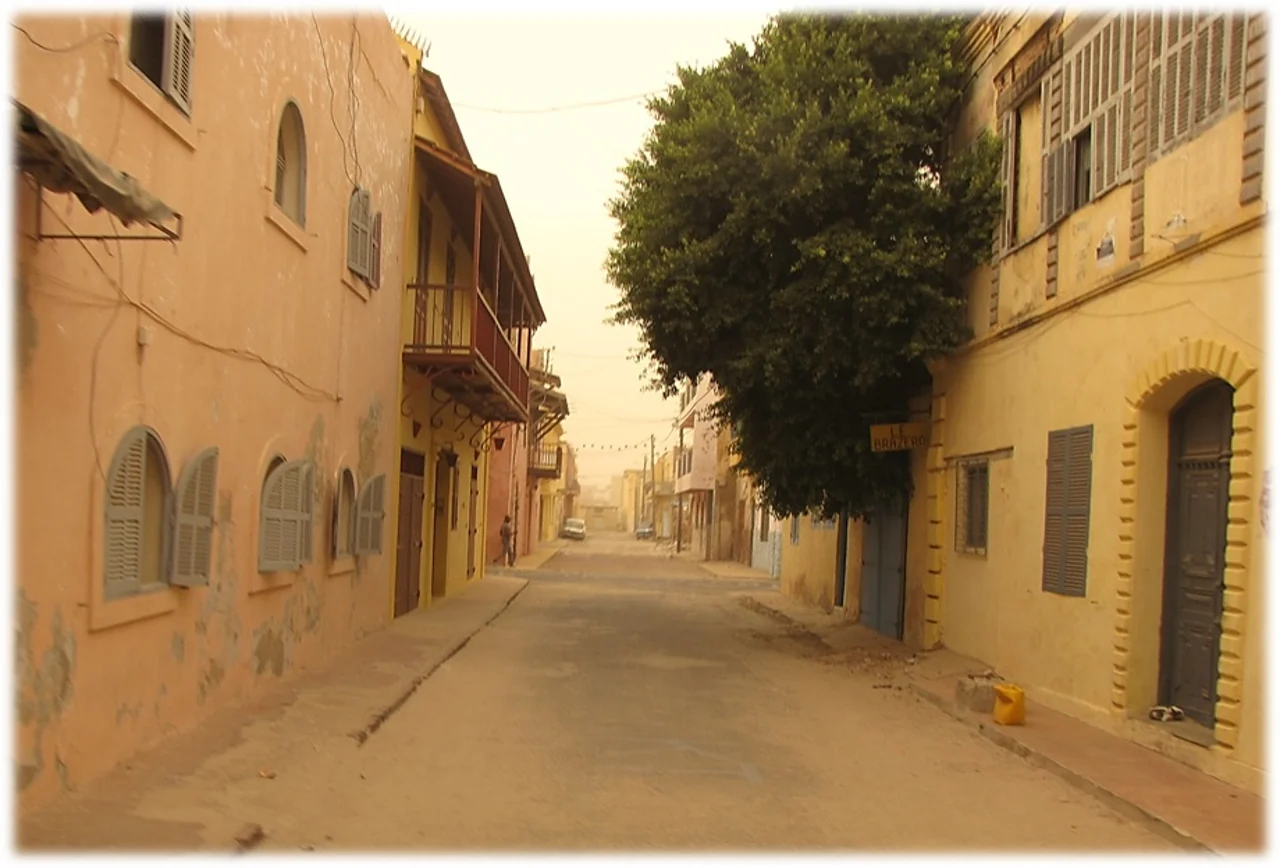
Choose a short southern-island street section after the first collection and a riverside pause after the northern visit on day two. Faidherbe Bridge helps explain the island’s connection with the city, but observing from the shore without obstructing vehicles or pedestrians may be enough. Think of north and south through actual entrances and walking requirements rather than only a photograph list. An old sign in an image is not evidence of a current business or address.
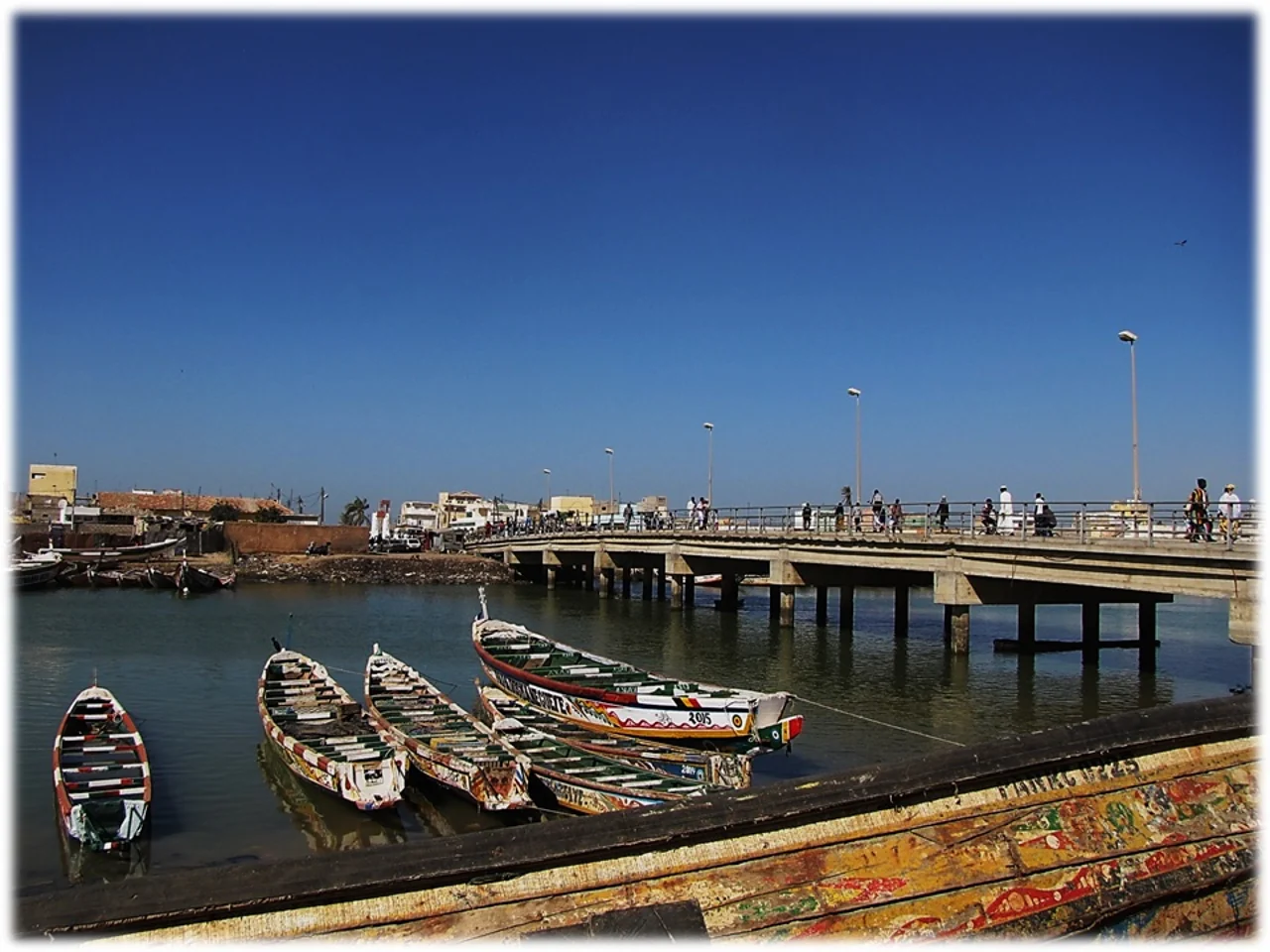

Protect shade, drinking water and a short return option. With children, noticing different doors or windows on two façades can work better than a lengthy street circuit. Ask before photographing people and working businesses; a public street does not oblige you to turn someone’s life into an image. A river or fishing-area photograph guarantees neither safe swimming nor a boat excursion or entry into a working site. This guide does not programme CRDS as an open museum after encountering a maintenance notice. If collection access changes, simplify the day to a short urban section and a meal.
Ceebu jën: choose the Saint-Louis meal carefully
UNESCO records ceebu jën’s connection with fishing communities on Saint-Louis island and variable recipes combining fish, broken rice and vegetables. If offered on your visit, it can complete a collection day with a specific regional meal. Ask about the fish, chilli and portion, and explain fish or shellfish allergies. A vegetable-looking serving need not be free of fish products. Do not expect an identical recipe at every business.

A light breakfast before the first collection and a seated lunch afterwards, then a suitable main meal around the northern-island visit on day two, is a sufficient framework. If food is served for sharing, discuss how it works and whether it suits the group. Talking about which image you remember and why can continue the cultural visit over lunch. A sweet or drink need not replace a complete meal. Assess the actual menu and hygiene; an old festival report or food photograph does not prove a restaurant is currently open.
Arrival, rooms and the right institutional entrance
For an arrival from Dakar or another city, arrange the vehicle, luggage and actual drop-off address beforehand. This guide claims no fixed service, new air connection, journey duration or fare. After a long arrival, settling into your room and eating nearby may be more comfortable than racing for admission. Read current official travel advice, avoid demonstrations and crowd incidents, keep valuables out of view and do not force an unfamiliar walking route after dark.
An island room may simplify collection connections; with accommodation on the mainland, include bridge crossings and the dinner return. Stairs, noise, the entrance and late-arrival arrangements matter alongside the view. Do not confuse MuPho’s contact address with each space’s visiting entrance, or its Dakar gallery with Saint-Louis venues. Sources were checked on 4 October 2026. Match both institutional focuses to actual access before adding walking and meals, so two days support a concrete comparison of photography and painting rather than another version of the same generic city paragraph.