
Warangal and Hanumkonda: Kakatiya traces across two days
Tatilmerkezi Stork plans Warangal as a city visit broader than a single fort photograph. The open-air remains of Kakatiya history and the living temple surroundings towards Hanumkonda call for different amounts of time. This four-calendar-day, three-night plan uses arrival day, a Warangal Fort day, a Thousand Pillar Temple and selected lake day, then departure. There are two complete sightseeing days; all four calendar days are not counted as full visits. Even if you have already explored Hyderabad, the route does not repeat the capital’s monument list under another city name. Its purpose is to compare stone workmanship calmly, respect the rhythm of worship and place a concrete Telangana meal between urban connections. Check Hanumkonda separately when reading accommodation and driver addresses. Assuming that all stops share one neighbourhood can make a short programme unnecessarily tiring. Choosing a few coherent visiting clusters is more useful than collecting every attraction promoted across the wider region.
Warangal station and the urban vehicle meeting
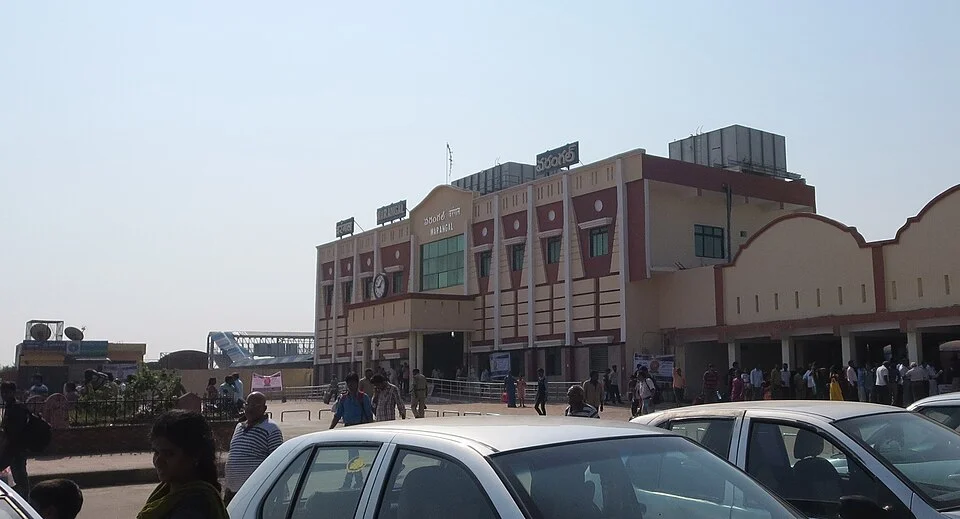
The national tourism record identifies Warangal Railway Station as a city connection. Send the accommodation the exact station printed on your ticket and discuss the pickup exit. If another connection such as Kazipet appears on the booking, do not treat it as the same station entrance. An air arrival through Hyderabad also involves an onward intercity transfer. Count that transfer within arrival day rather than promising immediate sightseeing at the fort after a flight. Luggage and a meal, followed by agreement on the next morning’s vehicle, make a calmer beginning. Save the individual stop addresses so that your driver does not search for you at another gate on the return. Check railway and road arrangements with current operator information for the travel date. The historical station photograph offers general context rather than today’s exit or traffic diagram. Establish the final pickup point when agreeing the morning visit, especially if members of the group might finish walking at different times.

Warangal Fort: walk between gateways and remains
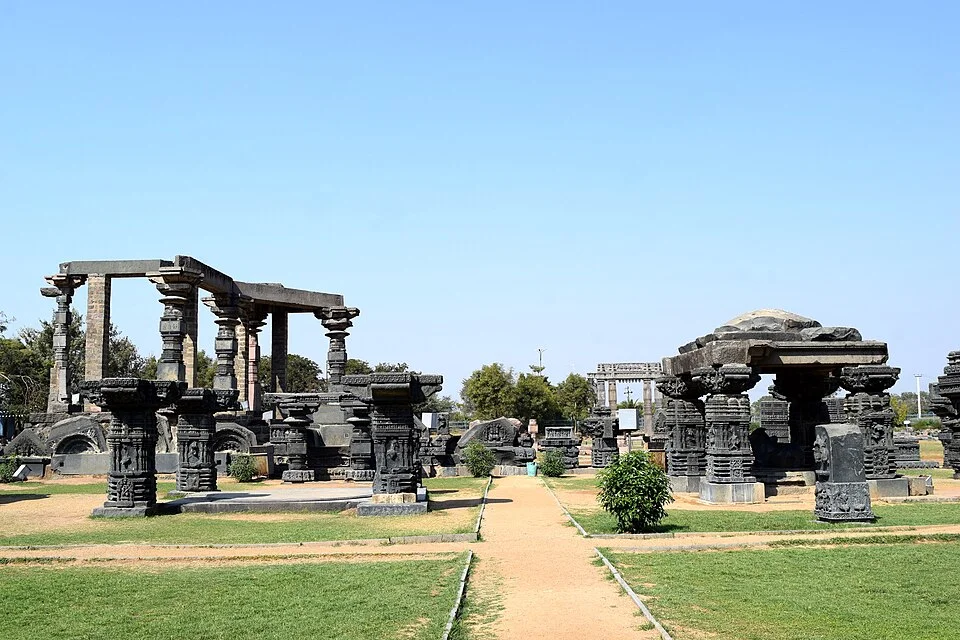
The principal destination on the first complete day is the Warangal Fort area. Begin by looking at the gateways and remains together, then approach individual details. Rather than trying to collect every stone fragment in one photograph, pause at two or three positions to compare the surviving arrangement. Keep to visitor routes and respect conservation boundaries. Climbing old stonework or touching a carved fragment is not necessary for a closer view. Learn the current ticket, permitted areas and closing arrangement from staff or the responsible institution. Historical material on a promotional page is not an operating timetable. Split an extended open-air visit with a proper rest when midday conditions are hot. If considering a short additional visit at nearby Khush Mahal, enquire about its separate admission arrangement. Proximity does not establish that the same ticket or schedule applies. A lighter evening after returning to the accommodation helps the morning’s attention to stone details remain unhurried. The city day can feel complete without adding a distant excursion after lunch.
Thousand Pillar Temple: the focus of the Hanumkonda day
The second complete day can begin at Thousand Pillar Temple towards Hanumkonda. District visitor information discusses the site as Kakatiya heritage within a living worship environment. The ancient inscribed stone photograph shows a separate detail of that heritage; it is not described here as a complete exterior view of the temple. On site, observing the relation between pillars, platforms and stone surfaces can form the beginning of your visit. Ask about footwear, clothing and photography directions before entering. Do not assume that every interior space forms a universally accessible tour corridor. A ceremony or local visitor pressure may require a shorter walk. A quiet pause and a detailed architectural examination meet different interests within the same stop. Take a meal break before the lake connection. Because the programme does not force a distant Ramappa visit into this same afternoon, it can retain time for patient observation and the group’s different walking speeds. Leave space to change the day if access or conditions call for it.


Bhadrakali surroundings and the limit of the Waddepally alternative
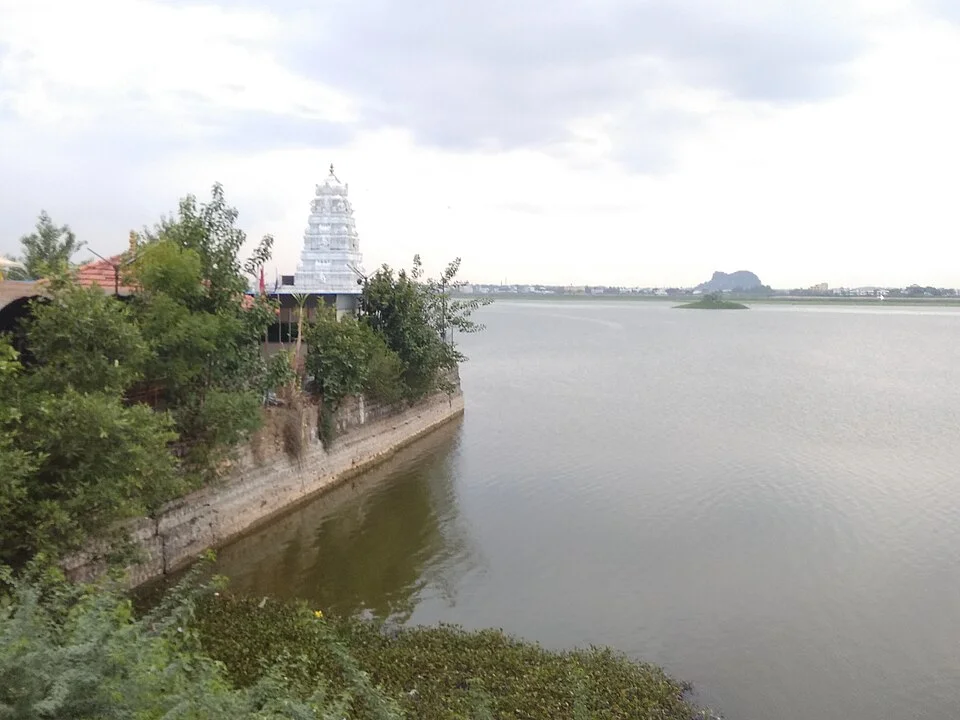
Bhadrakali Temple and its lake surroundings offer a second context on the Hanumkonda day. The district account presents these together, but examine the bank within local visitor boundaries first. Temple admission and lakeside walking conditions are different matters. If an open safe route is unavailable, a brief look at the surroundings can be sufficient. Waddepally Lake provides another Hanumkonda water landscape as an alternative. Seeing both lakes in sequence is not compulsory. The source panorama records an earlier appearance, not the operation of a current boat service or suitability for swimming. This guide does not recommend swimming or walking a complete circuit of an unverified shoreline. Choose the lake pause according to the temple day’s energy and transfer arrangements. A known return meeting can help a short landscape visit complete the afternoon without turning it into an extended countryside trip. A view, a pause and an easy meal afterwards can be more rewarding than repeatedly adding another water stop.



A sarva pindi meal and an evening in the city
For a concrete Telangana taste, enquire about sarva pindi. The national tourism website’s Warangal itinerary associates it with a visiting programme; it is not presented here as an invention exclusive to Warangal or a product available in every kitchen each day. Where offered, a small portion can provide a food pause between the stone visits. Rice flour, pulses and spices are relevant ingredients to ask about, but preparation varies, so check the current recipe with the kitchen where necessary. For a main meal, establish what accompanies the chosen dish and favour an address close to the visiting cluster instead of embarking on a distant food hunt. A quiet meal after the fort on the first evening and after the temple or lake on the second may be enough. A shared product name does not prove an identical portion, heat level or price throughout the city. The regional meal is part of the same practical day as the sightseeing rather than an unrelated list of dishes to collect.
The accommodation base, an extra Ramappa day and departure
Compare addresses on the Warangal and Hanumkonda sides against the two daily visiting clusters. A station connection may favour one location and the Thousand Pillar Temple direction another; the actual hotel address decides the comparison. Clarify late reception, the vehicle meeting and final-day luggage storage. Ramappa, Laknavaram and Pakhal may appear alongside Warangal in promotional material, but they are not inserted into this route as neighbourhood strolls. If one is the main attraction for you, provide an extra complete day and plan the outlying connection separately. This guide does not assert a definite UNESCO World Heritage inscription for Warangal Fort or transfer the status of a different site to it. Day four remains breakfast and departure. Completing shopping and packing the previous evening protects the morning connection. Sources were checked on 4 October 2026. Recheck current visitor arrangements for your date, then retain the two-day balance between stone heritage, worship surroundings and a concrete regional meal. Additional time can deepen the route without making the basic city stay excessively ambitious.