
Le Mans: urban layers rather than a race-day route
Although Le Mans is associated with motor racing, this guide serves travellers who want to read two cultural layers without visiting the circuit. The Tatilmerkezi Stork connects the Egyptian collection at Musée de Tessé with the stone, timber and street fabric of Cité Plantagenêt. Plan two nights and three calendar days: a light urban introduction on arrival, one complete cultural day in the middle, and departure the third morning. A circuit or motoring-museum visit answers a different need; adding it requires genuinely separate transport and time, not a quick name inserted between central stops.
After checking in on the first evening, locate the museum entrance and your return point from the old town on a map. For arrival from the station, assess present operator connections or a prearranged transfer; there is no fixed train-time or universally valid city-ticket promise here. Consider uneven paving, slopes and luggage when choosing how to reach the upper neighbourhoods. The evening's purpose is not to finish the entire historic centre but to establish a comfortable starting point for moving between the next day's two main focuses. Keep the first walk easy to shorten.
Tessé: Egyptian interpretation, original objects and reconstruction
The current official tourism listing describes Musée de Tessé's Egyptian gallery for the 2026 visiting period. Its address is 2 avenue de Paderborn; the weekly programme runs Tuesday to Sunday with a midday break. A Monday arrival can therefore place the full day on Tuesday, subject to checking exceptional closure notices. In the gallery, distinguish an object from a recreated tomb setting: seeing an interpretation in Le Mans does not mean entering the original tomb in Egypt. That difference provides a clear question to carry through the museum visit.

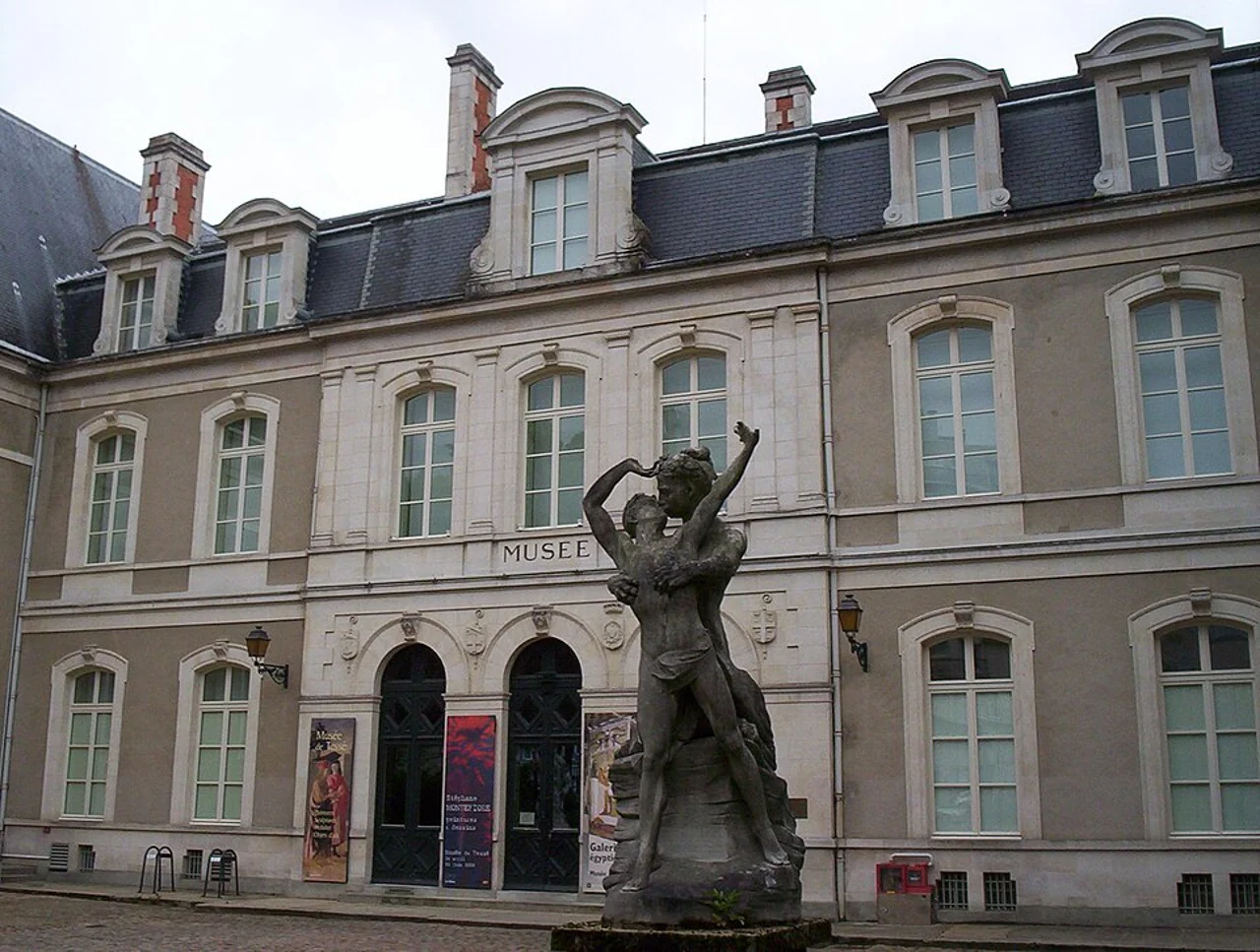
Rather than memorising a long chronology for every object, ask how it is presented. Does the interpretation emphasise a named person, a practical use or a ritual? Reading these relationships is more useful than counting display cases. Confirm actual accessible areas, photography rules and any group conditions with the institution. The historic museum-exterior photograph here does not show the Egyptian gallery; the sculpture in front is a separate historical artwork. Pause to note two objects that interested you before moving into the old town. A rest between indoor interpretation and street walking is part of the plan, not an interruption to it.
Do not treat Carré Plantagenêt’s closed permanent route as open
The permanent visitor route at Musée Jean-Claude Boulard–Carré Plantagenêt is listed as closed for renovation. The official tourism description separately announces a temporary stained-glass exhibition until 31 October 2026; that exhibition does not establish reopening of the permanent archaeology route. A short additional visit can be considered if the date and access are reconfirmed, but do not abandon the Tessé focus for an itinerary promising the entire collection. Knowing which part of an institution can actually be visited matters more than merely finding its name on an attraction list.

Cité Plantagenêt remains a strong exterior street focus even without the temporary exhibition. Use the tourism office's current urban map or QR-supported route as a starting point. Consider phone battery, an offline map and suitable resting places; digital information is not a booked guided tour. Do not assume that every street has equivalent accessibility. Separating the closed permanent museum information from the interpretation of the outdoor historic setting avoids waiting pointlessly at a door and gives the city day a realistic structure. It also leaves space to make a deliberate choice rather than filling a gap with an unrelated attraction.
Pilier Rouge and the walls: walk from detail towards the whole
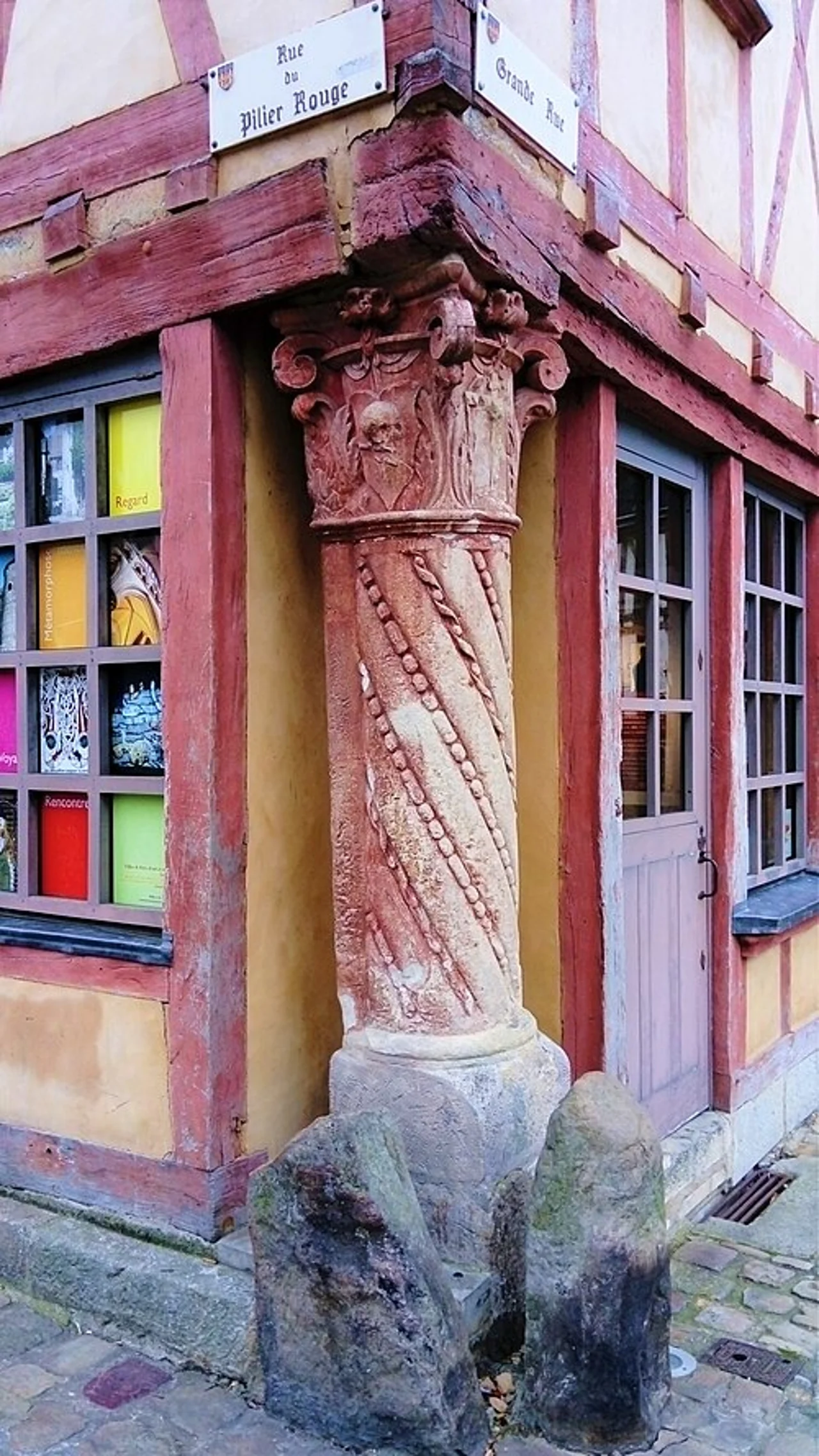
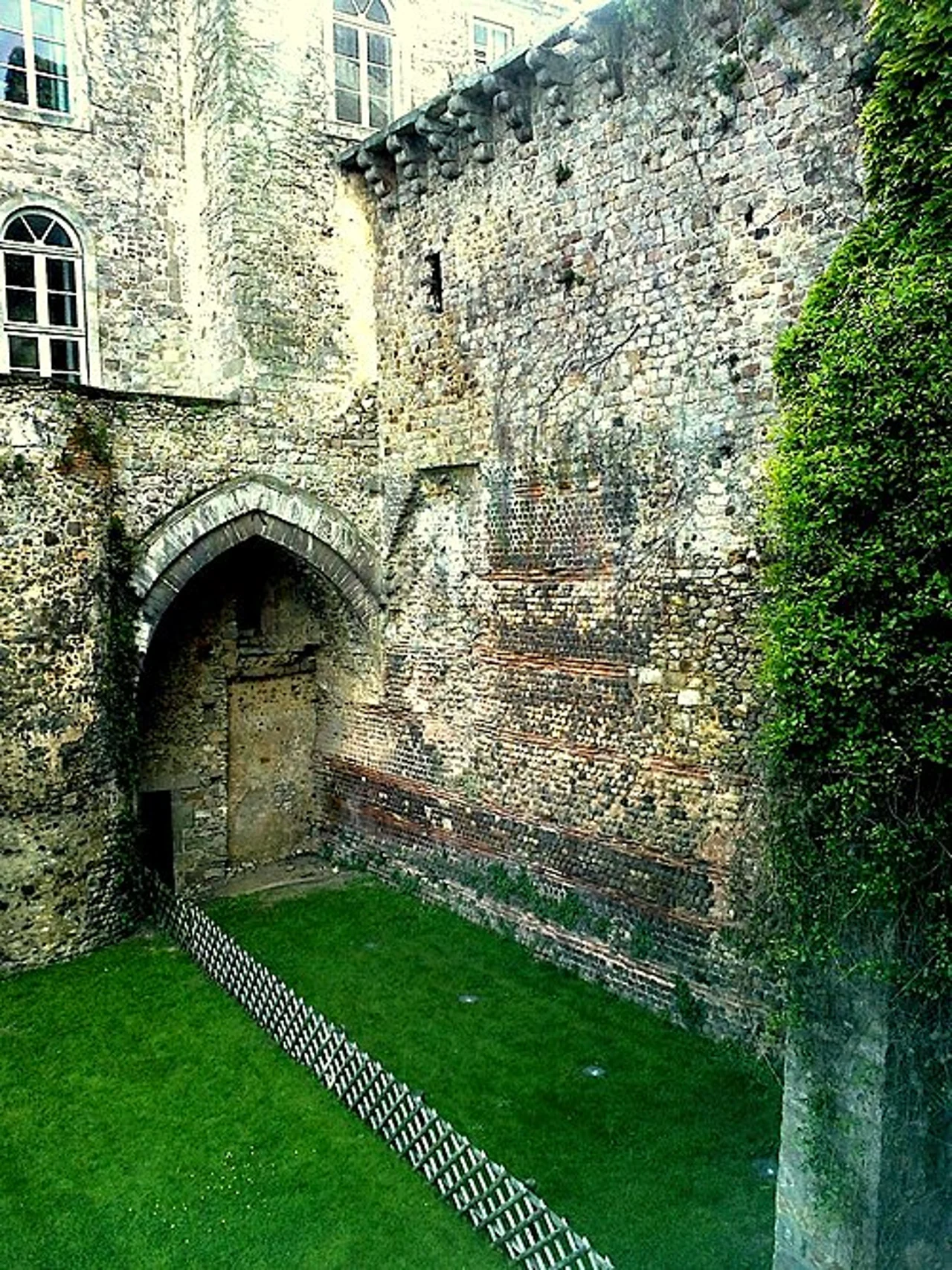
Begin the old-town walk with a corner detail around Maison du Pilier-Rouge. A pillar, timber storeys projecting in relation to the street or a small doorway offer a different scale from a large cathedral image. Reading those exterior details does not require access to every internal floor. Continue by an appropriate open route towards a visible section of the walls. Looking at stone and brick patterns, the slope and the settlement above them provides a way to think about the relationship between defensive structure and urban fabric, rather than treating the wall as an isolated photograph.
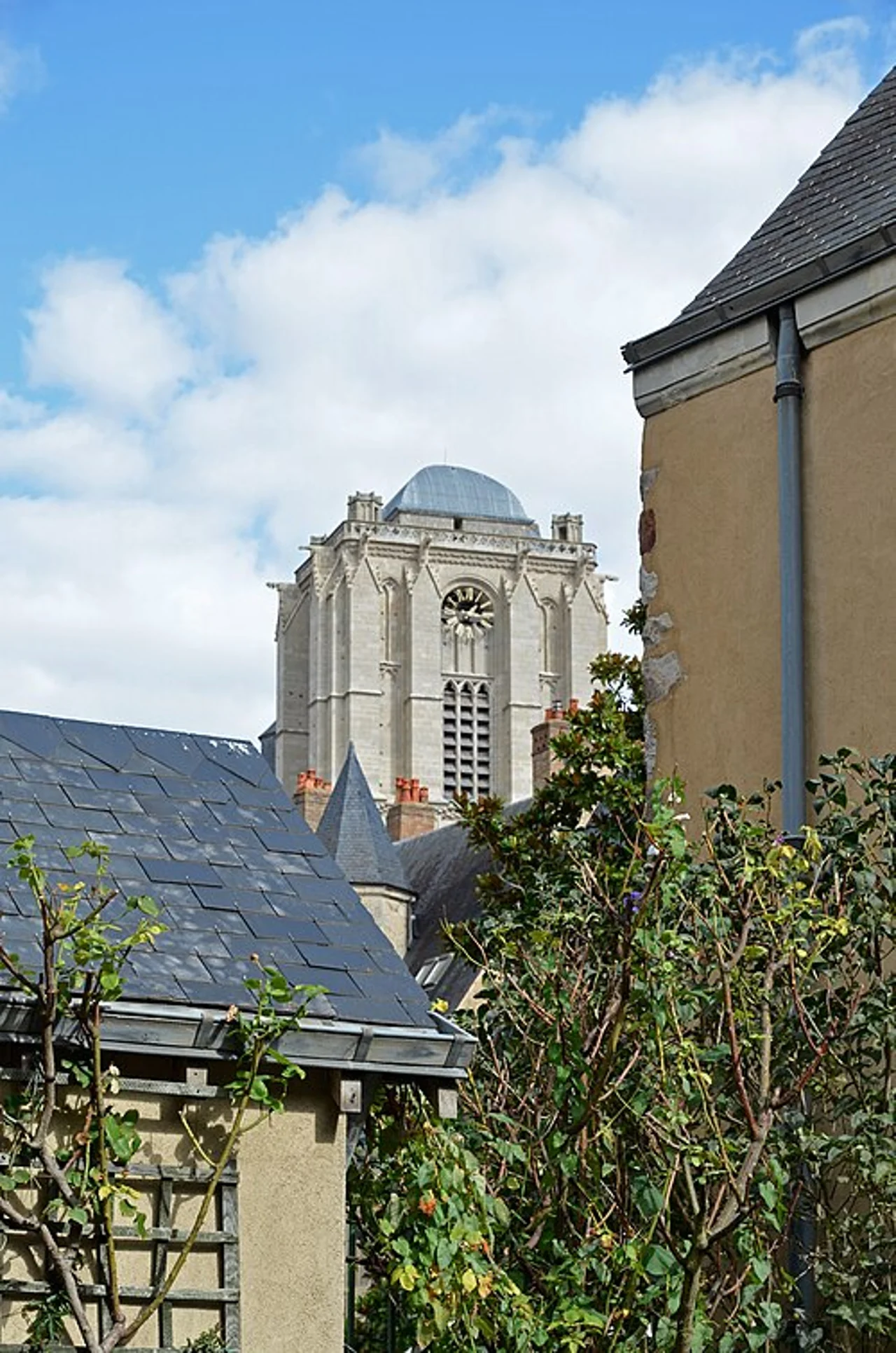

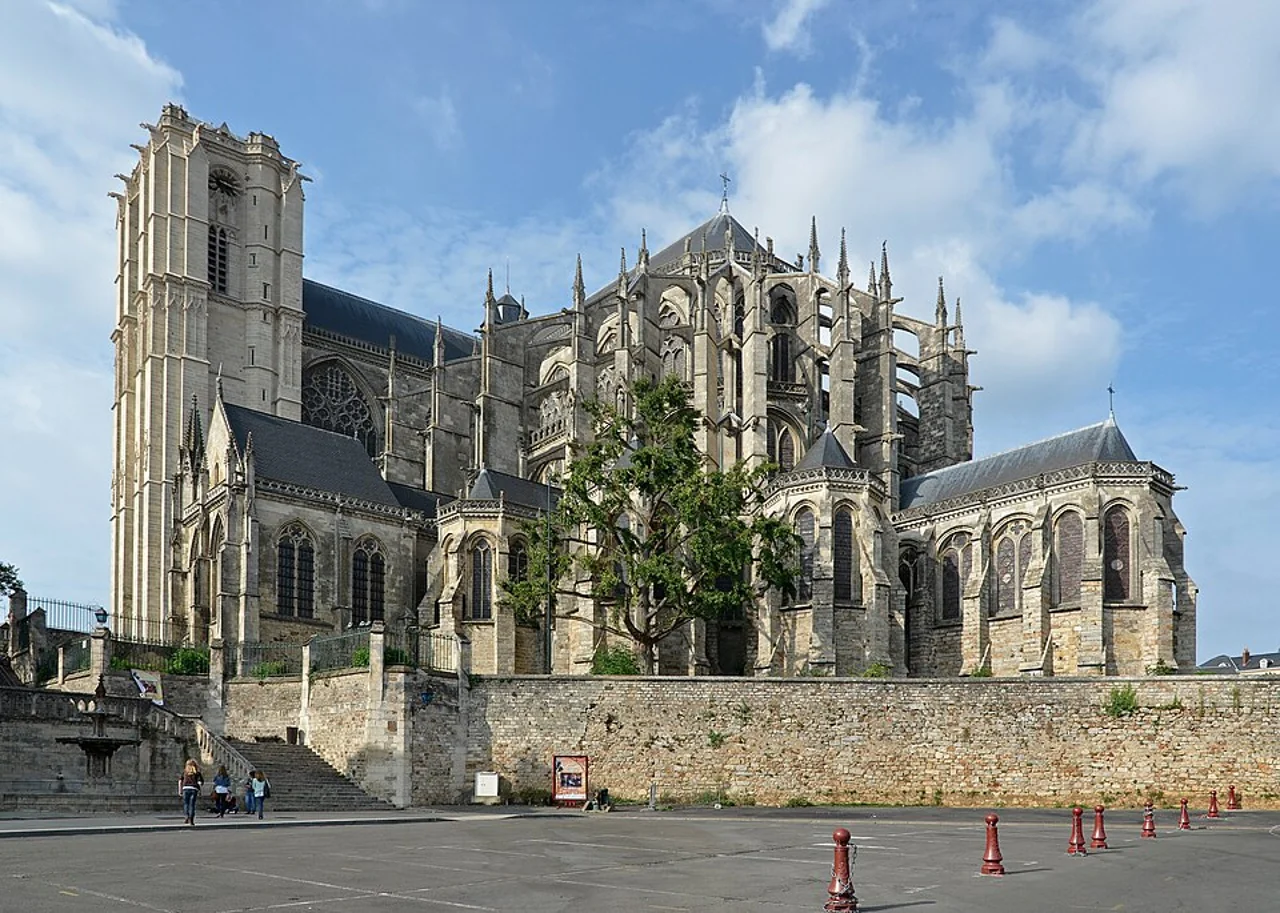
The exterior surroundings of Saint-Julien Cathedral can complete this loop. If entering, find out worship conditions, visiting hours and photography rules separately; a church is not a city performance. Seeing the same building from the square and spotting a tower through a narrow street creates different readings of urban scale. Do not step into traffic for a photograph, and choose a shorter return if stairs are unsuitable. The goal is not to count every historic building but to establish your own comparison between a small façade detail, a large structure and the line of the walls. Keep the route flexible enough to rest.
Rillettes as a food choice: fresh pots and cans differ
For a concrete meal focus, consider the Le Mans rillettes described by Maison Wiest itself. The producer identifies this as a pork product and distinguishes fresh pots from canned versions. If choosing rillettes with bread for a meal or a small tasting, ask what serving format is offered that day. Do not describe it as vegetarian. A fresh product requiring cold storage and a shelf product prepared in a can are different purchases; the current label and seller's explanation should determine handling, rather than an assumption based on how similar the contents look.

If a shop purchase alone does not meet your need for lunch after the museum, assess the actual menu of an open food business separately. Trying rillettes does not require buying a large container: discuss ingredients, portion and storage needs. No price, stock, complimentary tasting or standard accompaniment is guaranteed. Travellers who do not eat pork can seek suitable alternatives instead of treating the regional example as compulsory. On a long onward journey, conditions for carrying food belong in the meal decision too. Street and museum photographs do not depict a restaurant plate and must not be used as evidence of a current menu or service.
Accommodation, return transport and the third morning
Choose accommodation by balancing an old-town walking focus against convenient station connections. Staying in a historic upper-neighbourhood building can be appealing, but check stairs, luggage access and nighttime transport using the actual address. Do not select connections to Tessé and dinner solely from the view in a promotional photograph. After the complete day, a safe shorter alternative return route may be useful; it need not become a second full urban tour. An address that suits arrival with luggage and departure with food purchases can be more practical than one chosen only for its period character.
The third morning is for breakfast, luggage and departure; this two-night programme is not counted as two full museum days. Check institutional notices, the actual transport ticket and the chosen food business's service to avoid closures or midday breaks. The Stork takes away three questions: how an Egyptian object is interpreted, how small details and large structures compare in the old town, and how a regional product should be stored. Sources were checked on 5 October 2026, while photographs have their own earlier dates. The permanent-route closure must be reconfirmed if the date changes, and it should remain visible rather than concealed beneath a list of attractions.