
KuGompo City: two urban days with the East London name
The Tatilmerkezi Stork pauses on South Africa's Eastern Cape coast for two collection days. The official 2026 name change introduced KuGompo City, while the museum's proper name and many addresses remain East London. Search with both names and distinguish the city from the eastern districts of London in Britain. This is not a relabelled national coastal circuit: it serves a visitor comparing natural and maritime interpretation on the first day with a separate art institution on the second. Three nights can leave two complete days between arrival and departure. Trying to reach Durban or Gqeberha on the same afternoon weakens that purpose.
Begin by marking the actual accommodation doorway, museum entrance and gallery separately. Proximity on a map does not establish a safe or step-free walk. A principal visit, seated lunch and one short additional stop offer a manageable rhythm. Use arrival day to settle transport, the return meeting point and the next institution visit. Do not convert a late arrival with luggage into a long coastal exploration. The Stork's curiosity prefers seeing a detail clearly to counting doors: give each day a different question rather than making one repeat the other.
Day one: East London Museum and the story of the sea
The museum's own visitor page identifies 319 Oxford Street and its natural, maritime and cultural collections. Begin by asking how a natural specimen raises different questions from a historical object. The photographed coelacanth holotype is a natural specimen, not a meal or a living aquarium fish. Read the collection label to distinguish species, discovery and preservation. Choose an object for careful looking before moving towards maritime or cultural interpretation. The 2025 photograph does not establish today's display layout or access to every room. A concise note can be more useful than another sequence of hurried images.
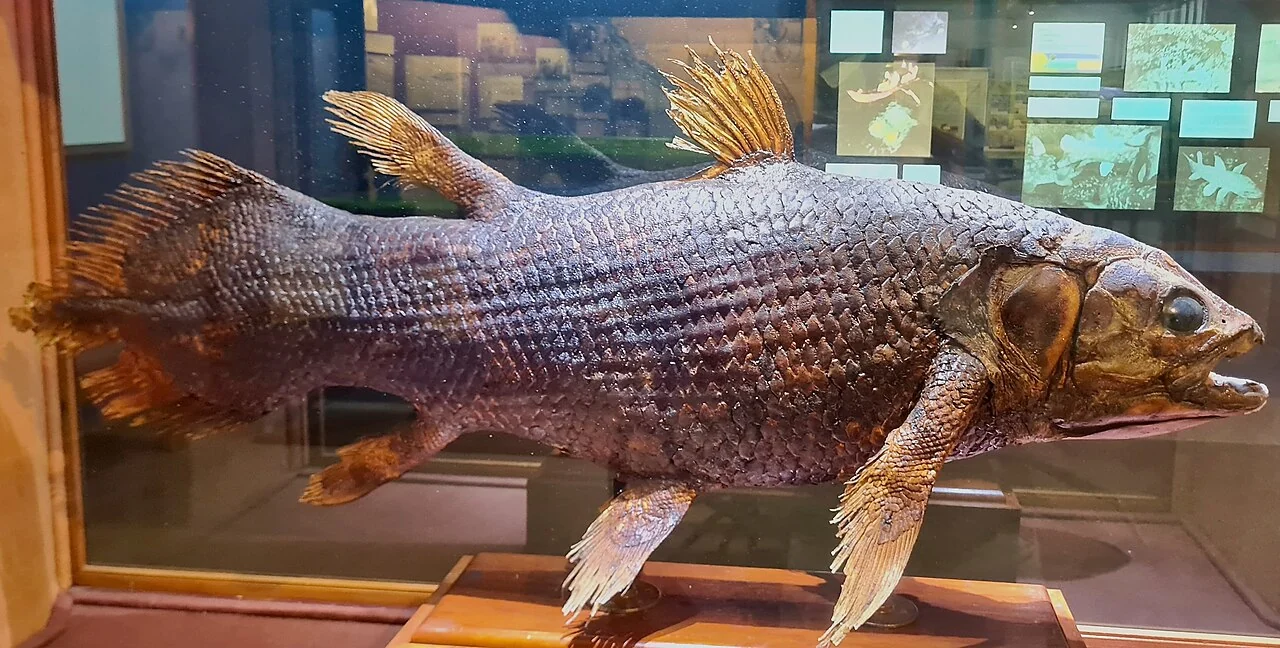

The institution publishes Sunday and public-holiday closure, with shorter Friday and Saturday arrangements. Place this day on an actual opening day and avoid arriving near closing; take current admission information directly from the museum. Ask about available sections, photography and mobility access at entry. A family or visitor who walks less can choose one gallery and a rest rather than follow every case. Put lunch after the visit to reduce pressure to leave a collection midway. Institution interpretation provides a starting point for connecting an object to its town, without requiring an invented first-person discovery story.
Day two: the Ann Bryant building and a separate art visit
Ann Bryant Art Gallery's own current website lists collection and event sections and the address at 9 St Marks Road. This is not a room of the museum but an independent institution for the second day. Contact the gallery directly for the actual visiting window, accessible spaces and exhibition conditions. A current poster online does not establish that the same event continues on your date. With a real response, place the visit before lunch; without one, do not promise an interior appointment. Consider the building approach only from a permitted public position.
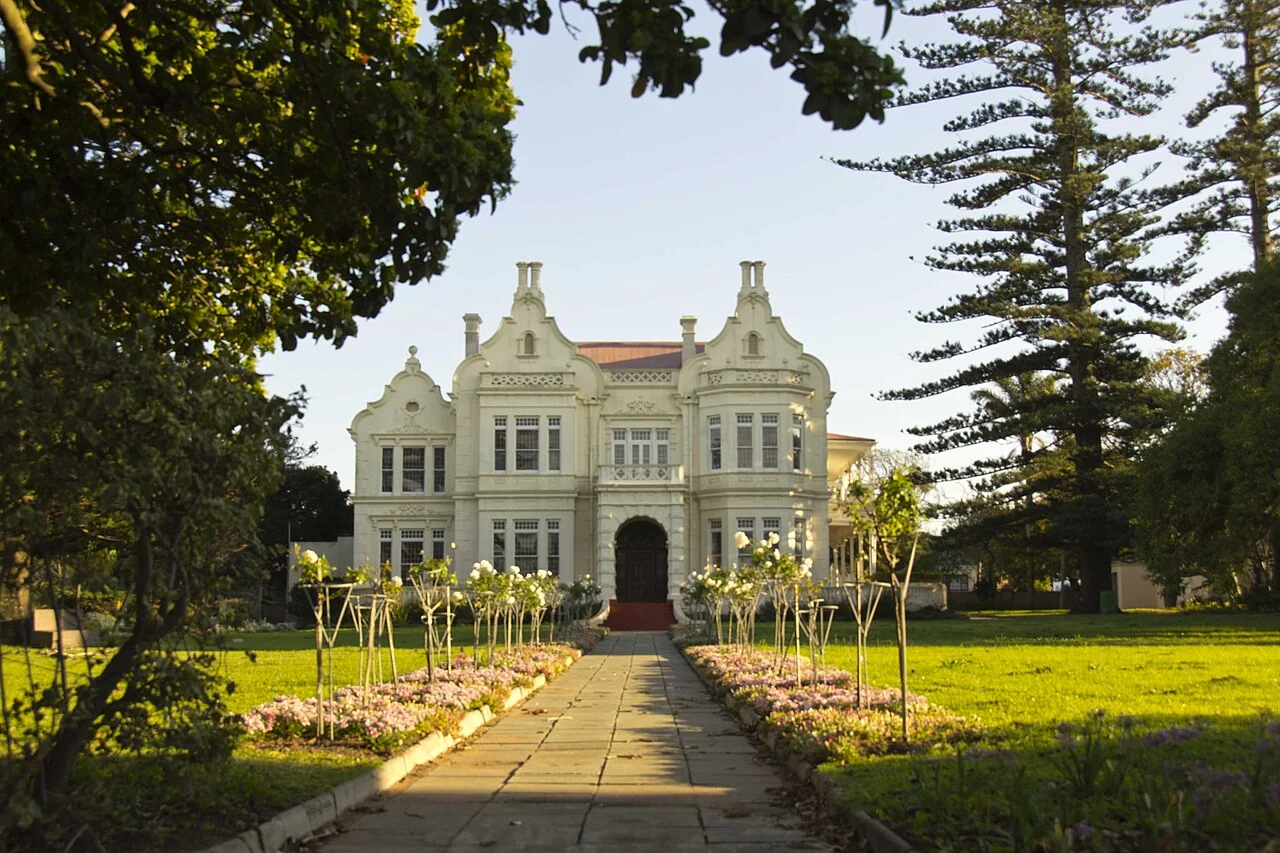

Comparing a museum specimen with an interpreted artwork offers two ways of looking. Discuss material, labels and presentation rather than assuming that admission grants permission to publish images of artworks. The guide uses an exterior photograph of the historic gallery building, not an unlicensed contemporary painting. A small notebook can make it easier to think without recording every work on a phone. If the institution response is delayed, use the previously planned public urban branch and a relaxed meal instead of filling the day with an unsupported access promise.
Urban elevations: City Hall and the old bank
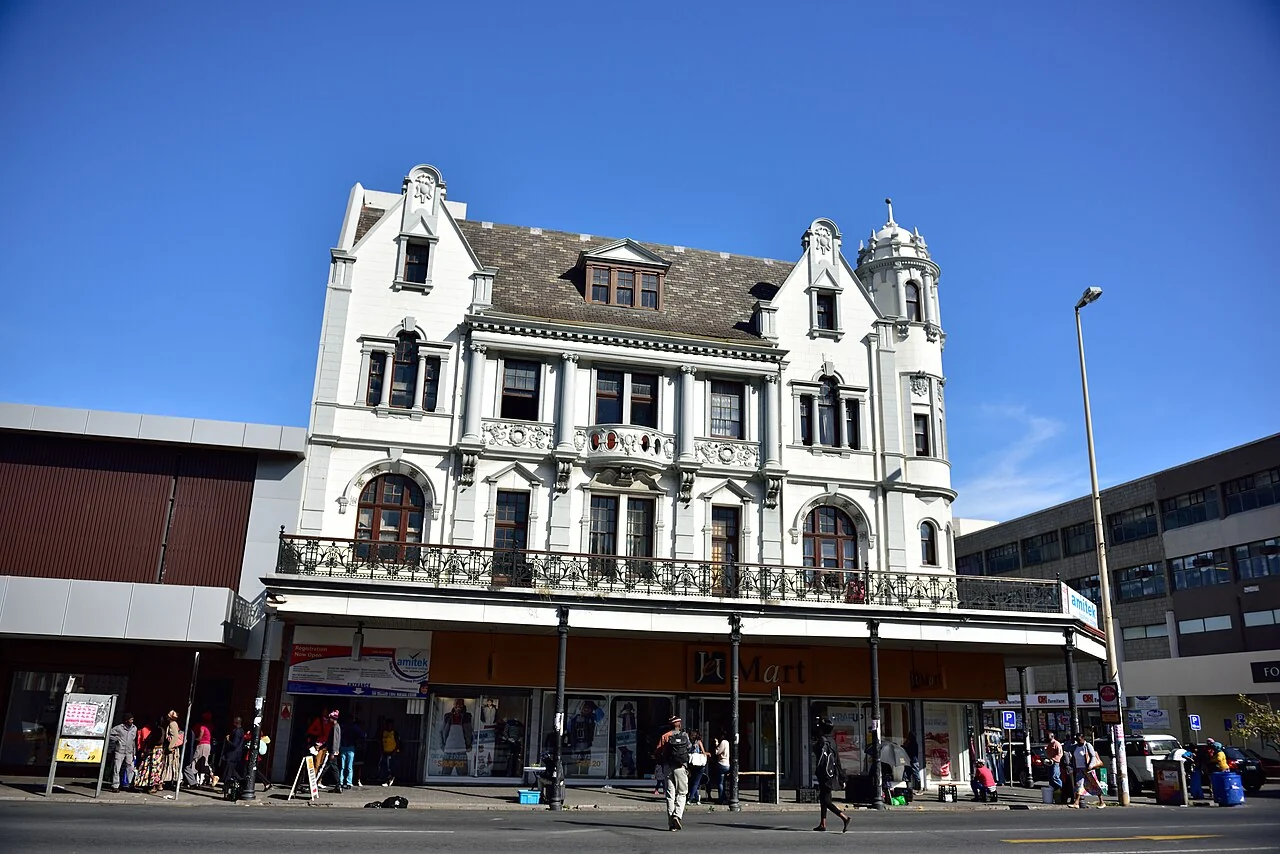
City Hall and the Old Standard Bank exterior offer another scale outside the collections. Compare how civic administration and historic commercial architecture meet the street. Their dated photographs do not establish present visitor admission or unchanged occupants. Corners, eaves and the relationship to the street can be considered without entering. Match a short daylight branch with actual vehicle drop-off and collection points. Stay out of traffic when looking for a photograph, and avoid blocking entrances or people going about their work.
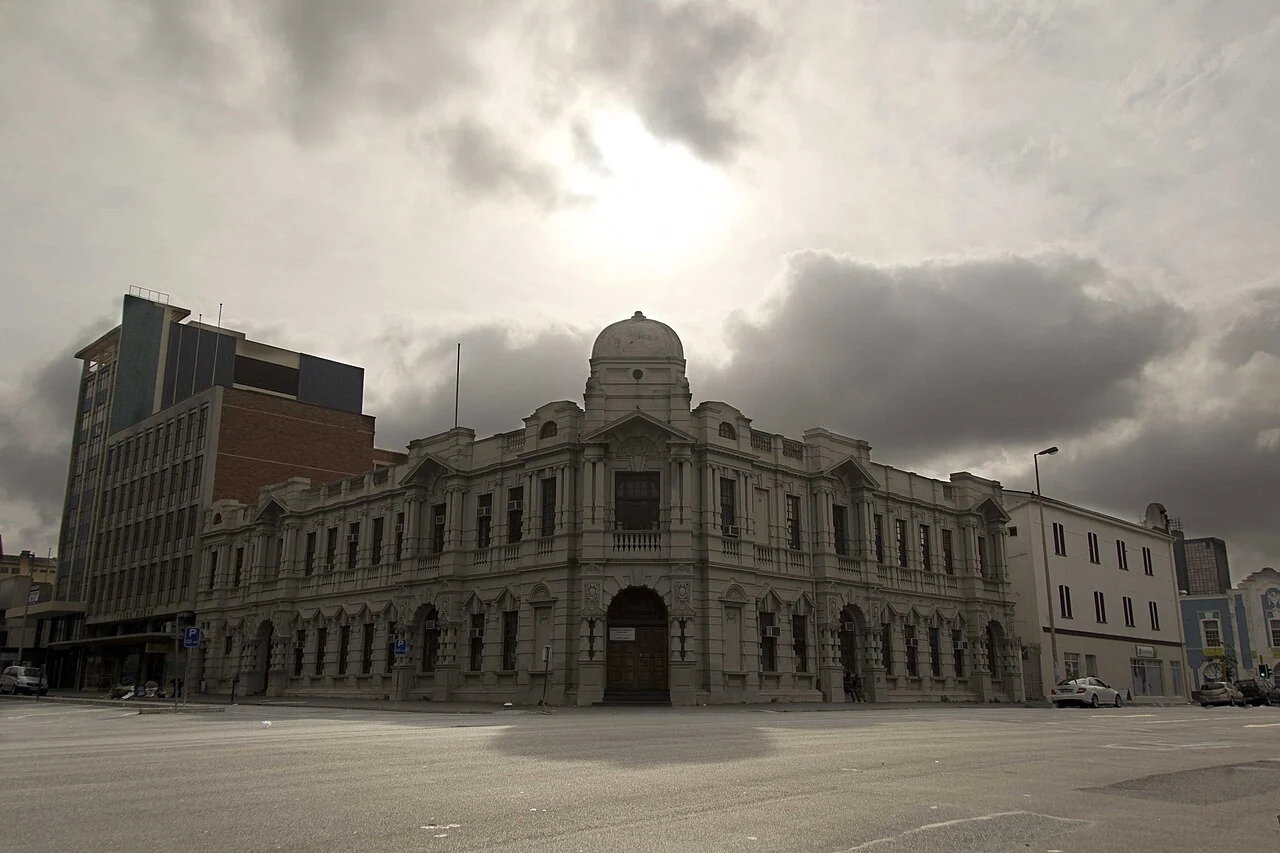

Do not turn this branch into a third long visit that compresses both institutions. One elevation after the first day's lunch or a brief stop following the gallery may be enough. Return to the vehicle if rain, wind or local safety conditions are unsuitable. Instead of imagining the whole centre as a continuously walkable park, use current information from accommodation and local service providers. Taking a picture is not a required measure of success: observation, rest and an uncomplicated return also belong to a useful urban day.
A Nahoon branch: a short outdoor pause
The Nahoon River image shows the relationship between water and nearby housing. This is not a promise of boat trips, swimming or public access to every bank. For an outdoor pause, choose a currently suitable public point after checking weather, transport and advice from your accommodation. Arrange the return meeting point when arranging the outward trip. Add it according to the energy left after the collection visit; there is no need to interrupt looking carefully at an institution in order to catch an unconfirmed water activity.
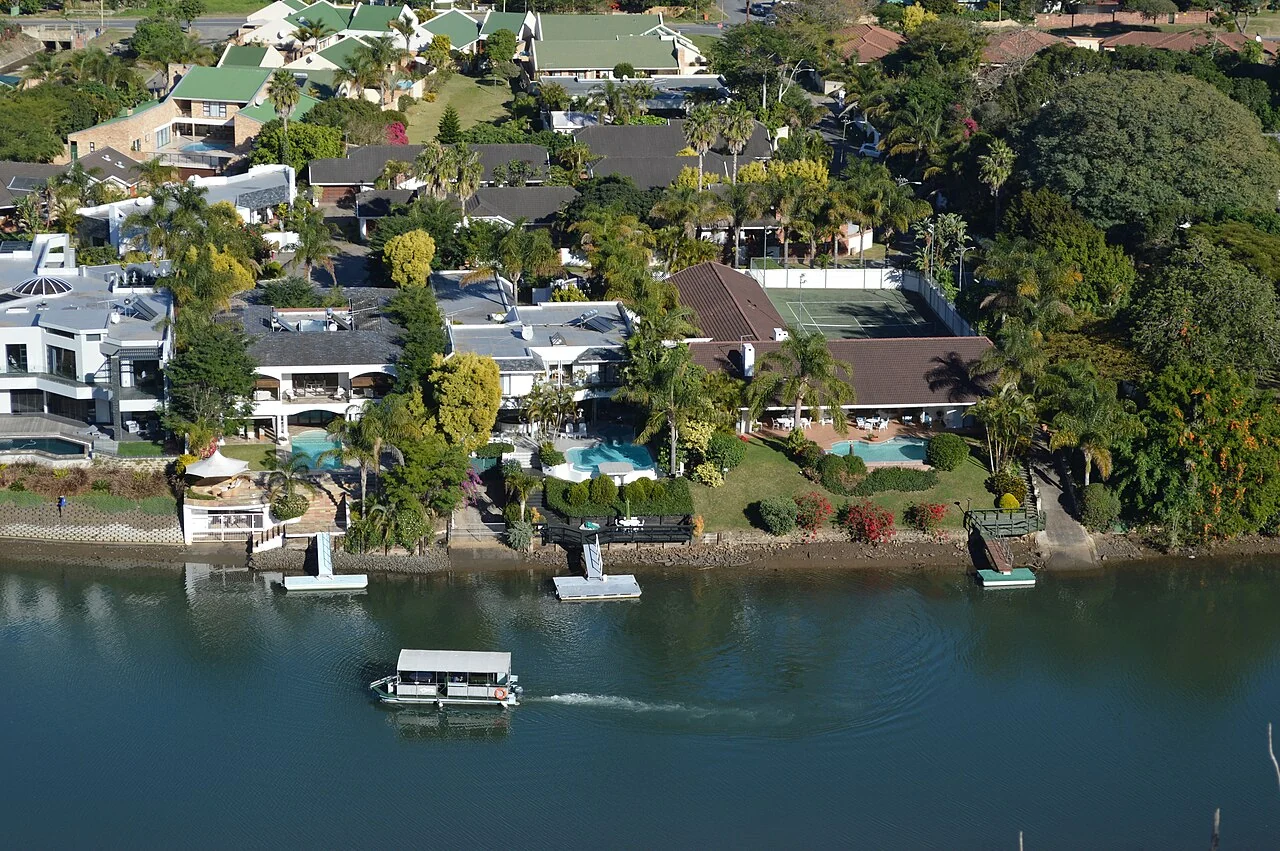

Keeping the pause within this urban stay makes the two-day purpose clearer than extending it into a distant Eastern Cape trail. Houses in the photograph are not presented as specific accommodation recommendations. With children, check public boundaries and water-edge safety on the spot. In wind or rain, a shorter seated break can suffice. Arrange the evening return in daylight rather than searching for a vehicle at the last moment. If the outdoor branch is cancelled, the museum and gallery structure should still remain useful.
A regional meal question: umngqusho and amasi
South African Tourism's Xhosa cuisine source places umngqusho, a preparation of dried maize and beans, and amasi, fermented milk, in an Eastern Cape context. They are not guaranteed dishes at every urban business. Where the actual menu includes umngqusho, ask whether it is served alone or with a meat preparation and whether the portion suits sharing. A principal meal after the museum and a different suitable choice after the gallery give the two days distinct pauses. Do not judge milk, bean or other allergy suitability solely from a dish name.
For amasi, discuss storage and service with the business; a drink and a meal accompaniment meet different needs. Restaurant suggestions for Johannesburg or Cape Town in a tourism article have not been moved into East London as invented addresses. What matters here is a real local menu response. Ask accommodation for a practical museum-day lunch and a second-day evening meal on the return route. Keep main meals, water and transfers as separate budget items without fabricating current prices. One appropriate concrete plate can leave more time and energy for the second institution than a long tasting checklist.
Choose accommodation together with the King Phalo connection
A room chosen for museum and gallery access serves the visit differently from a distant stay selected only for a sea view. When an accommodation description says Southernwood or Belgravia, check the complete address, entrance and evening vehicle arrangements. For Quigney or Nahoon, include return travel on both collection days; a neighbourhood label alone cannot guarantee safety or step-free access. Arranging late-arrival reception and the vehicle meeting point in advance makes the first day less fragile. Confirm baggage and room access with the actual business rather than relying on a broad map label.
ACSA uses King Phalo Airport on its own airport page. Match the terminal meeting, luggage and accommodation entrance to the actual flight and service provider; no fixed journey duration or all-hours vehicle operation is invented. Current official South Africa advice identifies crime, driving and protest concerns. A past protest report alone does not establish today's blocked streets. Before leaving, combine institution responses, transport, meals and weather information. Success for these two urban days means comparing different collections at a comfortable and safe rhythm, rather than completing the largest possible list of attractions.