
A two-night city pause in Tezpur
The Tatilmerkezi Stork invites you to put old stonework, waterside surroundings and an Assamese meal into the same short stay on the northern side of the Brahmaputra. Tezpur need not be only the place where you sleep before continuing to distant mountains. This suggested arrangement uses three calendar days, two nights and one complete city day: arrival with a modest first look, an archaeological and park day, then breakfast and departure. Keeping the same room for both nights gives the programme flexibility without repeatedly repacking. It also avoids pretending that an arrival morning spent travelling is a complete sightseeing day. This is a different reader need from Guwahati's temple visits or Dibrugarh's separately arranged tea-estate experience. Its centre is the working city, ancient architectural fragments, a pond pause and a nearby table. More distant natural areas remain independent outings requiring additional time.
Arrival: match the named stop to the accommodation address
When selecting transport, remember that a city name alone does not describe the final connection. Put the actual railway, bus or airport arrival point beside the accommodation's full address. Assam's official tourism description mentions Dekargaon railway station and Salonibari airport in its transport context; that is not proof of a current flight frequency or the operation of every possible connection. Verify the journey for your dates with the responsible operator and arrange the last transfer separately. Once luggage has been left, a nearby meal and short orientation may be enough for arrival day. A late arrival should not become a hurried attempt to rescue a sunset. Learning the vehicle approach for the following morning's selected stops can save repeated transport searches during the visit. Apply the same care to the actual station or departure stop printed on your return booking, rather than assuming it is the place used on arrival.
Bamuni: reading ancient fragments in an open site
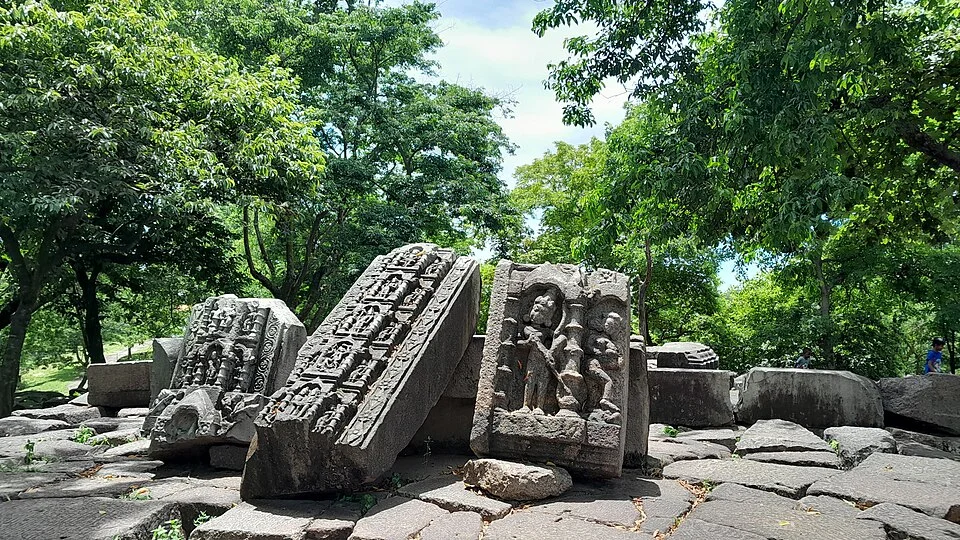
Bamuni Hill can be the first focus of the complete city day. The Archaeological Survey of India associates its sculptural and architectural material with temple remains dating approximately to the ninth and tenth centuries. Approach it as a place where separate fragments help describe a former structure, rather than expecting the furnished rooms of an intact palace. Observe the relationship between carved surfaces, columns and architectural elements; do not move objects, use them as seats or cross conservation boundaries. Ask a responsible attendant about the current visitor route and photographic directions when someone is available. Ground conditions and heat can make a comparatively small site worth visiting slowly. Placing one thoughtful archaeological visit before lunch is more useful for this short stay than compressing every historical destination in the surrounding district into the same morning. The plan gives the fragments attention without claiming guaranteed access to every part of the site.

Chitralekha Udyan: a pond pause after the historical visit
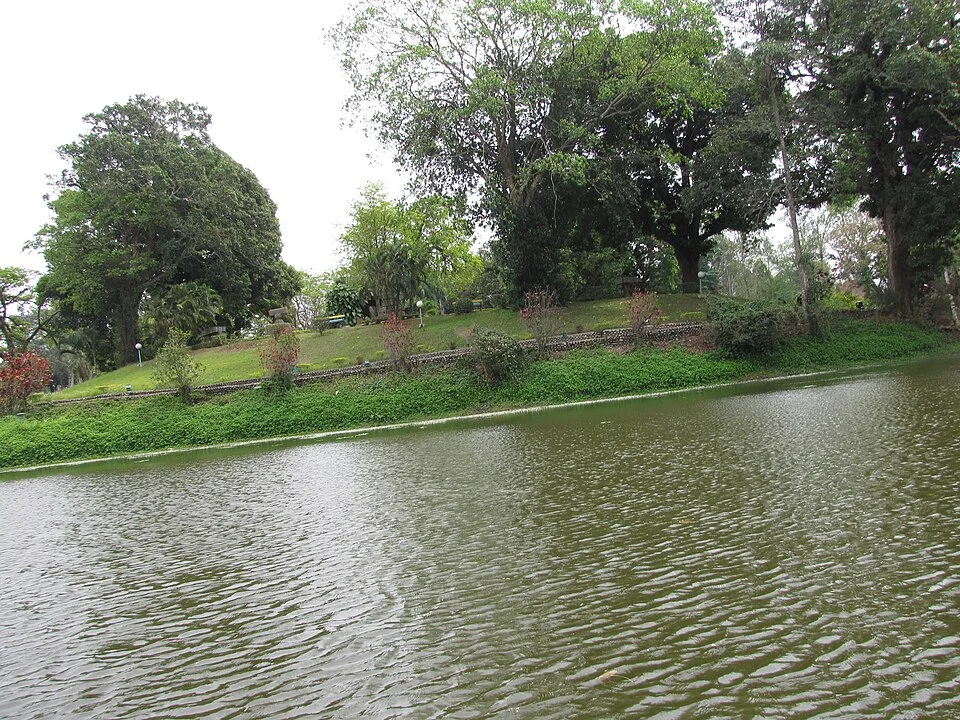
Chitralekha Udyan, also called Cole Park, offers a separate open-air option after Bamuni. A park visit does not have to mean completing every path. Choose an available entrance, suitable walking surface and resting point, and let a short look at the pond fit the group's energy. Respect the actual boundaries around water; a photograph is not a reason to bring children too close to an edge. This guide guarantees neither boating nor a scheduled event nor the operation of a particular service. Place lunch before or after this part of the day to avoid unnecessary changes of vehicle. Shortening outdoor time because of rain or tiredness does not make the city programme unsuccessful. The intention is to find a different rhythm after looking at architectural stonework, with water and greenery supporting a calmer pause rather than another compulsory attraction to complete.

Chowk Bazar and Ganesh Ghat: two different city perspectives
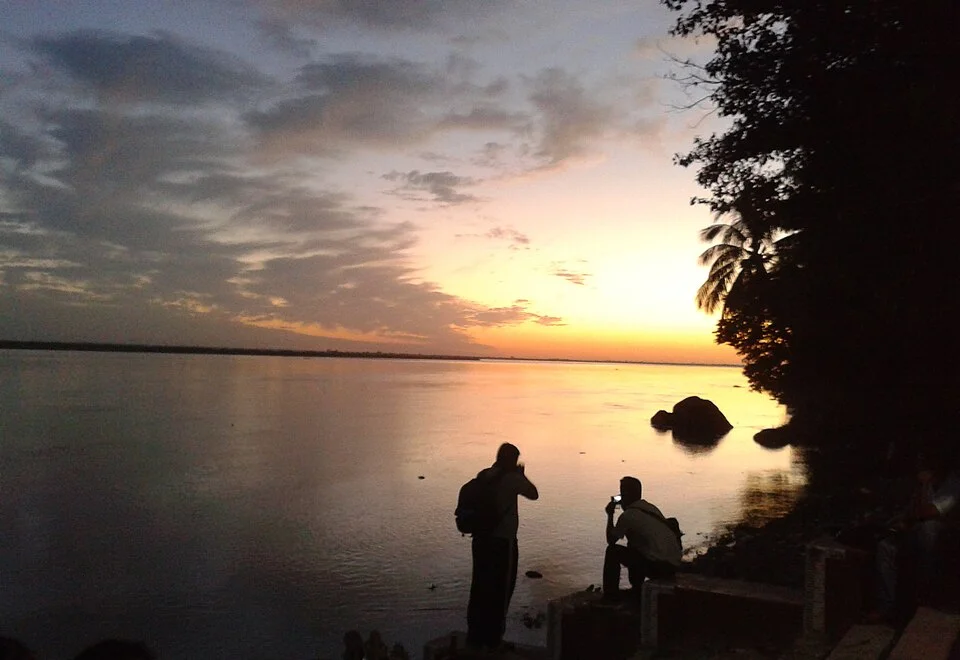
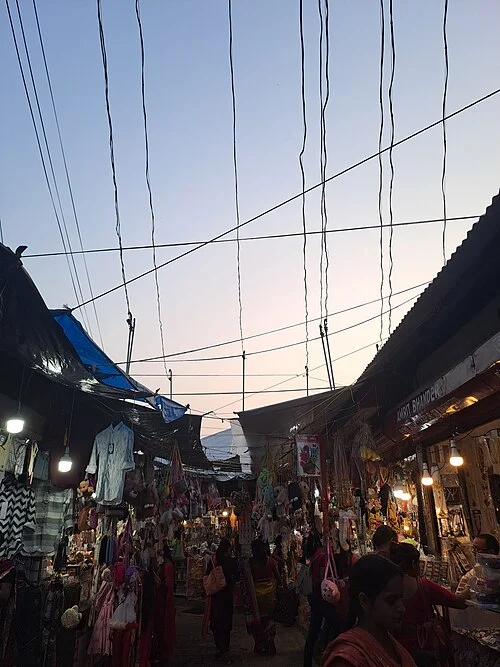
The surroundings of Chowk Bazar can help you observe ordinary shopping and choose a nearby meal. In a busy lane, distinguish a shop frontage from the space required by passing vehicles, and ask before making close photographs of people. Visiting a market does not oblige you to buy something at every stall. A modest purchase, a short look and a subsequent rest can be enough. The Brahmaputra view in the direction of Ganesh Ghat supplies a different waterside option. You need not rearrange the entire city day around sunset: choose it when weather and a suitable public approach allow, or stay with the urban cluster. Pay attention to the water level, ground and barriers beside the river. This itinerary does not require a boat, and an older photograph does not promise identical present-day access to every point visible in the scene.

An Assamese thali: rice, xaak and a tenga preparation
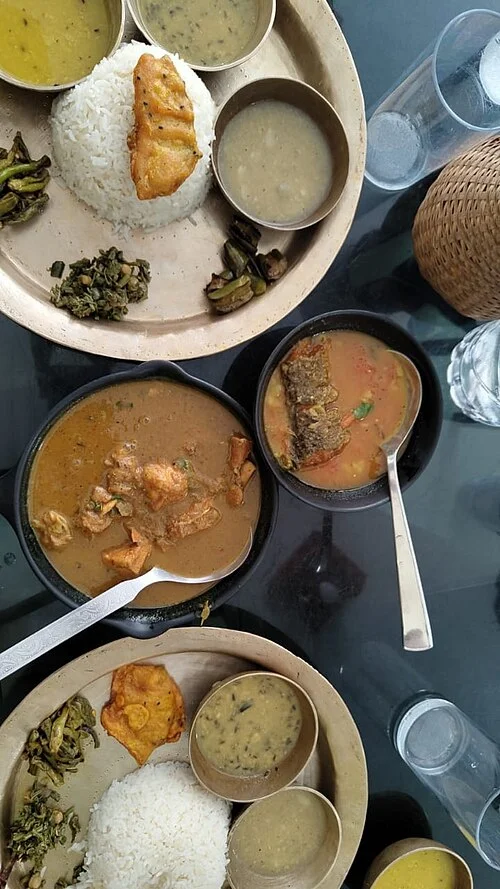
A licensed photograph of an Assamese thali taken in Tezpur makes the meal component of this visit concrete. Think of thali as an arrangement of preparations presented together, not a single recipe that every kitchen reproduces. Assam's official cuisine description names dal, leafy vegetables called xaak and sour preparations such as tenga among the companions to a rice-based meal. These are regional examples, not a claim that every Tezpur kitchen serves an identical set every day. Select a fish-containing option or a vegetable plate according to what is actually prepared. A table near the park pause can complete the visiting cluster without another extended transfer. Recreating every portion in a photograph need not become the goal of lunch. Obtain prices and quantities from current information at the establishment; an historical meal image is neither a menu nor a bill.

Choosing a base and keeping outlying excursions separate
For a two-night stay, assess the address rather than relying on a label such as central accommodation. Consider the arrival connection, vehicle approach to Bamuni, park pause and nearby meal on the same map. Reception arrangements for a late arrival, luggage storage and access for a departure vehicle may be more useful than an appealing room photograph. Official state visitor information also describes natural areas in the broader Tezpur region, including Nameri. Treat them as outings with their own duration and current entry or activity arrangements, rather than continuations of a short city walk. A journey towards Bhalukpong also requires a separate check of state-boundary and permit conditions. Instead of stretching this two-night suggestion across the whole region, add another night or a dedicated excursion day for a selected interest. The travel time assigned to a park or village should not take away the margin needed for the onward connection.
Departure morning: a comfortable end to the short stay
Day three is for breakfast, collecting luggage and reaching the chosen transport connection. Moving an unvisited outlying destination to that morning unnecessarily narrows the allowance for departure. Check the stop named on the ticket, vehicle meeting place and accommodation checkout arrangements together the previous evening. If heat, rain or someone becoming tired has changed the programme, the short visit can still form a satisfying whole: attention to ancient fragments, a pond-side pause and an actual Assamese meal are meaningful experiences without a full regional checklist. Sources were checked on 5 October 2026; changing transport and visitor arrangements should be verified for the journey's actual date. The Stork's invitation here is to give a working riverside city its own time. It does not depend on collecting every place listed in tourism promotion or promising a service that has not been independently confirmed.