
Madagascar rewards a decision made before you fill the itinerary: which landscape is the reason for this journey? Tatilmerkezi Stork suggests a compact beginning in Antananarivo, a forest base near Andasibe and, if your time allows, one distant extension. The baobab country near Morondava and the coastal island of Nosy Be require different transport arrangements. Combining them into a few spare days can turn a holiday into a sequence of vehicles and connections. Pick the experience first, then give it enough nights and a realistic return buffer. A shorter list is especially useful on a first visit, when unfamiliar road conditions and transfers already require attention.
Before booking: current advice belongs in the route
Checked on 4 October 2026, FCDO advice highlights political demonstrations and road closures, nighttime road travel and violent crime at isolated beaches, including Nosy Be. Pre-arrange transport and avoid after-dark city walks and road transfers. This guide makes no countrywide safety guarantee. Recheck official advice just before booking, and confirm entry rules for your own passport, health requirements and insurance cover with the relevant authorities. If a demonstration affects your route, change the plan rather than trying to cross a blocked street. Keep the transport contact and accommodation address available offline so that a change does not depend on finding a connection at an awkward moment.
Antananarivo: leave room for the arrival day
Antananarivo can be more useful than a hurried overnight connection. Give the first day to the arranged airport transfer, checking in and a short daytime introduction close to your accommodation. After a long international flight, departure for the forest is easier to assess with a rested head. Use the evening to confirm the next day's driver, departure arrangements and meal stop. A second city day can include a concise guided programme focused on history and neighbourhood life. Consider hills, traffic and the return journey together; two points that look close on a map do not automatically make an appropriate walking route. Confirm your pickup and return vehicle before setting out.


Accommodation involves two competing priorities: convenient airport access before an early flight and proximity to the start of a city programme. You do not need to use the same property for the first and last nights. Ask your hotel for a current airport-transfer recommendation and keep the return from Andasibe separate from the international departure. Useful booking questions include hot water, an early or packed breakfast, a secure place for the vehicle to wait and the property's arrangements during power interruptions. These practical details can matter more than a panoramic room photograph. Choose a base around the movements you actually intend to make, not a vague promise of being central.
Andasibe: one forest base, different walking choices
Madagascar National Parks describes access to Mantadia via the RN2, Moramanga and Andasibe. Do not assume that Analamazaotra and Mantadia share identical ticket arrangements, trails or walking demands. Ask about currently open routes, guide arrangements and the vehicle needed for the final approach. Two nights around Andasibe are a reasonable editorial starting point: arrive without rushing, prepare, and leave the following day for the forest. A rain cover, shoes with grip and spare socks kept dry are more useful here than lightweight city footwear. Explain your needs in terms of gradients, steps, rests and time rather than choosing a trail only by its distance. Your guide can then discuss an appropriate walk.

Watching lemurs: make the morning unhurried
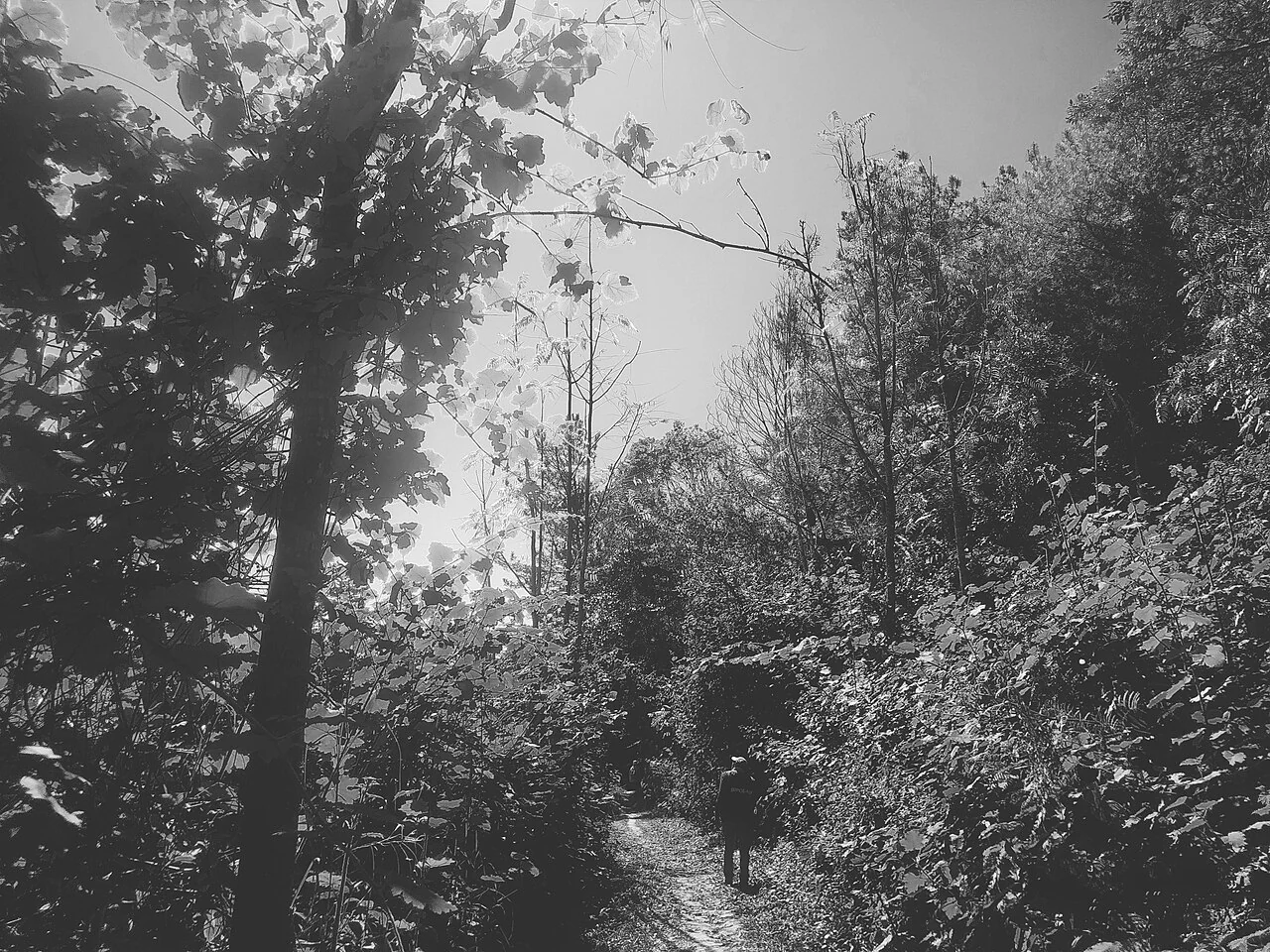
The indri pictured here was photographed in Andasibe-Mantadia; it is not a prediction of a meeting on your own visit. Let the morning follow your guide's suggested route, with slow progress and pauses to listen. Avoid attaching a long transfer to the first substantial forest day. Returning to your accommodation to rest can make the next walk more rewarding. Follow the guide's distance instructions rather than approaching, feeding or blocking an animal for a picture. A quiet wildlife morning is not a failed morning: foliage, forest sounds and smaller observations remain part of the experience. With children, discuss expectations beforehand so that seeing a particular animal does not become a demand placed on the whole walk.


West or Nosy Be: choose a single distant extension
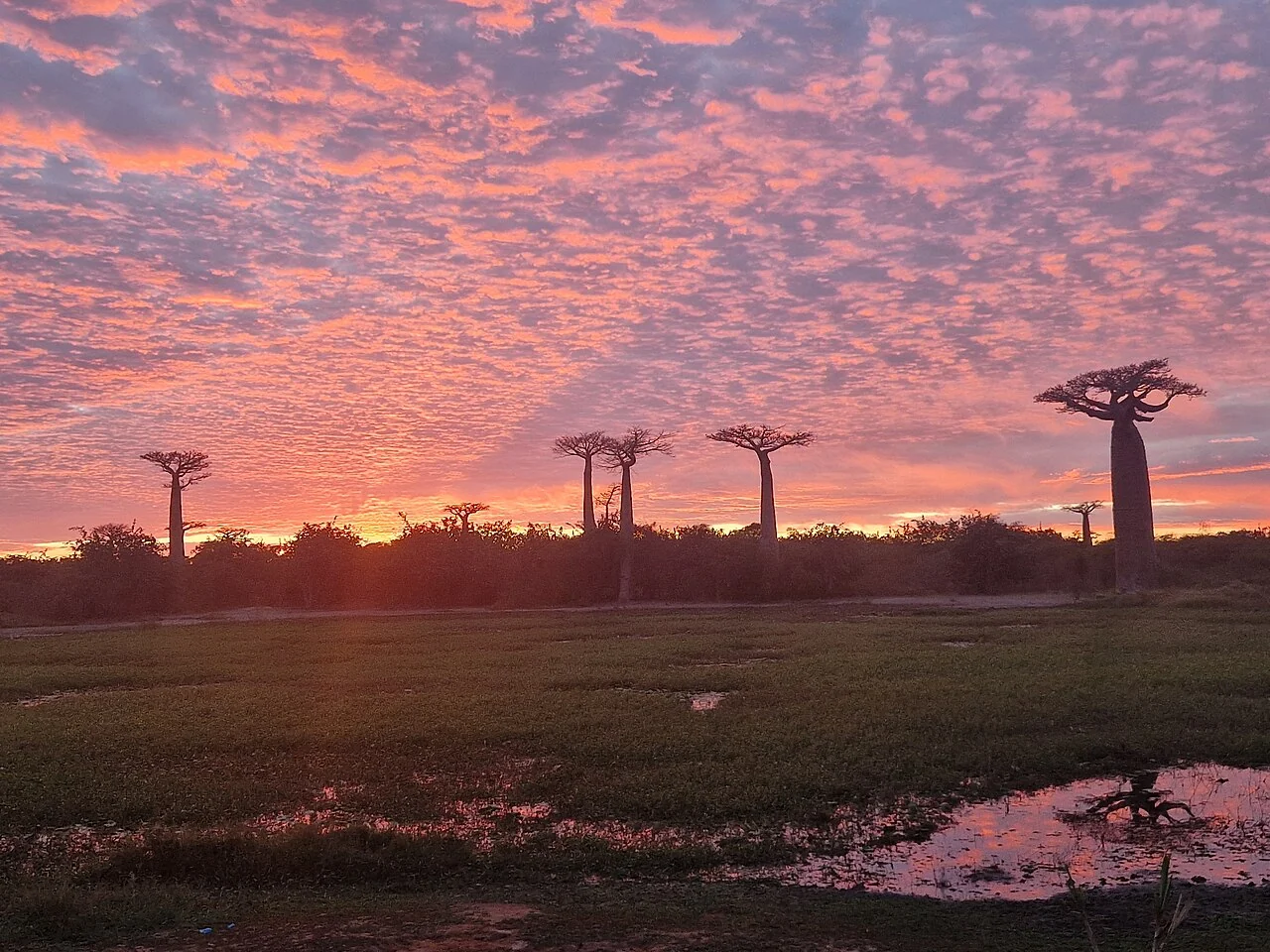
The Avenue of the Baobabs near Morondava can anchor a western extension, but it is not a small outing from Antananarivo. Work through separate transfer days, vehicle arrangements and current road conditions with a recognised operator. Read FCDO's western-road advice before making a plan that depends on driving through the night for a sunrise photograph. This introductory route does not include a Tsiribihina River boat journey: official advice records passenger robberies and recommends alternatives. For a first visit, one well-prepared extension is more manageable than linking every western and southern highlight. Ask an operator to explain the actual sequence of movements, including any days used principally for travel.
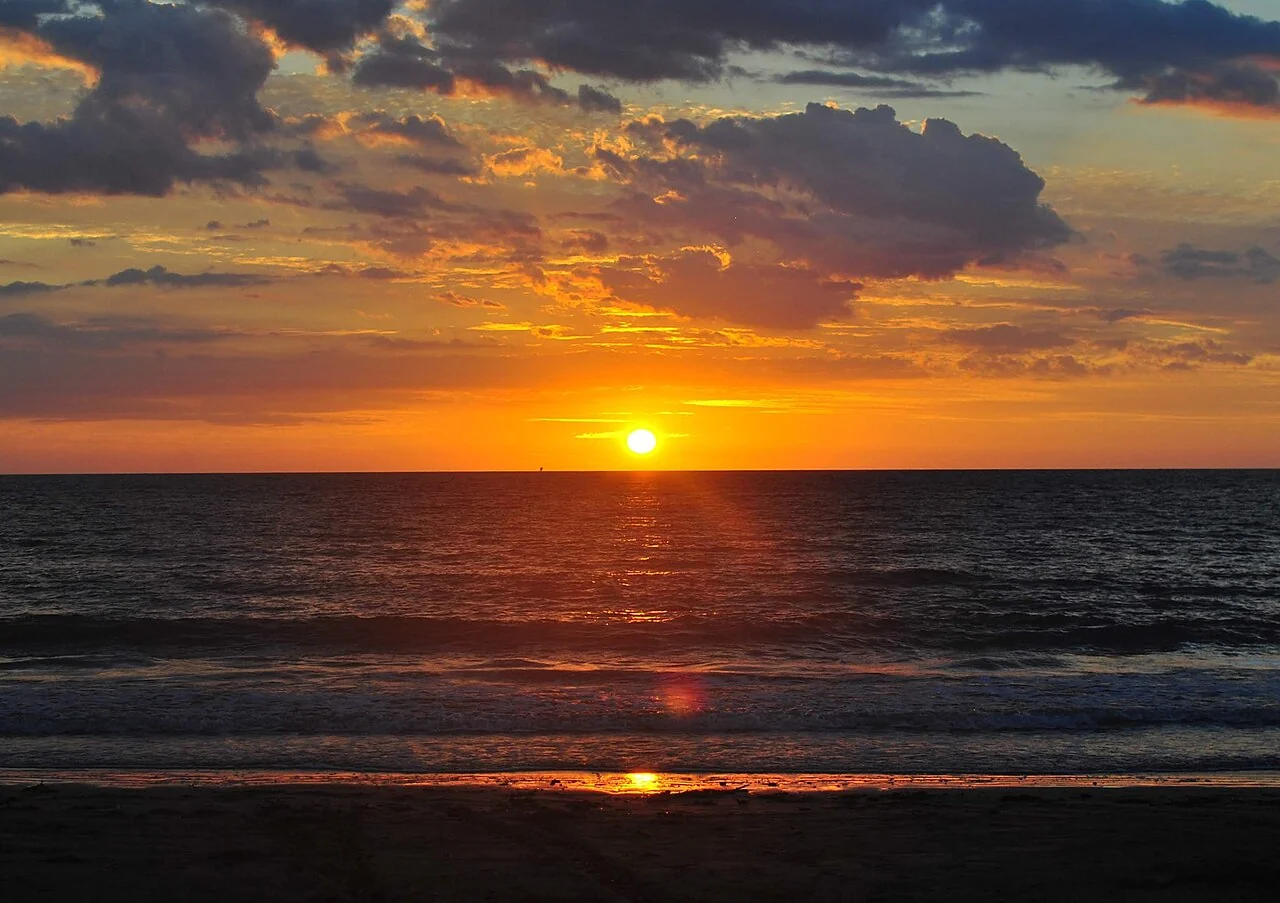

Nosy Be suits a different priority: a coastal base, time to rest and a carefully assessed boat day. Confirm current flight connections and change conditions directly with the operator, and avoid placing an island connection immediately before an international departure. Ask coastal accommodation about local swimming conditions, currents and dependable transfers. Follow current local advice instead of walking alone on a remote beach. For boat excursions, clarify the weather decision, life jackets, passenger numbers and cancellation arrangements. The historical sunset photograph at Hell-Ville conveys an island setting; it does not show the view from a particular hotel or establish present-day swimming conditions. Decide whether this slower coastal branch is more important to you than the baobab route.
Romazava and ravitoto: give lunch a local focus
National tourism-board food material identifies romazava and ravitoto as examples of Malagasy cooking. If offered on the menu, ask about romazava as a hot stew-style meal and ravitoto as a preparation involving pounded cassava leaves. Meat and accompaniments can vary, so clarify pork, beef or other ingredients before ordering. A meal served with rice can make a more orderly break during a transfer than hurried snacks at uncertain stops. For a guided forest day, agree the contents of a packed meal the previous evening rather than assuming a restaurant will be available at the right time. Do not rely on a dish name to communicate allergies or a vegetarian preference: ask about the sauce, water and preparation as well.
Keep a first-week plan simple
For an introductory seven-night plan, allocate two nights to Antananarivo and two around Andasibe, then keep the remaining time for the return buffer and flexible rest. If you want Morondava or Nosy Be, extend the trip or deliberately redesign the city and forest allocation. Treat a distant branch as a real part of the itinerary, with its own transfer needs, rather than a free addition. Write one main movement into each transfer day and include the lunch stop and daylight arrival in that movement. Put the final night where it supports the departure connection. You will then carry a few experiences with proper time around them, rather than a list of stops competing for the same afternoon.
Sources were checked on 4 October 2026. Park access, flights, weather and official travel advice can change; the suggested night allocations are editorial planning options. Ask a local guide about regional traditions known as fady, clothing expectations and permission for photographs. Taking time to ask during a village visit, purchase or nature walk helps establish a respectful encounter. The five photographs are separately dated, licensed real scenes. Their source dates and required photographer credits remain alongside the images. They are illustrations of places and wildlife, not proof of current services, route safety or a guaranteed animal encounter.