
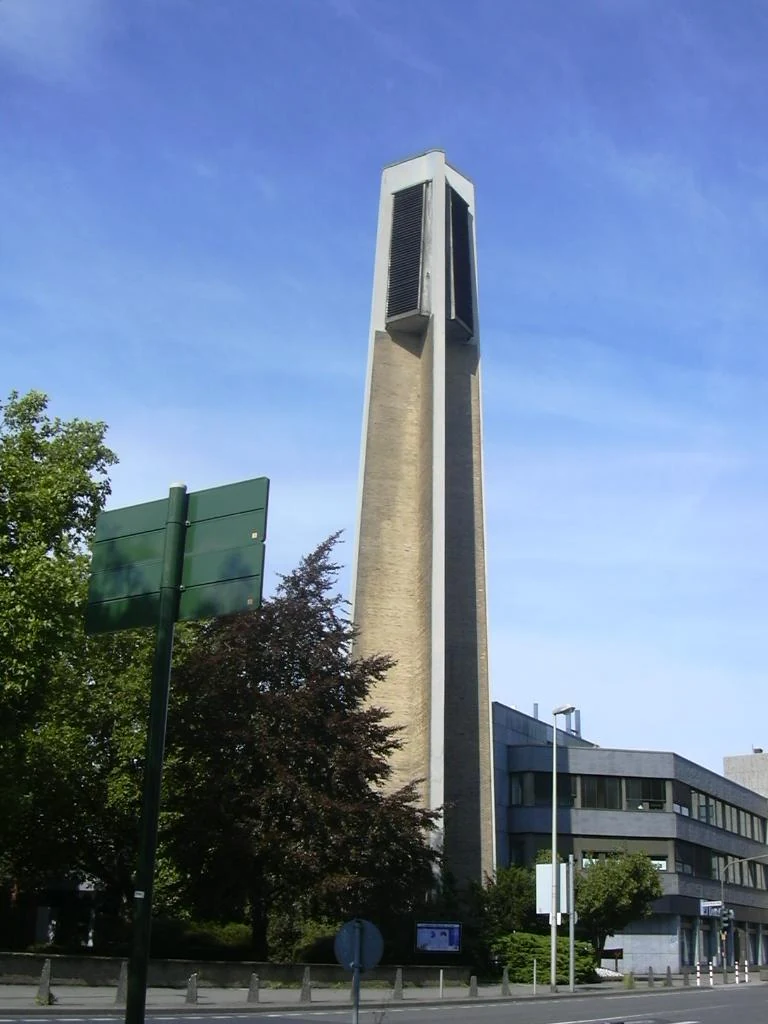
For a day in Düren, the two neighbouring museums create a particularly useful plan in rainy weather. Explore art at Leopold-Hoesch-Museum and the production and use of paper at Papiermuseum. Rather than treating them as one continuous exhibition, put a city walk and a proper main meal between the visits. On Sunday, arrange your timing around the paper-making activity; do not assume that an ordinary weekday ticket offers the same practical session. Schloss Burgau and districts such as Lendersdorf require their own transport arrangements. The centre's relationship between museums and everyday urban life provides enough focus for an engaging first visit.
From Düren station into the centre
The DB record for Düren station gives Hauptbahnhof 1 as its address. Check current trains and lift information there rather than importing another city's station address. Choose the return connection before entering town and leave luggage at your accommodation or an agreed storage solution where possible. For a museum day, carrying only what you actually need makes movement easier. If you want time for shopping between the station and the museums, give that its own block. Visitors intending to enter both institutions should keep enough of the morning for the first visit instead of spending it entirely in shops.
Begin with a short walk around Rathaus and Markt, then continue towards Hoeschplatz. Look at how public buildings meet the square rather than searching exclusively for façades that appear old. A photograph of the town hall does not establish that every room can be toured. Similarly, a modern hospital exterior should not be presented as the recommended hotel or museum. Select a broad square view and a closer street detail for the first walk. If the weather worsens, shorten the outdoor section and enter a museum earlier. The day should remain coherent even when light is unsuitable for a particular photograph or the square is busier than expected.
Art and architecture at Leopold-Hoesch-Museum
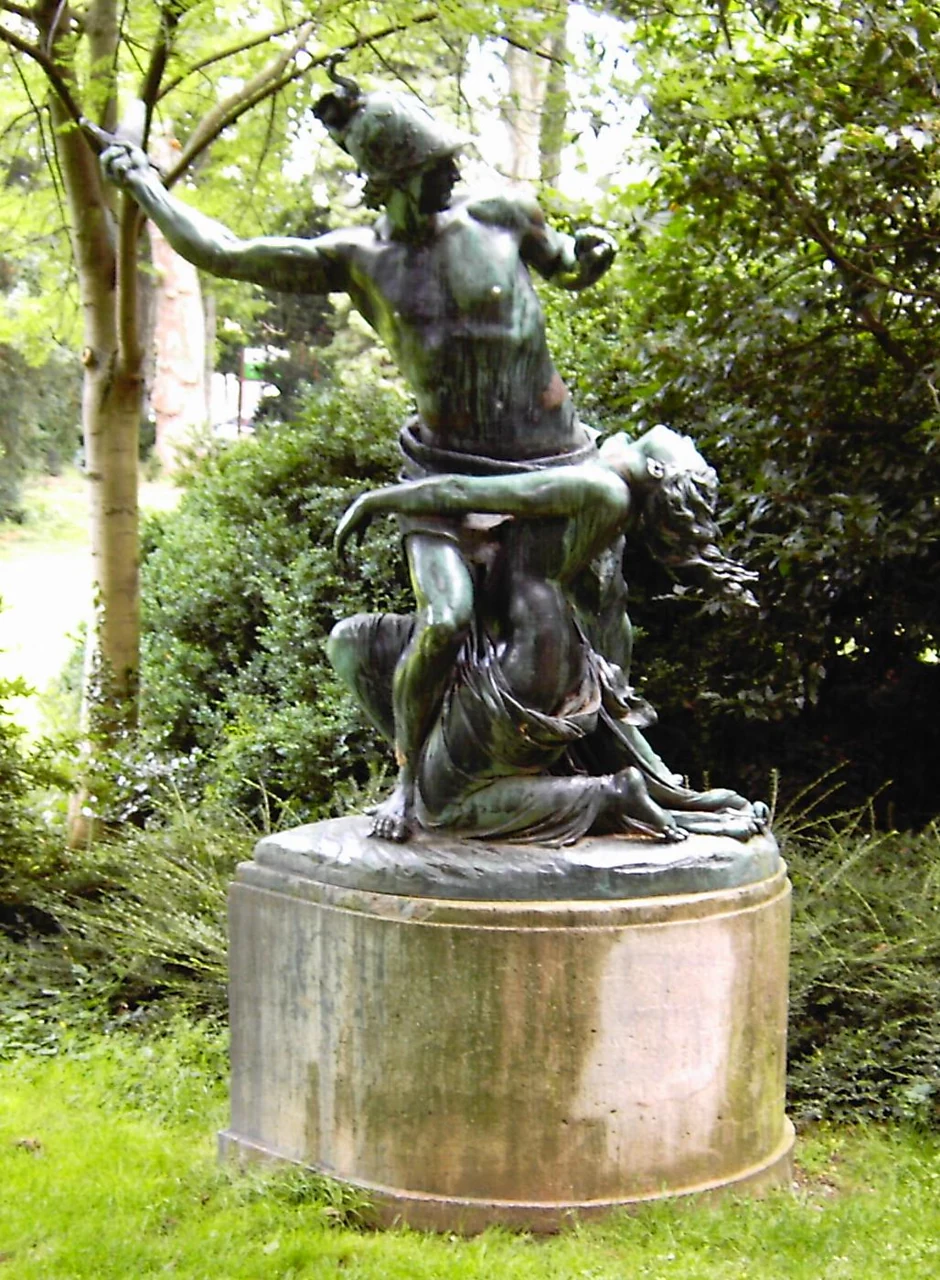
The city's official museum introduction describes Leopold-Hoesch-Museum through its modern-to-contemporary art and its neo-baroque, Jugendstil building. Think of the visit at Hoeschplatz 1 as more than an exterior photograph. Choose an artist, material or spatial relationship to follow rather than trying to give every exhibition identical attention. The architect's own project explanation helps interpret the relationship between the historical house and the later extension. The contrast between an elaborate older façade and the simpler new addition carries your observations of different urban periods into the museum itself. Allow time to compare them as well as the displays.
The current German visitor page gives Tuesday to Sunday from 10am to 5pm, extending to 7pm on Thursday, with Monday closure even on holidays. An adult combined ticket for both museums is €8. Civil weddings on Friday and Saturday mornings can temporarily restrict access to one exhibition room. Visitors requiring step-free entry should use the intercom to the left of the entrance stairs. Knowing that practical arrangement is more useful than relying on a general accessibility label. An older pandemic notice remaining on the English page should not be interpreted as today's admission conditions; follow current institutional information and check special programmes independently.
Papiermuseum: distinguish Sunday's activity from exhibition entry
Papiermuseum at Wallstraße 2–8 offers a different experience centred on a material. The museum's own description connects Düren's paper-making history with artistic uses. With a child, begin from a paper object in everyday life: a game box, a note or a book page helps move the conversation beyond machinery alone. The current Into the Paperverse exhibition is announced until 8 November 2026 and examines paper's relationship with computer games. Its dated programme should not become a promise for all later seasons. Read the current exhibition information when planning another visit after that end date.
The institution's paper-making programme lists traditional hands-on sessions with museum staff each Sunday from 1pm to 4pm. Watching and trying the screening and pressing of material requires a different pace from simply reading a display. Put Sunday lunch before or after this portion of the day. Groups can arrange an individual date, also combined with a guided visit; a normal exhibition ticket should not be treated as a reserved workshop for a school or large family party. The museum describes a drying process as part of making the paper, so leaving the visit tied to an immediate train departure may be less comfortable than allowing a separate return margin.
A substantial Krüstchen meal at Alt Düren
At Kleine Zehnthofstraße 50, Brauhaus Alt Düren's own main menu describes Krüstchen as two pork schnitzels on fried potatoes, accompanied by a fried egg and salad. It is a genuine main meal for the museum day rather than a coffee break. Keep the meat description explicit: this is not a veal schnitzel recommendation. Because the menu does not print a price, ask for the current amount when booking or ordering instead of relying on an invented figure. Speak to the staff about allergens or specific dietary requirements. This restaurant is separate from the museum café and should be reached using its own address.
Place the meal between the two museums to sit down before changing from art to material and production. If Sunday's paper-making activity is the priority, check kitchen service with its timing in mind. Monthly offers can change and should not become permanent menu prices. The same dish name may have different ingredients elsewhere, but the operator's own description is the basis here. For a group with different budgets, look through the menu together before ordering. Calculate the combined museum ticket and food spending separately: admission to the museums does not include restaurant consumption or guarantee a table at a particular hour.
Outlying additions and accommodation
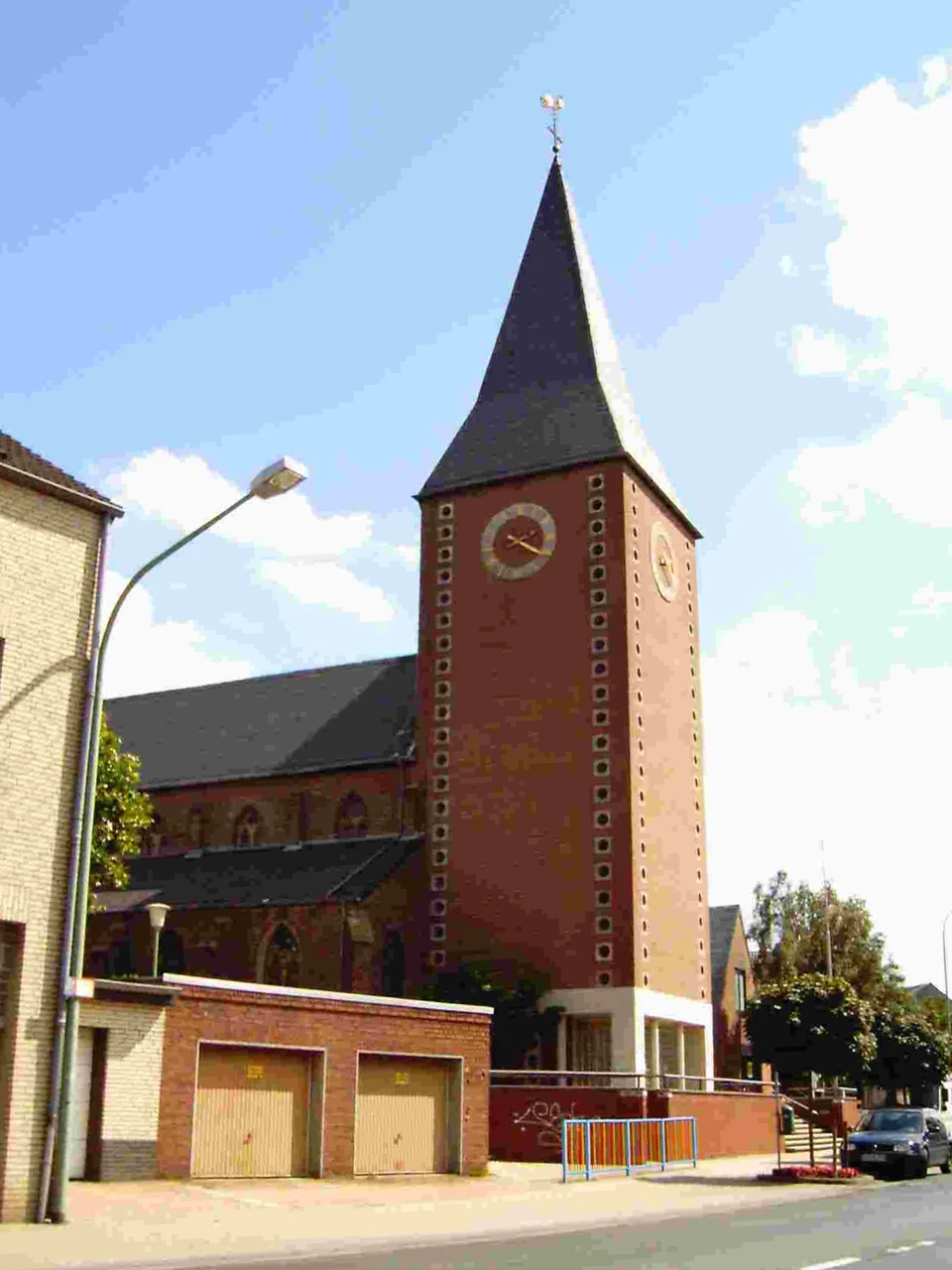
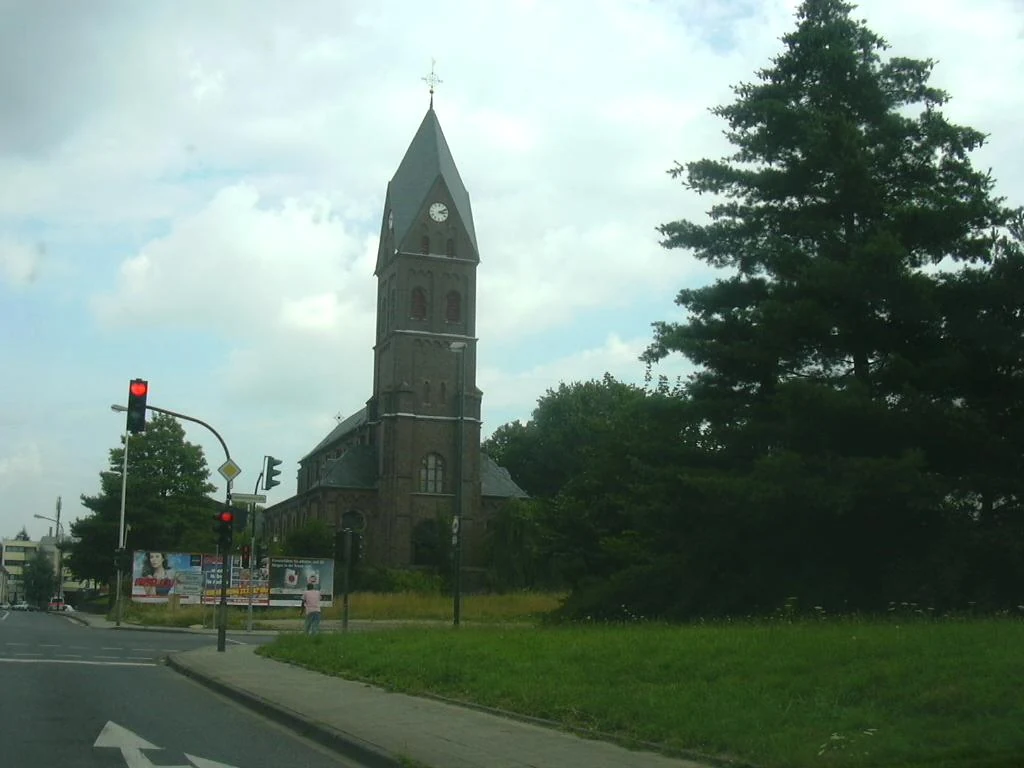
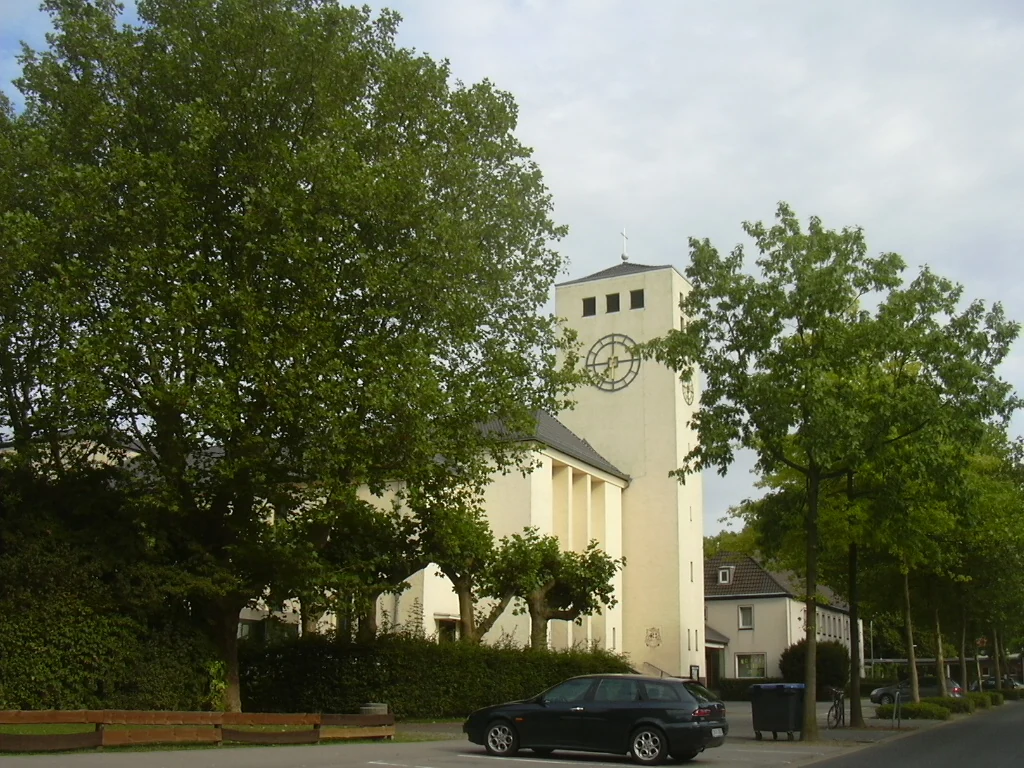
The exterior of Christuskirche in the city can provide a short architectural observation stop. The church surroundings in Birkesdorf and Mariaweiler, and Bonifatius church in Düren-Ost, are additional district choices requiring their own journey outside the central museum circuit. Do not read their photographs as evidence that all these places lie on the brief walk between the two museums. Selecting one district after the main route is more comfortable than forcing every neighbourhood into a single day. Verify any church interior visit or special programme separately; an exterior photograph does not establish unrestricted admission. Older district pictures are also not exact evidence of current street layout or restoration condition.
If you want to see Schloss Burgau beside its water or a small religious building in Lendersdorf, organise an additional excursion rather than attaching it casually to the end of the centre walk. A pond photograph does not demonstrate that palace interiors are open or that a special exhibition can be entered. Check transport and the programme for your actual date before adding it. Visitors who have explored both museums in detail may find a quiet finish within the centre more workable. Other city façades belong to everyday urban life too; not every building shown in a guide needs to be a landmark providing tourist services or public interior admission.
Dorint Hotel Düren's own information confirms the genuine property at Moltkestraße 35. Check-in is from 3pm and check-out until noon; the operator states that luggage can be kept before check-in and after check-out. This can help arrange a museum visit before the train, although the conditions of your own booking should still be checked. An overnight stay also allows a Sunday activity and another day's art visit to be separated. The Düren experience proposed here is a measured day connecting materials, art and the city square, with time to appreciate each part instead of simply adding destinations.