

Belagavi: reading different heritage within a fort setting
Rather than treating Belagavi only as an interstate transit stop, connect its different fort-contained architectural interests with an actual city meal. In this Karnataka city, also encountered as Belgaum, the Tatilmerkezi Stork proposes three calendar days and two nights: arrival, one full urban sightseeing day, then departure. Kamala Basti, the neighbouring Jain structure's surroundings and Safa Masjid are different scenes within the fort context, not three names for one building. This is neither a copy of Kolhapur's palace-and-lake day nor a rushed photographic addition to Goa's beaches. The district administration describes the old city and cantonment fabric and a cultural transition between Karnataka, Maharashtra and Goa. One full day can serve a selected heritage setting, but cannot create enough time for every district fort, village and waterfall. Leave large luggage in the same room and begin with one unhurried main session.
From station to city: connecting Belagavi and Belgaum names
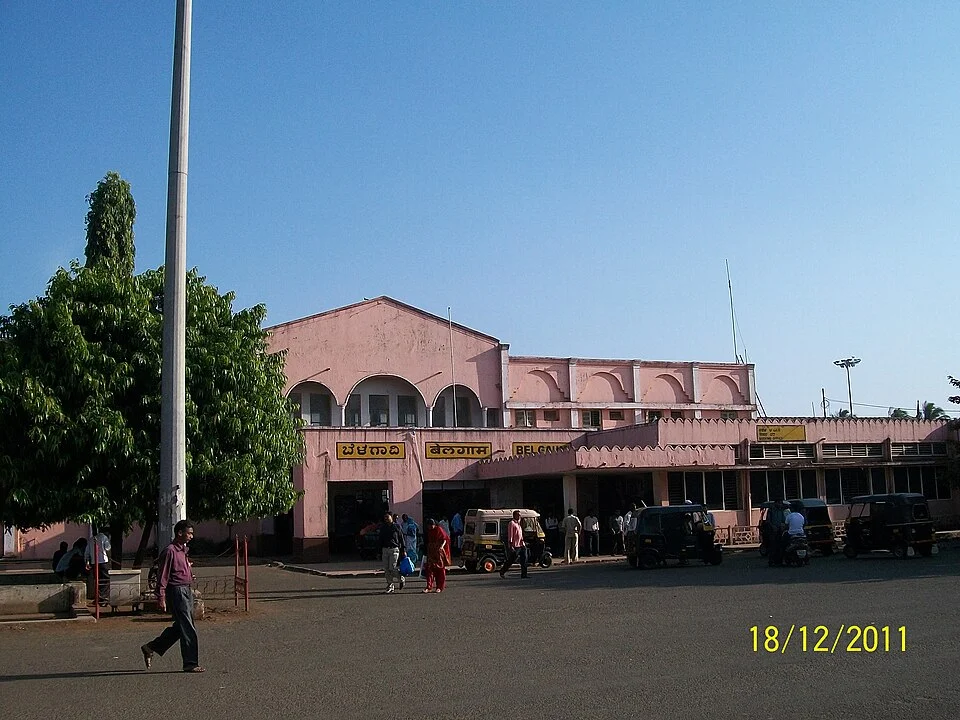
Bookings and maps may show Belagavi alongside the older Belgaum name; establish the actual service's station and travel date when deciding transport. Our photograph shows the station exterior in 2011, not a guarantee of today's building arrangement or train stops. Arrange the final vehicle connection to the room entrance separately. The district Kamala Basti page's approximate station and bus-stand distances provide a sense of scale, not proof that every route has the same length or is walkable. A bus operator's actual drop-off point also needs matching to the property address. A late arrival may be better used for check-in and nearby food than for immediately walking around the city. Early arrivals can ask about luggage storage and take a rest before the fort session. With air travel, connect the final road leg to the actual flight and transport arrangement; a source's airport distance is not converted into a direct-shuttle promise.

Kamala Basti: the main architectural session on day two
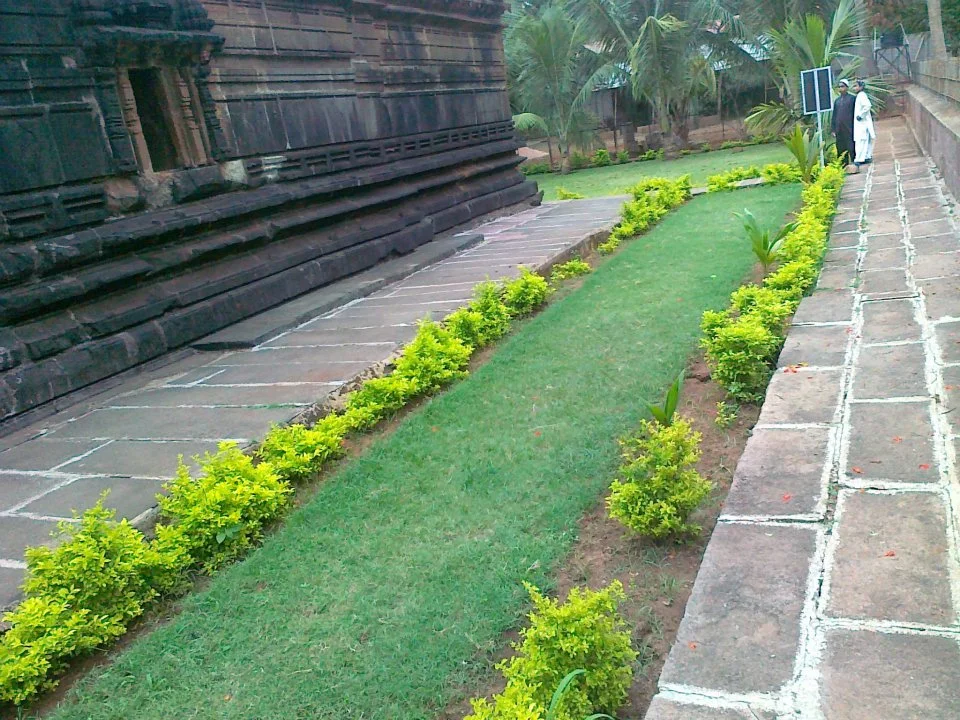
Give the morning's main part to Kamala Basti. The district administration identifies it as one of two bastis within the fort walls and particularly describes the lotus arrangement in the entrance hall ceiling. Reading the layered roof and columned front from outside may be complemented by architectural details that visitors are allowed to view within. Learn that day's entry, footwear, worship and photography arrangements locally: an older facade picture does not prove unrestricted interior access. If the lotus arrangement can be viewed, leave time for a slower look; do not insist on entering a closed or restricted section. The district source also mentions another Jain structure outside the main basti. Consider that neighbouring setting separately rather than calling it another photograph of the same building. Nearby architectural interests do not establish unlimited movement through the whole fort or entry through every gate. Following permitted routes is essential to this visit.

Safa Masjid and the fort surroundings: another building
After Kamala Basti, arrange a separate short session at Safa Masjid where access permits. The source photograph explicitly identifies a historic mosque within Belagavi fort, but a photograph's rights record is not an admission document for a worship area. A permitted exterior look, the row of arches and the building's courtyard relationship can contribute to reading the city's heritage. If worship timing or entry conditions are unsuitable, look from outside and leave without obstructing others. Treat the fort setting as an actual urban area containing different uses and beliefs rather than a single tourist stage. That preserves distinctions between basti and mosque instead of merging them into one architectural account. Follow local direction: a functional, military or closed section appearing in a photograph does not establish public passage. Finishing a limited heritage session by lunch leaves room for food and a shorter urban exterior interval; collecting every fort gate is unnecessary.


A kunda pause: connecting a sweet with a real meal
Karnataka Tourism's Belagavi Kunda page names milk or khova and sugar as its main ingredients, with cardamom and dry fruits or nuts added towards the end. This sweet supplies a concrete culinary pause in the urban day. Rather than replacing lunch with a compulsory large portion, consider a smaller dessert after the available meal. Ask the seller about milk and nuts in the actual product: a recipe account does not establish identical ingredients at every counter. For a takeaway packet, judge production, storage and journey duration against its real instructions. The state's tourism food publication also associates mandige with Belagavi and describes a thin preparation filled with sugar, ghee and khova. Where available, it offers a comparison with kunda without promising that every shop carries it. A historical origin anecdote is not turned into a competition or a claim that one business is superior. Two concrete names can be offered without invented prices, health results or restaurant rankings.
Room choice, urban fabric and an optional outside look
Choose accommodation against the fort session and the actual departure stop. A central room may simplify meals and daily movement, while an address towards the cantonment or farther out requires a separately established evening return. The district's account of tree-lined roads is not interpreted as a promise that every street is currently quiet, shaded or continuously walkable. Choosing a short mapped section and adapting it to actual traffic and weather is more useful. The photograph taken from Mahantesh Nagar hill is a dated geographic view, not proof of an open current viewpoint or a required climbing route. This one-full-day programme prioritises heritage and food, leaving an additional outside look optional. Entrance steps, evening noise, luggage storage and transport meeting points are real accommodation criteria. Travellers with limited mobility can shorten architectural sessions and add a seated meal interval; a large courtyard image does not show that every entrance has no steps.


Adding a waterfall or outside fort requires another day
Outlying district interests such as Gokak are not the same stop as heritage within the city's fort. Their names appearing in sources do not establish that everything fits into one full urban day. For a waterfall or another outside visit, make a real duration change, such as keeping another night and using day three for sightseeing rather than departure. The outward journey, visit conditions and return should be arranged together without promising access regardless of weather or water conditions. In the present three-calendar-day programme, the last morning is for luggage and reaching the booked service. Arrival on day one, Kamala Basti plus a separate Safa Masjid look and an urban meal on day two, then exit on day three provide one full sightseeing day. Sources were checked on 5 October 2026 without a guarantee of unchanged later hours or connections. The Stork's Belagavi pause offers a simple base for reading different heritage scenes at urban scale and remembering a named local sweet.