An Iquitos visit does not have to turn into a long forest excursion on the first morning. The Tatilmerkezi Stork builds a two-night city pause around arrival, central orientation, a Malecón outing and a concrete Amazonian meal. A lodge stay or a multi-day river journey is a separate choice. Time in the city need not be treated only as waiting for that tour: historical streets, different river views and the names of regional dishes form a reader need of their own. Nevertheless, Peru's current 5 October 2026 advice preserves warnings about crowds and possible protests following the 4 October local elections. Loreto's specific Colombia-border travel warning must also be read without confusing it with an ordinary city programme. This guide offers neither a guarantee of safety nor a therapeutic activity recommendation.
Two nights: arrival and one real city day
The first day is for the airport-to-accommodation connection, bags and a small central loop. After a late arrival, sorting out dinner and the room is enough; a long river outing need not be added. The second day is the principal city day, with central streets in the morning, a seated lunch and a shorter waterfront pause according to conditions. The third calendar day is for breakfast, checkout and the flight or connection to another stay. Two nights are not counted as three full sightseeing days. Someone wanting a longer boat programme can dedicate the second day to it and narrow the city plan, or extend the visit. Choose one main need instead of combining the centre, a distant forest outing and several river transfers in a single day. Being able to leave large luggage behind before walking also increases the practical value of a city accommodation base.
The historic centre: a square and rubber-period buildings
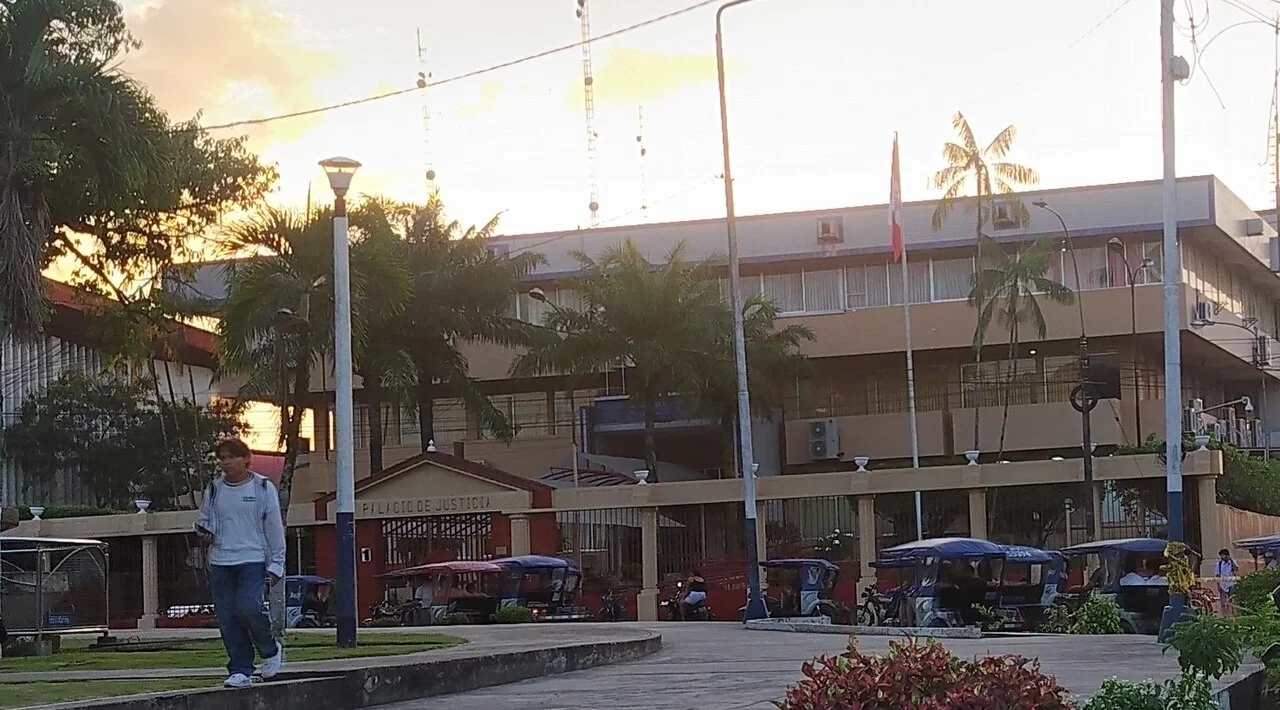
PROMPERU's Iquitos description connects central buildings with the city's rubber-trade expansion. Casa Morey, Hotel Palace and Casa de Fierro are among the names in that historical setting. Do not assume they all operate as museums with the same opening hours. Looking at a façade, visiting an interior and sitting down in a business are different plans. A small orientation loop around the square followed by the Malecón direction connects the historical narrative with an actual walking structure. Follow crossings and street activity, choosing time at two or three stops rather than a long photographic checklist. The courthouse image also records the exterior of a functional urban building; it is not a suggestion of tourist admission. These distinctions let a city walk use history without guessing today's use of every building from its name or an older image.

The Malecón and Itaya: distinguish the water views
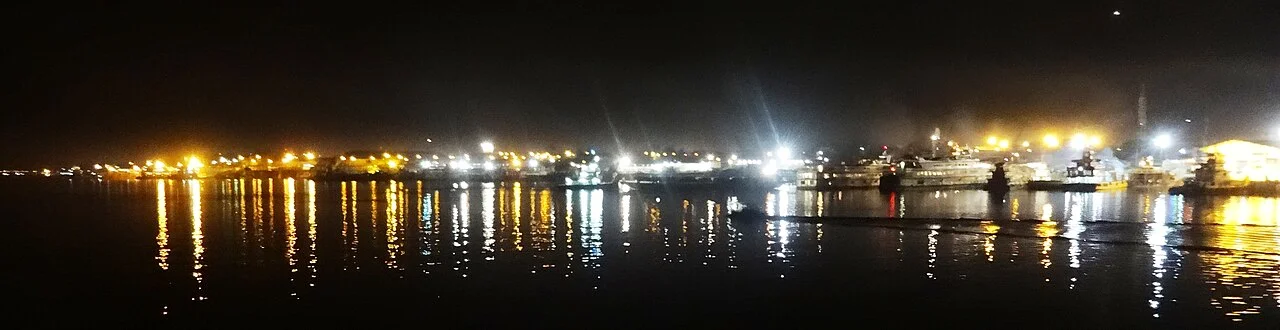
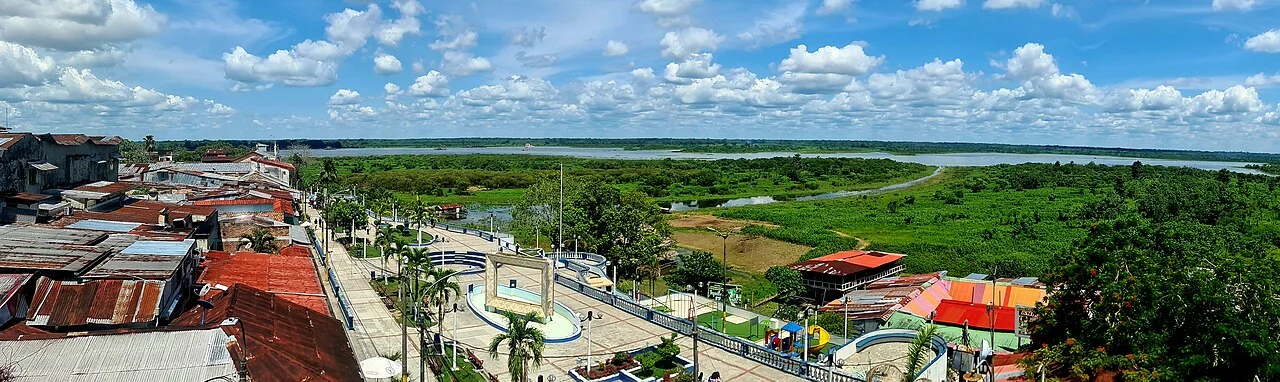
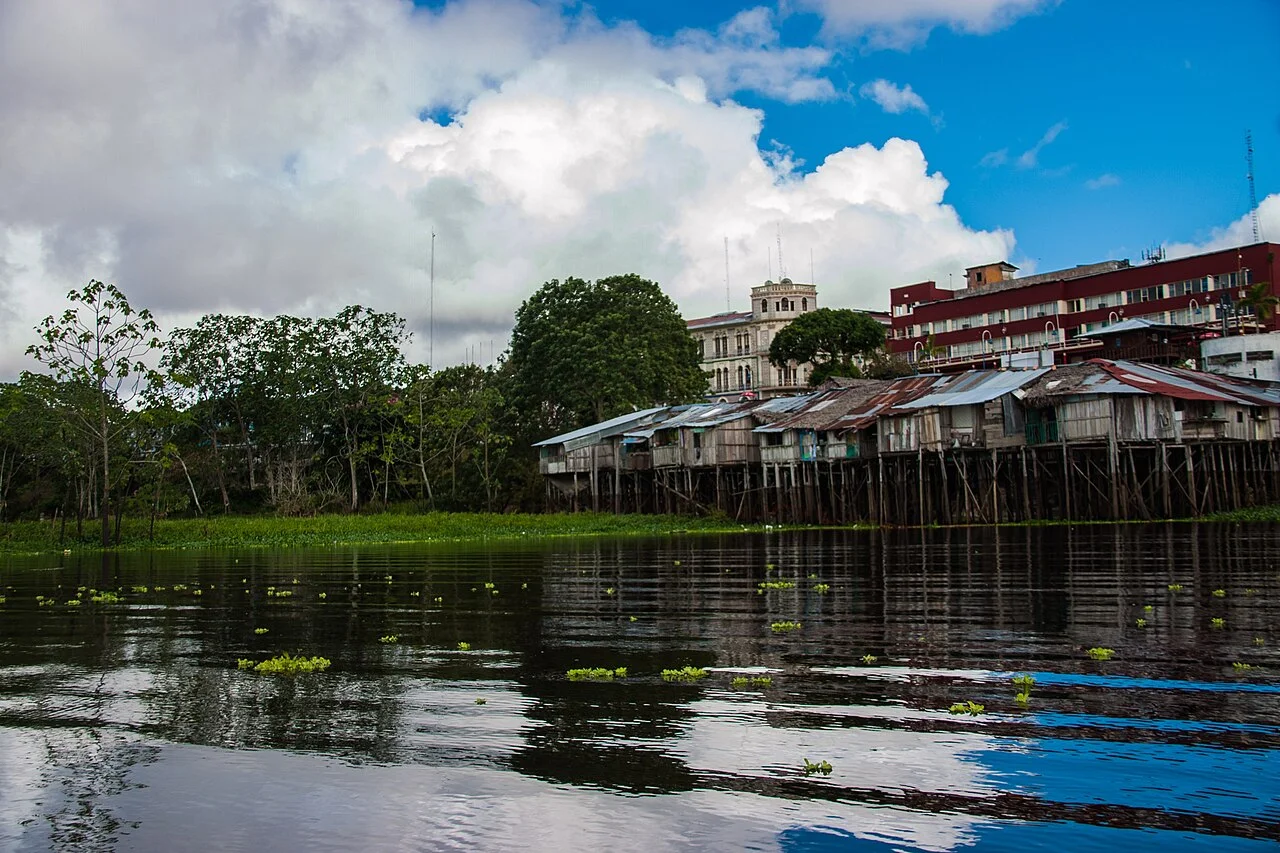
Malecón Tarapacá and Maldonado are names you may encounter in a waterfront plan. The photographs here identify the Itaya River and its bank settlement according to their source descriptions, rather than generalising every view as the main Amazon channel. The broad November 2024 image records the waterfront, city and green landscape together. The June 2013 rainy-season picture shows another relationship between riverside buildings and the water. Capture dates do not establish the present river level. A morning viewing pause followed by lunch in the centre can be a useful introduction to the waterfront. This route does not require swimming or entering the river. Nor is a night skyline image automatically a recommendation for a night boat trip or evidence of a safe night walk. Looking at the landscape and purchasing a separate transport service remain different choices.

From city to boat: choose a separate service
For a short local boat journey, obtain the destination, meeting point, return time and service inclusions from the same operator. Do not identify your departure point from a vessel in a landscape photograph or a random set of waterside steps. MINCETUR's Loreto Viajero en Ruta publication provides an official starting point for travel-agency research; appearing in a register does not certify that every activity is risk-free. The city programme can also fill a day without boarding a boat. If a separate lodge has been booked, distinguish where luggage stays and which vessel belongs to which service before departure. Programmes sharing a similar name can have very different lengths. Rather than schedule a last city meal immediately after a long transfer and then race to a flight, keep the return day simpler. That is a planning choice which supports the actual connection, without promising that transport conditions will always remain unchanged.
Build a meal with tacacho, juane and patarashca
PROMPERU's Amazonian food page connects tacacho with plantain, juane with rice and chicken, and patarashca with fish. Tacacho con cecina can be considered a substantial main meal, while juane offers another rice-and-chicken choice. Chonta salad adds a different texture and cocona juice introduces another local product name. These are regional culinary descriptions, not a named Iquitos restaurant's current menu or prices. Choose one main dish and a smaller accompaniment instead of trying to consume every example in the same sitting. This guide does not turn the wild-animal meats mentioned in some promotional sources into food recommendations. Nor does it derive medical benefits or treatment promises from ceremonial plants. A concrete city meal need not depend on trying the greatest possible number of unfamiliar ingredients. The food names make the choice more useful without turning curiosity into an obligation.
Separate a Belén view from an actual neighbourhood visit
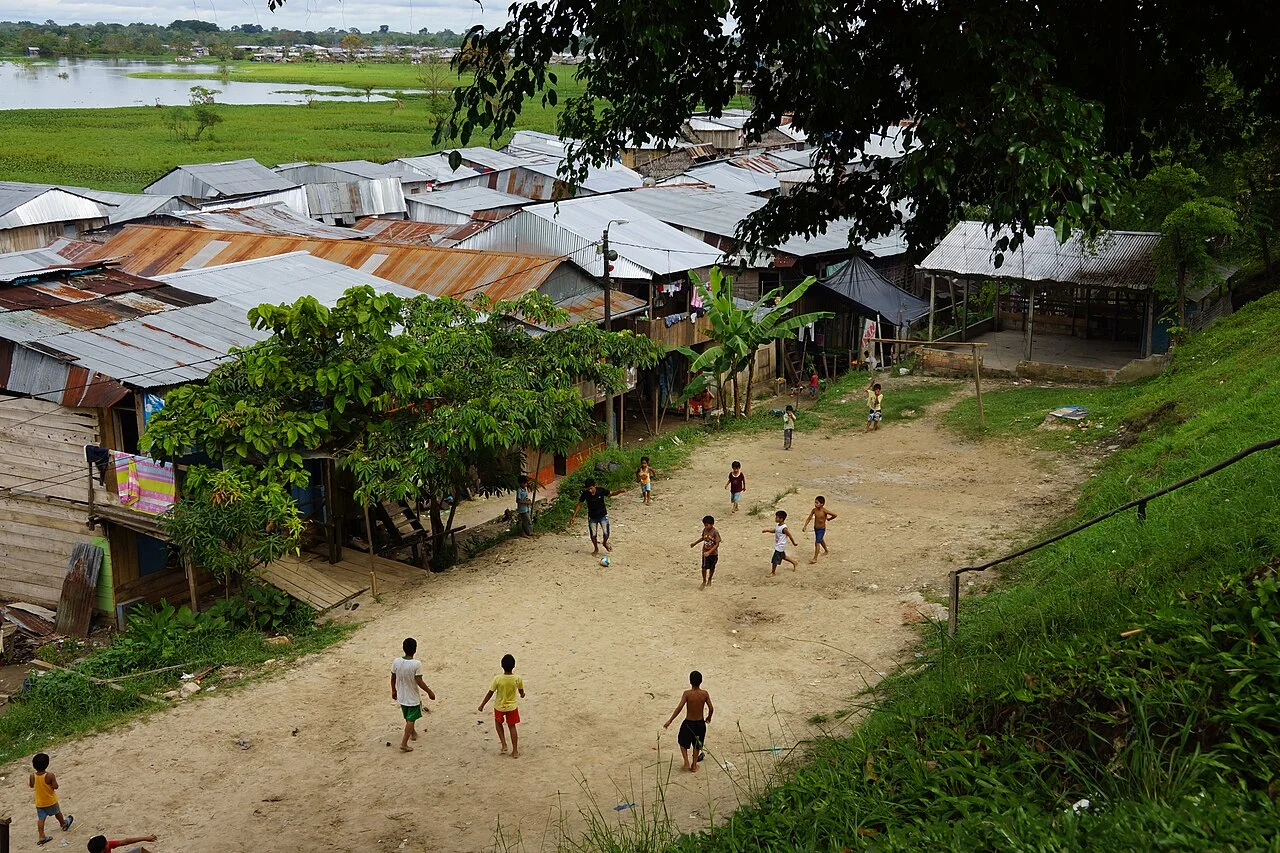
The July 2015 photograph looks from Malecón Tarapacá towards settlement on the Itaya bank, with Belén in the background. Residents' daily lives are not scenery or spaces that visitors may enter without permission. A distant neighbourhood view does not prove a present walking route or open access to every street. If planning a particular visit to Belén or another neighbourhood, treat current local arrangements and guidance needs separately rather than adding it casually at the end of a city walk. Take permission and privacy seriously when photographing people. This programme focuses on the public centre, river views and a seated meal; traversing every part of a neighbourhood is not a requirement. Honest image names and capture dates prevent an older scene from being used to make sweeping claims about current urban life.

Your room, air connection and current advice
A central room can be useful for someone who wants to avoid a separate long vehicle connection after dinner. When choosing a river view, include checkout, luggage storage and the airport transfer in the same decision. Aeropuertos del Perú's Iquitos page directs visitors to airport and flight-status information; this guide does not promise a flight frequency, taxi fare or fixed journey duration. Current FCDO information on 5 October 2026 describes possible crowds and protests on and after the 4 October election. It separately warns about the area within 20km south of the Putumayo River and Peru-Colombia border, with its stated Amazon River and triple-border exceptions. Neither automatically applying that warning to every Iquitos street nor declaring all Loreto safely visitable would be accurate. Compare the actual itinerary with current advice, stay away from demonstrations and keep the final morning for the connection. For the Stork, a rewarding city pause includes a clear return plan as well as a river landscape.