
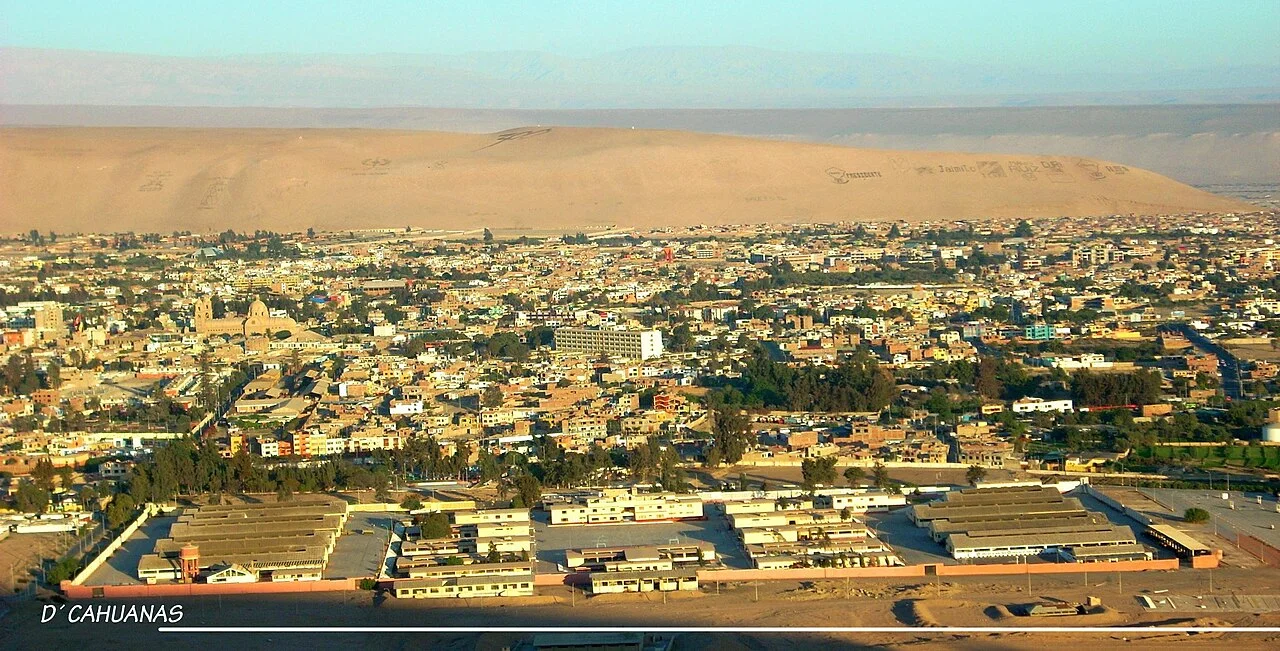
Treating Tacna only as waiting time before a border crossing misses the city's own day. The Tatilmerkezi Stork proposes one night and two calendar days around central exteriors, Mercado Central and a regional meal. Travelling onwards to Arica by train or bus is a separate international journey; this guide does not guarantee its service, documentation conditions or operation. It addresses someone staying in Tacna for a small city visit. On the 5 October 2026 check, Peru's Culture Ministry page marks Museo Histórico Regional de Tacna temporarily closed. The programme therefore centres on the open urban setting and selected food rather than a museum collection. Peru travel advice checked the same day retains possible demonstrations and transport disruption following the 4 October local elections. Avoid large demonstrations and reassess the day's actual connections rather than treating the election's end as proof that every route is unaffected.
Arrival and a central room: an overnight stay separate from the border
Resolve the accommodation address, luggage arrangements and departure connection on arrival. A room around the centre may make a short programme between Paseo Cívico and a selected meal easier to organise. Accommodation closer to an outlying departure terminal serves a different priority for someone leaving early. Those are different decisions, not interchangeable neighbourhood recommendations. When choosing a central overnight stay, avoid compressing every regional outing into the same short period. Knowing where the initial circuit ends makes returning for luggage more intelligible. For arrival by bus or air, arrange the actual connection around the room address; an old station photograph does not prove that a train currently delivers visitors straight to their hotel. The centre is this itinerary's urban reading point, not evidence that the logistics of an onward international journey have all been resolved.
Paseo Cívico and the cathedral: read the city through its exteriors
A small first-day circuit can focus on the Paseo Cívico area. Cathedral, square and nearby historic houses show different architectural scales. MINCETUR's cathedral inventory places the building at Paseo Cívico, Blondell 107. The selected photograph looks at its rear exterior, not every monument in the square or works inside the church. Relating front and rear views at your own walking pace prevents the city becoming only one frontal photograph. An interior visit or religious service has its own programme. This exterior-oriented circuit does not require having purchased a collection admission. Several facades followed by a seated pause provide a manageable arrival-day start. Instead of spending a long period waiting outside a closed institution, use that time for the actual street connections you encounter and for a proper meal. Choosing a limited area gives the overnight stay a recognisable shape.


Casa Basadre: a cultural stop with specific days and registration
Centro Cultural Casa Basadre adds a concrete address to the historic-house setting around Paseo Cívico. The official tourism inventory lists free entry with registration in the visitor book. Its schedule reads Monday-Friday 9am-1pm and 3pm-7pm, and Saturday 9am-1pm. These are not presented as an exception-free guarantee for every future date; match them to the institution's announcement for your visit. Allowing for the midday break helps distinguish a morning exterior circuit from an afternoon cultural stop. The house provides context for Jorge Basadre's life and Tacna's history. This guide's photographs do not reproduce the institution's interior collection or contemporary statue. If access is unsuitable on the day, keeping the exterior section short and moving to another central stop prevents the one-night programme depending completely on one door being open.
Mercado Central: decide what the meal is before shopping
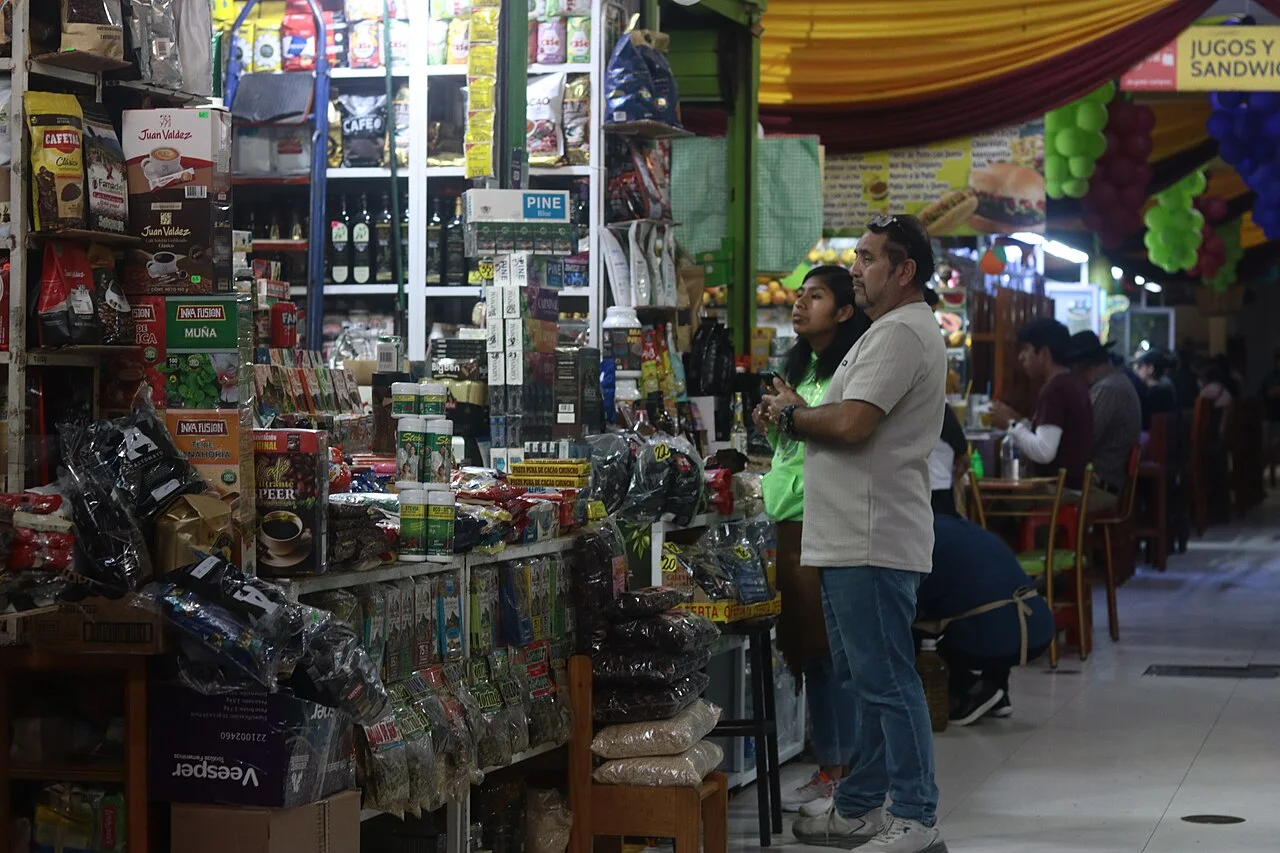
Mercado Central can give the second day a focus on everyday urban trade. The August 2026 customers image shows stalls and their relation to the corridor. It does not claim every business currently sells the same products or opens at an identical time. Keep your shopping around one requirement: a small food pause, a portable item or simply understanding the market layout. Arriving with an extensive shopping list can burden luggage and consume the remaining departure-day time. Before sitting for food, establish the plate's contents and ordering arrangement; a regional dish name does not prove every vendor uses an identical recipe. Avoid rushing the market merely to reach an institution before closing. A brief corridor visit, a considered product choice and a seated meal give the two-day Tacna stay more substance than a hurried sequence of purchases. This is a city visit, not a shopping expedition across the entire region.

Marraqueta and picante: build a meal around local names
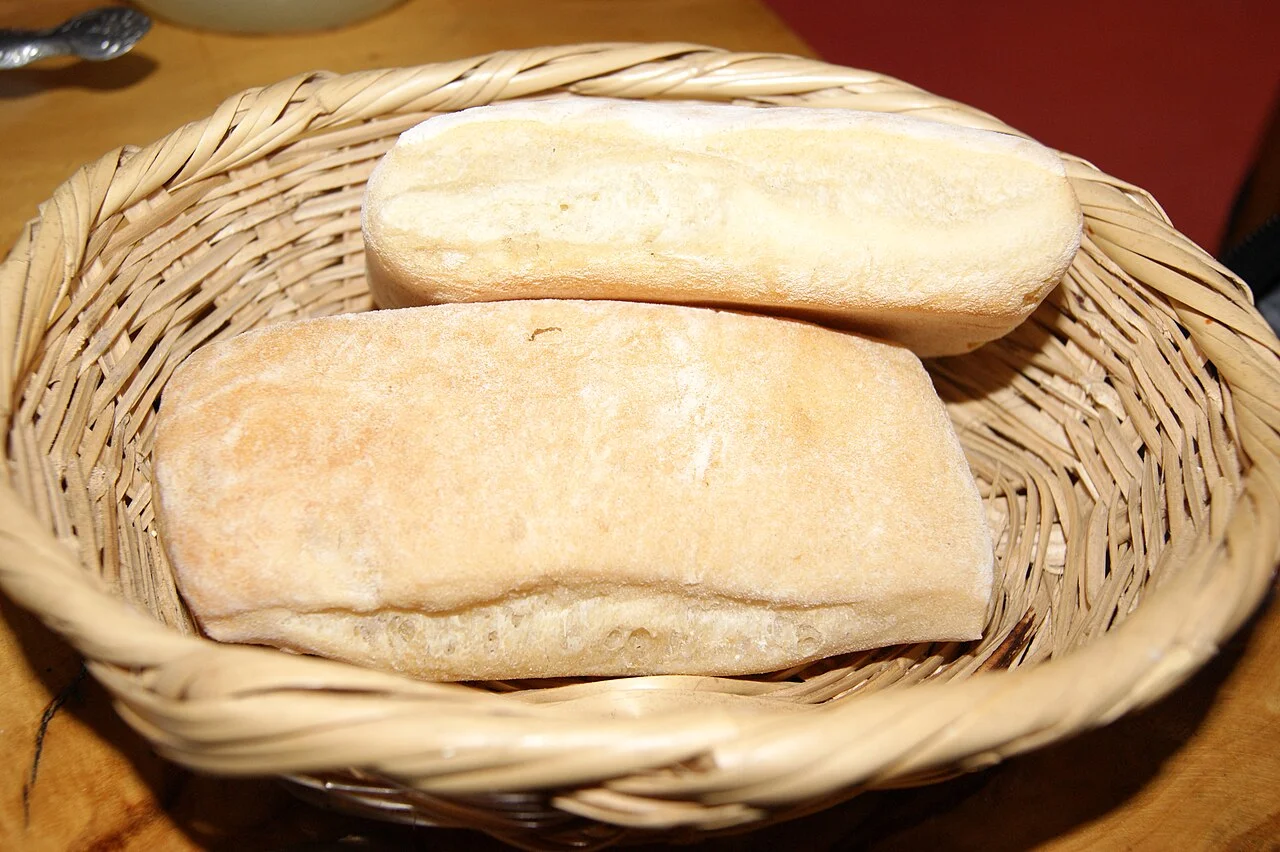
PROMPERÚ's Tacna account provides picante a la tacneña with pan marraqueta and adobo tacneño as regional food examples. It describes the adobo with pork, vinegar, ají, garlic and cumin. These are official regional references, not a menu actually read at a particular city restaurant today. A first meal of picante with bread and another meal considering adobo meet different plate preferences; ordering everything in one short pause is unnecessary. The July 2010 bread photograph was taken at La casa del picante and remains explicitly historical. It does not announce that the business is currently open or retains an unchanged menu. The bread image explains marraqueta's appearance at the table. For a reader treating Tacna as more than an international transfer, time spent sitting for a meal creates an actual urban pause between shopping and looking at historic facades. Choose the serving appropriate to your appetite rather than using the regional list as a compulsory tasting challenge.

Historic station: transport memory rather than a current service promise
The August 2002 image of Tacna station on the Tacna-Arica railway opens a separate view of the city's transport history. Tracks and station buildings reveal a function different from the houses and cathedral exteriors of the central circuit. The old image is not used as evidence of a current departure timetable, museum admission or border service. Anyone considering adding the station area should establish access for their own date; entering tracks or a closed section is not part of this city programme. A person arranging international onward travel needs current operator information and border conditions separately. For an overnight visitor, the photograph instead provides a historical scene explaining Tacna's relationship with regional connections. The second day does not need a compulsory train activity to be complete. Keeping historic interpretation separate from a bookable service makes the itinerary clearer without erasing the railway's place in the city's story.


Closed museum, post-election conditions and the final connection
Museo Histórico Regional at Avenida Apurímac 202 is marked temporarily closed. Older opening hours further down its page do not cancel that prominent closure statement. Instead of promising collection access, use arrival day for central exteriors and Casa Basadre on a suitable day, then the following day for market and a selected meal. One night and two calendar days provide a planning framework at this scale; regional mountain, vineyard or hot-spring outings require separate arrangements. The 4 October election day has passed, but the post-election gathering and protest warning in the official advice checked on 5 October remains relevant. Leave a margin between accommodation, luggage collection and the final departure connection. For the Stork, Tacna's appeal lies in historic facades, everyday trade and a marraqueta pause offering different ways to read one city. That is not transformed into a promise to tour all southern Peru in a day.