
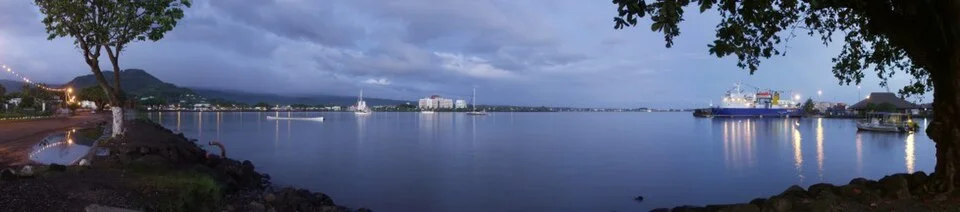
You do not need to circle all of Upolu to fill two days in Apia. This time the Tatilmerkezi Stork turns toward small capital details: the movement of the morning fish market, a coconut pause in Fugalei and a cultural conversation on Beach Road. This guide is designed for two nights, two city days and departure on the third morning. The Savai'i ferry, south-coast beaches and an island driving circuit answer a different travel need. There is no race to fit them into this short city stay.
Look for the city's flavour beyond a scenic photograph. Apia brings daily shopping, family food and the public waterfront close together. One principal visit, one concrete meal and a proper resting margin each day create a useful rhythm. Sources were checked on 4 October 2026. Tourism pages do not give fully consistent fee information for the cultural programme, so this guide does not promise free admission or a fixed ticket price. Establish the current programme directly with the institution rather than turning an older promotional statement into a booking condition.
Arrival: settle into central Apia without rushing
Faleolo International Airport and Apia should not be treated as one walkable area; reaching your accommodation requires a road transfer. When arranging it, clarify the delayed-flight procedure, luggage and the full hotel address. Samoa Tourism Authority explains that taxi fares are agreed before departure and local buses run flexibly. A bus should therefore not be treated as a precisely timed service for a scheduled cultural programme or a flight connection. Dinner and a short rest are sufficient aims for the first evening after a long arrival day.

Compare a base near Beach Road with a location farther east toward Vaiala according to your needs. A central room may reduce travel to markets and the information centre; a more distant choice needs the two days' return taxi trips added to the budget. Decide how much you value the view, quietness and a kitchen. Families may prioritise an easy midday return, while travellers with an early departure may give more weight to the third morning's collection arrangements. A room beside the city coast does not itself establish a safe swimming place or free beach access. The stay should serve the city plan instead of requiring a new excursion every time you want lunch.
First morning: distinguish the fish market from Fugalei
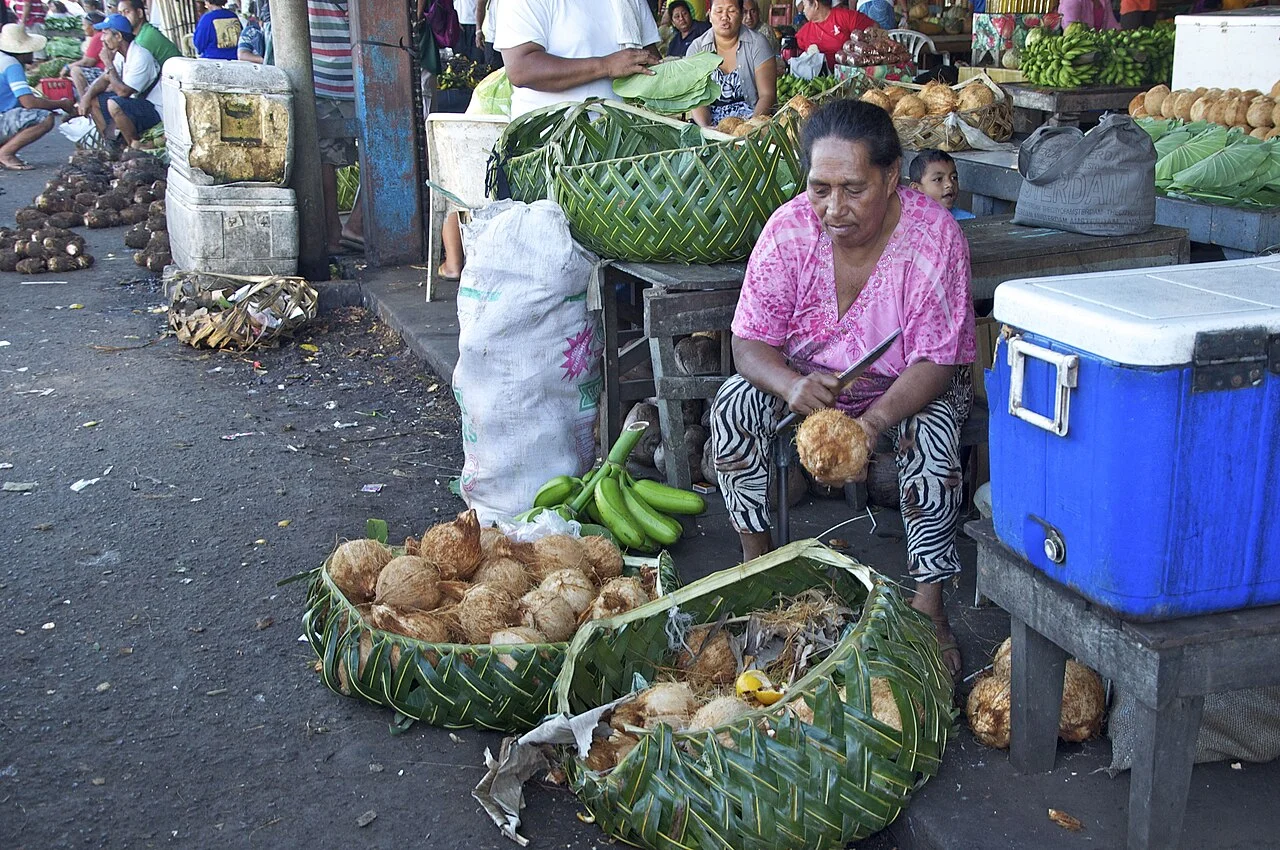
Apia Fish Market and Fugalei Fresh Produce Market are separate visits. The official tourism authority describes the fish market as an early-morning destination and Fugalei as a place for fruit, vegetables and cooked local food. If an early start suits you, make the fish market a short observation stop. Seeing seafood arrive in the capital's food system is worthwhile without an obligation to buy a fish. Continue to Fugalei for breakfast fruit or nui, a drinking coconut, rather than carrying an ambitious shopping list through both markets.
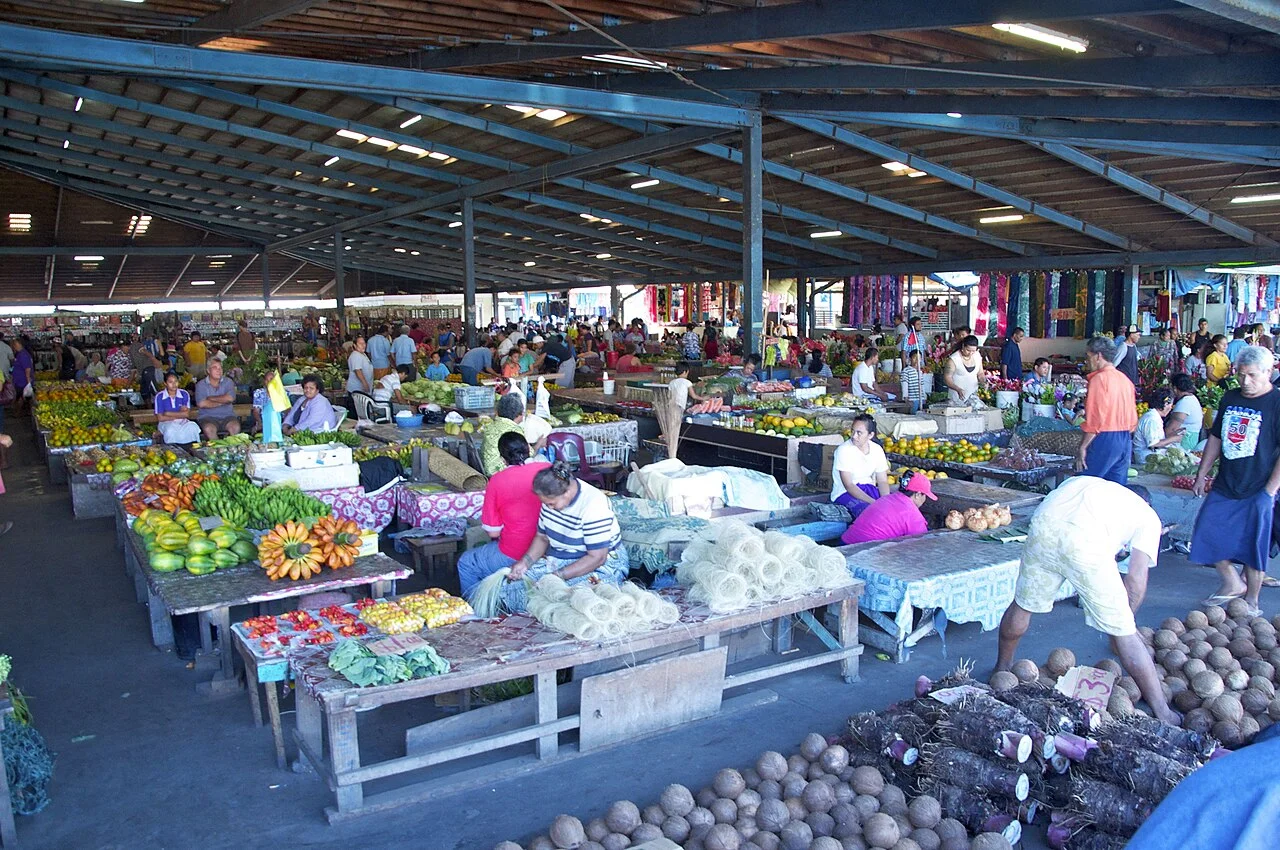

Choose two modest purchases instead of making a single stall represent the entire market. When you see taro, bananas or coconut, ask how the ingredient is used. Recognising the taro leaves and coconut cream associated with palusami can make a later lunch more meaningful. Ask before photographing people and keep the path in front of a working stall clear. Old market photographs in this guide do not establish that a particular vendor is still present. A stall whose precise market name is not confirmed by its source is not given a speculative Fugalei label. This distinction leaves the scene useful without inventing a current business listing.
Beach Road: the information fale and a cultural programme
Samoa Cultural Village can be the first day's principal visit. Samoa Tourism Authority places it on Beach Road beside the visitor information fale. A programme may explain tapa making, craft processes or preparation of the umu earth oven. Build the visit around what is actually offered that day rather than assuming a fixed sequence of demonstrations. Learning how an object is made creates a different encounter from buying the finished product solely as a souvenir. If tatau or another personal practice is being demonstrated, give particular attention to participants' privacy and photography permission.
At lunch, palusami, cooked taro or a plate from an umu preparation can provide a practical goal where these are on offer. Oka is a raw-fish preparation with coconut cream, not another name for cooked fish. Someone who does not want raw food can choose a cooked seafood or vegetable option separately. These dish names help you express what you want when ordering; they are not a guaranteed menu for a named restaurant. Establish whether lunch forms part of the cultural programme when arranging attendance. Different fee statements on tourism pages should not be repeated as if they form a current price quotation.
Second day: the clock tower and a short waterfront loop
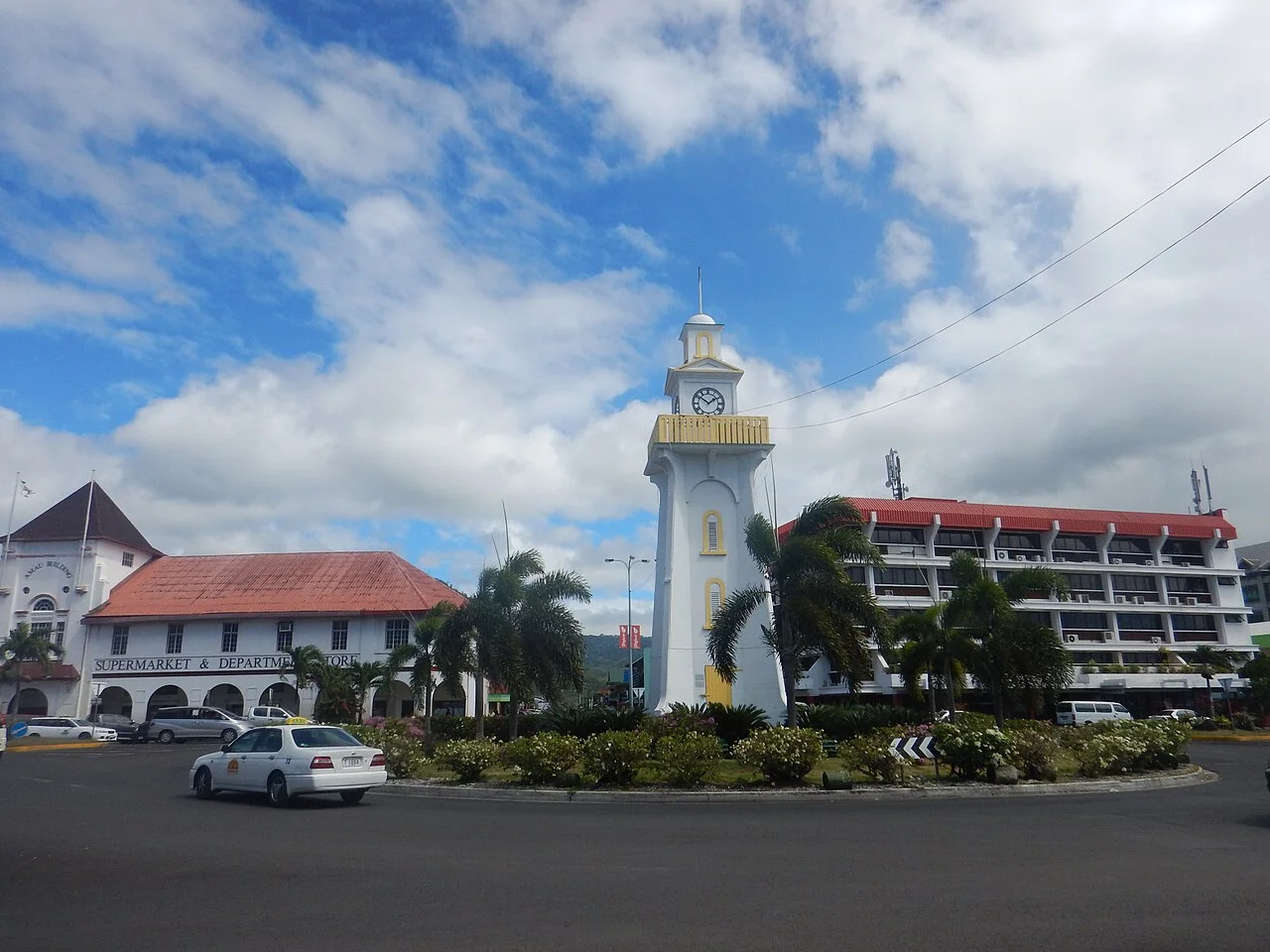
Use the central clock tower as a point of orientation on the second morning. The National University of Samoa's heritage project describes it as a historic structure gifted to the community by Ta'isi Olaf Nelson in the 1920s. It need not become a long monument tour. Cross with attention to traffic, allow a few minutes to look from outside and continue toward the waterfront. The clock-tower photograph is from 2016 and does not establish today's surrounding layout. Walking on a public coastal section is different from entering a private property or a working port.

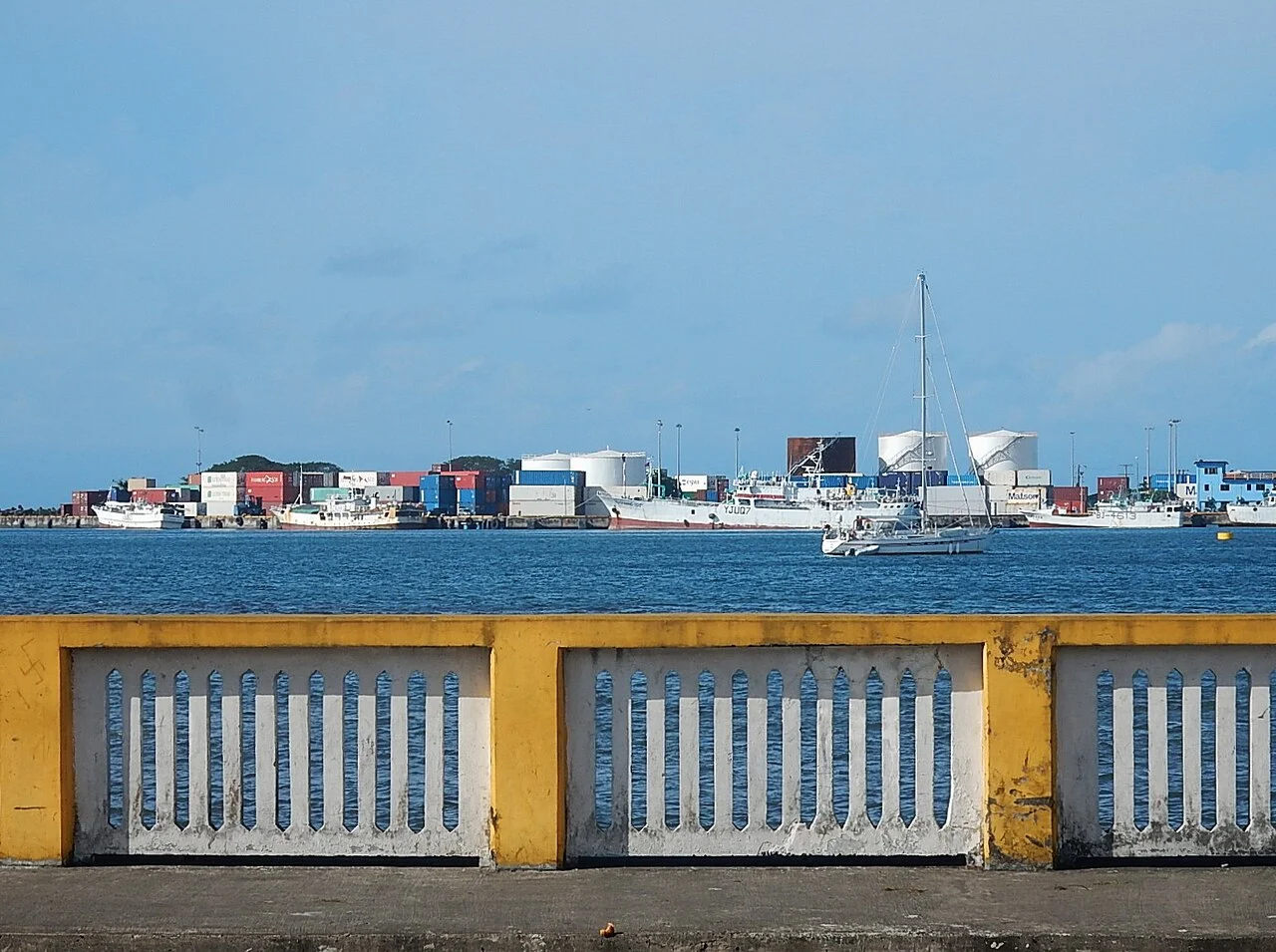
Keep the Beach Road loop short enough to leave room for lunch or a rest in your room during the warmer part of the day. Reading Apia Harbour as a coastal scene does not require boarding a boat. The purpose of these two city days is to become familiar with the capital, not to divide the day while searching for a ferry terminal. Do not approach street dogs; FCDO specifically notes stray dogs in Apia that may become aggressive. Before turning a waterfront pause into swimming, obtain local advice about conditions and currents. No water activity is compulsory in this programme.
Meal planning: avoid ordering the same plate twice
After a first-day meal based around taro and coconut, make cooked fish, vegetables and fruit the focus of the second day where the menu permits. To connect market shopping with preparation, look at lunch for an ingredient you encountered that morning. For two evenings, an easily reached meal near your accommodation is more useful than crossing the city between distant establishments. If a fiafia night interests you, ask the official information centre about a real event during your stay. Not every hotel has a music-and-food programme every evening, and a ticketed performance is not the only way to encounter city life.

If your visit includes Sunday, account for the rest-day rhythm. Samoa Tourism Authority describes quiet behaviour on Sundays and slower travel through villages; do not assume every kitchen or programme operates as it would on another day. Modest clothing suits town and cultural visits. On the third morning, leave after breakfast with luggage ready and the airport transfer arranged. The Stork carries away a market ingredient, a making story and a sense of the waterfront's direction: a small city plan that begins to understand Apia without claiming to have seen all of Samoa in two days.