
Botswana: two bases for a first safari
Tatilmerkezi’s Stork starts the map with two practical anchors: Maun for an Okavango journey and Kasane for the Chobe area. The purpose is to give a first safari enough time rather than collect every place name in a week. Botswana rewards attention to the journey itself: wetland landscapes, river environments, the towns where supplies and transfers are arranged, and food that gives the itinerary a local rhythm. Wildlife encounters cannot be scheduled like a museum ticket. Allowing time and following a guide’s decisions makes a better starting point than promising a particular animal on a particular morning. This guide is designed for travellers comparing their first organised safari or a carefully supported independent trip.
A seven-calendar-day planning framework
The suggested framework uses seven calendar days: arrival in Maun on day one; a selected Okavango stay and activities on days two and three; a transfer to Kasane on day four; Chobe activities on days five and six; and departure on day seven. It is an editorial planning framework, not a published transport timetable. Confirm a workable Maun–Kasane connection for your own dates before booking two regions. If it does not fit, staying in one region throughout the week may offer a more satisfying trip. A late international arrival or an early final departure can require an extra town night. Do not count the transfer day as another full day of sightseeing. Leave a buffer before an international flight rather than linking your final wildlife activity to a tight airport connection.
Okavango: choose water and land experiences deliberately
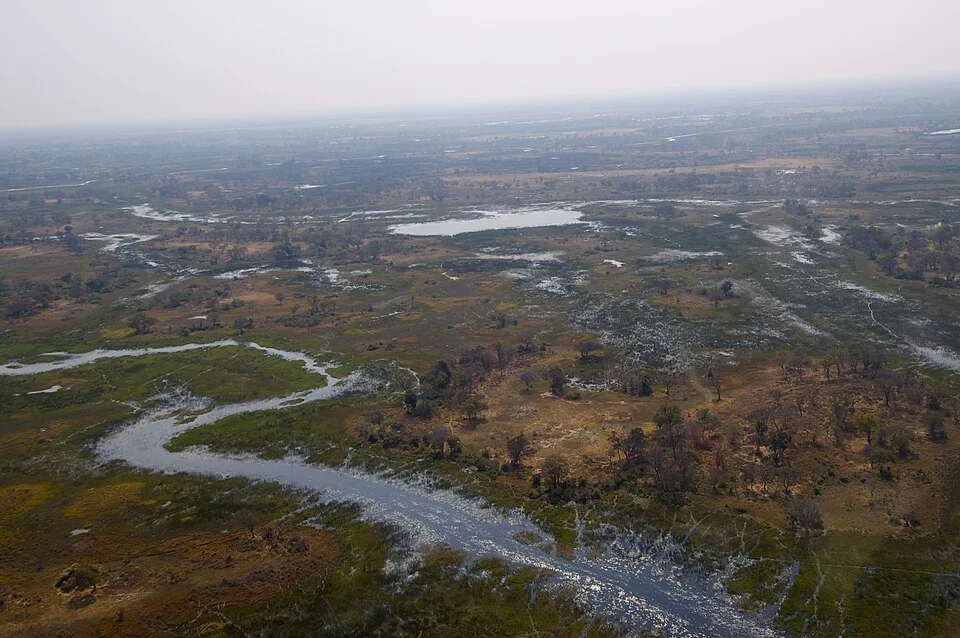
The delta combines waterways, islands and drier landscapes. A camp’s actual location and the conditions during your visit determine what it can offer. Ask about mokoro excursions, motorboat trips, guided walks and vehicle activities individually rather than assuming every property provides all four. A photograph of abundant water is not a promise for your travel dates. A day excursion beginning and ending in Maun is a different purchase from several nights within the delta, where meals and transfers may be organised around the accommodation. Plan a morning activity, a restful midday interval and another suitable activity later, instead of racing between distant camps. A guided wildlife walk is also a distinct service; it does not imply that the same area is appropriate for unaccompanied exploration.
Chobe: river views and a useful town base
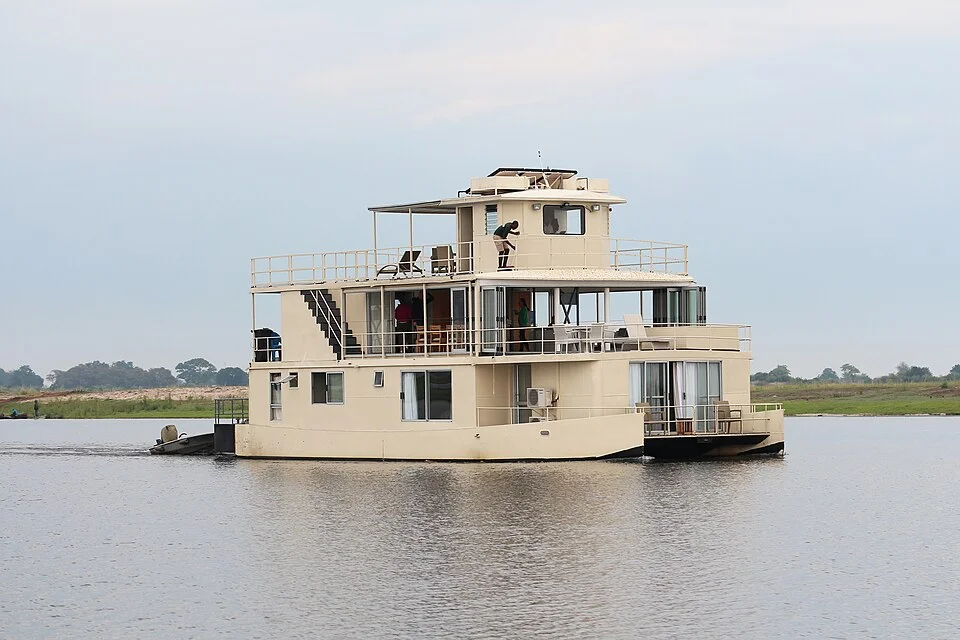
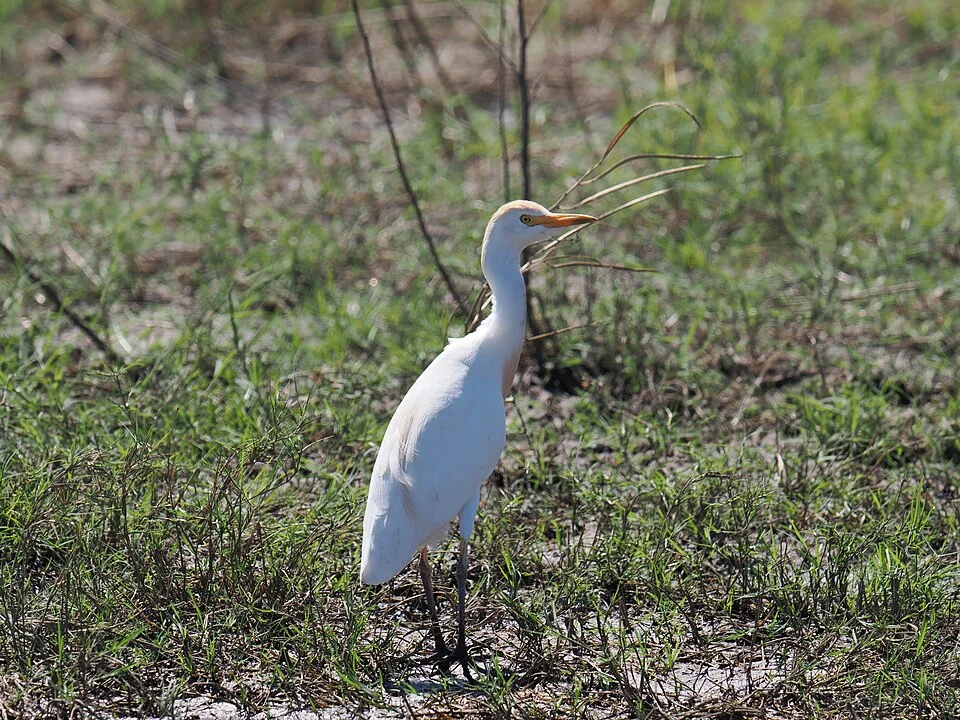
Kasane is a practical base to consider for the Chobe area. A boat excursion and a vehicle-based park activity provide different perspectives. Putting them on separate days leaves room for changes in weather or operations. Do not assume that all sections of the park are reached through the same short transfer. When a proposal mentions the Riverfront, Savuté or Linyanti, ask which accommodation and starting point it means, and how you actually travel there. Birdwatching can enrich a programme otherwise focused only on large mammals. Binoculars, sun protection and a closed bag are useful, but a guide’s instructions matter more than any equipment list. Stay within the boat or vehicle boundaries specified by the crew instead of leaning over an edge or stepping out for a photograph.



Where to stay: Maun, a delta camp or Kasane
For a first or final Maun night, compare airport transfers, access to a meal and the next morning’s meeting point. A camp inside the delta is not interchangeable with a town hotel: its transfers, included meals, activities and baggage arrangements may be substantially different. In Kasane, central accommodation can make everyday needs easier to arrange, while a river-area property offers a different setting and transfer pattern. Ask both types about current security procedures, evening transport and secure storage. Do not assume a remote property can provide an improvised taxi at short notice. Families should confirm activity age limits, beds and participation rules in writing. A family room does not automatically mean every safari excursion is suitable for the youngest traveller.
Book transport as a connected sequence
Start with international arrival and departure points, then connect Maun or Kasane, and finally confirm the camp transfers. Air Botswana’s official channel is one starting point for checking services and bookings; a route announced in an old press release is not a current ticket or timetable. For a light-aircraft transfer, obtain the accepted bag shape, weight limit and excess-baggage arrangements directly from the operator. Avoid applying one general tourism-page allowance to every flight. Travelling by road calls for a separate review of road surface, fuel, rainfall and park access. On a first safari, an arranged transfer or driver can make difficult terrain simpler to manage. Request separate confirmation of whether park permissions, charges and guiding are included in the quoted service. A clear written breakdown is more useful than a vague description of an all-inclusive adventure.

Food: seswaa, bogobe and diphaphatha
The Hospitality & Tourism Association of Botswana describes seswaa, also called chotlho, among the country’s slow-cooked meat preparations. Bogobe is a sorghum-based staple whose consistency and accompaniments can vary, while diphaphatha belongs to the repertoire of flat baked goods. These names give you a concrete starting point when asking a town restaurant or your accommodation about available meals. They are not a guarantee that every camp serves the same menu. An early light breakfast before an activity, a longer lunch interval after returning and dinner at the accommodation can make a practical daily pattern. Send allergies or dietary requirements in writing before travelling to a remote property. If a packed meal is needed, agree who prepares it and when it is collected alongside the transfer arrangements, rather than leaving food logistics until departure.
Season, safety and the final checks
Choose the season with access and activities in mind, as well as temperature. Current official UK travel advice highlights preparation for remote areas, the risks of driving after dark and road disruption during heavy rain and flooding between November and March. Do not swim in rivers or lakes: dangerous wildlife and waterborne disease are relevant risks. Follow park staff, keep your distance from animals and respect activity boundaries. Reports of theft affecting river-area accommodation around Chobe make secure rooms and valuables worth discussing explicitly. Use transport recommended by your accommodation rather than walking alone at night. Remote journeys need an appropriate water, fuel and communication plan agreed with the operator. Entry requirements depend on citizenship, passport type, transit arrangements and children’s documentation, so check current Botswana representation guidance for your circumstances. Obtain itinerary-specific travel-health advice for vaccinations and other health preparations. Sources were checked on 4 October 2026; review changing requirements again before committing to bookings.