

Plauen offers a city break shaped by the textile and lace history of Saxony's Vogtland region. A walk beginning around Altmarkt becomes more interesting when it continues towards the church and the former manufacturing area beside the Weiße Elster. You can stop briefly for a few photographs, but staying overnight gives you time to visit the textile museum without rushing and to return to the streets at a different hour. For a first visit, one substantial museum, a historic-centre walk and a shorter riverside section make a satisfying combination. Leave wider Vogtland excursions for another part of your trip.
Begin at Altmarkt
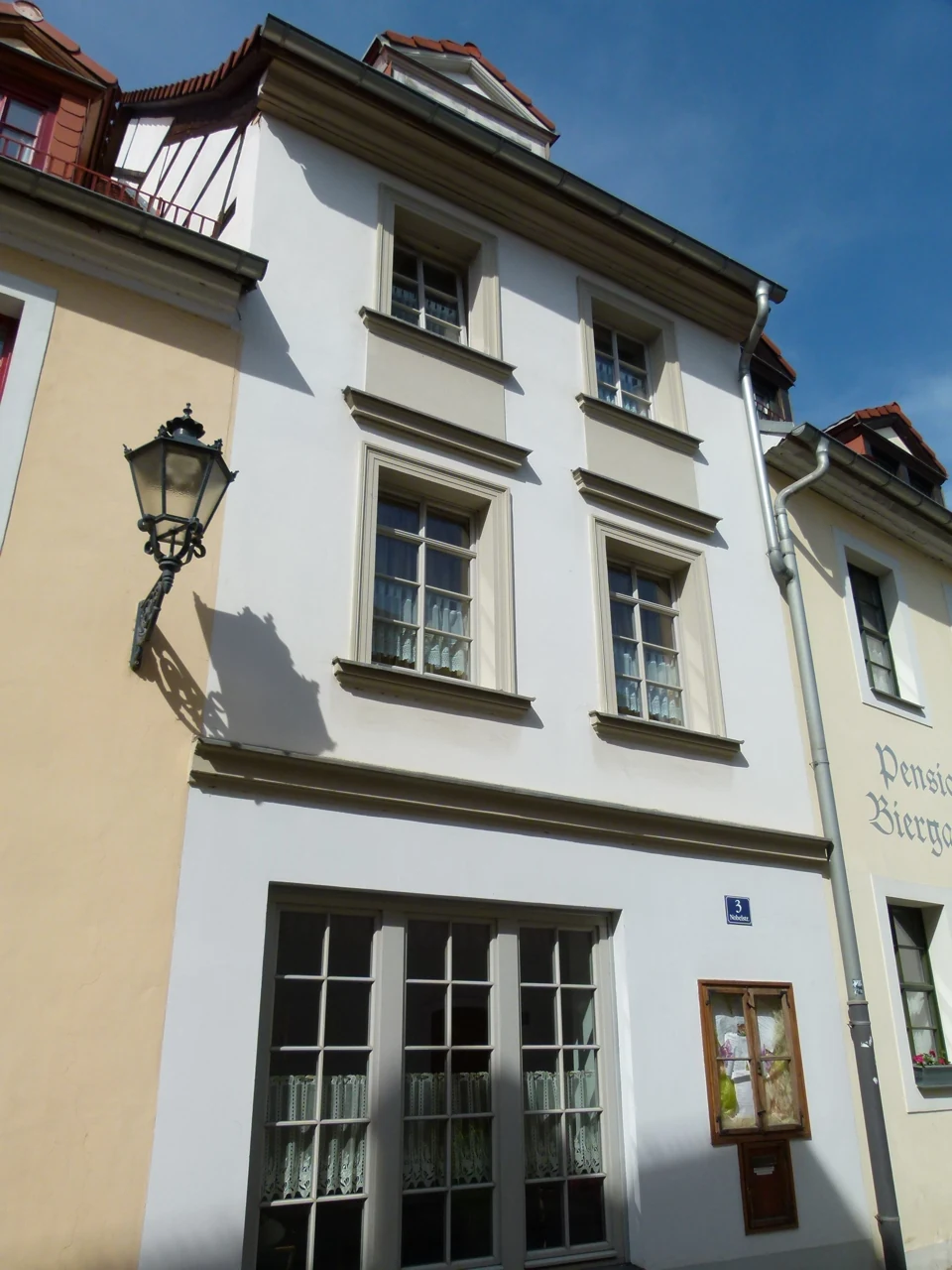
Altmarkt provides a useful introduction to central Plauen. Look at the old town hall from more than one side of the square before setting off: the relationship between the façades and the sloping streets becomes clearer when you change position. The municipal city-centre map helps connect this area with the lower Elsteraue section. Use it to organise the route rather than treating every numbered building as something you must enter.
Before spending a long time shopping, decide how much of the afternoon you want to reserve for the museum. Altmarkt is also a convenient meeting point if members of your group want an hour apart. Drop larger bags at your accommodation before walking over the paved streets. Photographers should allow a return visit to the square later in the day: a façade in direct morning light can look quite different once the light changes, giving you a reason to slow down rather than keep adding new stops.
See St. Johanniskirche and its setting
The twin towers of St. Johanniskirche are a recognisable part of Plauen's skyline. Walking up to Johanniskirchplatz gives a different perspective from the square below. If you want to go inside, work around services and remember that this is an active church. A simple way to understand the building is to look first at the vaulting, then at the window light, and finally at the relationship between the church and its surrounding streets.
The entrance arrangements deserve attention. Municipal information describes steps at the main entrance and a side entrance for wheelchair users by prior arrangement. Confirm that arrangement before visiting if anyone in your party needs it. A short break nearby is worthwhile before walking down towards the next part of the route. Choose shoes with dependable grip, particularly in wet weather, and give yourself enough time to change plans if the entrance you need is not immediately available.
Fabrik der Fäden, the current textile museum
The main museum suggestion is Fabrik der Fäden, at Bleichstraße 1 in the Weisbachsches Haus. It explores Vogtland textile and lace production. Do not automatically use a different lace-museum address from an older guide as the location of today's visit. The interest lies in linking finished materials with the machinery, techniques and people that produced them, rather than looking only at decorative objects.
After examining a machine, return to a sample of fabric or lace and consider how the process has affected the result. With children, following one production stage can work better than trying to read every explanation. The museum currently warns that restoration of the Weisbachschen Häuser may occasionally require a short pedestrian diversion, potentially via Handwerkerhöfe or Hofwiesenstraße. Follow the local signs instead of insisting on the shortest line shown on an old map. Monday is a normal closing day, which matters if your overnight stay extends the weekend.
Connect the museum with the river
A walk around Alte Elsterbrücke after the museum brings the relationship between the former production district and the river into view. Distinguish the historic bridge from the newer transport bridges when planning your crossings. The municipality's Neue Elsterbrücke project information describes construction continuing during 2026. Current signs and transport notices should therefore guide this section of the visit.
You do not need to turn the riverside stop into a lengthy hike. Seeing the bridge and nearby streets before returning to the centre is enough for a shorter day. If the weather and your energy allow, take longer to compare viewpoints. Sitting down after the museum can make the uphill return more comfortable. For photographs, moving a little along the route often explains the relationship between the bridge, water and buildings better than taking several images from exactly the same position.
A main meal and accommodation
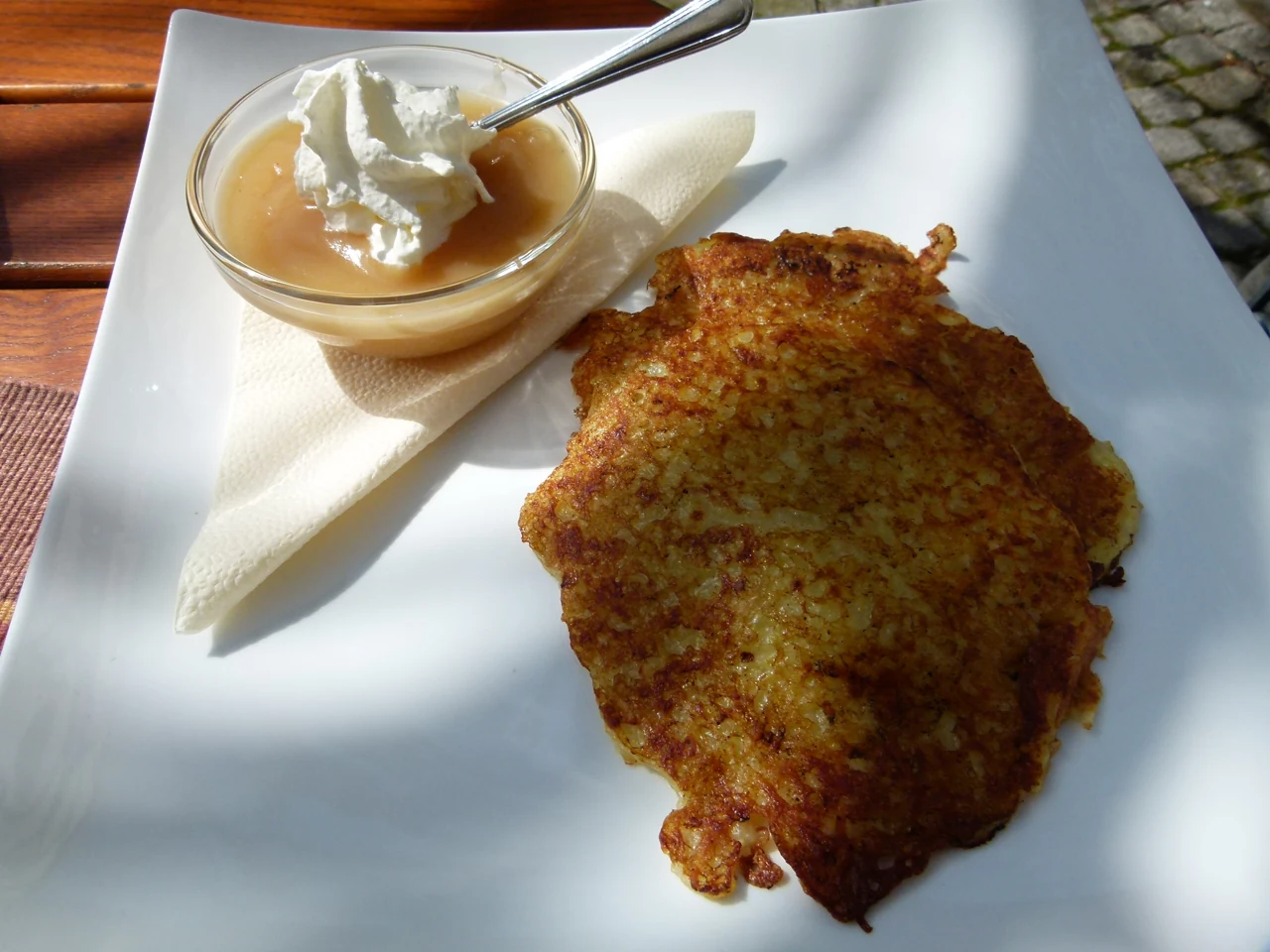
The Royal restaurant at Hotel Alexandra, Bahnhofstraße 17, welcomes diners who are not staying in the hotel. Its current restaurant page links a July 2026 menu listing Vogtländischer Sauerbraten with Reibekuchensauce, red cabbage and Klöße. That is a concrete regional main-course choice for this itinerary. A vegan vegetable pan with curry, coconut milk and rice is also listed. Confirm ingredients, service arrangements and current prices with the restaurant rather than relying on a past menu photograph.
Hotel Alexandra is also a real accommodation option at the same address. Compare its position on Bahnhofstraße with Altmarkt, the museum and your arrival point before booking. Getting to your room after dinner may matter as much as the room description. Ask explicitly about stairs, lifts or a quieter room if you need those features. Restaurant availability and bedroom availability are separate questions, so confirm both when arranging an overnight visit.
Allowing one or two days

A balanced single day includes Altmarkt, St. Johanniskirche, Fabrik der Fäden and a short riverside walk. Give the museum the largest block of time and fit the outdoor stops around it. With two days, use the first for the centre and textiles and the second for a slower street walk or another cultural institution. Art enthusiasts can follow the city map's information for the e.o.plauen gallery and check its current programme. Keep an adaptable outdoor section in the itinerary if you are visiting on Monday or during construction diversions. That flexibility makes it easier to enjoy Plauen without repeatedly starting the day's route again.